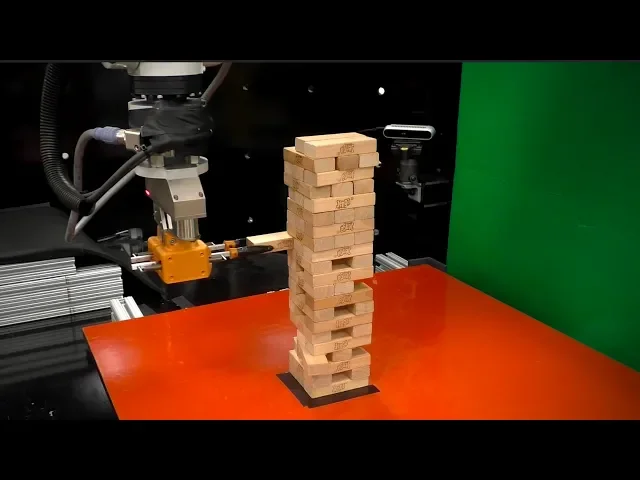
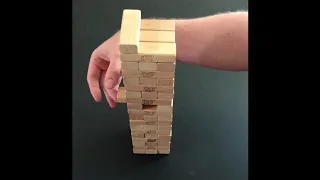
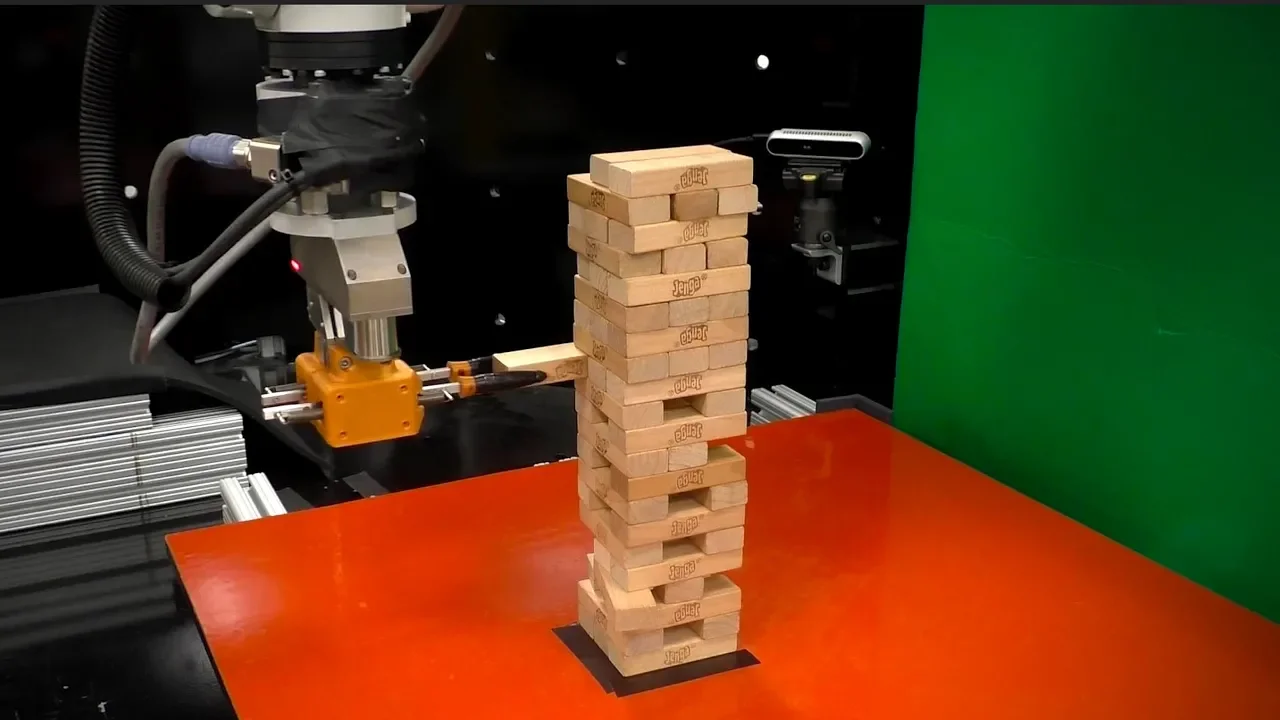
Jenga is a complex game requiring a steady hand and nerves of steel. As humans, we combine our senses of sights and tough to master this game. Now, researchers at MIT's MCube Lab have devised an algorithm to replicate this ability using a robot.
Unlike typical machine-learning methods that rely on huge data sets to decide their next best action, this robot learns and uses a hierarchical model that enables gentle and accurate extraction of pieces. This model allows the robot to estimate the state of a piece, simulates possible moves, and decide on a favorable one. It divides the possible interactions between the robot and the Jenga tower into clusters, each with its own set of physics.
The robot efficiently and clearly identifies when a piece feels stuck or free and decides how to extract it using far less data. This approach as a successful example of AI moving into the physical world. The robot learns as it interacts with its environment and captures some of the essential skills that define human manipulation.