In 1972, comedian George Carlin did a standup routine called “Seven Words You Can Never Say on Television. ” Naturally, it was provocative, a bit offensive, and I will not be repeating any of those words in this video. But it did get me thinking.
Outside of the common swear words, those words that we as a society deem inappropriate for polite conversation and are offensive to most people, are there additional words that we Christians should never use? What I’m wondering is, are there words that are problematic to us, not because they cause offense in themselves or are always bad, but because they express an idea that undermines who we are as Christians? Given the title of the video… I obviously think that there are, and you clicked on this because you want to hear them.
So without further ado, here are five words, in no apparent order, that I think Christians should stop using immediately. Number one: deserve. In the most benign sense, I use this word a lot in reference to food, especially desserts.
If I go for a run or work out at the gym, come snack time I might find myself saying something like, “you know, I worked hard today, I really deserve to have that extra piece of cake. ” Embedded in this word is a sense that we have earned something, that through our hard work, moral standing, correct answer, whatever it might be we find ourselves entitled to something. In some cases, you can certainly see why this would be appropriate or justifiable.
If you run a marathon, you probably deserve some extra food; if you work sixty hours a week, you probably deserve some overtime pay. Even in the most basic sense, being a human being created in the image of God, it’s not out of the question to think that you deserve some basic rights and protections. And while that makes sense, there is still reason for Christians to be wary of thinking that we deserve things, even in the case of human rights.
Why is that? Well, because on a very basic level, we haven’t earned anything. Everything that we have, everything that we do, everything that we become is a gift from God.
We did not earn our human rights just as we didn’t earn our life itself—they were given to us by God—and it is completely false to begin thinking that we deserve them. While often benign, as in the case of dessert, we are much better Christians when we give up any sense of entitlement and rather view everything we have with thanksgiving, knowing that we did nothing to earn it. Number two: mine.
The favorite word of two-year olds and seagulls alike, “mine” is a word that can be helpful in distinguishing responsibility and stewardship, but can also lead to possessiveness and division. If we truly believe that God is the giver of all good gifts and that we don’t truly earn anything we have, then the word mine really isn’t all that necessary of a word for us—nothing, not our possessions, not our time, not our families, not our health truly belongs to us. When we accept that and can let go of the insistence of being in control of these things, the basic primal instinct to protect things from others, we can allow ourselves to do something truly remarkable: share.
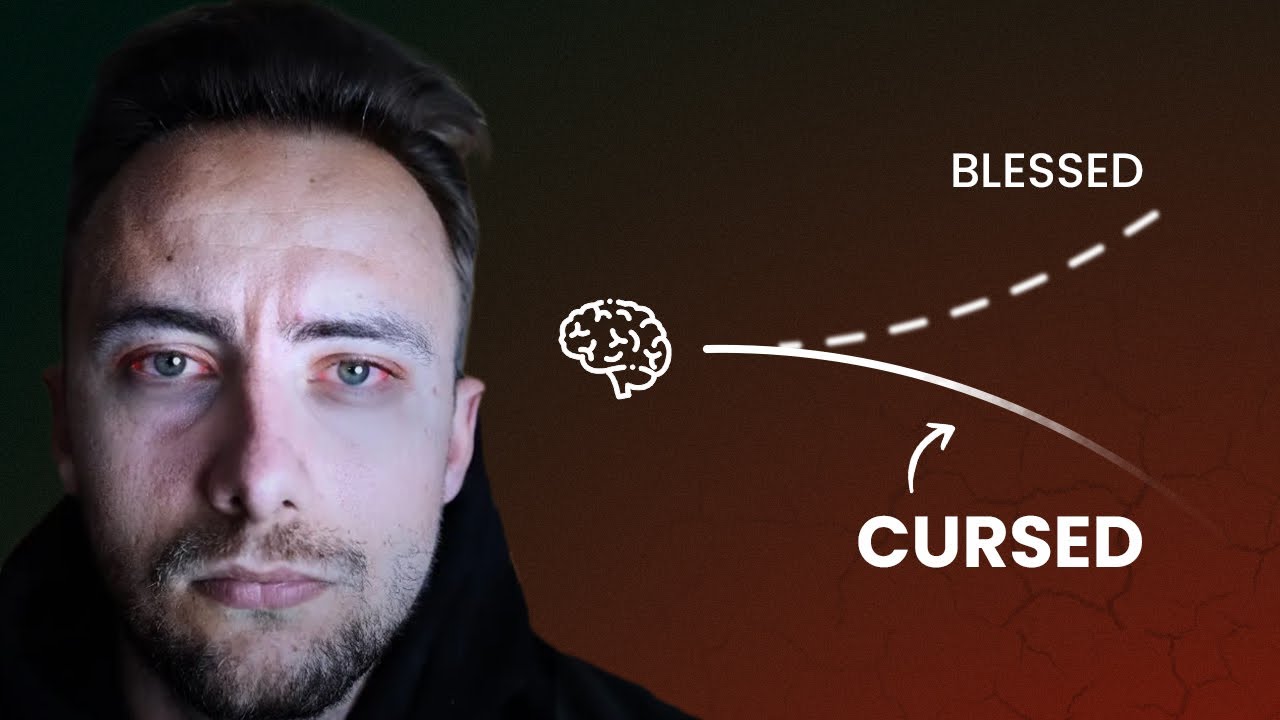
Like the Spanish phrase mi casa es su casa, what is ours is not exclusively ours but given to us by God for common good of all. Number three: blessed. Here is a word that is actually quite the opposite of a swear word—a word that actually recognizes the presence of God in something or someone.
We use it in our liturgy, in our prayer, and throughout scripture. So why do I put it on this list? Because I think it is used far too often for the wrong reason.
Always in a positive sense, someone will say something like, “Oh, I’m just so blessed to have a wonderful family, this beautiful house, and a great job. ” Without any malicious intent whatsoever, what people are often saying is that they are thankful for what God has given them. And that’s fine… but look at what we’re actually saying.
“I’m blessed, I’m holy or favorable to God, because, well, look at all I have. ” We’re using our possessions, other humans beings, as a sign and measure of God’s love for us. On the one hand, it makes people wonder about the opposite of this statement, that those who are poor and have little must not be blessed, which is entirely contrary to Jesus’ words in scripture, but it also overlooks how one obtained such things.
Some people are not blessed to have a wonderful family, beautiful house, and great job… some got these things by abusing power, being greedy, or hurting others. What we have is not a measure of our blessedness. Number four: evil While the opposite to blessed, I bring this one up for the same reason: in itself, there is nothing wrong with the word, and evil certainly exists in our world, but there is definitely a problem with the way it’s used.
The example I most often hear is in regard to an enemy or criminal. Because of a heinous act on their part, a lifetime of depravity, we say something like, “Ugh, he is just pure evil. ” And while this might be a normal phrase for politicians, police officers, and news reporters, it is never a phrase that should pass the lips of a Christian, particularly not a Catholic.
As believers in an almighty God who is pure good, we acknowledge that evil exists in our world but deny that anything or anyone is at its core evil. No matter how terrible someone may act, they are still a creation of God, loved by God, and capable of good. Nothing can ever take that away.
Which brings us to the final word, number five: unforgivable. Of all the words I hear Christians say, this is the one that gets under my skin the most. I hear it and can’t help but cringe and bottle up with anger.
How, honestly, could a Christian ever say this word and mean it? We believe in a God who was wholly innocent and yet not only came to be with us but died for us, who saves us from our sin, not because we’re good or holy but because he is good and holy. Here we are, not deserving redemption yet receiving it, and we’re going to deny it to others?
No. That just can’t happen. I know that there is tremendous evil in our world.
I know that people hurt one another. There are those who rape and abuse, those who murder and cheat and steal. These are horrible things and are most certainly sinful.
But when we choose to withhold the possibility of forgiveness, when we say that something is so bad that it prevents God from saving someone, we undermine who we are and what we believe—do we really want God to start treating us “fairly,” or aren’t we glad that God gives us more mercy than we deserve? Which brings us full circle, back to the first word, and gives me an opportunity to bring them all together. While none of these words are overtly offensive in themselves and you might wonder why I wasted the time to make a video about them, I think that they have something in common that we should always fight against: each word, when used improperly, lacks humility.
Whether we say that we deserve something, insist that we be the sole owners, believe that our possessions reveal our favor with God, dehumanize another, or deny the possibility of forgiveness, what we are ultimately doing in each case is supplanting the role of God. We make ourselves more important and in control than we actually are. In the end, you may think that they’re just words, and insignificant ones at that, but I think that the way we speak matters.
How we relate to things and others, the words we use, not only says a lot about our relationship with those things, but can actually influence the way we think. If you say something enough times, no matter how crazy it is, you’re going to begin believing it yourself. I say, let’s be attentive to the words we say so that we don’t start accidentally believing things we don’t want to believe.