Hey Psych2goers! Welcome back to our channel! Your ongoing support helps us further in our goal to spread awareness about mental health and psychology.
Thank you so much for all the love and support! Now, to the video. At times, we can feel stress and anxiety reach new levels.
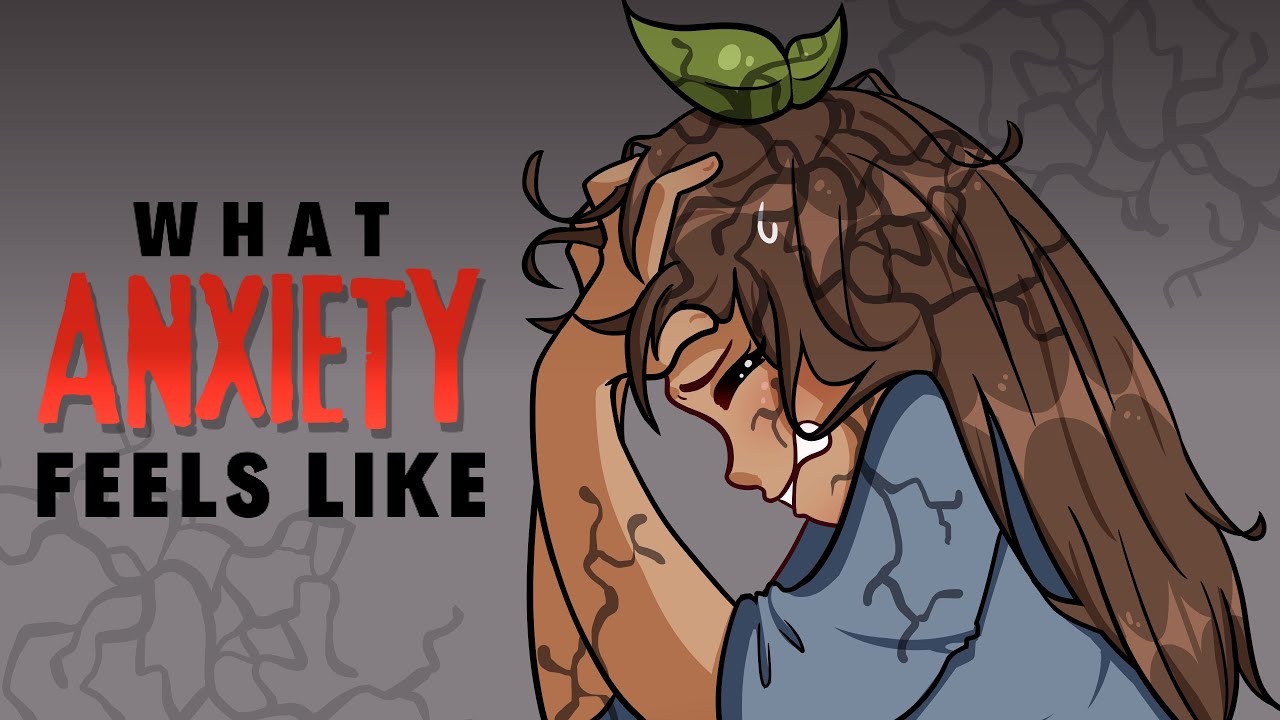
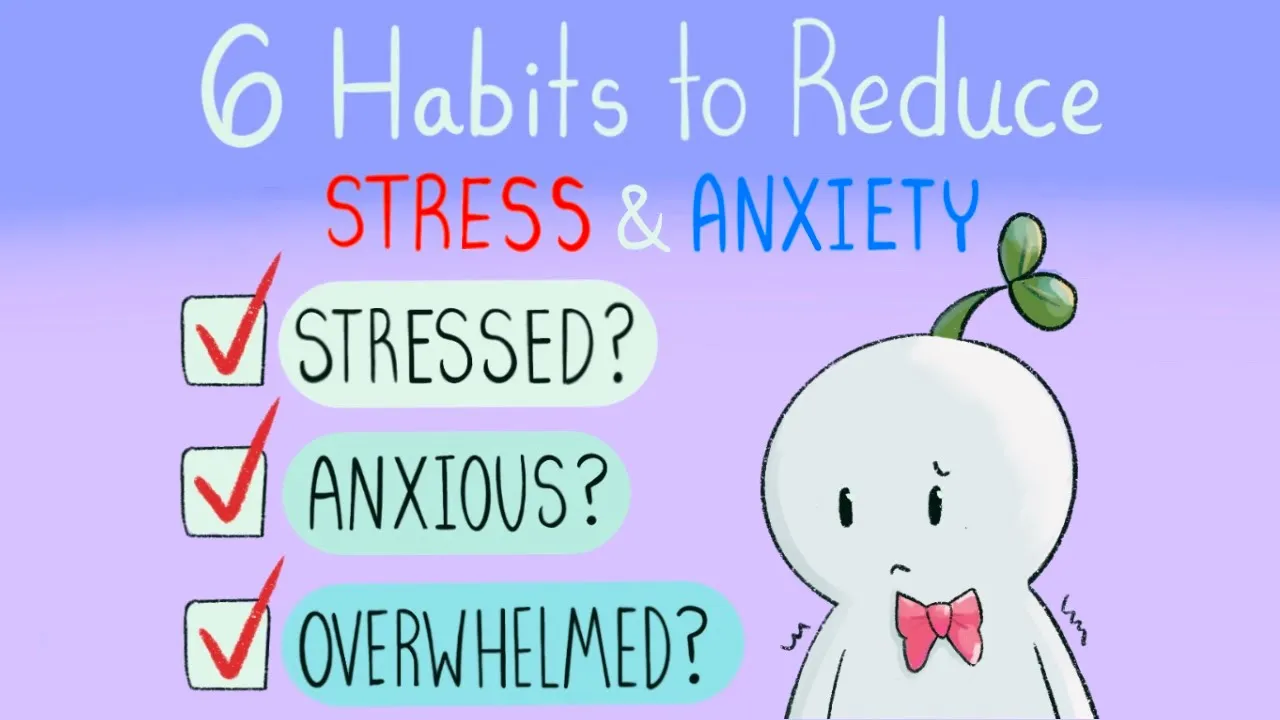
You may have felt overwhelmingly stressed that you wouldn’t turn in an assignment on time, or you may have felt an abrupt feeling of anxiety wash over you as you walked over to a class podium for a presentation. Or perhaps your stress and anxiety seem constant and unrelenting. It may be difficult to do seemingly simple tasks all because you’re too overwhelmed by your anxious thoughts and stressful to-do list.
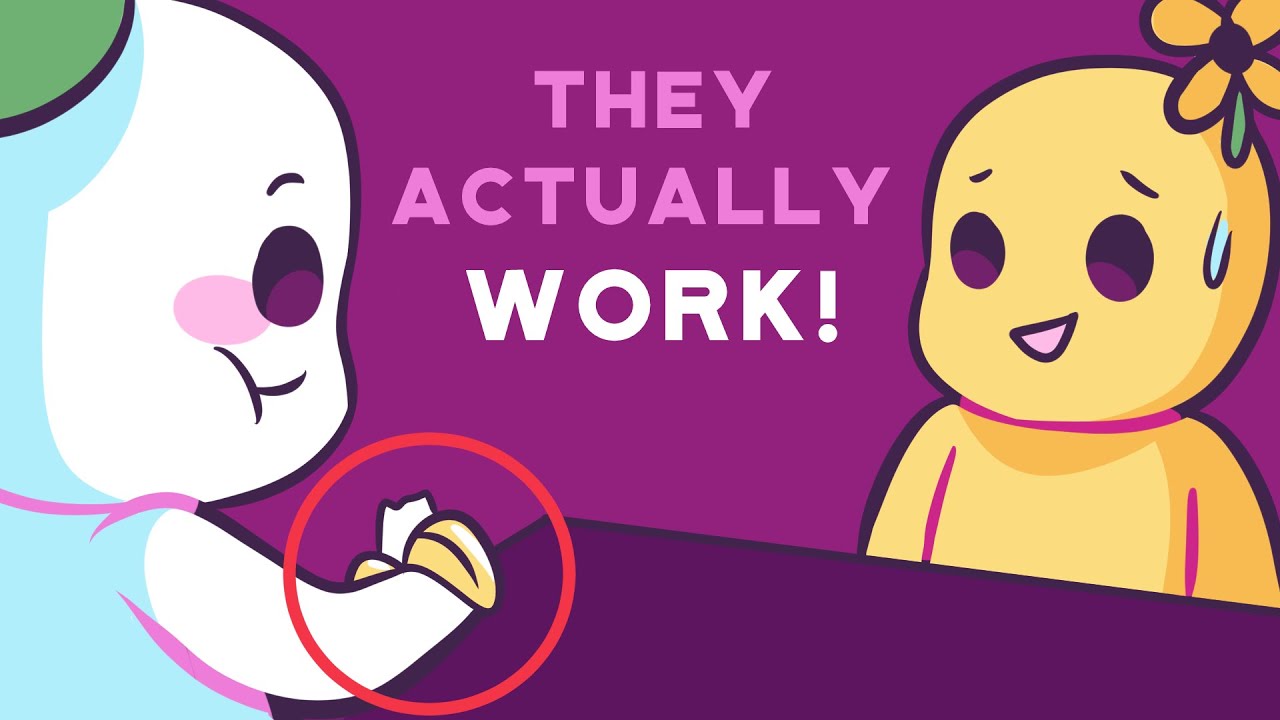
Well, to help relieve some of your stress and anxiety, here are some daily habits that can reduce stress and anxiety. ONE: Washing Dishes Washing dishes? Yep, you heard that right.
According to researchers at Florida State University, washing dishes can have a positive effect on your well-being. In an effort to test which daily activities relieve stress, researchers conducted a study with the help of fifty-one students as subjects. They found that those who ‘mindfully’ washed dishes, reported a decrease in nervousness by 27 percent and an increase in mental inspiration by 25 percent.
The control group, on the other hand, did not experience any of the positive effects of ‘mindful’ dishwashing. So how can you practice mindful dishwashing? You simply have to be aware of your sense while washing the tomato sauce off of your lasagna plate!
Focus on the smell - although it might not be great, try focusing on the smell of the soap. Also, focus on the warm water and the feel of the glasses in your hands. Grounding yourself in reality by focusing on your surroundings can help you relieve stress.
TWO: Cuddling, Hugging, & Holding Hands Ah, the relaxing feeling of a cozy cuddle or warm hug. Well, that loving feeling you get when you hug, kiss, or hold hands with someone is likely due to the increased flow of endorphins humans often get from a loving hug. According to several studies, the pleasing chemical endorphins increase from cuddles and hugs while the release of the stress chemical cortisol slows from hugs.
So next time you have a chance to hug someone you love? Go ahead, you’ll only feel happier and they will too! If you do not have anyone to cuddle with right now, a plushie would work too :) THREE: Make Good Posture a Habit Hhhhmmm, I bet you’re slouching right now, aren’t you?
No? Then you’ve made me proud little Psych2Goer, you’ve made me proud. Slouching?
Well, don’t worry, I’ll teach you the benefits of great posture my little slouchy grasshopper. We all are guilty of slouching at times, but there are some positive effects on maintaining correct posture. According to a study in the Journal of Behavior Therapy and Experimental Psychiatry, upright posture can have a positive effect and reduce fatigue.
The preliminary study’s conclusions suggested that: “adopting an upright posture may increase positive affect, reduce fatigue, and decrease self-focus in people with mild-to-moderate depression. ” So maybe you’re feeling a bit tired or inattentive? Try maintaining good posture for three minutes and see how you feel after.
Still feel tired? Maybe take a nap next. FOUR: View Stress as a Challenge When we are stressed or anxious we can often feel discouraged and well… feel even more stressed or anxious due to these feelings in the first place!
Think about it, if you continue to ruminate on a worrisome thought, your anxiety and stress will only grow. Instead, try viewing stress as a challenge. Psychologist Kelly McGonigal recommends in her book The Upside of Stress to reframe any stressful event or anxious circumstance as a challenge.
Preliminary research shows that those who adopt this mindset exhibit fewer stressful events and suffer less from negative health effects. Use this response to stress as an opportunity to grow as a person. View how you can react differently and what that will do to you and the situation.
How will you feel in the long run if you react this way? What if you view your stress as a long-lost friend who needs a break or some talking to in order to calm down? Well, if you talk to them, you may just hit it off and then you may not view stress as an enemy at all but as a friend who simply needs to be reasoned with.
FIVE: Meditate I’m sure you’ve heard before about the benefits of meditation. But if you know your day is bound to be busy and stressful, put aside five or ten minutes each morning to ease into it with some mindful meditation. It will likely be difficult to jump into a full hour’s worth of meditation so take it in baby steps.
Start with five minutes each morning. Once you’ve mastered that? Add an additional five each week until you feel comfortable.
Neuroscientist Gaëlle Desbordes demonstrated through fMRI research that changes in brain activity in subjects who had learned to meditate were unchanged even when they were not meditating. Desbordes recorded brain activity and took scans of subjects’ brains while they meditated and after, while they completed everyday tasks. The scans still showed the changes in the brain activation patterns, continuing to the end of the study.
This was the first time this sort of change had been discovered in the part of the brain known as the amygdala. SIX: Go to Bed. .
. On Time! Do you go to bed on time?
What time are you watching this video? Sigh. If it’s past your bedtime, go to bed after this tip.
If it’s not past your bedtime? I am once again proud. It is vital to our mental health that we get enough sleep.
Sleep deprivation can impact our anxiety for the worse. According to research, not getting enough rest can increase the brain’s anticipatory reactions, intensifying your anxiety and stress levels. So check the clock.
Is it past your bedtime? It’s time you make going to bed on time, a daily habit. .
. . Or, a nightly one.
So, will you practice these habits? Which will you try first? And which habits help you to relieve stress and anxiety?
Let us know in the comments. You’re not alone in your anxiety and stress. Psych2Go - and the many Psych2Goers - are here to listen.
If you found this video helpful, don’t forget to click the like button and share this video with someone who might need it. Subscribe to Psych2Go and hit the notification bell icon for more content like this! As always, thanks for watching.