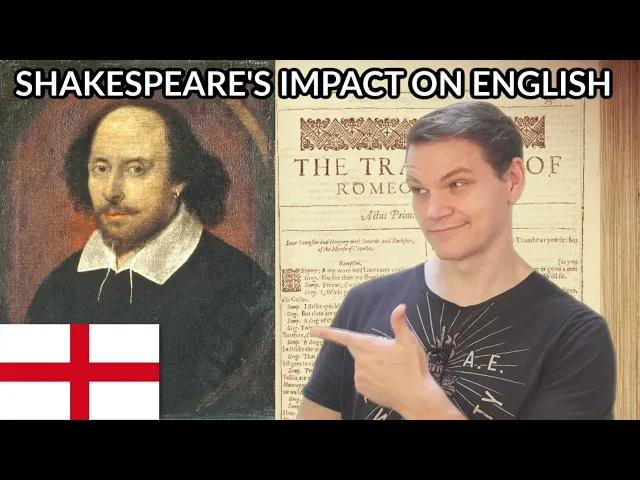
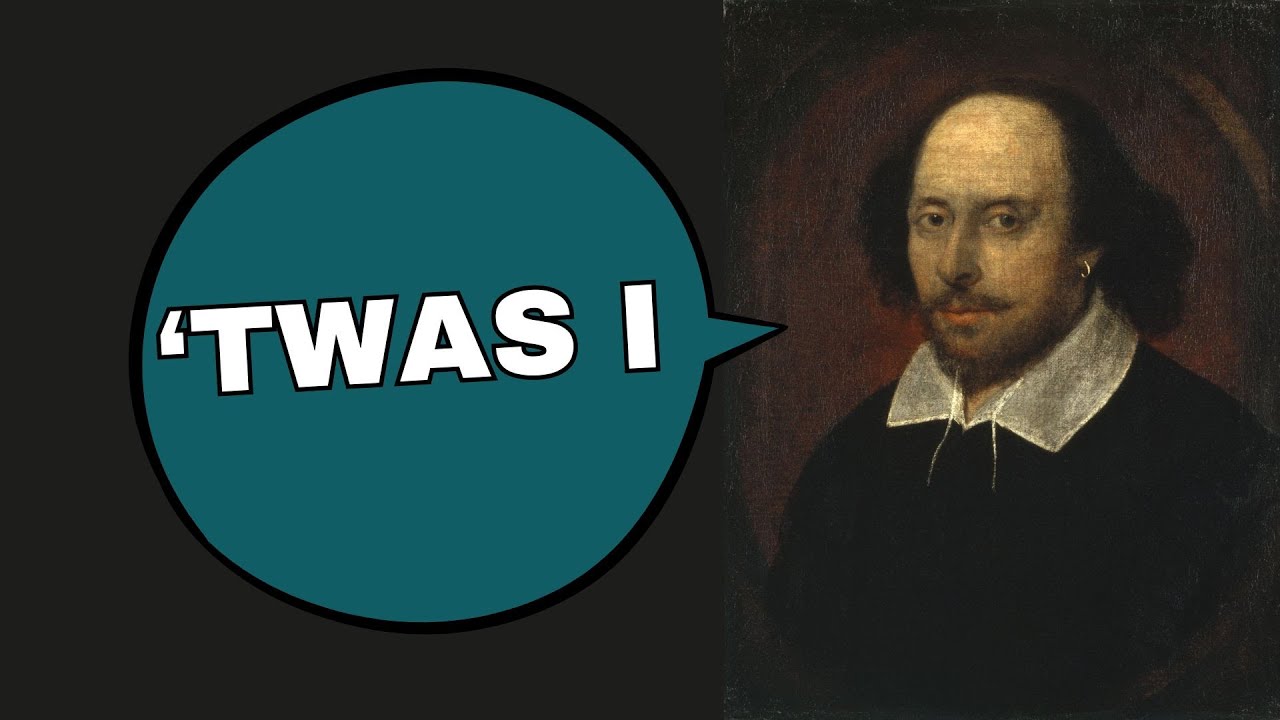
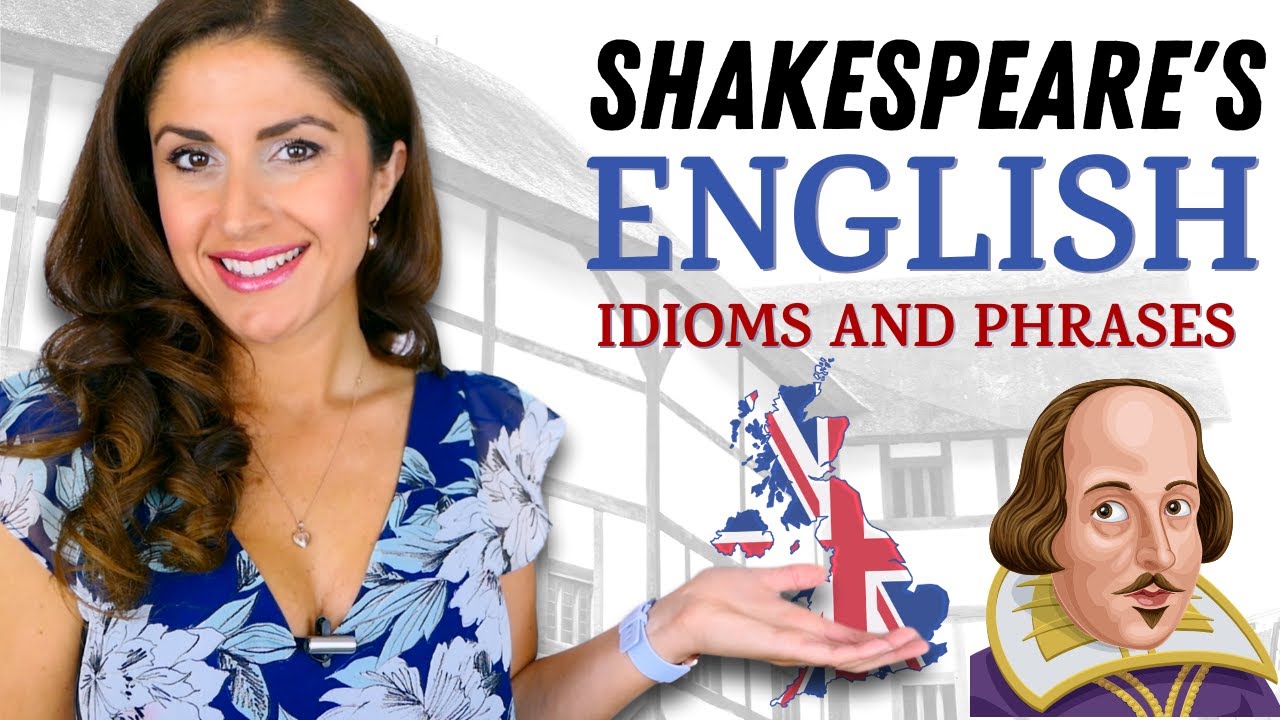
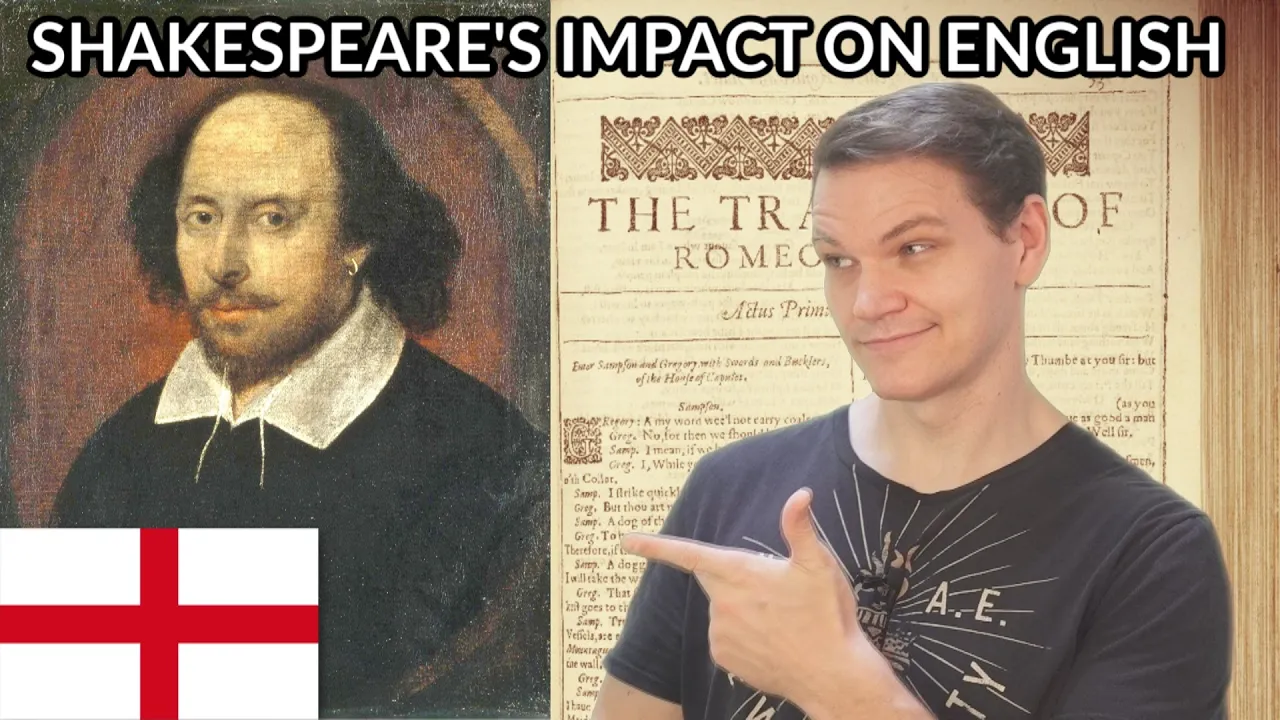
hello everyone welcome to the Laing focused Channel and my name is Paul students all over the english-speaking world studies Shakespeare at school and lots of them hate it maybe because what they're reading feels a little bit like a different language and they can't understand it very well the reason the plays and poems of William Shakespeare aren't immediately easy to understand is that they were written in early modern English between the years 1590 and 1613 Shakespeare wrote at least 38 plays and over a hundred and fifty poems both short and long some of these are legendary
classics like Hamlet Macbeth and Romeo and Juliet the works of William Shakespeare made a tremendous impact on Western culture and more importantly for us here today on the English language of course there are famous lines from Shakespeare's plays like to be or not to be that is the question but that's not what I'm talking about I'm talking about an extensive impact on the actual vocabulary of English including many words that we use every day and many idiomatic expressions that are frequently used it has commonly been said that Shakespeare created 1,700 words that are commonly used
in modern English we have to be careful with that number and the word created though there are many words whose first appearance in writing is in the works of William Shakespeare but many of these words may have been in colloquial use at the time while Shakespeare was just the first to use them in writing and some of these 1700 words actually appeared an earlier but less known literature it might be better to say that Shakespeare popularized these words and helped ensure their presence in modern English as it developed it's hard to know exactly which words
he created himself and which ones he didn't let's start with idioms because we have a better idea of which one's originated with Shakespeare too much of a good thing this idiom first appeared in the play as you like it you might be a little surprised by what thing refers to in the original context of the play it's uh I guess you could say its meaning is somewhat adult the be-all and end-all meaning the most impressive or important in its category this idiom first appeared in the play Macbeth Shakespeare used it with a somewhat different meaning
all that is needed to end all his problems Macbeth is considering a SAS King Duncan but wonders about the additional problems it will cause come full circle this first appeared in King Lear to come full circle means that your actions have gone through a series of stages but you arrive back at your starting point in some way to have the makings of this is an idiom which means to have the potential to become this idiom comes from Henry the eighth she had all the royal makings of a queen the original meaning was a little different
though it meant that she possessed things that gave her the appearance of a queen not that she had the potential to become a queen some idioms and vocabulary introduced by Shakespeare have evolved in meanings since then a foregone conclusion a term referring to a highly predictable outcome this is first found in the play Othello nay this was but his dream but this denoted a foregone conclusion in other words what happened in the dream most certainly happened in real life and again what happened in the dream was something illicit of an adult nature neither rhyme nor
reason this is an idiom meaning that something is completely lacking in logic and order it first appeared in writing in the comedy of errors but it's a translation of a similar phrase in French Selim knew hazel literally without rhyme or reason in modern-day English this idiom exists in a few variations like without rhyme or reason or no rhyme or reason for example there's no rhyme or reason for his behavior or he managed the office without rhyme or reason one fell swoop this is an idiom referring to an action completed rapidly and all at once it
first appeared in Macbeth all my pretty ones did you say all oh hell kite all what all my pretty chickens and their dam at one fell swoop Macduff is talking about the murder of his family ordered by Macbeth and uses the metaphor of a dangerous bird swooping down to attack the word fell is used here with its archaic meaning of deadly as luck would have it this is an idiom indicating that something happened due to luck for example I forgot my wallet at home but as luck would have it there was a $20 bill in
my pocket this first appeared in The Merry Wives of Windsor you shall hear as good luck would have it comes in one mistress page there are many more idioms like these some of which are mainly used in literary contexts and some of which are commonly used in everyday language and there are some which are still attributed to Shakespeare even though earlier appearances of the idiom are now known such as it's Greek to me more common these days in its variant form it's all Greek to me meaning you can't understand something at all vocabulary the vocabulary
introduced by William Shakespeare into English developed in a few different ways some words were created by combining two existing words the adverb upstairs is a combination of up and stairs similarly downstairs is a combination of down plus stairs birthplace eyeball watchdog Shakespeare introduced a number of compound adjectives consisting of an adjective and a past participle cold-hearted cold-blooded well behaved well bred well educated well-read ill-tempered some words became used in different word classes after English lost much of its inflection in the Middle English period it became easy for words from one class such as noun adjective
or verb to be used in another class some verbs became used as nouns for example the word bump it first appeared as a noun in the works of William Shakespeare but it existed as a verb before that similarly control when used as a noun and hint when used as a noun go between a noun referring to a middleman or liaison this comes from the verbal phrase go-between and some nouns became used as verbs to torture this first existed as a noun but Shakespeare used it as a verb to cater this is a verb meaning to
supply food this came from the middle english noun Couture meaning buyer of provisions many new words were created through adding affixes to existing words successful this adjective was formed from the noun success by adding the suffix full similarly useful is an adjective that came from the noun use plus the suffix full something is full of use amazement the noun was formed from the verb amazed with the addition of the suffix mint mint creates a noun referring to an action or the state resulting from that action countless this adjective comes from the noun Celt plus the
suffix less the suffix less indicates the absence of something so if something's priceless it's too valuable for you to buy there's no price employer this is an agent noun a noun for the doer of an action which was created by adding the suffix ER to the verb employ and related to that is employment for this noun the suffix ment was added to the verb the state that results from the action employ fashionable this adjective was created from the verb fashion plus the suffix a bull so it means able to be fashioned in other words able
to be given good style majestic Shakespeare created the adjective from the noun majesty plus the adjective suffix kick to misquote the prefix miss simply adds the meaning of mistaken or wrong some words were even created by removing affixes to impede this verb was created by removing the noun forming suffix meant from impediment to negotiate this verb was formed by removing the noun forming suffix tion tion from negotiation some existing words were given a new sense cheap this word had already existed with the meaning of low price but Shakespeare used it with the sense of low
quality or vulgar flowery this word had already existed as an adjective related to flowers but William Shakespeare used it with the new sense of richly embellished speech for example using lots of fancy adjectives some words were adopted from French and Latin retirement this word was taken from middle French Guatemala originally meaning act of retreating and act of withdrawing into seclusion Shakespeare didn't use it with its most common modern-day meaning of coming to the end of your working life the word generous was taken from French janila but it originally had a different sense from now meaning
gentle noble or fair some words are completely original whether they originated in colloquial speech or Shakespeare created them to puke a colloquial word for vomit to bet this word first appeared in the slang of street criminals but in writing it was first found in the works of Shakespeare certain common collocations were first found in the works of Shakespeare for example on purpose the something in question the thing we are focusing on for example the document in question something you might hear in a formal legal or business context it's quite amazing that one man who wrote
a collection of plays and poetry not only inspired our literary tradition but also had such a huge impact on the words we use every day without even realizing it English is now the de facto international language and people all around the world including people who learn English as a second language or foreign language use words and idioms either created by William Shakespeare or catapulted into the mainstream of modern English through his works and it's impressive on another level as well it's a powerful reminder that by doing things we're passionate about we can potentially have a
long-lasting impact on the world around us the question of the day which of the words and idioms in the video do you use regularly did you know that they originated in the works of William Shakespeare leave your answers in the comments down below a big shout-out goes out to all of my patreon supporters including these ones right here on the screen they are my top two you're patreon supporters and that's why they appear in the video and to everyone thank you for watching and have a nice day visit liang focus calm to gain free access
to an exclusive video series on how to hugely increase your vocabulary in any language simply sign up for the lang focus newsletter and you'll receive the free video course direct to your email