my name is Max Feinstein and I'm an anesthesiologist filming here in New York City at Mount Sinai Hospital I spend a lot of time providing anesthesia for patients undergoing robot assisted surgery but what exactly is the surgeon's experience with robot assisted surgery in today's video I'm actually getting into the operating room with one of the chiefs of colorectal surgery at Mount Sinai Hospital Dr songhyung Alex Kim thank you very much for letting me get into the operating room with you and for sitting down to talk with me thank you for inviting and I'm very excited
to be talking with you about robotic surgery today ordinarily when you and I are communicating with each other there's a drape that's up in between us so I thought for our interview it might feel a little more natural if we just put this drape up like this so is that this is great is that a little better so this is the blood brain barrier exactly yes so let's start with the basics what is robot assisted surgery we're not using Nanobots we're not having a little robot that we put inside the belly to do the surgery
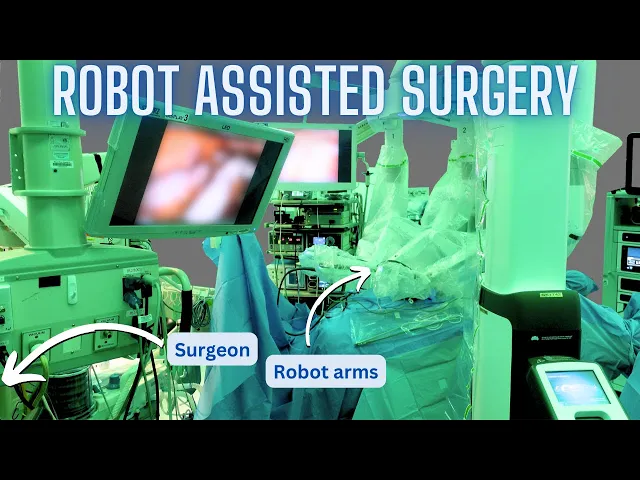
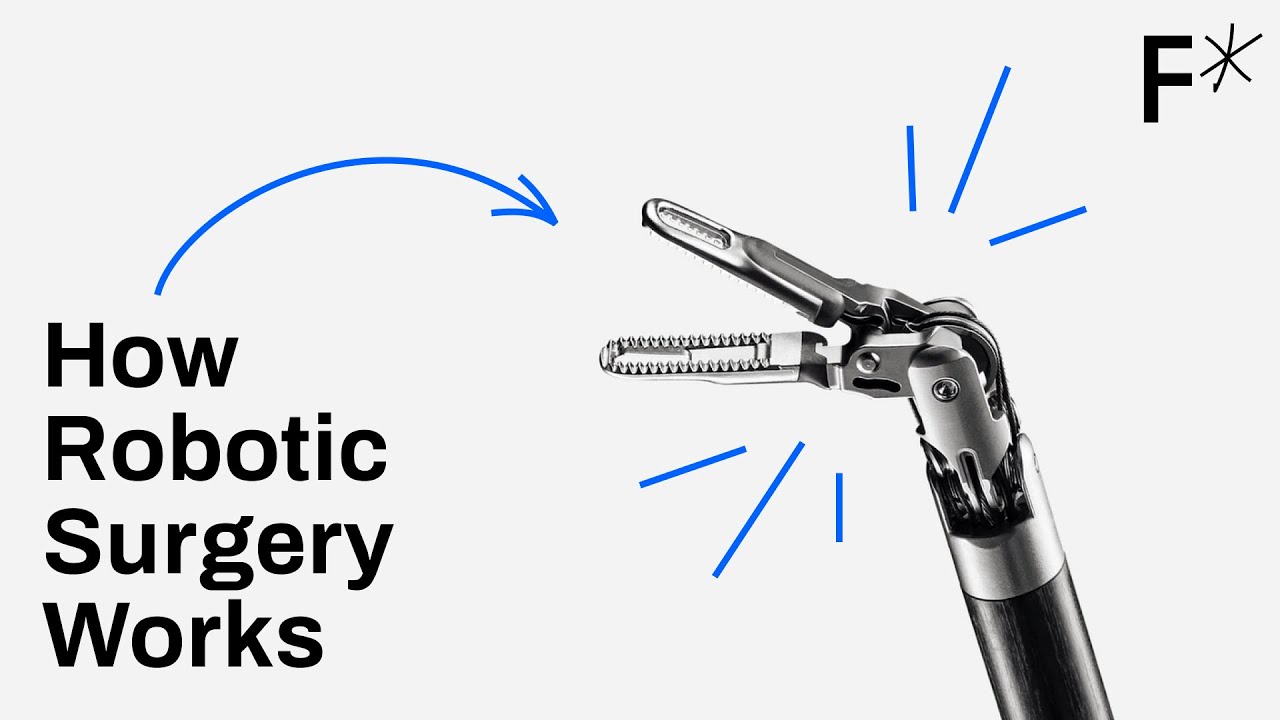
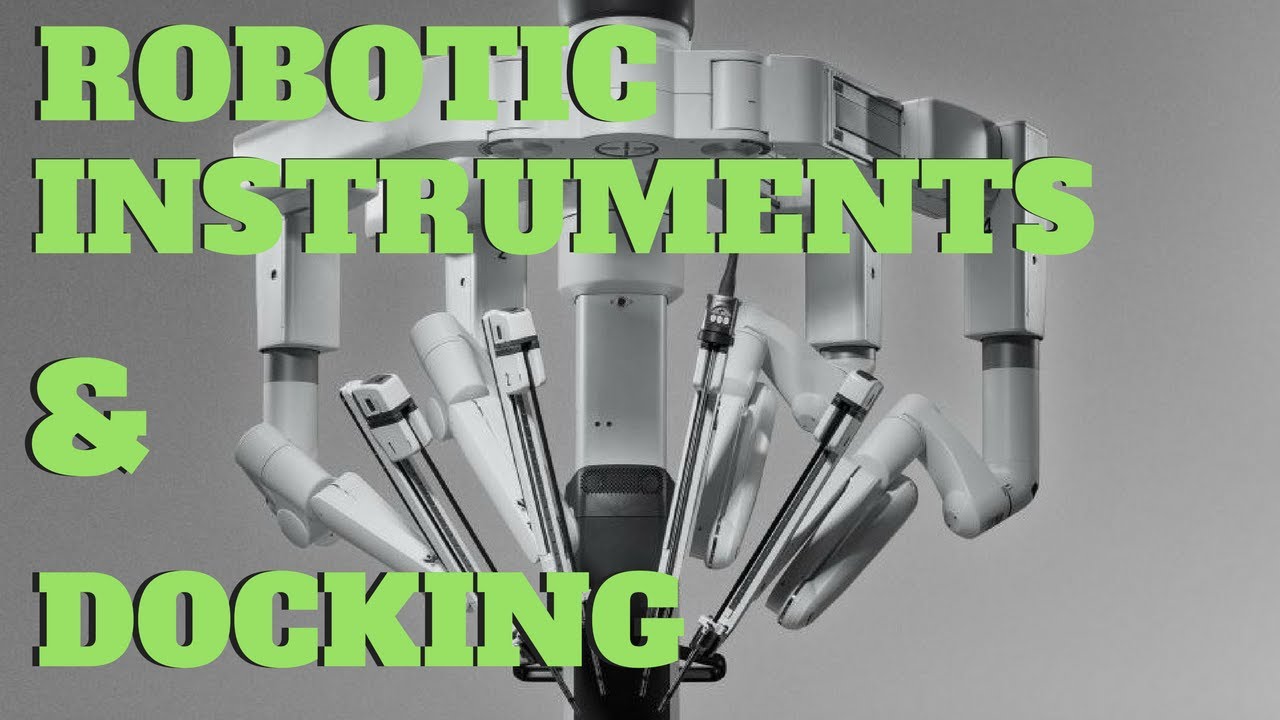
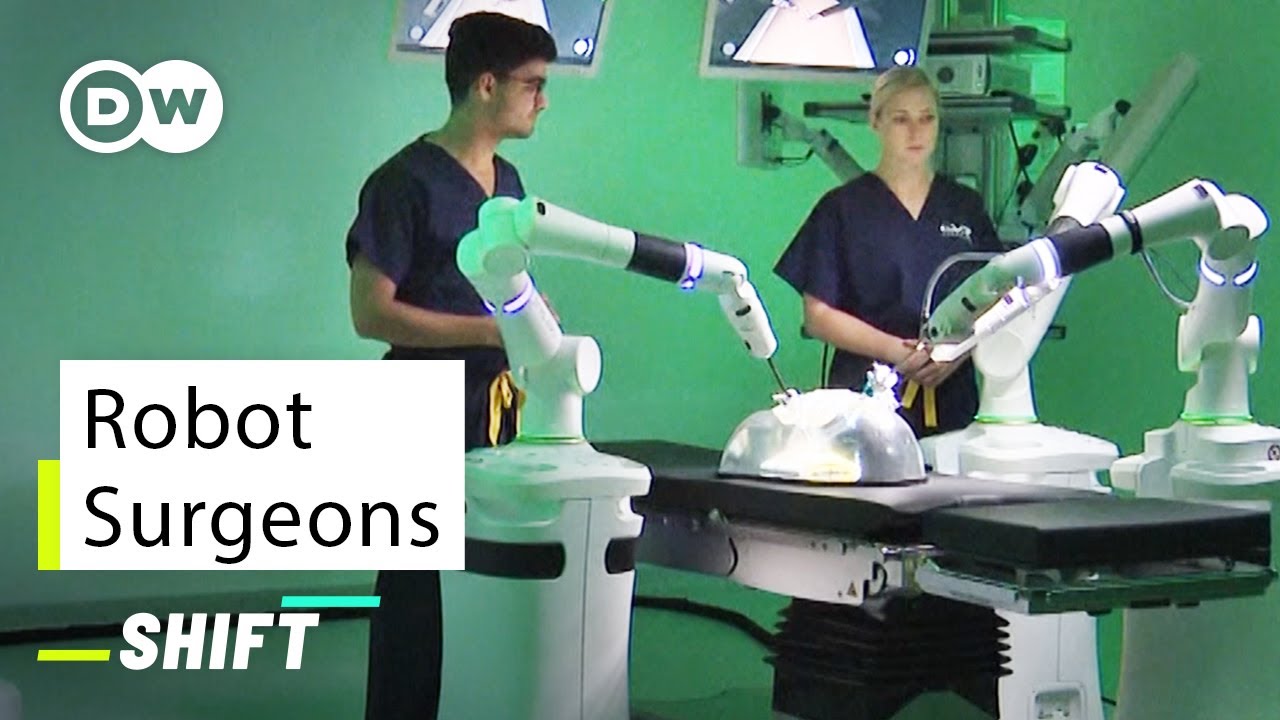
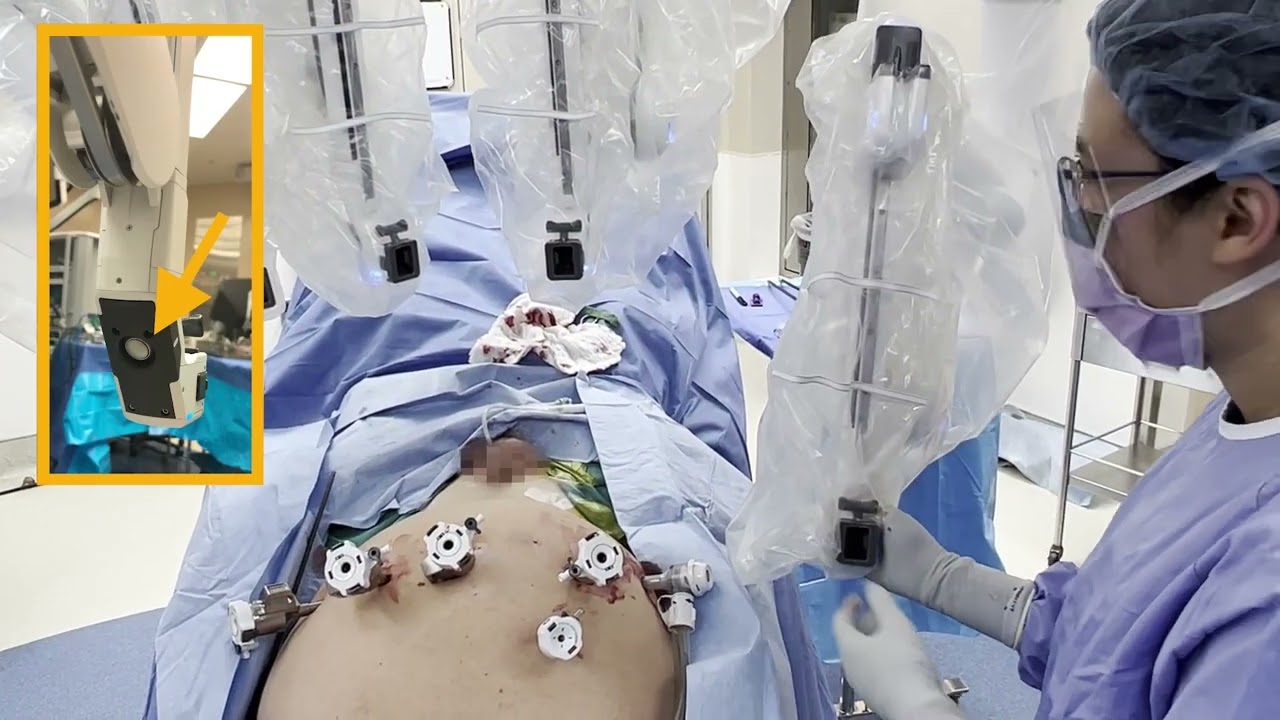
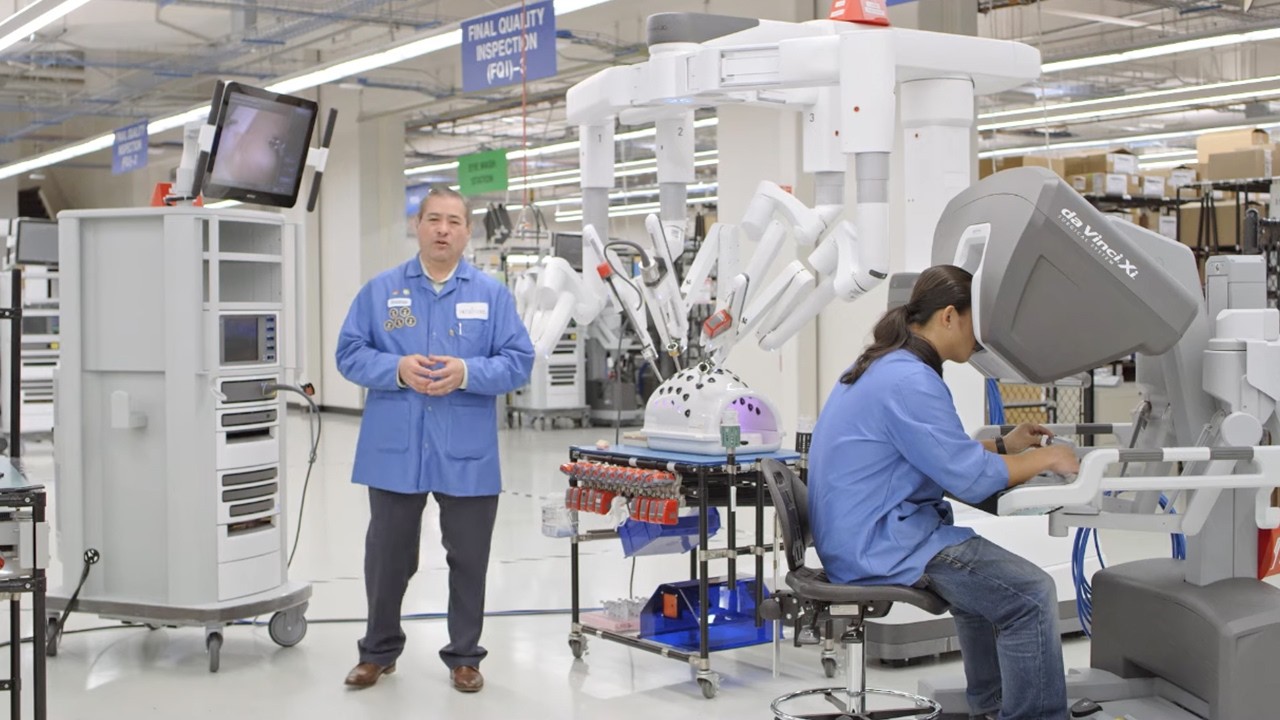
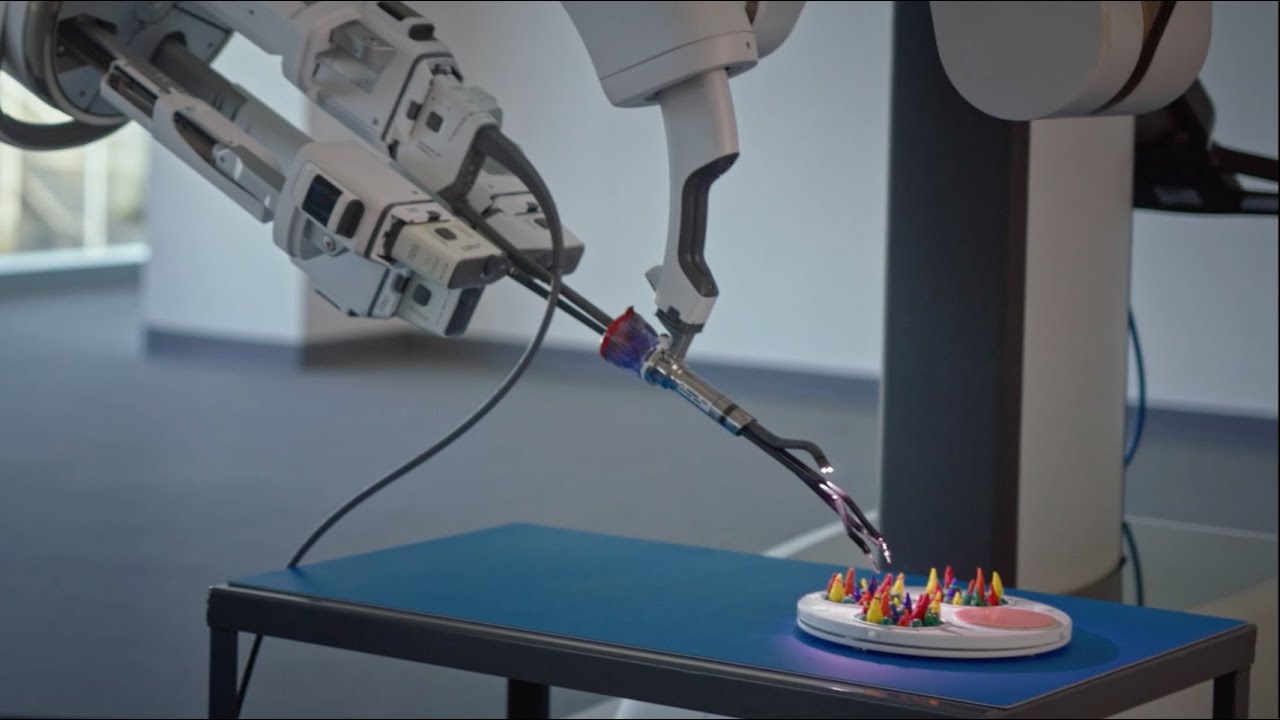
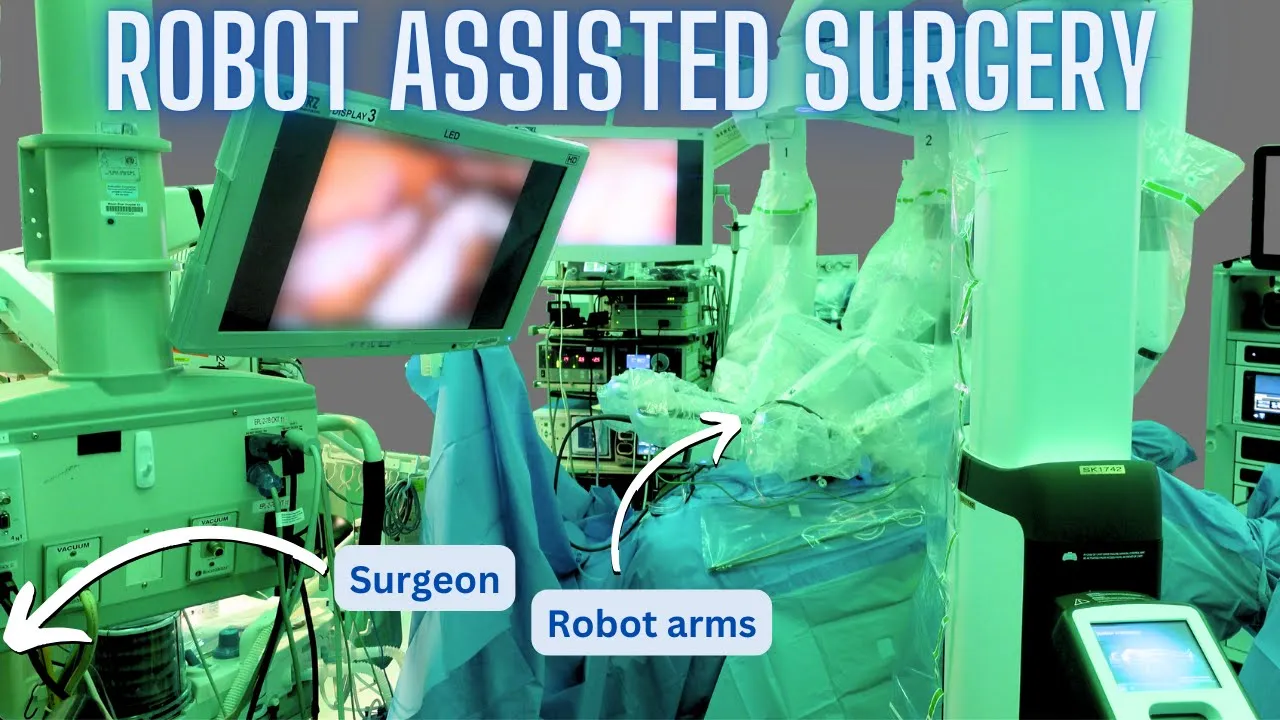
it's basically almost same as laparoscopic surgery in which we put a bunch of little straws in the abdominal wall and through which we put robotic arms and a huge Advantage robot is that we have amazing view and the surgeons are actually sitting a few feet away from the patient in a console where we're immersing ourselves into a device that gives us the view and we remotely control the arms that are inside the patient's abdomen so very similar to laparoscopic surgery but better instrumentation with better devices how exactly do you control the robot at this console
the robot console that we're sitting in has finger control that also gives us a risk control of the robot instruments and we'll use our foot to control different exchange instruments change cameras control cameras and all the movements that we do in a console gets trans related into the motion at the robot arm portion which is on the patient's bedside and the arms you can swap out to have basically whatever sort of device you want is that right yes that's correct it's the very similar looking instruments that we do when we do laparoscopic surgery so myself
too I've been a laparoscopic surgeon for about 15 years and last four or five years I've converted completely to robotic assistive surgery so now I use only robot to do abdominal surgeries what are some of the advantages of robot assisted surgery it's all about chair because once surgeons are sitting down in a very comfortable game chair our body is comfortable and we have amazing view um but Dr Kim I hate to break it yes but there's an adjacent specialty that has the luxury of chairs all day long yes I realize that it's not too late
that's one thing I've been always jealous of in the or your chair but now I get to have my own chair too but Jokes Aside robotic surgery does give much better visualization and it's also 3D so it's almost like having our head inside the patient's abdomen and looking at things three-dimensional view not looking at a monitor as we do the surgery in a case of laparoscopic surgery and instrumentations also have again the jointed wrist and arms so it's not a straight stick that we're using to do the surgery but it's actually more like an arm
and that's that's much more fluid in the abdomen which gives us much more precise control better operation and therefore quicker and better recovery what are some of the challenges of Performing robot assisted surgery it takes some time and some number of cases to get really good at it so one has to be a good laparoscopic surgeon before becoming a robotic surgeon and also this year I think I'm going to be hitting my 500 case in robotic surgery but it takes at least 30 50 cases to to get used to the robot so on top of
being trained how to do a proper surgery in the abdomen you have to also learn how to use the robot and learn the instrumentation so it's an added training that you have to go through so that's challenging but once you go through the learning curve I think advantage of the robot is is tremendous one of the conversations that's coming up now in basically every specialty in medicine is the role that artificial intelligence may play can you speak to the role that AI may play in robot assisted surgery AI in robotic surgery is going to be
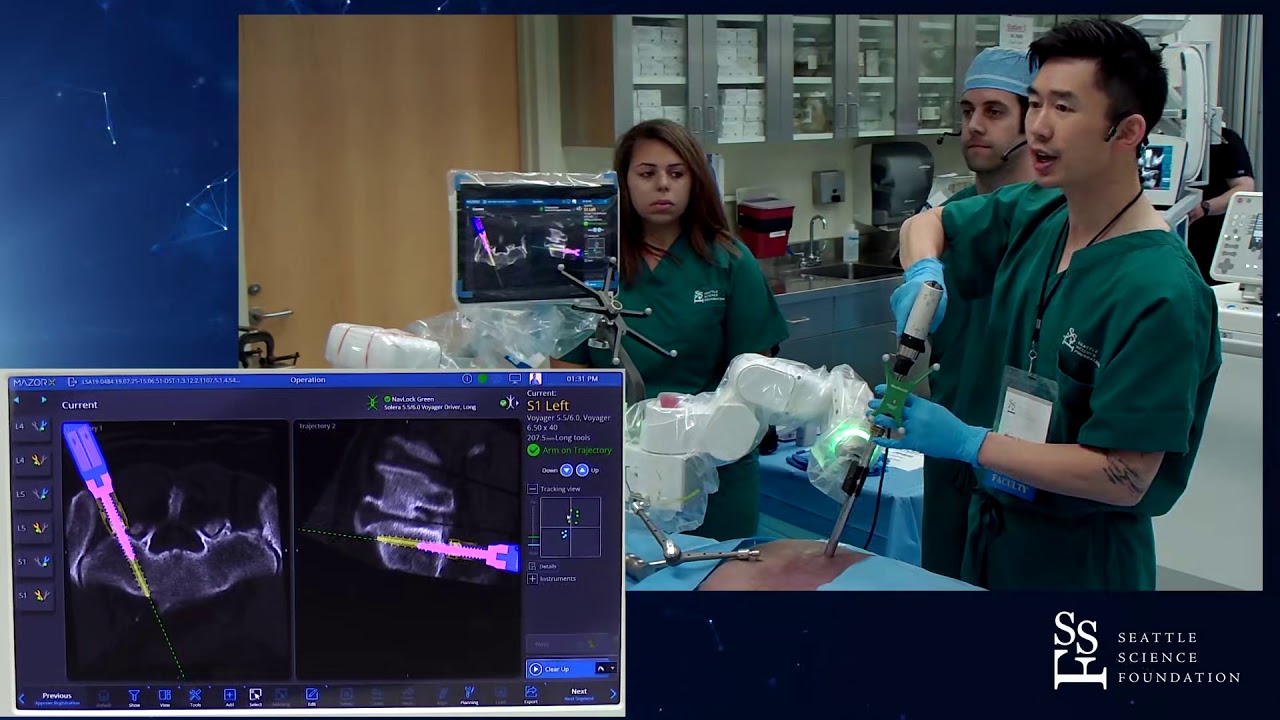
a huge thing that's the next step just like when you drive automated car it kind of tells you the car in the front the lanes inside you have to be careful of so the AI for robotic surgery can be sort of a guide but very soon I'm sure it'll be pointing out where the cancer is which area we should avoid and be careful of before robot doing the surgery for us I think AI can be used to make the surgery more safe what would you say are the most rewarding aspects of your career as a
colorectal surgeon when a patient comes in with disease in their colon cancer in their colon sometimes the whole family comes up and they're very stressed obviously and you sit down with them go over how this happened and how we're going to fix it what are the steps and how I would use my robotic instruments and do the surgery for you and what the recovery period would be like and actually having the patient go through these steps you know one by one sometimes it's much easier than patient anticipates sometimes a little harder than that but in
the end we can get patients and their family to where they used to be before this tough situation started and when they come back uh post-operative visit you could see how they transform from anxious and and stressed out family with problem to someone who went back to their normal lives again and I think having to see our patients go back to what they used to be with the family to the family I think uh is probably the most rewarding thing that I see and on the flip side what would you describe as the most challenging
aspect of what you do so it's a it's a very same disease process that I'm speaking of colon malignancy in last 20 years of you know being a colorectal surgeon we've seen a much more younger patients coming in with more advanced diseases of colon cancers mostly it's already hard enough for someone who's old and elderly to have colon cancers but when we find these diseases in much younger patient population it's so much harder on the patients obviously and also surgeons taking care of patients with this ailment it's just it's a bit of a heavy heavy
on the heart if you had to go back and pick a different career you couldn't be a colorectal surgeon what do you pick so I have to say anesthesiology yes yes um I'll give you uh just send me your venmo information we had we had we talked about chairs already so chairs are one thing but the most amazing thing happens to me in the operating theater and to be in other specialty where I cannot come into the operating room where a huge changes in human body happens um that that I couldn't do so I had
to stay me in the operating room what's your favorite medical related TV show yes um I had to binge this show recently but it's called the hospital playlist it's actually a Korean drama it's about bunch of surgeons in different Specialties working together in the hospital it kind of it is exciting and sort of reflects on what I do and I thought it was very uh interesting and fun especially for surgeons and for anesthesiologists in the hospital I recommend highly for you to watch it how do you feel about Gray's Anatomy I don't know I didn't
enjoy the drama portion of the the show I thought it was a little too much I think in the very beginning they were focused a little bit more on the procedures and science behind it but later on I thought it became a little bit more of a drama did you see uh what what they show of the anesthesiologist in Gray's Anatomy uh no me either that's my view I see yeah I thank you greatly for your time and willingness to sit in front of the camera this has been very informative and I was very welcome
and this this was fun thank you thank you [Music]