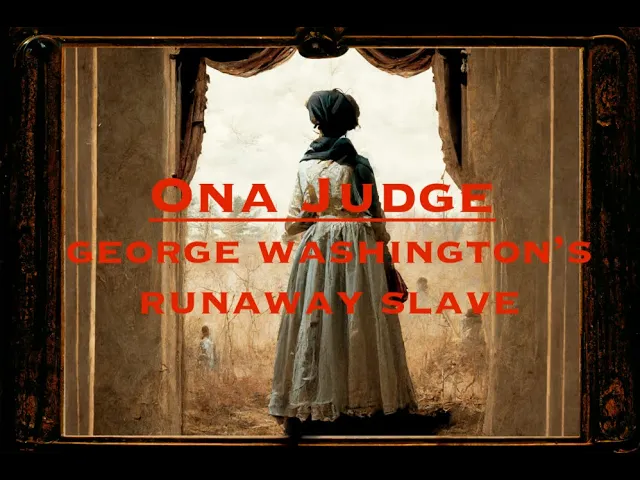
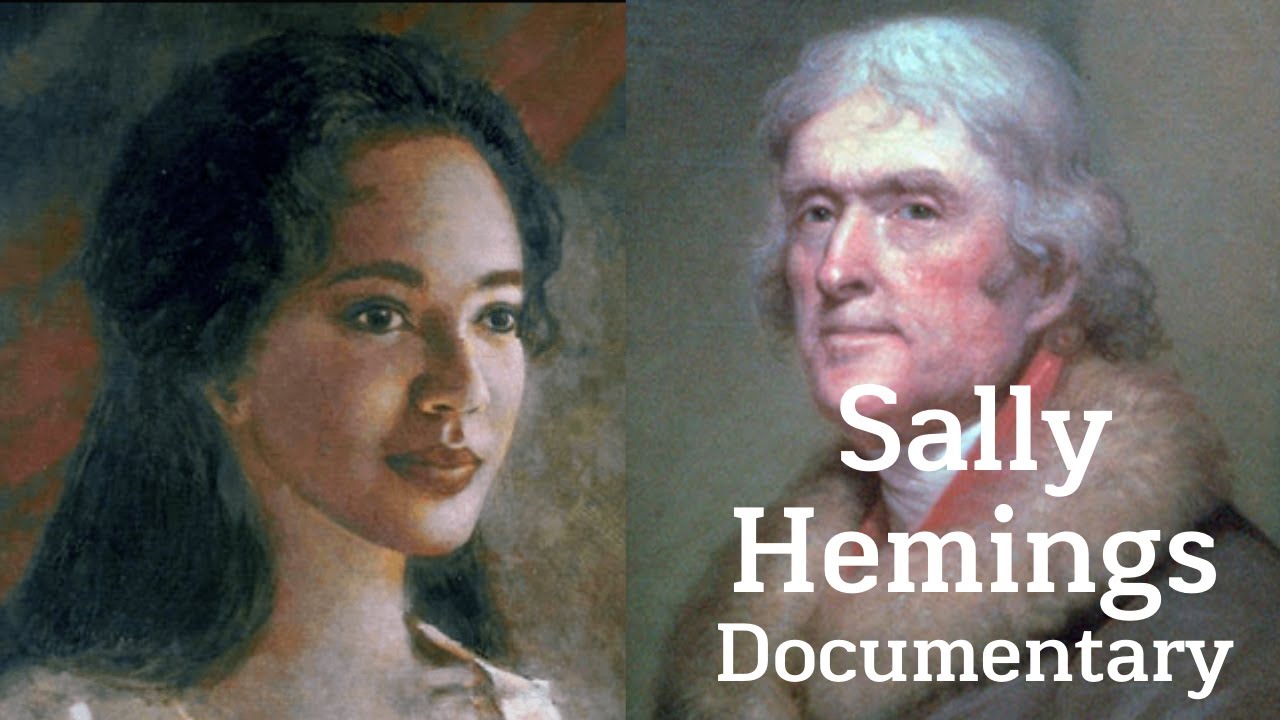
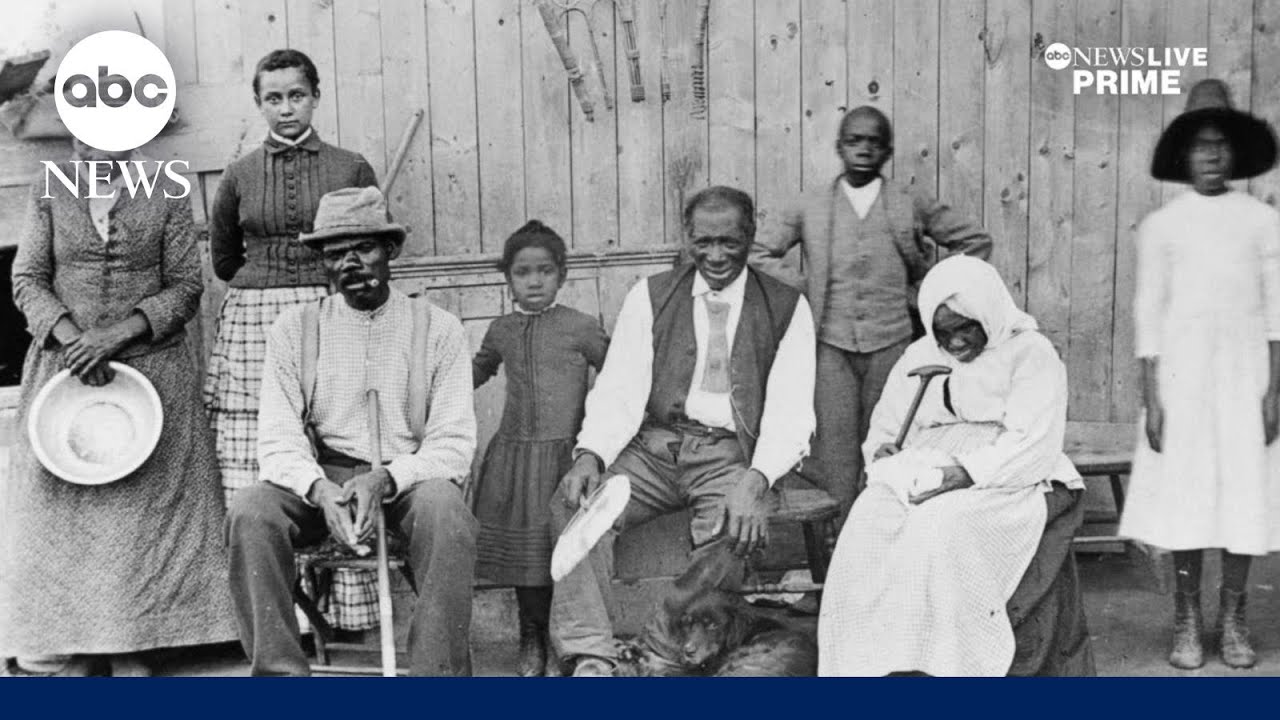
You're on the wiki [Music] van own a judges store Story begins sometime in 1773 even Ona didn't know exactly when she was born but we do know she was born on a plantation in Northern Virginia called Mount Vernon Mount Vernon was home to arguably the most famous and respected couple of their time George and Martha Washington Ona's mother was One of over 200 slaves living at Mount Vernon her name was Betty just Betty Ona's mother had no surname she was listed on inventory roles at Mount Vernon as molat Betty Betty's mother was a slave and
her father whose identity is not known was white being biracial was generally advantageous for slaves at this time and Betty was no exception rather than toiling in the fields every day like most slaves Betty worked as a servant and seamstress inside the Washington's home Betty's position inside the home afforded her better living conditions and it also meant that she had more routine interactions with whatever white men lived or worked on the plantation just such an interaction once occurred when Betty encountered a white indentured servant who also worked for the Washingtons named Andrew judge indentured servants
were usually poor white men who contracted their labor for A period of years in exchange for lodging and some form of payment often an arrangement for personal debts to be paid unlike slaves when the indenture expired they were free to leave and try to earn money for themselves Andrew judge was a tailor and George Washington purchased his four-year indenture in 1772 shortly after Andrew judge arrived he and bet came to know one another their relationship could have been based on adoration or it could have been Compelled by judge either was feasible under their circumstances whatever
the case Andrew and Betty produced a child together that child was Ona judge shortly after Ona's birth Andrew's contract expired and he left Mount Vernon Ona judge never knew her father after leaving Mount Vernon Andrew judge found success he earned enough money to buy his own land and buy his own house although neither Betty nor his daughter Ona ever saw him again Betty nonetheless Purposely kept the surname judge for her daughter an English surname could be beneficial as an outward expression of English ancestry in fact even though Betty did not retain her father's surname she
most likely had both a white father and a white grandfather and that meant on a judge had more English ancestry than African although under Virginia law any child whose mother was a slave was likewise a slave no matter how many white fathers were in her Family tree nonetheless Ona's ancestry and fair skin did at least help diminish the odds that she would be assigned laborious fieldwork when she came of age and so it happened when she was about 12 years old that's when the Washingtons called their young slave girl own a judge to begin training
as a seamstress and domestic maid servant just like her [Music] mother Ona's mother Betty wasn't born at Mount Vernon Betty was born and raised on another Virginia Plantation owned by one of of the richest men in the country named Daniel custus the custus plantation was called the White House when Daniel custus was 39 years old in 1750 he married a 19-year-old woman named Martha Betty was still a teenager when she began working as a domestic servant for Daniel and Martha custus at the custus White House Plantation incidentally it was Martha much later in Consideration of
her memories at the custus plantation who suggested that the president's house in the United States capital city should be referred to as the White House of course Martha wouldn't have been in a position to offer such a lasting suggestion if fate hadn't precluded the cesses from growing old together on their Plantation the couple's marriage ended when Daniel died suddenly in 1757 in their short 7 year marriage the couple had four children although two died in infancy after Daniel's death his large estate including over 100 slaves was equally divided among Martha and their two surviving children
of course Martha's children were much too young to actually take possession of their portions of the estate so Martha maintained custodial control of the entire estate until her children reached Majority 2 years later the now 28-year-old Widow Martha remarried this time to a 27-year-old respected military officer named George Washington George and Martha Washington never had any children of their own but as stepfather George became a legal guardian to both of Martha's infant children and raised them as if they were his own also their marriage meant that George Washington now had custodial control of the custus
estate including Its many slaves the slaves attached to the estate were called dower slaves thus Martha her two children and over 150 Dow slaves moved from the White House Plantation to George Washington's Mount Vernon Plantation immediately following the wedding at Mount Vernon the Dow slaves worked alongside the slave Washington already owned the only major difference between them was that George Washington did not have the legal authority to sell or move the da slaves And for many of them neither did Martha Ona judge's mother Betty was one of these Dow slaves she moved to Mount Vernon
in 1759 years before Ona was born but even though Ona was born on Washington's Mount Vernon Plantation as the daughter of a DA slave she too was a DA slave Ona judge was legally owned by the custus estate for most of Ona's childhood George Washington was away from home gone for nearly eight full years Commanding the Continental Army during the Revolutionary War he arrived home for good near the end of 1783 and he had triumphed in war more than many people expected him to and he returned as a hero of the nation although sadly by
then Martha's remaining two children had also died but not before providing the Washingtons with several young grandchilden two of which lived with and were raised by George and Martha Washington thus the Washingtons retained control of a large portion of the custus estate now in wait for Martha's young grandchildren to come of age this meant that both Betty and Ona would remain at Mount Vernon for the foreseeable future and having impressively completed her training Ona was now assigned to be Martha's personal seamstress and chambermaid a remarkable position for such a young girl upon his return home
George Washington wanted nothing more than to Retire from public life and manage his farm but as it turned out his servant to his country did not end with the war on April 14th 1789 a letter arrived for him at Mount Vernon it was from New Hampshire Senator John langden who was at that time president prot tempor of the United States Senate this letter would drastically change the lives of George and Martha Washington and for that matter the lives of everyone at Mount Vernon and maybe None more so than Ona judge who was still just 16
years old when that letter [Music] arrived New Hampshire Senator John langon wrote to inform Washington that he'd been unanimously elected to be the first president of the United States of America Langan was a political Ally of Washington During the Revolution and essentially for the entirety of his presidency surely it was an honor for langon to inform Washington of his Election to the office the Washington and Langan families although from different regions of the country were known to be friends and they even lodged at each other's houses on occasion when traveling for Washington however this letter
was not well received he questioned both his desire and his ability to be the nation's first president but his sense of Duty to the United States primarily influenced his ultimate decision he accepted the Position to which he'd been elected the nation's capital at that time was New York City there wasn't yet a district of Colombia or a residence designated to be the president's house in fact George Washington is the only US president who never served in Washington DC and never lived in the White House the Washingtons had to spontaneously plan and pay for the move
to New York themselves Washington actually had to borrow money to cover the costs of the Over 200 slaves living at Mount Vernon the Washingtons chose seven that would come with them to New York and work as domestic servants 16-year-old Ona judge was one of the seven George Washington departed Mount Vernon on April 16th 1789 he wrote in his diary that day that he B Adu to Mount Vernon to private life and to domestic Felicity his wife and the rest of their Entourage followed shortly after for Ona judge any desire or lack thereof to move to
New York was irrelevant if she did have feelings one way or the other history has no record of of them Ona's life would be directed for her she would be the personal chambermaid to the nation's first first lady and that was a really important job she was responsible for cleaning and mending Martha's dresses even long before JFK's 1960 National Television Debate debut the national political scene depended significantly on appearance the Young Ona judge had never experienced life outside of Mount Vernon surely New York City would expand her knowledge and understanding of a much larger world
than she had previously known in 1789 slavery was legal in New York but the Abolitionist Movement was growing all over the country especially in States north of Maryland of course Ona wouldn't have known much if anything About calls for abolition or much of anything else related to social or political arguments taking place in the country at large the Washington's home in New York was simply referred to as the president's Mansion the Washingtons and their grandchildren lived on the second floor while Ona and the other slaves servants and employees lived on the third floor the slaves
who were chosen to accompany the Washingtons would become Meaningful parts of the nation's first presidential Administration Washington recognized their importance and value illustrated by providing each of them with a brand new set of fitted clothing in a letter to one of his appointed AIDS Washington requested that the suits made for his slaves should be handsome ones with richer and Fuller tassels at the top than the old ones the trip from Mount Vernon in Virginia to New York City took just Under two weeks [Music] in 1789 New York City was America's second largest city with a
population of about 30,000 only Philadelphia with a population of about 44,000 was bigger there were just over 3,000 black residents in New York City of those 2,000 were slaves and the other 1,000 were free blacks although that population fluctuated as New York City Was also a good location for runaway slaves to hide out Ona judge and the other Mount Vernon slaves called to serve in New York would encounter a significant population of free blacks for the first time and maybe also for the first time former slaves in hiding among the hustle and bustle of the
big city there is no indication however that Ona yet had any thoughts of running away herself Washington was by most accounts a conscientious governor of his slaves The inhumane nature of the institution aside there were many instances of genuine care concern and commiseration exchanged between Washington and his slaves in fact in letters between Washington and his personal secretary named Tobias Lear who planned much of the move from Virginia to New York Ona and the other slaves making the trip are casually referred to by both of them as the blacks in this family the use of
the term family is Revealing to George Washington the slaves at Mount Vernon were an important component of his business operations and taking care of his slaves was equivalent to taking care of the operation but it was not lost on him that there was a more human component to owning slaves when compared to his other property there are several instances of Washington deliberately avoiding the breakup of families and strictly limiting corporal punishment and it Bears repeating here as well that for over 15 of their slaves including Ona judge the Washingtons had only custodial control they were
entrusted with guardianship without any legal authority to sell them or emancipate them Ona was a slave before she even knew she was alive but there's no indication that before she left Mount Vernon she had any experiences that would have provoked animosity toward the Washingtons and Certainly none that would have instigated a desire to run away Ona's res prescy in New York was short but it had a significant impact on her just a year after they had all settled there Congress moved the nation's capital to Philadelphia they all again had to move but Ona had seen
and heard things in the big city that she would not soon forget they all packed and left New York in the spring of 1790 and they spent that summer back at Mount Vernon this time Planning a mo moved to Philadelphia once again Ona was called to serve the first family in Philadelphia as was true in New York Ona judge would be surrounded by some of the most famous and influential people in the country and she'd be further exposed to changing ideas about race and freedom and self-determination certainly her understanding of her own complicated place in
the world as a young black Female slave was expanding so much was happening to her and all around her all while she was still just a [Music] teenager the president's house as it was called in Philadelphia was the largest house in the city it was formerly home to Richard Penn the grandson of the founder of the Pennsylvania colony William pen and the house was situated nearly next door to what is now Independence Hall Philadelphia was as Cosmopolitan as America got in the late 18th century and it was the epicenter of the developing Abolitionist Movement in
the country here Ona judge on occasion went shopping and even had opportunities to see a play and see a circus in 1780 the state of Pennsylvania passed expansive anti-slavery legislation the law did not fully and immediately abolish slavery in the state but it did provide slaves with Opportunities to petition for their freedom although the law did not apply to Slaves who resided outside of Pennsylvania but it did allow slaves from other states to establish residency if they remained within Pennsylvania's borders for a period of 6 months or longer there was some ambiguity as to whether
or not it applied to Washington's slaves as Washington never became a citizen of Pennsylvania himself it was even more Ambiguous as it related to Ona judge she was still a minor when she first arrived in the state and even still today any form of emancipation for miners is a legal Rarity George Washington in order to avoid any potential legal disputes with his slaves and to avoid the Wrath of the tenacious anti-slavery advocates in the city initiated a systematic rotation of slaves between Mount Vernon and the President's house in Philadelphia every 6 months of course there
would have been Financial repercussions for Washington if his slaves began suing for their freedom but he also sincerely feared that emancipation could be dangerous for them it seems Washington truly believed his slaves were protected under his care his idea was practically reasonable as many freed slaves fell into desperate poverty and many died from starvation or exposure although however reasonable it Was nothing more than his opinion some former slaves did have trouble finding their way after being emancipated but others thrived and Philadelphia supported many examples of that among the most prominent may have been a preacher
and cobbler named Richard Allen Allen Was Born Into Slavery but as a young man he worked odd jobs in the city for pay and over time and with a sympathetic owner he was allowed to buy himself in 1780 Richard chose to use the surname Allen upon purchasing his freedom as a symbol of his regard for the Abolitionist quake and then Chief Justice of the Pennsylvania Supreme Court William Allen the namesake of Allentown Pennsylvania Allen must have been a renowned cobbler as even the Washingtons sought his expertise on several occasions when they needed shoes repaired in
fact Ona judge may very well Have interacted with Richard Allen while running these errands for her owners and mending shoes wasn't the only thing Allan excelled at he was also known to have assisted many slaves who pursued Liberty by running away no record exists of how influential Richard Allen was on the course of Ona judge's life but her visits to his shop may have been her only and likely her best chance to speak freely about Liberty for enslaved people and at the Very least it's possible that Alan helped Ona understand that she did have options
although in her first few years in Philadelphia there were still no indications that she had any thoughts about running away Liberty is an inherent desire of human nature and even more so it's an inherent part of being American but up to that point her life was not as unbearable as it was for many other slaves nor as unbearable as it might have been then as a runaway Fugitive slaves lived in constant hiding often they had to sleep Outdoors they weren't prepared for the bitter cold of the north a slave's decision to run away was a
decision to leave their family and friends often they didn't even know where they were going or who would be there when they arrived the consequences for those who were caught were often harsh they included corporal punishment or being sold to the even more ruthless plantation owners in the Caribbean and If runaway slaves did avoid capture there was no Assurance of finding gainful employment starvation was a real possibility further it was exceedingly rare for women to attempt Escape about 90% of all runaway slaves were men in fact during this time period it was rare for any
woman to tr travel alone also most adult female slaves were mothers who weren't willing to expose their children to the dangers of running away let alone leave their children behind It's not surprising that Ona judge was not initially motivated to attempt running away from George and Martha Washington she had a room in the largest house in the city she worked for the nation's first lady she wore elegant dresses and on occasion engaged in social events she was warm and she never missed a meal also Ona's mother and her favorite stepbrother and two step sisters all
still lived at Mount Vernon if she ran from the Washingtons she Would have been running away from her own family as well Ona lived with the Washingtons in Philadelphia for 5 years she may have been the last slave that George or Martha Washington would have ever expected to run away but Ona didn't acques to the status quo because she was feeble in 1793 her circumstances began to change and in the following three years Ona's previously hidden strength would be Unmasked that year her beloved stepbrother who had been her only family in New York and Philadelphia
drowned to death while traveling from Pennsylvania to Virginia two years later in 1795 her mother seamstress Betty also died Ona was only 20 years old at the time the deaths of her mother and Stepbrother didn't push her away from the Washingtons but it did extinguish what might have pulled her back to Virginia the most and if Georgia Martha Washington were to implement some new imperative or Arrangement that did push her away from them well then they might see how much Ona has learned and how much she had grown in the urban north the Washingtons might
just learn that if they pushed on a judge away too hard she might not come [Music] back in February of 1796 the Washingtons learned their 19-year-old granddaughter Eliza had Found the man she wanted to marry Eliza wanted to marry a British businessman who was 15 years older than her named Thomas Law Thomas Law had made a small fortune in real estate in the British colony of India before coming to the United States he now hoped to do the same thing in America George and Martha were hesitant to support the marriage the age difference was significant
and although law had not previously been married he did have at at least three Children all the products of a prior relationship with an Indian woman also Thomas Law was British not American Martha especially feared Thomas might take her granddaughter to live outside the country there seems to have been a consensus in and around the family that Eliza was known to be inflexible or fiercely independent often too stubborn for anyone's good George and Martha eventually did succumb to their Granddaughter's wishes though but not before Martha devised a sort of plan which she hoped would ensure
the Law's residence would remain in America at the center of Martha's plan was Ona judge recall Ona judge was one of the Washington's Dow slaves and legally bound to the custus estate by this time Ona was in her mid 20s and she had developed special skills she was a valuable remainder of that estate so Martha hoping to prevent any possibility That the laws might leave the United States did whatever she could to provide a situation for the couple in Virginia that was worth staying for thus shortly after news of the wedding was made public Martha
announced that upon her death The Talented hardworking and obedient slave own a judge would be transferred and inherited by Thomas and Eliza custus law essentially on a judge would be given to Martha Washington's 19-year-old Granddaughter as a wedding gift Thomas and Eliza law were married on March 20th 1796 at the end of that year George Washington made a major announcement of his own when his second term as president ended in 1797 he would step away from public life this time he meant it he was going to retire and return to Mount Vernon in a very
short period of time Ona was faced with the looming end of Her service to the country's first lady to leaving Philadelphia and returning to the South and her new assignment to Eliza law she'd soon no longer be experiencing life among her free black friends in the urban Cosmopolitan North or living within the heart of the Abolitionist Movement for Ona simply returning to Mount Vernon probably would not have been devastating but she terribly dreaded her impending designation to the Laws and she knew she was supposed to be loyal to the Washingtons but to her that obligation
crumbled when Martha Washington decided to tie a bow on her and give her to Eliza law as a gift Not only was Eliza known to be obstinate but what little Ona knew about Thomas Law was disconcerting at best Thomas was not averse to sexual promiscuity out of wedlock and also not averse to fathering biracial children Ona could only imagine how she might be treated by him for Ona Martha's decision was a reminder of what being a slave meant the course of her own life was at someone else's Direction thoughts about the future are often distressing
for anyone navigating the trials of a human life can one really navigate those trials if they don't control their own ship and Ona now contemplating her own future began to feel certain that she might only be able to avoid Rough Waters by taking the wheel of her own [Music] ship in 1796 Ona judge faced the fundamental Agony of slavery a slave has no control over their own future but Philadelphia had taught her she didn't have to capitulate with so much certainty looming in front of her she decided to take control of her own life she
decided to run to run away from George and Martha Washington to run away from Thomas and Eliza law to run away from Slavery if she had never been delegated to work in Philadelphia she might have never known that such a choice even existed the tracks of the Underground Railroad were just being laid in the 17 90s and fortunately for Ona she was in the city where the most extensive networks of assistant began George Washington's Ledger includes an entry dated May 10th 1797 for a $125 deduction for Shoes quite possibly someone needed to visit Richard Allen's
shop that day recall the same Richard Allen who was dedicated to help slaves who wanted to run away it seems likely that this simple May 10th Shoe Shop errand was completed by Ona judge giving her the perfect opportunity to speak privately with Allen Ona weighed the misery she would endure if she remained a slave against the multitude of dangers she would Confront on the run and she chose the latter Ona's despair at this time is glaring because she knew the dangers she'd face as a runaway it's difficult to figure precise numbers for the likelihood of
a runaway slave's survival but some historians have figured the probability for survival to be somewhere near 50% Ona knew running away could mean dying and even if the elements didn't kill her the bounty hunters would be on Her Trail at the very moment she left the Washington's she would become a fugitive of the law neither a warm fire nor a Horn of Plenty could eradicate the legal status of a runaway life for a fugitive slave was a life forever in hiding and owners of runaway slaves generally offered rewards to anyone who found and returned fugitive
slaves to them some bounty hunters made pursuit of these rewards their full-time occupation neither of Ona's options Would lead to a life of peace or Serenity but of the choices in front of her she chose to walk the cober's path she chose to risk the danger and pursue Freedom oner resolved that she would simply not ever work for Eliza custus law with Washington's presidency coming to an end George and Martha spent the spring and summer of 1796 organizing the up coming transition of the office of President and their departure back to Mount Vernon unbeknownst to
them at the Same time Ona judge was planning her own transition and departure on the evening of May 21st 1796 Ona judge slipped out the back door of the president's house while the Washingtons ate dinner the moment she walked out the door she became a fugitive she'd committed the crime of stealing her own body George Washington was not known to be particularly harsh on his slaves but he did spend considerable time and Effort and money pursuing the capture of any of his slaves who ran away it's unclear whether the Washingtons realized Ona was gone the
same night that she departed or the next morning Washington's letters related to Ona's departure indicate that both he and Martha were left bewildered and dismayed two days after Ona left George Washington published an advertisement in the Pennsylvania Gazette he provided a description of Ona and offered a $10 Reward for Ona's capture and return George and Martha didn't know at that time that on a judge was already tucked away among the tonnage of a merchant ship sailing northward her Escape was planned for her by friends who had extensive networks of assistant on the night Ona departed
even she didn't know exactly where she was going she only knew that a boat would be waiting for her at the Philadelphia docks when she arrived at the Docks she Was instructed to board a merchant ship called the Nancy the ship's Captain a man named John BS allowed Ona to sto away in the cargo hold the Nancy was headed to Captain B's hometown of Portsmouth New Hampshire the passage from Philadelphia to New Hampshire took 5 days it's hard to imagine the physical hardships and the anxiety the 23-year-old Ona judge must have been experiencing while hidden
below decks especially considering she Didn't know what was in store for her after she arrived Washington placed a second notice in another newspaper on May 24th he was on the hunt for Ona judge the Nancy landed in Portsmith on May 26th 1796 all Ona knew was that when she arrived she'd be looking for a particularly described individual who was referred to as her chaperon in Portsmouth in 1796 Portsmith was a small but growing town with about 5,000 Residents of course Ona knew none of them slavery was still legal in New Hampshire but there were very
few slaves in fact there were very few black people at all in the town of Portsmith of that Town's population of 5,000 there were only about 100 black residents total in fact there were fewer black residents in Portsmith than there were blacks living at Mount Vernon alone although the few blacks who did live in or near Portsmouth were well known for helping Runaway slaves after Ona arrived in New Hampshire she met her chaperon she was then ushered to the home of a free black family where she hid for the days following her arrival Ona did
not have the luxury of Sheltering in place for long however the people helping her hide were kind but not rich she needed to find work if she was going to survive Ona's New Life in New Hampshire was not going to be easy Freedom never is but her Escape so far was a success Ona judge was ready to be the captain of her own ship Ona now needed to find work she needed to earn enough money to provide for herself unfortunately she wasn't able to utilize her most lucrative skill as a seamstress she had no endorsements
she had no samples and certainly she wasn't in a position to parade around town advertising herself for Higher her only real option was to accept odob jobs in domestic service and she was paid next to nothing for them for the Washingtons her duties were very particular and the needs of the household were divided among their many servants most of the heavy lifting was reserved for men now she found herself doing all kinds of tasks even simple chores like carrying water could be backbreaking an average home in the 1790s used about 100 gallons of water Per
day all of it needed to be carried from a nearby well into the home Ona had to learn how to build fires and kill chickens to do laundry and cook all as she simultaneously acclimated to the New England way of life at a time before central heating or Municipal snowplows harsh Winters and hard work meant that domestic servants in New England at this time had an average life expectancy under 50 in addition Ona arrived with nothing she was alone and She was under constant stress as a fugitive she never knew who she could trust or
who might be looking for her every step she took had to be deliberate there was one house and one family especially in Portsmith though that Ona knew she needed to avoid she needed to avoid the langens recall John Langdon was the New Hampshire Senator who wrote to George Washington in 1789 informing him that he'd been elected president the langens were Longtime friends of the Washingtons John langon played a significant role in helping the United States gain its independence he was a military officer during the revolution and had been a delegate to the Second Continental Congress
John Langdon his wife Betsy and their daughter Elizabeth had visited the Washingtons at Mount Vernon and in Philadelphia on several occasions once the langdon's teenage daughter Elizabeth stayed at the president's house in Philadelphia for nothing more than a social visit with the Washington's granddaughter Nelly custus the two girls were very close friends almost certainly Ona judge encountered Elizabeth Langdon on that trip she took to Philadelphia she probably even served her a meal or tea or something like that Ona knew she had to avoid the langens in Portsmith because they would probably recognize her and as
close friends of the Washingtons expose her location to them One day Ona's concern became reality on an otherwise normal walk through town Ona spotted 18-year-old Elizabeth Langdon walking the same street Ona tried to obscure herself she quickly ducked away to avoid being seen her attempt though was not successful Elizabeth langon saw Ona judge and immediately knew who she was Elizabeth wondered why was Martha Washington's maid servant strolling the streets of Portsmith at first Elizabeth Assumed Ona's presence meant that Martha Washington must be visiting the city but then thought that wasn't possible she and everyone else
in town surely would have known if the first lady was visiting when Elizabeth returned home later that day she told her father about the encounter John Langdon wasn't as baffled as his daughter Langdon knew right away that his daughter had seen Ona judge and he knew she was a runaway slave owned by The Washingtons Ona's cover was blown she'd been discovered by the one family in Portsmith who were personal friends of George and Martha [Music] Washington John langdon's views on slavery reflected those that characterized most of New England's at the time he never owned slaves
himself and wasn't a stalwart abolitionist but he did want to see an eventual end to The immoral practice of slavery so regarding on a judge he faced a troubling dilemma he weighed his oath to uphold the laws of the country and his friendship with the Washingtons against his personal convictions after consideration he decided that even if he personally preferred to keep Ona's location a secret doing so was illegal near the end of August in 1796 John Langdon sent a letter to Washington he advised the president that his fugitive slave own a judge could be found
in Portsmith New Hampshire Washington adeptly evaded allowing slavery to become a heated political issue during his presidency and he didn't want his pursuit of a young girl in New England to stoke any fires among the growing abolitionists in the country at the same time both he and especially Martha adamantly wanted Ona judge returned to them so hoping to Avoid any backlash just before his final term ended they decided to wait and not take any action until after his Farewell Address was published further Washington decided that he would try to return Ona to Virginia covertly rather
than have her arrested and brought to court which according to the Fugitive Slave Act that incidentally he signed into law was the prescribed method for recovering fugitive slaves about a month after John Langdon Informed Washington of Ona's location Washington penned a letter to the secretary of the treasury at the time a man named Oliver Walcott Washington asked for his help and Justified his and Martha's resentment of Ona explaining that their offense stemmed from the ingratitude of the girl who was brought up and treated more like a child than a servant Martha seemed to have taken
Ona's departure especially personally as Ona was part of the custus estate and Therefore to Martha Ona's decision to run away was comparable to stealing from her grandchildren it took almost 3 months before a plan to bring Ona back was set into motion Oliver Walcott did help although only by requesting assistance from portsmouth's local Customs officer a man named Joseph Whipple Joseph Whipple's brother was a signer of the Declaration of Independence and years earlier Washington had appointed Joseph to his position in the customs office Washington and Walcott hoped Whipple would be able to figure some way
of finding Ona and getting her on a ship headed to Virginia Whipple's personal views on slavery were probably similar to langdon's but initially he responded that he would with great pleasure execute the president's wishes in the matter after All for Joseph Whipple this was the president who was asking for help however Joseph Whipple's actual execution of the president's wishes might indicate that the task wasn't as great a pleasure for him to execute as he first suggested several weeks passed before Whipple took any action to discover own a judge nonetheless he was able to locate her
and he decided to lure her to him by pretending that he wanted to hire Her as a domestic servant in his own home and that he would be paying handsomely Ona as always needed money and she agreed to sit with Whipple for an interview soon enough Ona realized the whole interview was a ruse Whipple was asking too questions that were unrelated to the supposed job and he seemed to know too much about her already ironically what made Ona most skeptical was that Joseph Whipple was being too Nice to her and soon enough Whipple realized that
Ona was on to him and when he did he came clean and he told Ona now that he actually was speaking to her on behalf of George Washington who had given him a mission to return her to Virginia at first Ona assumed she was about to be arrested but that didn't happen instead Joseph Whipple began to plead with her trying to convince her that her life would be better if she Returned to Virginia so Ona responded with what she hoped would give her the best chance of ending the interview and remaining free to walk away
she told Whipple that his words had swayed her and she agreed that she would board the next ship set to sail for Virginia of course Ona had lied to him she had no intention of returning to the docks or boarding any ship Bound for Virginia and as the entire episode was Predicated on Whipple's initial lie Ona felt Justified in doing the same Ona judge did what was needed to excuse herself from the meeting unbeknown to Whipple at the time her resolve to remain free was firmly intact Ona judge had successfully thwarted the Washington's first attempt
to capture her [Music] a few days after Joseph Whipple interviewed Ona judge he waited near a Dock in Portsmith with a ship behind him that was ready to sail to Virginia as they had agreed he was there to see her off Ona judge never showed up Whipple hoped he'd soon be able to inform George Washington that his mission was successful instead he pinned a note recognizing the attempt had failed although in the note Whipple made no apologies rather he seemed to almost advise Washington that his expectations for Success should be tempered as Regarding fugitive slaves
in New Hampshire the popular opinion here in favor of universal Freedom has rendered it difficult to get them back to their masters maybe Joseph Whipple found himself torn between the opinion of Washington and the opinion of the people in his own Community including himself the not to Washington closed with Whipple stating it is with regret that I give up the prospect of executing the business it seemed that Joseph Whipple Was attempting to extricate himself from any future involvement in the months following that first failed attempt to return on judge to him Washington was preoccupied with
facilitating the transition to John Adams presidency and returning himself to Mount Vernon he hadn't forgotten about Ona and he still intended to pursue her further but those further efforts had to wait until he and Martha were settled back home of course there's No way Ona could have known that she was relatively safe for those last two months of 1796 but she did not let Washington pursuit of her affect her own Pursuit of Happiness anyway on January 14th 1797 the New Hampshire Gazette the leading Portsmouth newspaper announced the marriage of Miss only judge to a free
black man named John stains ironically on the exact same page That day the newspaper also published a letter written by George Washington related to the end of his presiden Ona was probably 24 at the time of her marriage while her husband's age is completely unknown John stains was informally referred to as Jack it is possible that Ona and Jack were truly and deeply in love it's also possible that their Union was based more on circumstances after all there were only about 100 black residents living in Portsmith and the marriage took place only 7 months after
Ona first arrived so it could be that for Ona jack stains was simply the right man in the right place at the right time and getting married having a partner meant for her more financial stability and a chance to start a family although Ona's regard for Freedom her desire to control her own life and follow her own Pathway to happiness May indicate that a more genuine affection did exist between them In reality as may be true of marriages past present and future it was probably some combination of love and Circumstance what remains significant however is
that Ona chose to marry and she chose to start a new life with jack stains and also that she was now no longer alone Ona's husband Jack earned decent wages working as a crewman on Merchant trade ships which was a common occupation for free black men in Northern Sea Coast towns free black Sailors at that time were often referred to as blackjacks it was one of the few jobs that paid blacks the same as their white counterparts but black merchant seamen still endured instances of unfair racial discrimination both on the ships and in foreign ports
Jack's decent wages came at a hefty price though he was obligated to spend long periods often months at a time away from home and the high seas Were and still are for that matter a dangerous place Crews often encountered bad weather shipwrecks illness Pirates and blackjacks were sometimes especially in the Caribbean kidnapped into slavery in 18th century New England about 30% of mariners wives no matter their skin color became widows prematurely after marrying Jack and Ona rented a home in Portsmith and although the exact date is unknown sometime in 1798 Ona judge delivered a healthy
baby Girl named Eliza at the time child birth was significantly more dangerous than any of the risks Sailors faced on the high seas and certainly much more dangerous than today in the 21st century in Western countries about one out of every 10,000 deliveries results in the mother's death while in the late 18th century that number was more like one out of every 70 and childhood was even more dangerous than child birth while today only about One out of every 2500 children will die before the age of 10 for any reason in the 18th century it
was more like one out of every two a child's chances of reaching his or her 10th birthday was 5050 the risks of pregnancy and childbirth affected both blacks and whites both the rich and the poor George Washington's own granddaughter Nelly custus Lewis became pregnant 16 times in her life of those 16 pregnancies eight were Miscarried four died in infancy and only one lived long enough to survive her mother sadly Nelly Lewis's experience was not uncommon but both Ona and Eliza stains were lucky both mother and child emerged healthy however Beyond her physical health Ona's infant
daughter Eliza wasn't so lucky legally slave owners were entitled to their slaves Offspring therefore upon Eliza's birth she was the legal property of the custus Estate overall by the end of 1798 things were looking up for Ona judge she was able to avoid the Washington's attempt to capture her she had gotten married moved into a house in the city and given birth to a daughter she had escaped extreme poverty and established for herself a new life she was no longer alone and while having her first child was surely a triumphant and joyous occasion for Ona
judge stains it was surely also a new point of Stress previously Ona could have been captured and forced to return to a life of slavery now though being captured would likely mean a return to slavery for her and an introduction to slavery for her daughter [Music] by the summer of 1799 George and Martha Washington were settled back at Mount Vernon they were retired from public life they now had the time they needed To devise a new plan to capture and return on a judge this time Washington requested assistance from one of his nephews a 35-year-old
named Burwell Basset Jr Basset was a Southern plantation owner a slave owner and most importantly a trusted member of the family discretion would be assured and there was no risk of anti-slavery sentiments hindering the objective Basset had always been a regular visitor to Mount Vernon and to The president's house in Philadelphia he and Ona knew each other and for Burwell Basset a foundation of authority over the runaway slave already already existed Basset was also a state senator in Virginia so the idea was for him to travel to New Hampshire under the guise of conducting official
state business George Washington facilitated lodging for his nephew in Portsmith at his old friend John langdon's home Washington knew Ona was now married but to him the Marriage was illegitimate in his letters and journals Washington referred to her only as Ona judge never as Ona stains he didn't know that she had had a child but nonetheless he instructed Basset to seize Ona and any children she may have had for their return to Mount Vernon as well Burwell Basset arrived in Portsmouth and to the langdon's home in August of 1799 George Washington and John Langdon had
an enduring friendship strongly Forged as compatriots in war and the founding of the country langan's political views however were deviating from Washington's at this time shortly after John Adams took office Langan left the Federalist Party and he joined Thomas Jefferson's new Democratic Republican party he was never a staunch abolitionist but he did support gradual emancipation and on several occasions langon Dem demonstrated that he held genuine sympathy for slaves and their Difficult lives for Burwell Basset though langan's changing political views were irrelevant his intention to capture Ona judge was Kept Secret and langan's participation was limited
simply to providing a place for The Virginian to stay Basset was welcomed as expected and promptly began the execution of his mission he quickly discovered the location of Ona and Jack stain's house he then walked to Ona's house and directly knocked on the front Door the day Burwell Basset came to call Ona stains was home along with her one-year-old daughter Eliza Ona's husband Jack was working away at Sea that day surely for Ona when she opened the door and saw the famili yet unwelcome face of George Washington's nephew she must have been struck by fear
and dread at first bassett's approach mirrored Joseph Whipples 3 years earlier he pleaded with her to voluntarily Return to Virginia with him he tried to reason with her reminding her that her life with the Washington's came with certain benefits and that living as a fugitive was terribly difficult difficult and he promised her that she need not worry about any harsh retribution it seems that neither Whipple nor Basset realized that Ona's objection to returning to Virginia wasn't so superficial it wasn't because she wanted more rations or because she Thought she was treated particularly harshly it was
because she was a slave because she lacked agency she wanted to be free and now she had a lot more to lose than when Joseph Whipple previously had tried to Weedle her into returning to Virginia now she was married now she had a child the encounter with Burwell Basset must have been dreadfully distressing although for Ona stains not distressing enough to diminish her resolve to remain Free Basset could not convince her to return by trying to Plate her fears because she wasn't afraid of him or whatever he might do to her likely there were no
words that existed that could have scared her into voluntarily returning to Mount Vernon it seems that Washington Whipple and Basset they all thought that Ona could be convinced to voluntarily return Ona though knew and proved that she couldn't be talked into returning As was recorded years later Ona firmly stated to Burwell Basset I am now free and choose to remain so of course according to Basset and Washington and federal law Ona was not free but Basset was not immediately prepared to actually grab the young woman and her baby from their home in the middle of
the day in New Hampshire creating a spectacle that he knew Washington wanted him to avoid Basset needed to avoid any backlash from local Anti-slavery groups and he didn't want to expose his or his uncle's bid to skirt the law thus to avoid escalating the issue then and there Basset decided to let things rest for the time being Ona remained steadfast and Burwell Basset left her house that day empty handed he had not convinced her of anything she however had convinced him that getting this young woman back to Virginia wasn't going to be as easy as
he hoped Basset returned to the langan's House that evening and recounted his interaction with Ona he explained to langon that the slave's audacity had offended him and that he had a new plan and that next time he would have to use Force Burwell would come to regret speaking so openly about his plans to Senator Langdon once again the Ona judge George Washington ordeal presented John Langdon with a moral dilemma maybe langon now more so viewed the Fugitive Slave Act as Immoral or decided that if Washington didn't adhere to the law then the law had lost
its value this time he justified his response not with his oath to uphold the law or in consideration of his friendship with Washington but instead by focusing on his obligation to effectively represent his New Hampshire constituents most of whom were against the institution of slavery it seems that Burwell Basset overestimated how strongly John Langdon's personal relationship with Washington would factor into to his hosts acquiescence to the idea of using Force because shortly after Basset communicated his intention to use Force to John Langdon Ona stains became aware of it too somehow Langdon sent a warning to
Ona most likely he told one of his own servants who then relayed the warning to Ona thus Ona with her daughter in toe left her home in Portsmouth and hid at The home of a friend in an adjacent Town likely her Hideout was the home of Phyllis and John Jack free blacks living in Greenland New Hampshire Ona had befriended their two daughters shortly after arriving in Portsmith and the Jack's home may have been where Ona first boarded in the months immediately following her arrival when Burwell basset approached the stain's front door for the second time
he didn't knock this Time instead he broke the door down and entered the house but this time the house was completely empty before Basset returned to her house Ona had hired a stable boy to carry her and her baby Eliza to Greenland so her friends could help her hide Burwell back Basset tried to discover where Ona stains was hiding but her location was never Unearthed by October of 1799 Basset had been in New Hampshire For over two months of course he couldn't stay there forever and he boarded a ship to return home Burwell Basset headed
back to Virginia alone he'd have to explain to his uncle that his mission was a [Music] failure only two months after his nephew returned to Virginia George Washington died in his bed at Mount Vernon it was December 14th 1799 four rounds of bleeding and concoctions of sage molasses butter and vinegar could not elay his breathing difficulties he was 67 years old Washington's views on slavery evolved during his lifetime and leading up to his death especially his final will ensured that all 123 of the slaves he owned outright would be fully emancipated upon the death of
his wife Martha the other 153 Mount Vernon slaves remained legally affixed to the custus EST state which neither George nor Martha had broad legal authority to control although Washington noted in his will that he hoped any intermingled families among his slaves and those in the custus estate would not be fractured as a result of his death so it seems like Washington's version of what was best for his slaves was their opportunity to live under his care and what was second best for them was their freedom maybe this makes some Sense after all Washington considered his
National leadership to be a duty that he was performing for the benefit of the people overall history has been kind to Washington's performance of that duty but it's up to every individual to also make a personal assessment objectively however it's probably safe to say that Washington exhibited a better stewardship of power than so many others who have discovered it within their grasp both before and After him and it's a fact that Washington inherited many slaves which had been in his family for Generations but the practice in his direct lineage ended with him what Washington seems
not to have been able to countenance however was a slave's decision to seek freedom on her own accord rather than waiting for his release in the case of Ona judge though the more impassioned resentment emanated from Martha shortly after Washington Died Martha also came to realize that she wasn't comfortable with the arrangement set forth in her husband's will over 100 slaves now knew that the only thing between them and their freedom was her death and she feared they might expedite the occasion by killing her so to extinguish any Temptation she emancipated all of Washington slaves
on January 1st 1801 although still over 150 da slaves remained at Mount Vernon and as one of The da slaves Ona stain's status as a fugitive remained unchanged Martha Washington died less than 2 years years later in 1802 at the age of 70 with her death both the Washington and custus Estates including the 150 or so Dow slaves were settled and divided among many heirs while a legal right to owna judge stains and any children she had now acceded to Martha's grandchildren none of them ever pursued The issue in any capacity Ona stains lived as
a free woman for the rest of her [Music] life after sneaking out the back door of the president's mansion in Philadelphia Ona judge stains never experienced Life as a slave again maybe more importantly especially to her none of her children ever experienced life as slaves in the four years after Eliza's 1798 birth Jack and Ona stains had a son named William And another daughter named Nancy maybe Ona chose the name Nancy because it was the name of the ship captained by John bulls that in 1796 first carried her to Freedom sadly less than two years
after Nancy was born jack stains died nothing is known about his death not even whether he was killed while at sea or died at home Jack and Ona's marriage lasted fewer than 7 years in the Years following her husband's death Ona fell Into desperate poverty she didn't earn enough money to continue renting their house in Portsmith but avoided complete homelessness with help from friends especially Nancy Jack and her family living in a Tiny Town adjacent to Portsmith called Greenland New Hampshire ny's parents John and Phyllis Jack were former slaves but now free blacks Phyllis Jack's
former owner a man named James bracket emancipated her sometime before 1770 with her Freedom bracket also gave her a small house and plot of land which was all but unheard of for emancipated slaves here Phyllis lived with with her husband and two daughters including Ona's friend Nancy Phyllis Jack died in 1804 one year after Ona's husband died and shortly after phyllis's death Ona and her children moved into the Jack's house both families found that their recent losses only exacerbated their economic struggles so they came together To help each other survive it wasn't uncommon for free
blacks to co-mingle families living together to share earnings and expenses thus the same house located in Greenland New Hampshire just outside of Portsmith where Ona hid from Burwell Basset about four years earlier once again became for Ona a place of Refuge very little is known about Ona's only son William some have even speculated that William might have been Jack stain's son but wasn't actually actually Ona's son it's impossible to know for sure William left Greenland New Hampshire when he was a teenager he likely went to go find work on Merchant ships like his father and
after he left Ona never saw him again in later interviews Ona talked much more extensively about her two daughters but when asked about her son she only expressed that he was dead she didn't really provide anything for further About him about the same time that her son left Greenland sometime in or around 1817 Phyllis Jack's husband John Jack died this left five free black women living in the Greenland house including Ona who was now in her mid-40s the similarly aged Jack daughters Phyllis Jack Jr and Nancy Jack and Ona's two teenage daughters of Eliza stains
and Nancy stains the five women lived together in the Greenland house but fell into even More desperate poverty there simply weren't many opportunities for them to earn enough money to do anything more than survive additionally there were essentially no young single black men in the region that might have helped them secure more financial stability neither of the Jack's daughters nor Ona's daughters were ever married and Ona remained single after her husband's death for the rest of her Life as teenagers both of Ona's daughters became indentured servants to a local man named Nathan Johnson the indenture
was created as a sort of Charity or Foster guardianship for the young girls Nathan Johnson was paid by the town to take them in and provide ENT Essentials Eliza and Nancy stains learned and provided domestic services and tended the Johnson's Farmland they both moved into the Johnson home for nearly a year as much as it might have Pained their mother becoming live-in servants would at least ensure that the girls were warm and fed although notably both of Ona's daughters were known to be talented artists and on occasion made extra money selling their sketches to people
in and around Portsmith it seems though that such a poor quality of life took its toll on the stains girls the eldest daughter Eliza endured as described in her obituary a long and distressing illness Eliza stains died on February 16th 1832 she was just 34 years old even less is known about exactly what defeated Ona's younger daughter Nancy stains died on September 11th 1833 like her sister she was also barely over 30 years old after her daughters died only Ona and the two Jack sisters Nancy and Phyllis remained living in the house in Greenland all
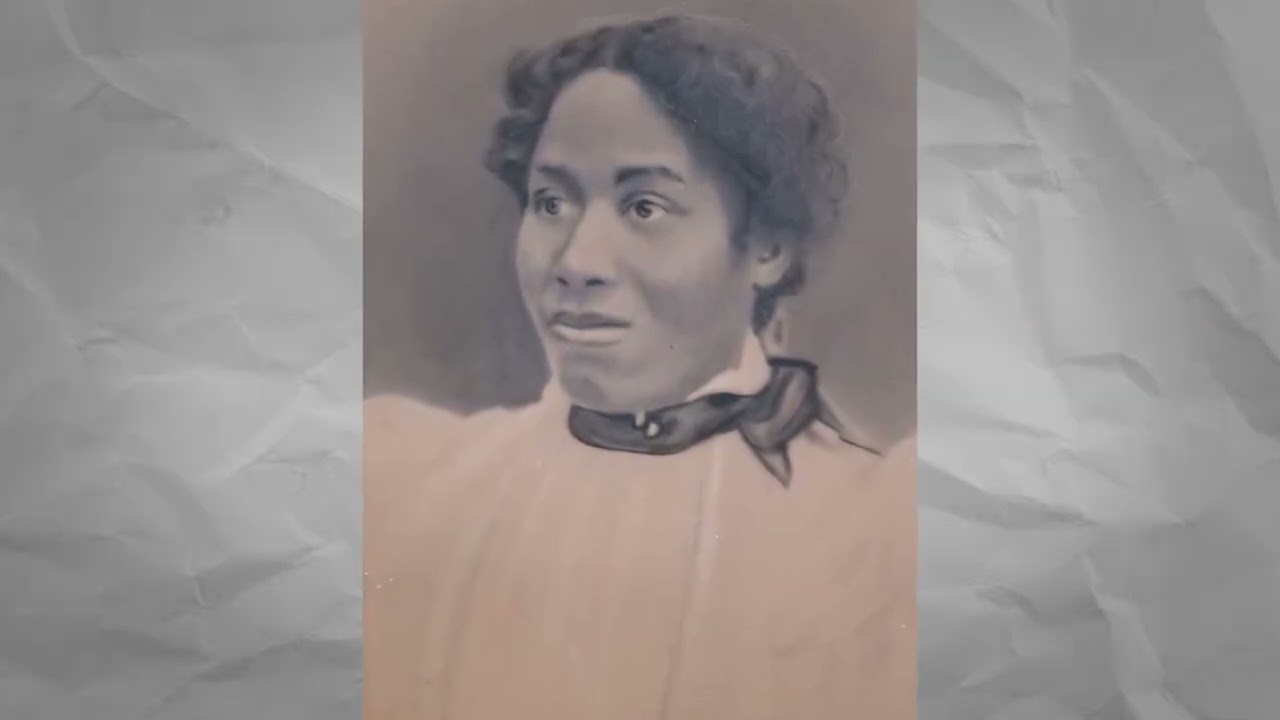
three women were now over 50 years old for the rest of their lives They depended on the charity of their neighbors and local government assistance to survive Ona judge sought Solace through God in her later years becoming a devout Christian she learned to read and write late in life so that she would be able to read the Bible on February 25th 1848 Ona Marie judge stains died in her home In Greenland New Hampshire for the devoutly Christian 74 year-old woman maybe that was the day she experienced her most Transcendent transition to Freedom much of the
Ona judge stain's story is known because very late in her life she twice sat for interviews with abolitionist journalists the first article about Ona Was published in the granite Freeman on May 22nd 1845 which was 49 years and 1 day after she slipped out the Washington's back door the second interview was published January 1st 1847 in the Liberator the largest circulated abolitionist newspaper in the country in her time the law prescribed that Ona judge was a slave and a fugitive now however she is more so Remembered as a victim embodying bravery and heroism to save
herself and her children maybe if George Washington were alive today he might visit the site where he lived when he was president and come to know that in Philadelphia February 25th is on Judge day in that City he might see that his former residence is now a museum with an exhibit celebrating his presidency and also an exhibit Celebrating Ona judge's Escape or if he traveled the roads near his dear Mount Vernon he might pass the state of Virginia's official historical marker honoring the young slave girl who got away maybe hopefully Washington would understand that the
seemingly Stark differences between them were mostly superficial mostly artificial and that beyond their bloodlines that beneath the Skin the two of them actually had a lot in common they both resisted existing conditions they both pursued their version of Freedom they both endured immense hardship but both hoped the future would be better George Washington and Ona judge were both Davids and they both defeated Goliath [Music] after I researched the story of Ona Judge I decided to make a trip to Greenland New Hampshire to the location where Ona lived later in her life with the Jack family
which is also where she hid from Burwell Basset and I think it might be also where she first lived after arriving to New Hampshire in the months before she married jack stains and it's also the same plot of land where Ona died and where she was buried some of the old grave markers are even still there I know that others have Been to the site but the exact location was very difficult to find I could only ascertain the general area and then it took took me a lot of walking and searching and I was nervous
because the creek that runs into the swampy Pond is between two houses today and I didn't know which side of the creek the site was on and I didn't know whose property I was on when I was out there walking on it I'd saw several lines of old New England stone walls which were used to Demarcate property lines throughout the 1800s and also some newer walls that were made from Fallen branches and dicks maybe the work of kids that were playing in the woods at some point and even some old car parts which was surprising
I found some information indicating that the bracket family descendants of the brackets who owned and emancipated Phyllis Jack in the late 1700s still own that land today after walking kind of aimlessly For about 20 minutes and seeing nothing but leaves and trees I almost gave up but but I decided I had to keep trying because I knew I had to be close I even stopped for a moment and kind of upwardly internally pleaded please help me find the spot I'm hesitant to Proclaim that someone could hear my thoughts but just moments later I saw a
grave marker sticking up among the leaves I felt relief and satisfaction I spent a minute just Taking it in I was surprised urised at how Serene the atmosphere was and how much being there struck me emotionally I was there just before the sunet and it was a chilly fall afternoon and I recorded a few of my thoughts I've come here to the place where Ona judge is buried also the Jack's sisters Ona's daughters and Phyllis Jack as a matter of fact there is a uh gravestone here which I will uh provide a picture of That
indicates that this is Phyllis Jack's gravestone this one here is not marked but it certainly is marking a grave site anybody's guess is as good as mine on on Whose that might be swamp plan behind us that's actually where the house would have been this is where Ona judge hid from Burwell Basset this is where Ona judge likely hid uh shortly after she came to New Hampshire and this is where she spent the rest of Her life somewhere in this same area on a judge and her daughters Nancy and Eliza are buried in this same
location it's hard to imagine the lives that these women lived out here in the woods but it's a very peaceful place which I think is appropriate the story of Ona judge [Music]