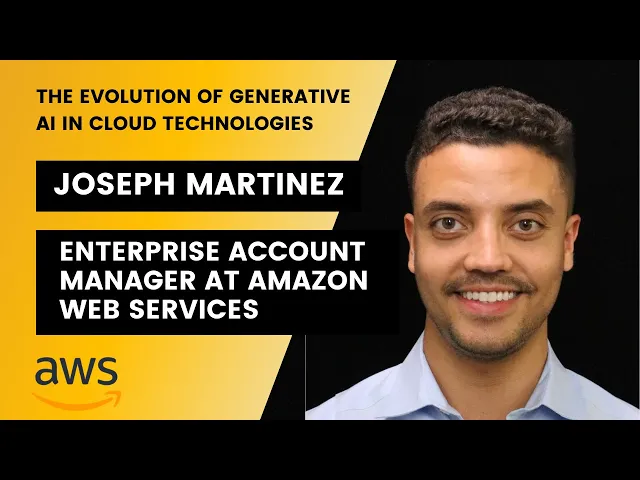
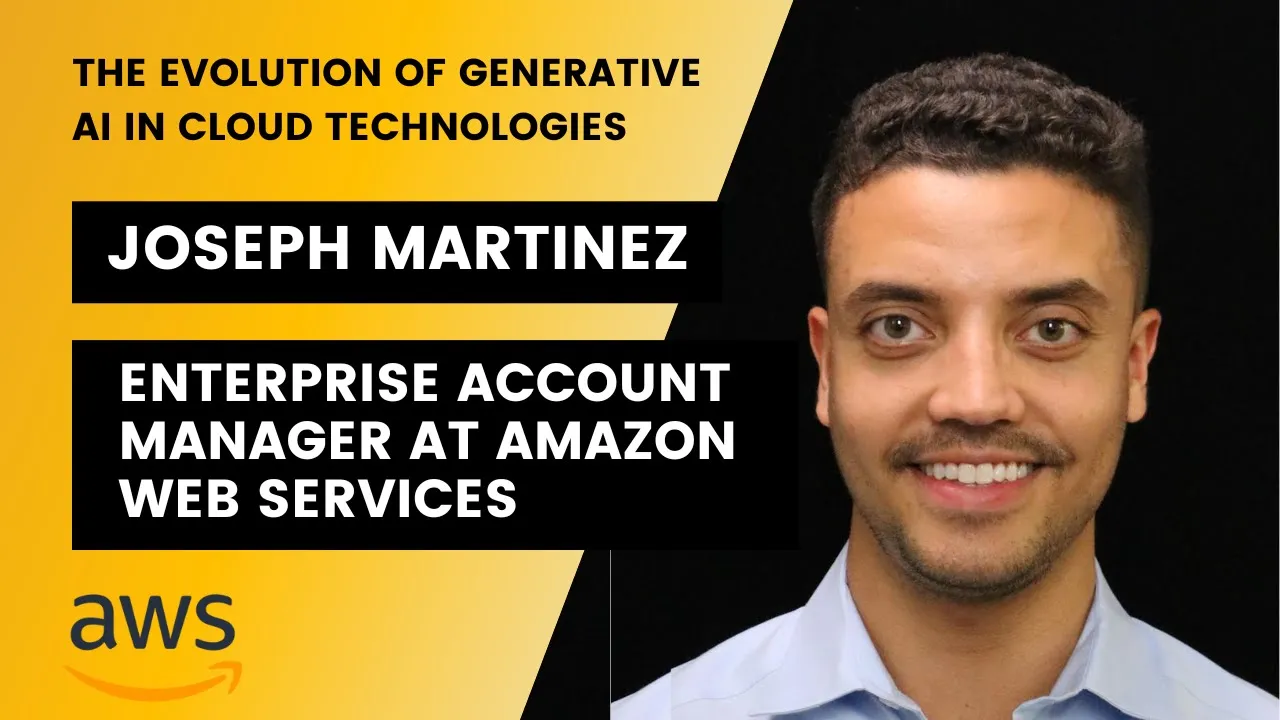
hi everyone welcome to another episode of our podcast today I'm joined here with Joseph who's going to be talking about his experience in finance and Tech doing some really cool stuff Joseph I was wondering if you could tell us a little bit about yourself your educational background and career trajectory absolutely I want to start off firstly by thanking you for for having me on and also just to to shout out your organization for all that you do I think it's pretty incredible that you're you know empowering students refugees immigrants and I'm I'm really happy to
be part of this uh podcast so to talk uh a little bit about myself Joseph Martinez I grew up in in Mark montario and I think a good way to kind of describe myself is to describe a little bit about my family and kind of who I draw inspiration from so my mom and sisters they're the the most compassionate and caring type of people they really enjoy connecting and and learning about people my father the hardest working has got an incredible work ethic incredibly self my stepmom and my brother uh are the ones who really
challenge me and push me to do more and have always kind of been my academic cheerleaders if you will so I try to kind of draw inspiration from that and portray myself as you know a combination of some of those traits so that's a little bit about me I guess to dive into the academic side of things as I mentioned I grew up in Mar montario I attended uh purely at Trudeau high school and in their French immersion program uh and after graduating I went on to the University of galf I paid my way through
school and and got myself a Commerce degree focused on economics and finance uh through that uh my postgrad I did an exchange actually in China in changdu uh which is a Sichuan Province for those who aren't familiar it's a capital in Southwest China which was an awesome experience and yeah so I wrapped up my undergrad wealth and made my way into the workforce to talk I guess a little bit about my professional background my first job and the job which I've actually held for the longest period of time was at a company called Clark Basement
Systems and so I worked every summer from grade nine all the way through University in in the waterproofing industry as a laborer and so this was a job that my dad did and he wanted to give me exposure to this type of like difficult labor intensive work from an early age to kind of serve as one you know to build some work ethic and two to show me like how difficult it is to you know provide a living and to work in those types of jobs so definitely some real lessons I took away from that
type of work and it kind of Drew me to you know pursue my post-secondary education to get into the workforce and to do things like that so after I graduated I landed a job at an organization called Fidelity Investments I started off in their call center which was quite an experience I I did that for a number of months and then I got promoted into a sales team and so I did that for about four years and so I worked through call center and worked my way up to an inside sales roles job and my
role there was ESS essentially to serve as like a consultant or you know a trusted partner to financial advisers and Brokers to help build their books of business so I spent about four years at Fidelity an incredible place to work they invest a lot in their employees they take training very seriously and after four years I applied to Amazon and so I've been at Amazon web services for about three years now and now I find myself as an Enterprise account manager taking care of our financial services practice awesome that sounds amazing so I actually wanted
to ask a followup and I wanted to ask about the exchange you mentioned where you went to China and if that changed your perspective on how you approach your work or your relationships going forward yeah no absolutely and I think anyone in my group of friends and and family they know all about China because I talk about it still to this day very very highly yeah so China was interesting because I think it took everything that I knew in maybe our typical Western culture and pretty much flipped on its head right it's obviously they're vastly
different countries like in North America compared to to China and so I think it opened up my mind to think that you know my perceptions and the way I think about things today aren't the only ways to think about it if that makes sense it's it kind of opened up my perspective to a lot of things yeah I I loved my my time in China I still have like friends that I've made from down there that I keep up with but I think just kind of opening up my perspective and and kind of realizing like
you don't know everything and the way that you do things isn't the only way way to get things done and I think that was you know maybe the biggest takeaway from that exchange yeah I definitely think it's a different culture different tradition so that's really cool that you were able to get exposure to that they also have really spicy food Sichuan province that that was another big takeaway is spice spice here yeah it's incredible it's like they have a Sichuan pepper it's hot and it also like nums your entire mouth and so yeah I'd say
that's my one and two takeaways was you know opening my perspective to different things and Canadian heat is different hopefully your spice tolerance went up it did it definitely did awesome so with the work experience you mentioned you started at Fidelity and now you're working at Amazon so I was actually wondering if you could talk about your transition from Finance to Tech and what led you to make the change and if there were any obstacles you had to overcome yeah know that's a really good question I think and I'm guilty of this as well I
think when you're working in a certain industry it's easy to kind of pigeon hole yourself and you're really caught up in your role and your industry and you're hyper focused on that but I think it's equally as important to you know be focused on what you're doing but also have an awareness of what's happening around you so like what's happening in the world from a technology perspective what's happening you know like from a macro perspective what are the Market's doing and I think that's really important to kind of have that macro view on the world
uh while you're in your career and so after about four years at Fidelity I I poked my head up and I was just trying to see like you know where's the world going we were in the midst of covid and so markets weren't doing uh so hot and that's when I came across cloud computing and I saw some of the trajectory and how quickly it was growing and especially during Co it was helping solve a lot of really interesting problems and I wanted to align myself with that growth and that's what led me to apply
so that would that's kind of how I thought about the transition as for obstacles uh there's quite a few I think the the first would be there's a learning curve right like I was in a world of of ETFs and mutual funds and stocks and bonds and I'm now moving into this cloud computing space I didn't know the first thing about cloud computing uh you know prior to interviewing and doing my research so I think uh the learning curve and and kind of wrapping the head around a new technology was was pretty uh significant and
the way that I addressed that was you know after getting my foot in the door I spent the first six to eight months like every evening studying for a variety of certifications like my cloud practitioner my Solutions architect associate certification so I think that helped kind of bridge that learning Gap the second I'd say is there's a very different sales approach like I'm in a sales role and there's a very different sales approach when you think about like Financial sales versus Cloud sales so I think in my previous role it was really like a pitch
sell close like a very transactional type of sales approach whereas at AWS it's more of a you know long-term partnership problem solving type of approach and while I'm not going to argue that one approach is better than the other I just think you know finance and Tech have fundamentally different offerings and so you have to adapt your sales process to that and so that took me a little bit of time to wrap my head around going from like a closer if you will to more of a how do we solve this problem how do we
work together to get there so I think those are the two biggest obstacles that I had to overcome yeah I never thought about it like that but now that you mention it I'm kind of seeing like a different way you're kind of pitching and making those sales and I feel like finance and Tech are also like very different Industries so it's really incredible that you're able to take that initiative to learn on your own and get those certifications I was wondering when you actually were thinking about making this transition what were some of the skills
you kind of emphasized in the resume or your interview to really make it known that you were ready for this change in your career yeah so I think when I was looking at the resume itself it was a pretty entry-level sales gig that I applied for and I think it was you know a lateral or even like you know maybe a role that was a step down from what I was doing because I was trying to keep in mind like you know although I'm doing this in finance I I'm not necessarily ready to do this
same role in Tech and so I think it's important I think people are always focused on you know I need to get a promotion I need to be making more money I need to be progressing but I think lateral moves are super super valuable and I was transparent in my interview I told them look here's what I know about the technology here's how I think about it here's what I've understood over the last you know two months of prep but I think what was like arguably more important was showing them that like I like to
learn I know I don't know everything I don't know everything about the finance world and I'm still continuing to learn in my current field and so I think really showing that you have that innate curiosity and that desire to learn is the biggest skill or the biggest asset that you can bring to a career transition like this got it yeah that's really good to know so the next thing I wanted to ask you Joseph is a little bit about your current role as an Enterprise account manager at AWS so could you share a little bit
about like your role what you do and how you work with Financial Service customers absolutely I think maybe the best way to start with that question is to talk about cloud computing and like what it is I think there there could be varying levels of understanding but I think the way in which a lot of us and maybe some of the listeners are are familiar with this technology is through your phone right like you have your phone if you're anything like me you take hundreds of pictures and videos and then after a while it fills
up and prompted hey do you want to store this on the cloud and so you know as a consumer you're just you know paying a subscription and now you're in the cloud and you don't have to worry about like buying you know a USB stick to store all these pictures you don't have to worry about you know is it secure am I going to lose it am I going to misplace it so you kind of just have this technology and it just works and you don't have to worry about it so in that same kind
of like mental model it's that same application but with businesses so by definition cloud computing it's the OnDemand delivery of it resources over the Internet with the pay as you go model and so this whole idea of cloud computing really stemmed from our parent company which is amazon.com who I'm sure uh some folks are familiar with and it was interesting in the early 2000s what Amazon noticed as they were growing so quickly as they were scaling is they had major spikes when people were going onto their website trying to buy things like typically around the
holidays so around Christmas time everyone's on the website so them as an organization they would have to buy all this infrastructure to meet this like massive demand the downside was January or February when demand goes way way down they're still stuck with all of this infrastructure and it's super underutilized and so that whole concept kind of birthed the idea of AWS and we recognize that you know if we're dealing with this when we're scaling there's probably other organizations that are dealing with similar issues and so that kind of birthed the idea of cloud computing for
us at Amazon and so that's a little bit about cloud computing and I guess to talk about kind of what I'm doing it's as you mentioned I'm working with Financial Service customers and my role is essentially to find what is your biggest most challenging problem like what keeps you up at night what are you guys banging your head against the wall trying to solve for and it's working backwards from that to build a solution to address that that challenge so we have I think it's over like 240 Services now so you know if I had
my finance hat on and I was just trying to pitch Services I would be there all day trying to pitch you know storage database generative AI so that's not really I think an effective way to go about it it's more of okay where are we trying to go and then how can we use all these different services in tandem to solve for it so that's in essence what I'm helping some of these FSI customers achieve got it that sounds really cool and if you don't mind clarifying could you talk about what pay as youo model
means absolutely it's a really good question so you can think about the cost structure of cloud like your utility bill or like your electricity so if I went and I turned on my lights because I need light for you know period of time I'm I'm paying for it and then when I'm done with it turn off the light and then you know the cost stops so it's very much you know whatever you need and whatever you're using you'll pay for but it gives you that ability that traditionally was much harder to do like to scale
back like you can't just go you know sell some of your servers or your racks that you had provisioned and purchased earlier so it's exactly that it gives you the ability to scale up but also scale down and stop paying when you don't need to use things that kind of makes it a unique and a helpful model and one it's one of the biggest benefits I think of cloud and in the industry I imagine it saves a lot of costs too that's exactly I think it's costs and also it's not as difficult to innovate so
if you want to just go try to spin something up like hey I'm going to go try to build you know this artificial intelligence type of application for whatever it is you can go build it out and maybe it works great continue using it you can you know pay for those services and recognize that benefit but if you don't you just turn it off and there's no like contracts or like long-term agreements you can quite literally just turn it off and stop paying for it and and scrap it and try something new yeah so it
gives you flexibility too that's exactly it yeah awesome that's really cool so I was also wondering what would you say are some common challenges Financial Services client faces when transitioning to Cloud technology and how do you kind of help them navigate these challenges yeah it's a good question I think there's a number of challenges some of which you know aren't even just for financial services clients they could just be for organizations as a whole I think the number one is change is hard people don't like change there's a natural friction with change you know if
you're doing something for 20 years and you've always done it in a specific way like why would you pivot why would you change and so I think that's a common Challenge and so what we do as an organization I do as you know an account manager is I'll try to find those folks within an organization that are you know kind of the early adopters if you will or the ones that really like the technology resonates are excited about it and I try to empower those people with the education with the background to try to help
them grow and influence that type of modernization mentality we also help organizations build like Cloud teams so having an internal team that's just like proficient and that can help teach and coach folks around the organization so I think yeah number one challenge would be dealing with change uh a second would be when you think about upskilling and repurposing some of your resources internally like if folks are used to operating in a certain way as I mentioned for 20 years and now you're telling them to learn a two a totally different technology that can be daunting
and so really providing that education that hands-on experience it's not just here's a product best of luck to you I hope this succeeds it's it's very much a partnership and that we want you to succeed that's our our number one priority and I think the second would be repurposing so if you think about an example that I've used and I don't know if it's that good of an example but if you're running a lemonade stand right and you have three employees and two of these employees their entire job is just to make sure like the
lemonade stand itself is operational like you know there's no loose screws it's not going to fall over and break and then you have one person selling the lemonade the whole idea with cloud is now okay let's Outsource that infrastructure so you don't have to worry about the limit stand falling out and now you can repurpose those two other employees to go you know Source the best lemons that you can do all the research on different recipes for lemonade you know focus on customer experience and so there's this whole idea of you know we're not trying
to say the jobs you're doing are obsolete it's like let's take those people that are doing what we call like undifferentiated heavy lifting and repurpose them to actually focus on what drives you as a business what delivers value to your customers and so it's kind of repurposing within an organization that I think is another challenge and we work with folks to to do exactly that and the third challenge which is more you know specific to to FSI customers is these people are in the business of managing money and they're inherently risk averse you know you
don't want to take a big bet on a technology if you you don't have full confidence in that and so when I approach it you know the same way an organization would evaluate a stock or a bond or a certain investment I try to understand like what are the different pillars that are important to you when making a technology decision whether it be security whether it be scalability cost and I try to make that really really clear so there's a good understanding so that you know when you're moving into this technology there's no surprises there's
nothing you haven't thought about already so I think that's another challenge and that's the way we try to address it yeah those are some really valid challenges because I imagine a lot of people they just don't want to change they're just used to what they're doing but maybe this actually has the potential to really change and make the things they do a lot easier 100% no that's exactly it I was wondering when you are trying to work with specifically like the third challenge you were talking about where their risk adverse and you want to find
out whether it's like security that they care about and you really are trying to pitch it to them like what are some questions that you ask to really get an assessment of what is most important to them what are some ways that you find out like what their priorities are I think it's just direct questions like there's no beating around the bush it's like what about this project scares you the most and then that's where we'll start and there's always going to be you know a focus on security like that's I think you know job
zero is security but I think asking like what's holding you back from adopting new technology is it an internal thing is it you know resources is it training is it you know maybe a lack of understanding of the cloud and how how it works so I think it's really working backwards from what their top issues or concerns are and then you know we have a a deep bench here at Amazon and we bring in folks to walk you through security from the ground up or walking through training programs walking through how we can help alleviate
maybe some of those concerns um but yeah I think it's important to have you know really direct conversation and my job is to have a real understanding at what those blockers are to try to help ease the transition yeah that makes a lot of sense yeah the next question I have is in your experience what are some key factors that fin Services organizations should consider when moving to the cloud yeah that's a good question there's a lot for sure I think the one I can and I've alluded to it earlier the whole working backwards approach
is really really really important here it won't make a lot of sense to move to the cloud just to move to the cloud just because that's what you know other people are doing and you've read about it because I think you'll miss a lot of the benefits so I'd say the the number one consideration the number one uh thing you should do is H as an organization is have a vision like what is the end State like what are we trying to solve for what is Utopia for us right and then once you have that
Vision then you can work backwards to find out okay so what's stopping us from getting there do we need training do we need you know more better understanding on security do we need x y and Zed so I think uh number one is having an outcome that you're trying to work towards the second uh factor to consider I think there's this notion that moving to the cloud is this massive you know multi-year migration initiative and it can seem daunting and you know while that approach is used by some organizations I think it's important to know
that you don't have to make it as big as you think it is you can start super small and we were talking about this earlier where you can just try to spin something up create a POC see if this solves for the issue and if it doesn't turn it off you're done and you know reassess and maybe you know try to focus on another area so I think having that notion that it doesn't have to be big it doesn't have to be an all or nothing type of Journey if you will start small get a
quick win and if it's working then scale up so I think differentiating between you know all or nothing between just getting your toes wet is important to think about yeah that's a really cool way to think about it because also I imagine if you're just like dipping your toes into the beginning you're not putting everything out there and risking too much and then if you enjoy it you can just expand that's exactly it there's low barriers to entry it can be big or small yeah yeah that's really cool and are there any up becoming a
WS services or initiatives that you're particularly excited about for the future for your clients yeah yeah there's quite a bit I think the one that you know is getting the the most attention the most Buzz right now is is generative AI you know you can't open the news or open any Tech news without reading about gen and some of its applications and so me myself like personally I'm fascinated by the technology and some of the interesting use cases that it's being applied to like you have Healthcare organizations using this technology to help develop vaccines right
you have Banks using this technology to protect some of its users from fraud or improving the customer experience and the technology can even be used by like somebody like you or I like me personally I have no coding or you know it background per se but with this technology I can go and build a fullscale application with little to zero coding involved so I think it's really interesting you know that the different use cases that it can be applied to but what I think is arguably even more interesting than that or more impactful than that
and this is an initiative that we're working uh here at AWS on uh every single day it's the democratization of this type of technology so it's giving access to of this technology to everyone so that folks in maybe underrepresented areas or people that traditionally didn't have access or have the resources to access this type of technology that cost is going way way way down and I think the more people that can uh access this technology the further we'll go as a society the better the bigger problems we'll be able to solve for so yeah I
think it's really interesting and it's help helping you know Foster this real culture of innovation uh across societies that might have been a little bit more difficult you know years past when the technology was was quite expensive yeah I think gen AI is really changing the way we do things and I personally use it to a my everyday life and it's so helpful 100% And yeah everybody can access it and so you know from if you want to write a paper you can write a paper with the help uh of gen or you can also
do things that are super complex so I think the technology it's still in its infancy right now but I think we're already seeing some of its impacts and yeah I'm excited to see in five years from now like what can we build what can we solve for that might not have been possible before the technology was here yeah yeah same for me so for a lot of the listeners here their uh recent graduates or immigrants or young students wanting to enter the workforce so what advice do you have for those interested in a career in
account management within the cloud computing industry yeah it's a good question I think I can break this down into a couple parts so with account management or or sales uh I think there's this notion that you have to be you know a type a super extroverted person to succeed which isn't the case and I've seen a ton of people be incredibly suc successful without necessarily being that type of person I think you need to be someone who enjoys working with people who enjoys solving problems and serving as you know a partner to individuals working with
a lot of internal and external stakeholders and so I think it can be an incredibly rewarding field and in incredibly rewarding role but I think you have to talk about some of the potential downfalls and sales as well like there are you know targets that you have to hit and that can often you know have Associated stresses there's often a variable compensation component and so being able to kind of stomach the ups and downs and being able to plan for that is important but I think yeah I think if you have you know that drive
and you have that desire to work and help people sales can be a great place for you as for you know getting into the cloud computing industry I think naturally you know a passion for technology is really really important and arguably even more important is you know the desire to learn because something that you learn or I might learn you know in the field today could be obsolete in you know a month or like a weeks or even days from now so I think you know having that passion and that desire to continue to learn
is really really important and I mean you mentioned if you're a student or you know you're a new immigrant or you're a professional that's just looking to get into the workforce I'd say that and this is I feel it's a cliche everybody talks about it but I'd say your network is so so so important like get outside of your comfort zone talk to people that you know you wouldn't typically talk to and I think when you're having these discussions it's really important to kind of share like what are your aspirations what are your goals what
are you trying to do because when you're talking to someone you're not just talking to that individual you're talking to them and their entire network and you never know that it could be one conversation could you know lead to you breaking into an industry that you're really passionate about so I'd say talk to people build your network and put yourself outside of your comfort zone yeah I totally agree with that I also feel like when you talk about your aspiration they can also help you figure out how to reach that goal because maybe it's like
a completely different path than you thought yeah and if they can't maybe they know someone and I think people it's it's it's really awesome it's like people have this desire to be problem solvers right and it's the same way that you know sometimes if my mom or my girlfriend or my sister they're venting to me about something I know I'm supposed to listen to them and vent with them but in my head I'm like okay how do we solve for that so in the same way if you're telling someone hey I really want to do
X like it's like a natural human ability to say okay how do I solve for that do I know someone in this industry who can I connect them with is there a bit of you know advice that I might be able to give so yeah I think sharing and being open with where you want to go and what your goals are is really really important when meeting and talking with different people yeah that's a great point and what would you say makes a successful account manager or what are some key traits or skills to really
succeed in the role yeah I think you have to be driven you can't just show up and you know hope for the best so I think you really have to have that drive I used to say you have to be really competitive and I think that was maybe my previous role but I can't think how else to put it but I think you really have to be driven to succeed like you drive your career you own your patch you own your customer relationships you can do as much or as little as you want and so
those that really want to do more are the ones that typically perform better so I think having that and as I mentioned you know enjoying dealing with people building Trust developing relationships and and problem solving would be some other important traits too yeah awesome that's great to know so to conclude and wrap this up what advice would you share with your younger self that might be helpful for our listeners to hear yeah I think as I alluded to earlier like building the network is really really important I think something else not only like professionally but
like just in a from a personal perspective is understand what motivates people like understand what makes your boss look really good or understand how some of your peers are measured because I think if you have that you know awareness that okay so they need x y and Zed you know it's going to make it a lot easier for you to you know achieve your own goals because you know what's going to drive their behavior so I think it's important to listen so I think that's two really important points another would be to learn as much
as you can and I would love to tell my earlier self to pay more attention in high school take as much as you can through University and don't stop you know after high school or university like learn on your own I think you YouTube videos the internet has a ton of resources that you can delve into so I think keep learning as much as you can and I think the last point would be not to take things too seriously don't take your work too seriously don't take you know your career too seriously like it seems
like when we're in it you know that project or that deal that you're working on is the most important thing in the world but you know you're going to look back I think in a couple of years and I've been given this advice a lot lately you're going to look back and that project is not going to matter at all what's going to be important yeah exactly right I think what's going to be important is like the relationships that you've built the people that you surrounded yourself with you know the impact that you've had so
I think yeah I think focus on your own like happiness and focus on you know your values and what's important to you and I think the rest will will fall into place yeah those are some amazing tips that I think are super helpful so thank you so much Joseph for coming on this podcast and speaking to us it was great learning more about your career experience from Fidelity to Amazon web services your role as an account manager and how you work with different clients so thank you so much and hope everyone listening also learn a
lot awesome thank you I appreciate how you having me on yeah thank you