so if you're still using tools like Google Scholar to find your literature and you're not using any AI tools to do so you're seriously missing out and in this video I'm going to show you consensus which is a completely free academic search engine that allows you to not only find more relevant articles faster than I think any other academic search engine out there including Google Scholar but it will also give you Snippets and snapshot some in the status quo of the literature so basically in just a couple of seconds you will see exactly what researchers
are saying on a particular topic and you will see key insights as well on each of the papers um that the search engine is giving you so this will speed up your literature review so much that it's not even funny not to mention that you will be able to find better text faster so let's take a look at it now if you're new here my name is mar kov and I run academic English now what we help students and researchers write and publish research papers for top scopus index journals and in this video we're going
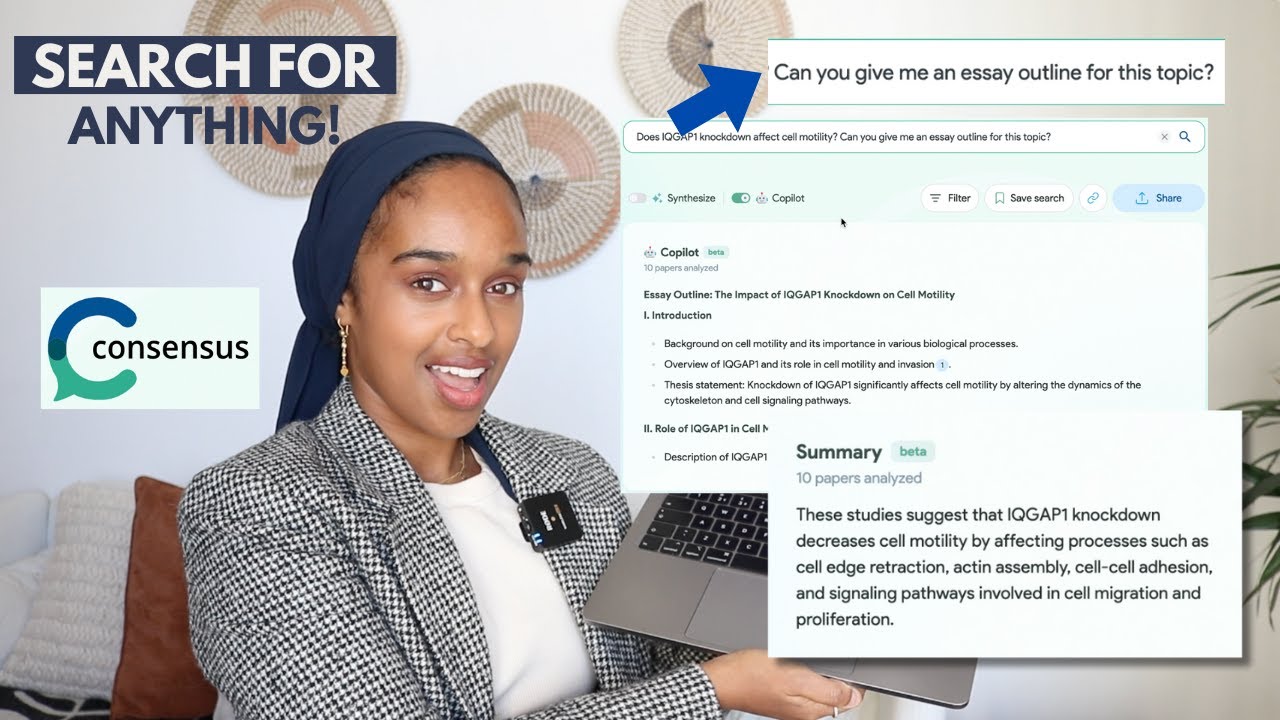
be we're going to be talking about consensus um which is an aid driven academic search engine that allows you to really quickly find articles but I think more importantly one of its most important features is that it gives you a one paragraph summary of the research on a particular question that you're asking it which means that you can when you're doing the literature review review you can really speed up the reading process and get answers to your questions faster and therefore write your literature review much faster so let's see how it works first of all
um you want to go to consensus. apppp and I put the link right below the video it's completely free to start with um it will have some limitations the free version so if you want to get a lot of those um AI summaries that I'll be talking about in a second and showing you and AI summaries of all the papers um that the search engine gives you you will have to get the the paid version but we'll talk about that um later it's completely free to start the link is in the description um and the
comments and you know to start it gives you a lot of sample questions that that you can ask it so we're going to Dive Right In and just search the um the the library it suggests questions that that you can ask which is actually really cool because a lot of those questions are really interesting questions so um you basically got all your know all the knowledge out there at your fingertips here um that you can search for and easily get understand what's the research consensus on a particular issue so you could type in the question
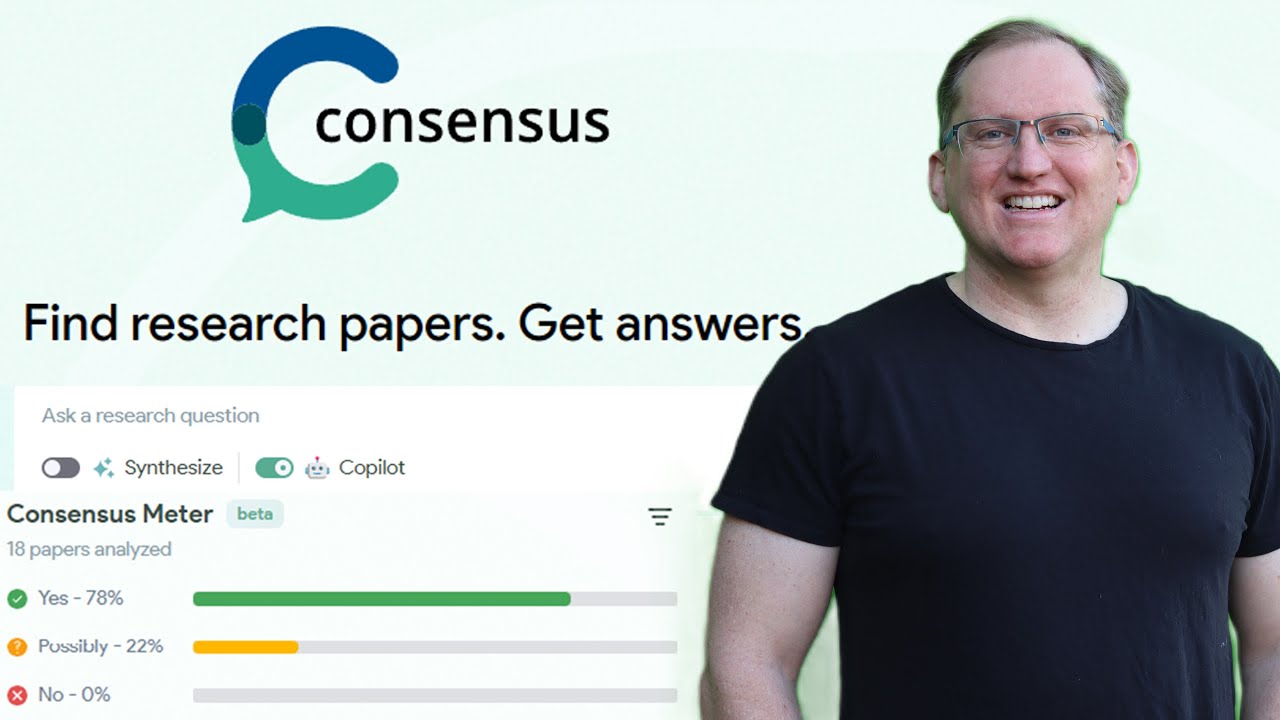
that's relevant to your literature um review um but I will just choose one of them for example is longevity determined by uh genetics that's a very interesting question and what what's going to happen here what I really like about this tool if you ask a yes or no question such as this one um is longevity ter by genetics what you're going to get first of all is a consensus meter so this is really good because it shows you whether there is a consensus on a certain issue or not in other words do researchers agree or
disagree about something and this is great when you're doing a literature review especially to find research gaps uh because as you might know one of the research gaps is that there is disagreement among researchers so we basically have a lot of studies but they show conflicting results and researchers do not agree on a particular issue so if you ask a question you find that there is disagreement on it well that's great because that's where your study can can come in and fill in that research Gap and try to solve that um disagreement all right on
this particular issue there's this complete um agreement in here right that's the first really cool thing in here now um a word of warning as well in here there are there were just five papers um analyzed so this is obviously not sufficient to to be you know fully confident that there is full agreement on this issue right so always look how many papers were analyzed and if you're doing a literature review and you really want to find a research C you'll have to read and or find more papers through consensus or through another tool but
it's a very good initial indication now the second thing that I really really like about this tool um is the summary that it that it gives you okay uh so in basically one sentence you get an overall summary of what the research currently tells us about this specific question and I think this is fantastic because think about it how many days hours and nights have you spent reading the literature because you're trying to find an answer to a small specific question pertaining to your literature review and you just keep on reading papers and you keep
on reading papers and you're not doing any writing and you're not well this will end if you use consensus because it will give you a highlight one paragraph one sentence summary of what researchers actually think about this particular question and this can really speed up the process of the literature now what is great here as well is that it then gives you a more detailed answer because you know this is obviously a simplification of what's out there but this is a much more detailed um answers with key insights from research papers and what I love
about it is like just how simple and easy to read this is you know just divide into bullet points it's like perfect notes taken by a perfect PhD student in five second um and another good thing about it is that it gives you references to the actual paper so it doesn't invent things like chat GPT is known for what are called hallucinations right where it invents papers it just invents facts that are not fact because that's simply not accurate and not true um consensus doesn't and it provides you the references which is very important because
you know you can and you should go and check those facts because a key principle about using AI in research that you know most journals um require you to do is to verify AI output so you need to supervise AI so it's it's not that you can just take this sentence and put it in your literature review and claim it to to be your own that would be plagiar but the great thing is that you you know you've got a summary that you can start with and put it paraphrase it put it as notes in
your literature review and then you can click on the paper and then it just Scrolls down to that particular um paper right so you can read it and get more information on that specific issue so I think this is absolutely um fantastic and if you don't want those features right you can just switch them off um in here um as well now this might be a good place as well to talk about you know the difference between free and you know the paid plan of consensus so if you're interested in getting this uh one sentence
synthesis and consensus meter and if you're interested in getting the co-pilot answers um like this on a regular basis I don't mean just like once a month but you're actually planning to use it for your literature review then it definitely makes sense to uh sign up on the paid plan because otherwise um the free plan is only limited to a certain number of um those AI summaries and co-pilot um answers what's the pricing it's if you pay the annual plan is just n bucks a month so it's probably less than you spend on coffee um
every week um I think it's totally worth it and um I spoke to consensus as well and they were kind enough to give you a 20% discount so if you just put in Mar 20 you'll get an additional 20% off on any of the of the paid plans um as well so um back to uh back to cons answers it will then give you all the papers um in here right that it's basing its answers um on what I really like about it in comparison to Google Scholar or any other search engine is number one
um that you get um a one- sentence summary in here straight away straight up top so you don't have to open the paper read the abstract to find out if it's relevant you get that straight away in here which I think is fantastic now doesn't mean you should not read the paper in for of course it doesn't you still should open that paper read it and make your own judgments about the merits of the paper and the results but I think this is this is great because so often we are just inundated by papers and
we don't know what that paper really is about what is the key result what is the conclusion of that paper and therefore we just get bogged down in Reading countless papers many of which might not be relevant to answering our specific question that we have while writing the literature revie so again I think this just speeds out the process and allows you to sift through many more research papers than you otherwise would so that's that's the first um really good thing um what I like about it as well is in here that it gives you
the type of study that was done so straight away you know you can see was was this a randomized control trial was this a systematic review a meta analysis an observational study or something else right again with using Google Scholar or scopus or any other essential engine you won't see it until you actually start reading the paper which is a waste of time H you see it straight away here and in many literature reviews this is important because maybe you just want to include observational studies or um systematic reviews or that kind of thing right
um another cool thing is this meter of Highly cited or not because again this is important especially if you're starting the literature review because what you want to do is read the key papers in your discipline um the most influential ones because they will give you a better insight into what what is actually going on in your discipline so just having this at your fingertips and knowing which paper is highly cited and which one isn't obviously gives you an indication as well of the quality of that paper which I think is really cool now um
what is good as well and for which you will probably need the paid plan if you're planning to use it very often is this study snapshot okay I found that it doesn't always give you all the information like for example in here uh doesn't give you the sample size and I'm sure the sample size was stated in this article I can't believe they didn't you know an observational study like this would not State how many people um took part in the study um but for most Parts you you know you get really important details about
it again at the click of your fingers basically or the computer mouse which otherwise you'd have to read the whole paper to actually get those details or you'd have to read the methodology section so I think that's great I really love the um the snapshots um in here okay now when we when we then open um a paper you're going to obviously get more details about it so you'll see the abstract and the key takeaway is still showing up um in here and I think a really nice detail that you get here is the is
the journal and the ranking of that journal because again you know you want to be focusing on quality papers and sometimes you know you you open a paper and you don't know how good it is unless you have already seen the journal before and you know the journal is good but most of the time you know you see a journal that the paper was published in and you would have to search that journal to see its ranking well consensus gives that to you straight away here and it tells you is it a q1 Q2 Q3
Journal which I think speeds things up again so so this tool is really about making your life easier and speeding things up for you now um straight away at your fingertips you get references in here um would you get it if you open the paper um you know on the journal website you've got the link to the full text of course you would You' get the references as well but why leave this place and go to the journal and and search for the paper and and all that right you get it all um here so
that you can see references you can see the study snapshot and the main takeaway uh message to see if immediately there are additional papers that you want might want to read which I think is great because again in you know in in other um academic search engines you can't do that you'll only see the references or the citations if you actually go to the journal's website and you look up that paper which again is you know time and effort and you get that here I really like how the citations as well are laid out because
again uh you know you will see other papers that are referring to this which can allow you to quickly expand your literature review search and see if you're missing um any papers and of course as I said you have access to full text and you should definitely go and read that um full text so um again I'm not saying that you should just rely on this because this is not enough you definitely want to go and check out the full text and read um bits of it that are important for you now now another cool
feature um that I need to mention is the save feature so first of all you can save your actual literature review search and I think this is so so important because we've had clients come to academic English now for help with the research papers the PHD and you know and they say well look I I've kind of done the literature review but I'd like to publish it as a systematic review paper but they haven't kept any record of how they search the literature right because they were're just writing a literature review chapter for example now
this problem is solved with saved searches because you just click on the save search and you can always come back to them which allows you to you know if you don't keep track of something um you can always backtrack and very easily get the search results again you know in a traditional search engine you have to type in the keywords again and hope that you will get the same results and you might not whereas in here you know you always get the same search that that you've done before and you can save multiple searches which
again you know if you're writing the literature review it's very easy to come back and find answers to your questions so I love this safe um search feature what you can also save is the individual papers so if you click save here you could create um a a list or just add them to your favorites I would recommend that you create a list the list could be based on a on a on the question question that you asked or a broader topic that you're currently um researching so you just create new list um and then
you add your papers um there so that they are safe now as in any other academic um search engine you can also um filter papers by years um number of citations I think a really cool filtering feature is methods right um that you can filter the papers by um that's really good you can also filter them by specific um Journal ranking let's say you just want q1 um and specific um domains so if you're asking a very broad question you could limit the answers to the specific field that you're in so I think the filters
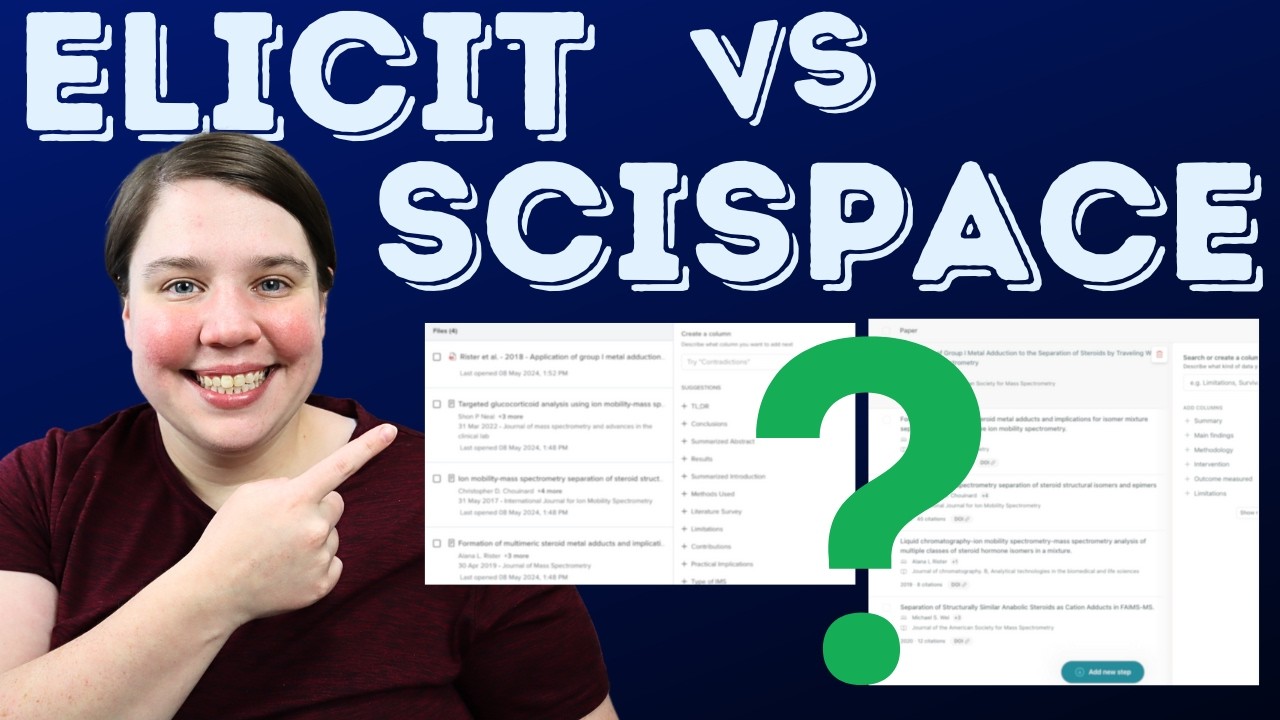
are really good they've got some additional features that other um search um databases don't really have uh and I really like how it's laid out and simplified um here for us what I also really really like about um consensus is how it also links with another fantastic tool for literature review scace I have another video about siace where I go into more details about it but first of all you can for example compare insights in here so if you were to click on this link you're going to get sent to CPAs and I'll put the
link um to sign up for free for CPAs it's a free tool um as well um I'll put it um in the description to this video um and you will get you know the a similar thing like like a paragraph summary okay of research insights on that same question and then you will get papers in here some of which might be the same papers that uh consensus is giving you uh but there might be additional uh papers and it's laid out slightly differently where you know you've got summaries of um different sections like results methods
limitations and so on and you can also add columns um in here and then you also have the key um inserts right and then you can um read the papers and chat um with them so I think this is a great feature because it just links very nicely with another great AI tool that helps you to read faster um and so on and importantly to also um check results against each other right traditionally what you'll have to do is just like you know go to another database uh use the same keywords and search that database
and then sift through the results in here you know they're just linked really nicely so you can you know you can just with one click get the results from um sipas as well um and you know a a cool feature is something very similar but on individual papers so you can actually chat with the paper so consensus doesn't have a reading interface that would allow you to sort of read papers faster but sipas does so if you click here on chat with the um with the paper right it will open this Google Chrome integration from
scace and again I have another video on this channel where I explain how s space Works how to sign up how to get this integration and then you can straight away start chatting with that particular paper okay and you can just it suggests questions but you can also obviously ask um your own questions so I think this is um this is a great feature so overall I think consensus is a fantastic new um search engine for academic papers it allows you to get insights on specific questions much faster than you would ever be able to
do so in a traditional way I really like how it gives us you know a simplified but a consensus meter on what's the what's the research agreement or disagreement on a specific issue and I really like as well how you get a shorter summary but also a longer summary with references of um you know researchers thoughts about this particular um issue so if you want to sign up on consensus the link is right below you can use Mar 20 as well to get an additional 20% off now if you'd like to work with me and
my team to get more support handson to help you to write your literature review publish systematic reviews or research papers in top journals in your field then book a free onetoone consultation the link to do that is in the description and in the comments we'll get on a on toone call with you you um and identify what your specific challenges are what your goals are and personalize an action plan for you that will help you to achieve those goals faster so if you want to do that work with my team and book a free and
no nonsense and no pressure once one consultation with one of my team members






![Best AI Writers for Academics and Research [Start for FREE!]](https://img.youtube.com/vi/g1CJ6Pshl9M/maxresdefault.jpg)