the creature from Jackal Island so paint the picture for those who don't know this story yep what what is this uh conspiracy theory and why is it true so Alexander Hamilton was the first one to propose a National Bank there existed several National Banks uh that were wildely unconstitutional uh but the very people who passed the Constitution said okay yeah sure we'll do this uh they failed they were shut down they their Chargers weren't renewed so they there all these these banking experiments where the government was involved in kind of a Central National Bank but
they' always failed and Britain had a central bank right they were maybe maybe they might have been the First Central Bank if I'm remembering correctly but yeah so coming out of the English yeah yeah they had a lot of uh systems in Europe to look to uh by way of example and that's why Hamilton was like hey we need one of those two you can control you know the the production of money you can control where it goes and so those Banks were eventually shut down and not renewed and and and in the early 1900s
there were a lot of Bank there were a ton of banks but they were all just private Banks little pop-up Banks here and there and a lot of them would fail because they didn't really have a lender of Last Resort they didn't have bailout opportunities and so it was a risky entrepreneurial Enterprise well and I'll add one layer to that which is um in the Great Depression there's something like 9,000 US bank failures and there was a Fed already there was zero in Canada and the reason for that is is that people think oh well
we needed the FED because there was all these bank failures and that run the the 1907 you know financial crisis JP Morgan had to bail out the bail out the treasury and that's crazy and America has always had a weird banking system in which basically state level cronies kind of like car dealerships actually car dealerships are structured like this they have like these weird local monopolies you couldn't have a bank you couldn't even have branches in a state in most States and you couldn't have branches across state lines which means banks in the US were
very very fragile because like what was a lot of the lending a lot of the lending at that time was agricultural okay we're planting our seeds we need money we need to borrow money at the start of the the season to plant our seeds and to get through until we have Harvest and it turns out the weather affects all the farmers so if you're a local bank and you've lent to all the farmers and then you have like extreme drought or a failed crop they can't repay you and you go bust and that was happening
all the time and and this was not a failure of the free market this wasn't like well that's why we need blah blah blah it's like this was a very peculiar government created fake crisis and um and yet who got the blame well not not the government not the policies it was the market right the market is too volatile this is a pro the 1907 Panic is is exactly the backdrop of this situation and of course the Bankers want like any uh industry with all their protectionism you know sitting at the the top perch of
their industry they want to be bailed out they want Securities they want guarantees they want to socialize their losses and make everybody else pay for them while they can concentrate those benefits and there's one other component to this I happen to be a geek on this one um William Jennings Bryant there is is like this really um like a populist at the time and is part of this free silver movement there is a rural urban divide here too so one of the things that motivates keeping the banks all sort of protected is is this fear
that oh the big New York banks will just run the whole show and we'll all be uh sort of subject to Big New York centered Banks so that was one of the other things going on there which the sort of populism that that made things worse even if you could sort of understand it like people have hated Bankers forever it goes back to the Bible and usy laws and well there's always been ignorance basically but I'm glad you mentioned that because this is why the creature creature from Jackal Island uh was born in such secrecy
because it was the big money it was the New York Bankers it was the politically connected banking cartel that designed the system that we have today so what happened was you had Senator Nelson Aldrich uh who was over the like the finance committee and he wanted to create a central bank he wanted to say oh we're going to fix these Market inequities and volatility and we're going to have this one bank so he had this fancy uh train he he says to all these different bankers and their their designes their their Associates come meet me
on this train under assumed name do not use what your name is we're going to go on a duck hunting trip so wear appropriate attire to fool every so that the reporters don't recognize you you're just going to be all kind of dressed up and take your monal off exactly the no tops guys come on and so he says you know use an assume name uh we're going to keep this out of the papers we don't want anybody to know so they all end up on this train car not even the servants know what's going
like everyone is kind of kept in the dark and so Aldrich and everybody they take the train down to Jackal Island in Georgia where there was this Swanky Resort still exists today I went there a few years ago not Swanky by today's comparisons and JP Morgan uh owned like half the resort and so these guys went there and and kind of had accommodations for the week where they hold themselves up in a room and they architected in secret um this this system that became the Federal Reserve of course they had to go convince Congress and
they had to get a public vote so it's not like the entire thing was a conspiracy the conspiracy was who the actors were how they were involved and what they were trying to foist on the public using kind of propaganda talking points about why we need this but it was these bankers and politicians in a room that said here's what we're going to do we're going to construct this Central Bank it will be the lender of last resort we're going to bail out other Banks we're going to have this system of privately owned uh Banks
across the country this network that all the banks can have shares in and so it creates this kind of like incestous cycle where the the the banks are bailed out by the banks of which they're a part and they can print their like it's just this genius I mean if you're a banker and and and a politician that wants access to easy money that you can just you know print and and inflate um to support your big budgets it's a genius system and it was passed by Congress in 1913 this is woodro Wilson uh one
of his many Fantastic oh gosh he was a great President right so let's let's just run down the list of woodro Wilson income tax 17 so that's 16th Amendment 17th Amendment removing States uh from uh appointing who the Senators are so that lost state representation in the Senate uh World War I Federal Reserve re segregating the federal government y yep he was in a sense he's like the spirit animal for the modern technocratic Elite I I I think in a very real sense you know I remember Hillary Clinton at one point said I'm a woodro
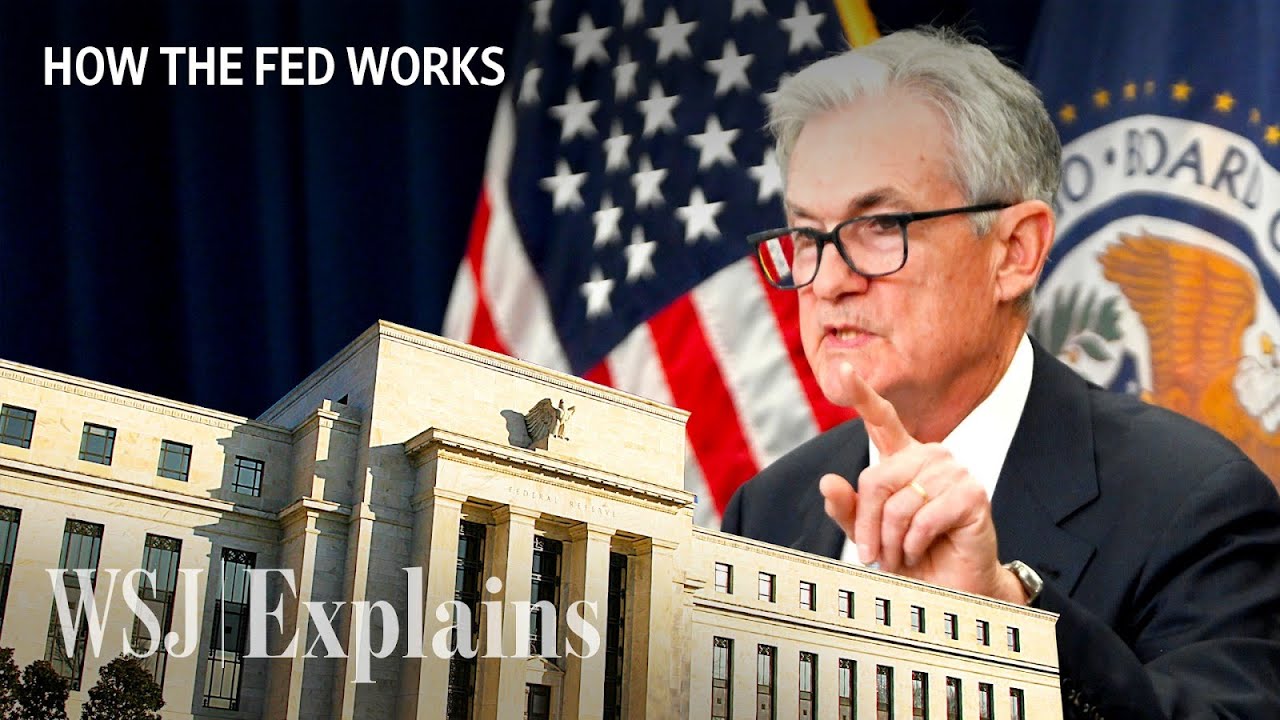
Wilson Progressive which really needs to be properly understood because what is this this was an academic that didn't even win the pop it didn't even win a majority he was he only got in because there was a split there was a split vote with I think Teddy Roosevelt or a splinter party and just comes in as a utopian that thinks that we need to have a a kind of Princeton educated managerial class running the show and proceeds to do stuff like create the most undemocratic institution in the United States the Federal Reserve yeah among all
these other atrocities think think of the income tax right these these reforms are always introduced as the most benign and modest of reforms like the income tax everyone was convinced oh this is only going to be on the on the basically the top 1% type people and it'll be this very minimal tax we just you know and it's always just that camel's nose in the tent where you get something like the Federal Reserve or you get something like the income tax and it's Justified as this minimalist thing but then the foundation is set and they
just build on it from there and you know they did a great job right away though right so it's not 1913 then immediately start printing money like crazy for World War I cause a boom and bust and then screw up in the opposite direction and create a Great Depression they did a great job I I've had a book concept uh there's a genre called like uh what's it called like historical fiction like what's the one where they go back and it's the Nazis actually won World War II Oh The Man in the High Castle man
the High Castle right deeply upsetting TV show to watch very you know and and uh but there's a genre of fiction that that goes back in history and they change something and then you fast forward and you kind of see the impacts and I've long thought about doing a book where there would be some time travel component to it and you go back to 1910 1913 the dawn of the Progressive Era woodro Wilson the Federal Reserve income tax 17th Amendment all these things that we're talking about what would it look like to go back in
time and I mean one aspect of the story is you just assassinate the right people and then you know hope nothing happens a little more morally dubious yes so so the more morally appropriate one is what if there was like a a ronpaul revolution style Awakening uh back then what if what if you go back and create this kind of Uprising for individual freedom and get people to to see the writing on the wall to push back on the Progressive agenda what would today look like Fast Forward over 100 years if we did not have
the income tax if we did not have the Federal Reserve that like we think we're a prosperous culture you know I I I think the size of the government would be much lower I think the prosperity and Innovation would be much greater the wars would be far fewer which means we'd have more humans which means more Ingenuity and and like it's so fascinating to think I the utopians that we've been talking about the Francis Bellamy and the Horus mans and all these guys like they fashion themselves as utopians or the collectivists and others but man
I think like what how much Better Could the world be if we did not have all these policies in the past that we've had I don't know that I'll Ever Write the book but when we talk about woodro Wilson in 1913 I often kind of think man the world could be so much better uh different in a good way today had we not gone through all that and laid those foundations that FDR built on and everyone after them if you like that clip we've got a lot more where that came from be sure to check
out our full conversations by subscribing to the channel so you won't miss our new videos as they come out each week h