my name is Tara Niemeyer I'm chief executive officer and chairman of the board of k-ci technologies I'm going to talk a little bit about the engineering ethics scandal that occurred in the 1970s with the Vice President of the United States um it took place over the late 1960s and early 1970s during the Nixon Agnew administration of the presidency my firm k-ci technologies was a predecessor firm of a firm called Matt's childs and associates they were headquartered in Towson Maryland and they were a firm working in the private sector and they were having trouble getting work
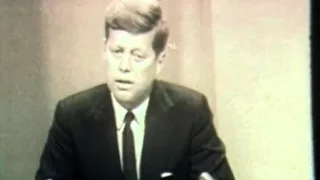
in the public sector and they couldn't figure out why they weren't getting work in the public sector and then one one person whispers to another and they found out that in order to get work in the public sector you would have to kick back 5% of whatever your engineering fees were to an elected official and an official part of a County organization and in doing so they would get work provided they would kick back 5% of their proceeds to this elected official that elected official in Baltimore County happened to be our County Executive who becomes
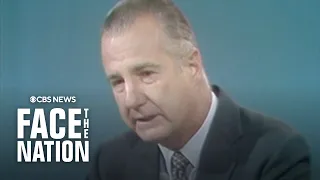
the vice president who was Spiro Agnew he was not the only one there there was a there was a director of the state roads Commission of Maryland who also was convicted of the same type of crime of income tax evasion in addition there were seven engineers who agreed to be given immunity from criminal prosecution if they testified against them in these seven engineers all from Baltimore County engineering firms including the two principals of the firms that I now manage agreed to testify against them they lost their ability to practice engineering they lost their engineering licenses
they were forced to lose their ownership interest in their firms and at the time they were doing this multiple engineers were doing this in Baltimore County they weren't alone there were a group and again I don't know the number it's at least seven could be closer to 15 but everybody this was how you procured work in the public sector um and that's what they did and so this cash flow would take time to produce and then they would give money to their public officials and if you recall during those days the County Executive Agnew becomes
the governor of the state of Maryland and so these contracts that were going on when he was County Executive also were there when he was governor so they actually had to make payments to him when he was the governor of the state I'm in the lo and behold on Richard Nixon slates him to be the vice president um they have to make payments to him as a vice president when I did my research on this it it shocked me as I said before if I were the vice president of United States and somebody called and
said hey I have a bag full of money for you and that we're not talking great sums of money so at the time the dollars amounts were in the five ten thousand dollar range so it's not like they're a lot of something I would have thought the vice president at the time would said look I know we did this before but now I'm vice president I really can't entertain this but I do think the greed motive comes in and takes over and again I look at it that once you cross the line it's so easy
to continue to stay on that other side of the line that I felt that that's probably what these elected officials and high officials did they had they were already a little bit dirty and this was just making them dirtier so they're already a little bit dirty what the heck and so I think they self justified it in that those ways but I'm still shocked that something like that could happen at that level money was actually exchanged in the basement of the White House which is when the firm principle the firm that I now manage kind
of said something feels wrong with this and essentially a seeks legal counsel and does a variety things to protect himself but it loses his engineering firm and his ability of practic to practice engineering by violating ethics codes now the ethics codes that could be three that would exist one would be the Code of Ethics saying you're not going to bribe public officials or dishonor the profession clearly that is a clear violation of that ethics and there's a second ethics code that talks about unfair competition and by doing these acts were they creating an unfair environment
for themselves and the answer clearly was yes for those who paid off that was unfair compared to those who did not you know and then there is the last one which is a little bit of a reach but again the conflict of interest is there a conflict of interest if there is a high ranking public sector official benefiting financially from you getting an engineering contract on all three of those were obviously being violated um at that time um and again I think it's a misuse of tax dollars because obviously tax dollars are being used to
pay for these funds so if they pay you a dollar five and then you give them a dollars worth of services and then five dollars then is fed back to this public ranking official the public is only getting is getting five percent less of what they had tacked been taxed for and again obviously you're getting five percent less project worth what was the ultimate downfall the Vice President United States what was his crime well his crime wasn't accepting the bribe or accepting the kickback his crime was it was the Al Capone crime he didn't put
it on his income tax and so thus they had him for income tax evasion back in the 70s there were not what I view to be Rico and public sector statutes that strictly prohibited it today clearly it would be a prohibited offense but back then it was a little bit of a gray area and so obviously these events of these officials taking this back doesn't appear at the time and I'm not sure because I wasn't around then to be a criminal offense it was just an offense of a mistrust of the public or a misuse
of public funds but you know was it criminal I mean I didn't see any criminal violations but the environment back then was that if you worked in this county and you were an engineering firm and you wanted to work in the public sector um this is what everybody did and that because you did this you were just following along with what everybody did and I think there's a lesson to be learned in that in that if somebody is doing something that doesn't feel right even if everybody's doing it if it doesn't feel right it probably
isn't right and you really shouldn't be following the lead with respect to these things because ultimately if you in this case if you kind of find that this is not a good thing in the basement of the white house well what's the difference of the basement of the white house or the basement of the State House or the basement of the county executives house they're all the same and then essentially if it feels wrong you know you shouldn't do it and you should live by an ethical standard that keeps you above that not not put
you within it I had the fortune or misfortune of knowing mr. Matz and mr. childs personally mr. wet mats has passed away mr. childs is still alive and and they firmly believed that everybody in their business sector was doing this um they they just struggled on why they couldn't procure work they had the qualifications they had the people they had the licensure and they weren't getting work and they really believed that everybody was doing this not just a select few so they didn't view that there was this unfair advantage at all at the time the
projects didn't get affected adversely because again as engineers we design projects that are safe and travel to the public a lot of them were roads projects there were a few water and sewer projects the projects weren't being affected at all but the firm my firm ultimately gets affected because again it as you become the firm that become reports this the firm essentially doesn't get debarred but almost it becomes impossible for us to procure work in the public sector for a period of five to ten years where literally the firm had to look elsewhere outside of
the state of Maryland in order to do work because in Maryland in the public sector we were viewed as persona non grata and they weren't going to do work with us so the thing I've Illustrated is Spiro Agnew and that that's a very exceptional case very high-profile I mean you can't get much higher the vice-president United States and to bring that down to a level where an engineer might see that is something as simple as when you cross the line how much is enough and when is groupthink not the right thing and again you'll have
that in your career sometime during your career be it whether your computations are checked whether your timesheet is correct whether you're being asked to do something in an unsafe environment and again just use the background that you had you're not trained in ethics in college you're trained to technical ability and again I'll suggest to you that your ethics training was given to you by your parents and they'll tell you whether it was the right thing in the wrong thing and just remember that you need to stay on the right side even though these pressures exist
and there are avenues for you to kind of get around this pressure this boss superior relationship that you can take advantage of most young engineers that are you know just graduating school aren't going to see this happening because this really happens at senior levels you know but as a young engineer just keep your moral compass pointed north and if it feels bad or if it's something that you wouldn't want to read about in the newspaper next day or on the internet the next day it's probably is bed and so don't do it keep keep that
compass straight and don't be afraid to go above your superiors head if in fact your superiors the one doing this unethical act in your opinion without work without worrying about the repercussions of losing your job because obviously if you're working in a firm that has a superior that does this you may not want to be working there to begin with I think that there's a moral dilemma that occurs where you need to make a judgement over what is right and what might be right for me so in a scenario where someone's saying I have a
job and I'm supporting a family and I have my kids in school and I need to make sure I'm bringing food home for them but then I have potentially this unethical action occurring within the firm that I'm working on you need to weigh the pros and cons of that that obviously your moral dilemma is there's something wrong going on and to you might not be the engineer that would blow the whistle because you're worried about your job and again yet my advice to them would be to either get that moral compass where you would blow
the whistle or if you're not comfortable doing seek employment elsewhere and working for firms or agencies or other sectors where this isn't occurring because again I think you need to remove yourself from that environment and that's hard to do let me comment about the pressure as a young engineer we'll be under and again there are numerous and again it's something that you need to be able to come up with good mechanisms to combat them and again as a young engineer you may be pressured to do certain things that you don't feel comfortable doing but yet
if your boss is telling you to do it you almost feel compelled to do it and I'll use a good example so that if you're working on one project your boss says I know you're working on this project but I want you to charge your time to another project now I say there's an there's an ethical line you're crossing when that happens because you're working on project a but you're charging your time to project B and again I think you need to put the stop sign up as a young engineer to say look I'm going
to fill out my timesheet the way I fill it out should you choose to change that that's your business but my business is is I'm going to do the timesheet the way I want to do it that's the biggest issue at least in the private consulting industry that you'll face because there will be pressures associated with a project that's over-budget and a project that's under budget so move time from an over-budget project to an under budget project and what you have to do is kind of combat that and say I'm going to do the right
thing and again those pressures will happen you'll be pressured to do something quicker than you'd like to do it so you're designing a bridge computation and typically a bridge computation requires someone to design it and then a third party independent checker to check it somebody said oh you don't need that third party check and again rely on your quality procedures and your training to say no this is how things are done and when we're designing bridges we do this for a reason bridges don't fall down because we design them with safety factors and we have
two independent reviews that occur and insist upon those type of things it's going to be very hard for you to do that because your boss is going to say I need this by Friday I need this by Friday but I think you know a good retort is is that how important is Friday can it wait till Monday and then we can have somebody check it over the weekend there are support mechanisms in large firms such as my own firm you know you can contract with a third party outside confidential service it's like a 1-800 number
you call this 800 number and you say I have this violation that occurs or I see an unsafe work environment that needs to be remedied and my boss isn't listening to me and these third party agencies then notify the appropriate people in the firm that's out of the chain of command so that doesn't get you into the superior subordinate negative relationship to allow you to do that so those exist now I would suggest that many firms don't have something like this on many do I mean certainly if you're a larger firm you do but those
are support mechanisms that allow you to do this again I use the support mechanisms of ASC because you read their ethics by lines in their magazines and they tell you of these various situations that occur and what the corrective action of the proper action was and so you use that as education as well as the educational program on ethics you need to have ethics training in many states in order to maintain your licensure so you're getting bombarded with this at least one credit every two years that you have to think about this and discuss this
so you have these resources to educate you and you have these I'm going to save reporting resources that are done confidentially and offline if you see some things that occur in the workplace you know say something if your boss doesn't listen go above your boss use these confidential hotlines do something because again in our business it can save lives