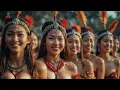
it's fascinating to explore China's tribal past a country that many don't immediately think of as having Warrior societies contrary to the common belief that wild tribes were limited to places like the Amazon ancient China was also a Melting Pot of tribal cultures with a rich Warrior tradition the area we now simply call China was originally a patchwork of hundreds of distinct ethnic groups each with its own cultural practices and ways of life in the East the tribe led by taiha better known as fushi stood out while the wrong and D tribes dominated the north and
west to the north the ancestors of the formidable Xiang nuu and Shian Bay were known for their resilience and Marshal skills one of the most notable among them was the tribe of hangi a legendary leader who not only LED his people in battles but also had Ambitions to expand and dominate the vast Central Plains it's intriguing to dive into the history of ancient tribes and see how they were shaped by their leaders influencing their identities over time the names of the tribes often honored these leaders and those names could change when leadership passed to a
new chief for example the Hang D an ancient tribe were originally Nomads from the mountains of jolu the name hang D reflects their connection to the bear totem symbolizing their mountainous Roots as they moved to the central plains the Hang D adopted a tougher lifestyle f focused on Gathering and raising livestock their story is full of dramatic conflicts and Monumental victories like their triumph over the Yan tribe and the defeat of the nine Choi tribes these events not only solidified the Hang D's presence in the heart of China but also turned them into legendary figures
whose heroic Deeds continue to capture the imagination of the Chinese people to this day 5,000 years ago the yangi river valleys were already a true cradle of civilization the hudu and majab bang tribes Pioneers in rice farming kicked off a saga of agricultural innovations that would later flourish in the leang juu culture this culture inheriting the long sha Traditions from the central plains not only expanded agricultural knowledge but also contributed to ongoing cultural enrichment starting in the 9th century BC Northern tribes like guu and Yu began to deeply engage with China's cultural and political fabric
a movement that turned them into masters of military strategy and local politics thanks to their prime location between swamps and rivers these tribes excelled in the art of ship building and warfare even being celebrated in epic songs they also left their Mark in metal working and sophisticated manufacturing techniques Paving the way for significant advancements in their societies throughout history the influence of ancient tribes on Chinese politics became significant they stood out in T battles like the campaigns against the state of Chu which became legendary the long-standing conflict between woo and U which lasted for three
decades ended with the victory of king gujan of U who defeated Wu this era of conflicts was crucial for the rise of chiner hangi the first emperor to unify China under his rule the territories of Wu and Yu were incorporated into the expanding chin Empire reaching all the way to Guangdong with this annexation new administrative districts were created and local leaders were absorbed into the central government solidifying Chin's control over these regions during the Han Dynasty the UA territory was split into two parts nonua in the South and minua in the Southeast nonua briefly emerged
as a power under jao tuo before being fully conquered by the Han forces showcasing China's ongoing process of expansion and cultural ass ation the story of the UA reveals a fascinating chapter in the cultural formation of China gradually much like the sea shapes the coast Chinese settlers Advanced into lands traditionally occupied by the UA pushing these communities into more mountainous and less productive areas unlike the nomads of the steps like the Xiang new and Shian Bay the UA were considered peaceful and didn't pose a significant threat to the Chinese Empire they focused on agriculture with
women women typically tending the rice fields while men took on the heavier work of the land over the centuries most of the UA population blended into the Chinese ethnic and cultural fabric enriching the country's diversity today many of their descendants live in the provinces of J Jang and Guang dong fully integrated into contemporary Chinese culture however there are still groups notably linked to the taai peoples like the Sha muang da and Jang who have managed to preserve their unique cultures and identities some of these groups chose to move even farther seeking refuge in areas dominated
by the monm keeping a vital connection to their ancestral Legacy the fascinating tradition of the Shaolin Monks Blends mysticism and physical skill in a unique way capturing Global attention these monks aren't just masters of self-defense they follow a deep spiritual journey that balances body and mind rooted in the principles of Zen the strength of the monks seen in Feats like breaking bricks and wood goes beyond simple physical displays it reflects deep discipline and mental control the popularity of the Shaolin Monastery has grown a lot thanks to movies and stars like Jackie Chan but behind the
Hollywood glamour lies an authentic Legacy of ancient practices on the border between cultivated lands and the vast steps stretching from Hami in the west to shingan in the East there was an enigmatic group of of tribes collectively known as the hill dwellers known to the ancient Chinese since the 7th Century BC as the wrong or who these tribes were famous for their Marshal skill and unshakable bravery historians believe they may have been the ancestors of the tangut Clans living in the regions covering the upper and middle reaches of the Yellow River up to sichan during
the Iron Age intriguingly these tribes had a unique matriarchal structure during the day women were in charge and Men followed their orders A system that only began to change with the gradual process of sinzation The Saga of the wrong ancient inhabitants of China often labeled as aggressors or barbarians unfolds in Rich and intriguing layers they are seen as the ancestors not only of the tangat but also of some Mongol Clans and the Xiang new artists from ancient China used to depict the wrong and their tanget descendants with features that were a mix of mongolic and
Caucasian traits reflecting the times of territorial expansion the descendants of the wrong the tangut inherited a rich cultural tapestry from ancient tribes and Tibetan Nomads adopting principles like Zen philosophy at the height of their power between the 11th and 12th centuries they Rose as a formidable Force even challenging China the tangut Warriors known for their bravery and seeming immunity to pain were the backbone of Shish a power powerful state that emerged from the ruins of past civilizations extending its rule over vast areas of what was once known as the Middle Kingdom the once powerful tanged
empire fell due to the complacency of its Warriors who lost the toughness they once had in the face of non-existent military challenges over time this lack of resilience wore down the Empire's defenses leaving them vulnerable to younger and more motivated conquerors by the 13th century this decline led to the complete fall of Shish marking the end of a historic chapter for the descendants of the wrong when genas Khan rose with his unified Nomads they not only took control of China but also wiped out the tanged lineage of the wrong this was a turning point reintroducing
a period of intense changes and tribal conflicts in the region going even further back between 1766 and 1122 BC the state of sha Yin also known as Jong Gua th red as a stronghold of power however like many ancient civilizations it was eventually overtaken by the Joe in that era Kings known as wangs like Wu Wang would Grant land and titles to their loyal allies A system that unfortunately also opened the door to corruption in ancient times military training consumed the lives of men who spent years perfecting their combat skills while women managed household duties
and prepared food as the years passed the state of Joe began to crumble due to constant internal conflicts and Wars between tribes breaking up into several smaller feudal States the battles of that time were so brutal that accounts describe cities and Fields covered in bodies after the fights one of the darkest moments in history happened in 260 BC during the Battle of changping where chin forces in a display of Cruelty and Military strategy captured and buried alive around 400,000 Warriors from the state of jaia Chin's military strategy was notably effective combining the strength of young
recruits at the front lines with the solid protection of veterans in support forming a strong defense that remained resilient even in the toughest situations the xiong new a formidable Confederation of warrior Nomads from Asia made their first appearance in Chinese historical records around the 5th Century BC due to their frequent raids the Chinese were forced to build various fortifications which eventually connected to form what became the Great Wall of China at the height of their power in the 3rd Century BC under the leadership of a powerful shanu the Xiang nuu Consolidated an extensive tribal State
stretching from Mongolia to Southern Siberia and from Manchuria to the pamir armed with an impressive force of 300,000 mounted archers the Xiang new Army was known for its mobility and skill posing a significant challenge to Chinese forces forces despite the strength of the Great Wall it wasn't enough to fully protect China's Northern borders as a result to counter the xiong new the Chinese turned to diplomatic strategies and marriages between Elites aiming for a cultural Fusion that would promote stability and peace in the 50s BC the Xiang new Empire faced significant internal conflicts while some chose
to live under Chinese control others ventured West to Central Asia this split marked the the beginning of a series of events that would lead to memorable confrontations for example in 93 ad a strategic alliance between the Chinese and the Shian Bay LED to victory in the Battle of ybi against the xiong Nu fast forward to 155 ad Shian Bay Commander Tian shihai secured a crucial victory that fractured the Xiang new into four factions one of these factions joined the Shian Bay another settled firmly in China a third ventured as far as and the Black Sea
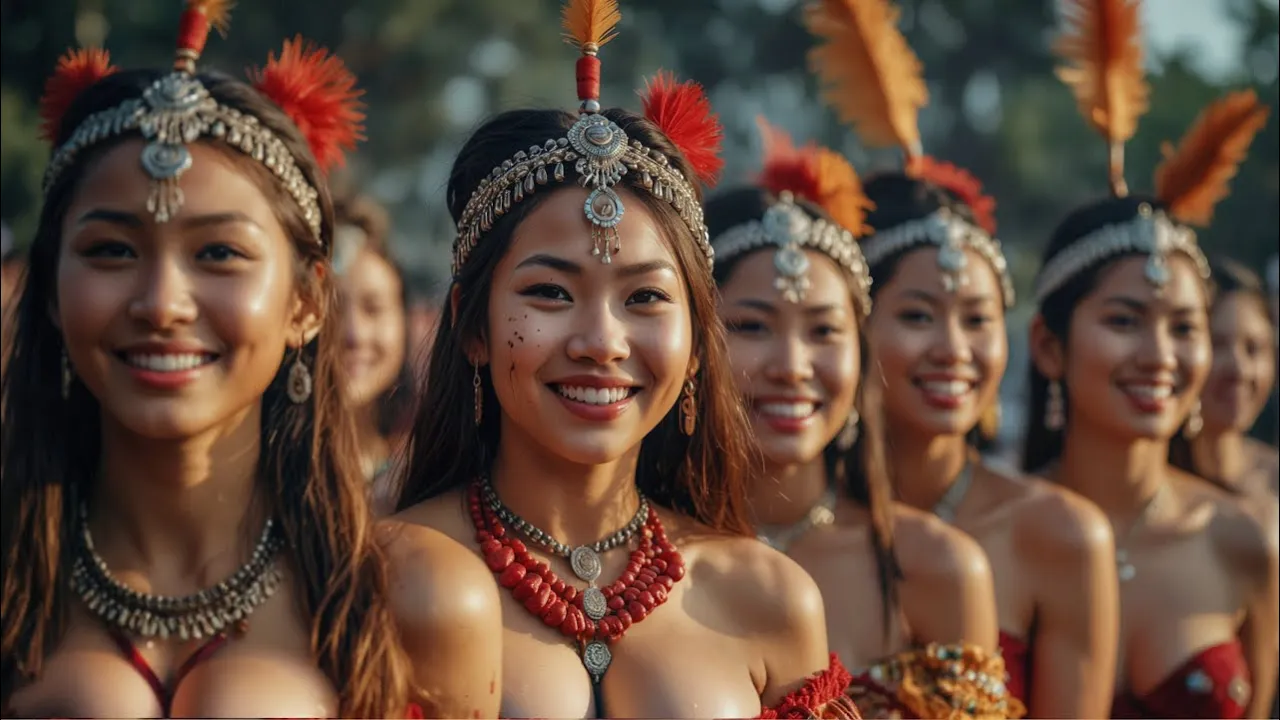
and the last migrated even further west reaching the areas around the vulga and Dawn rivers over time it's believed that the Xiang nuu who mixed with turkic and ugric tribes were the ancestors of the Huns in Europe in the heart of the Himalayas near the peaceful lugu Lake lives the fascinating mosuo tribe a living remnant of ancient matrinal cultures in this community women are in charge they own the land make key decisions decisions and control finances passing down their assets from mother to daughter this social structure is a stark contrast to more traditional Chinese Norms
like arranged marriages the most unique practice of the mosuo is the zoh Hun or walking marriage which allows women starting at age 13 to choose their partners for secret nighttime visits these lovers enter homes by hanging their hats on hooks fixed to the doors signaling that there are guests with no formal commitment children from these unions are raised collectively by the extended maternal family where multiple Generations live together under the guidance of the matriarch the eldest and most respected woman in this family Mosaic while women handle the more demanding tasks men tend to take on
lighter duties the mosuo offer a rare and intriguing glimpse into a society where women lead both at home and in culture for centuries the mosuo community in China remained distant from the fast-paced cultural development of the rest of the country protected by their remote location which required a week-long journey to the nearest city this isolation preserved their unique way of life which today has caught the attention of the Chinese government not as a people to be assimilated but as a valuable tourist attraction in luos Shui elements of mosuo culture have been adapted to entertain visitors
though this tourist version isn't always true to the reality of the people but beyond the Curious eyes of tourists in more remote Villages the mosuo still preserve and celebrate their ancestral Traditions passing down their values and practices from generation to generation in modern China it's rare to find ethnic groups that resist the growing pressure to conform to the dominant cultural molds the government's trend has been to promote a homogenous culture which often puts traditional communities at a Crossroads between modernizing and preserving their unique cultural identities