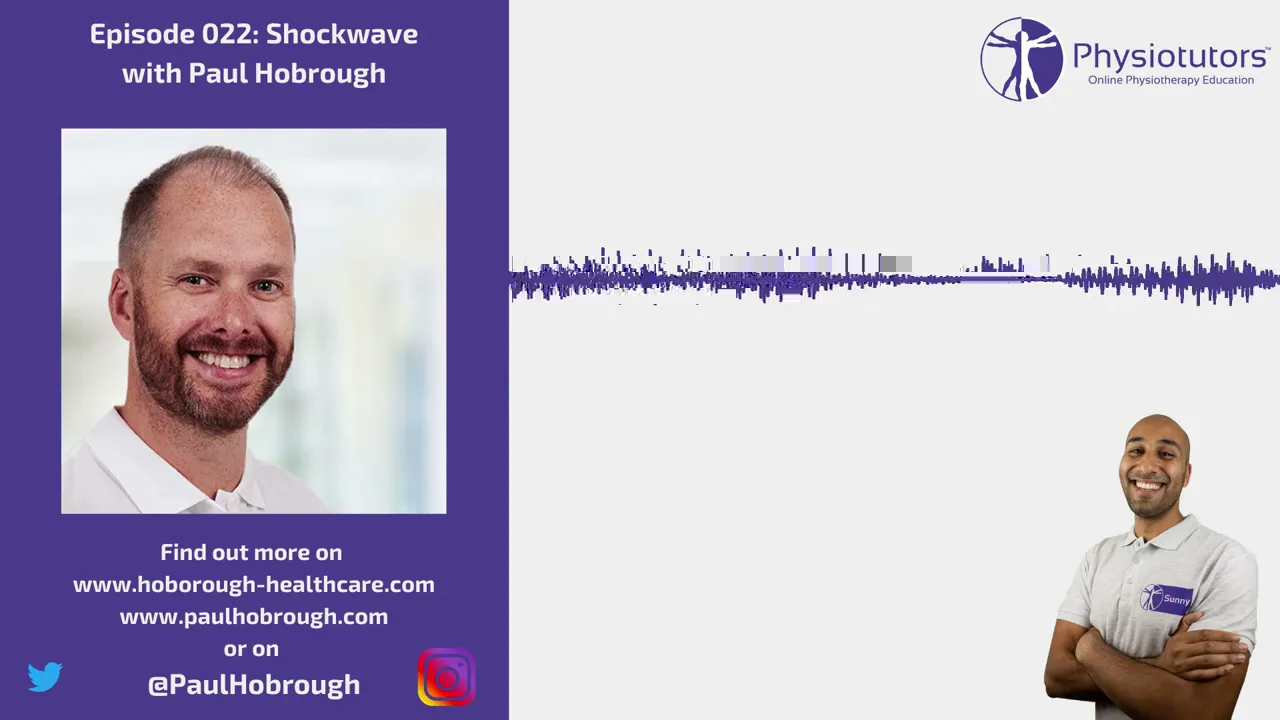
[Music] hey everybody and welcome back to another edition of the physiotutors podcast today we have with us paul hobra and paul is a physiotherapist from the uk who specializes actually in shockwave treatments and he's been doing shockwave with some of the best i think a name that most people will be familiar with is Paula radcliffe who's been working with her in the past and utilize shop wave there i was also a mentor for clinic owners and an educator teaching shockwave the different types of shockwave the main juice of today's topic so paul that's enough for
me why don't we take a couple minutes and you can introduce yourself give a little background on yourself and then we'll Dive on in okay yeah no thanks so much sunny for for having me on the podcast it's a real pleasure and an honor to join you all and yeah look so i've been using shockwave for getting on for 10 years now i came to it because about 15 or 20 years ago i really looked deeply into the science surrounding shockwave and i sort of came up a little bit bemused Because there was so much
that said this thing like doesn't work and a lot of stuff that said this thing does work and i put it to one side because somebody that was mentoring me at the time said our shockwave doesn't work leave it alone and i've never really liked that sort of knee jerk response i think that science is there to guide us it Shouldn't blind us i i really feel that strongly anyway so now 10 years ago approximately you're quite right i treated some of the greats of track and field and paula radcliffe in particular explained to me
that she'd been using shockwave she was coming over to london to to you know compete in the marathon and she wanted me to do some treatment with her and she was like have you got a shockwave machine and i Was kind of ah you know i don't think it works and and i was one of the sort of key naysayers and i basically reached out to a equipment manufacturer and said i said look there's any chance i can borrow this i'm treating you know the world record holder in the marathon they said yeah look grab
a unit and i went off and i treated her Honestly i was really really shocked by how it's just that little bit more difficult to get right than perhaps you assume it's like a little thing and you point and shoot right and so i really became interested in the the technical way in which you might teach this but also the results i was blown away by because i had this machine for a while and i would Literally say it is the single greatest thing in terms of how it's improved my clinical outcomes in 20 years
of of doing this job and so i was really bought in but there wasn't a structured way of teaching people so i read and i read and i researched and and i found myself writing protocols for different types of injury And testing them out based upon the science and i guess my my journey through it has been significant because of the way it started but also i guess you could say i was one of the early adopters and so i found myself almost by accident becoming one of these key opinion leaders i i guess just
posted history of me i was an international athlete for 16 Years flatwarts kayaking during that time i was injured a lot and it was the physios that i saw that i thought you know these people are literally putting me back together and i thought they were incredible so i decided that's the route i wanted to go however i'd already embarked upon a exercise physiology degree so i did sports therapy through you know into a masters and and Then i went topped it up with a physio degree so i ended up with lots of um of
qualifications did a little bit of time in the nhs but fundamentally have worked in my own practice i treat you know 10 to 14 people a day and 80 of those want to have shockwave and i give shockwave to them and i get great results so i guess i've become something my journey would be i was a naysayer i Was saying it doesn't work i once you get that confirmation bias all you read is the negative stuff and when you flip your brain into looking at something and start to look at things a bit more
positively then you can start to you know view something in a different light and one of the things that i think happens with shockwave therapy is people Don't understand it so it's easier to go right i don't understand that so i'm just going to look at all the negative stuff rather than saying actually this is a new challenge i'd like to open my brain the international society of medical shockwave treatments the ismst which is our international governing body they report over 250 academic papers to do a shockwave coming up every single year Now and that's
actually creeping closer to 300. to give that an idea it is more than a paper every other day and in that sense the body of evidence is growing that new stuff is a little bit harder to get hold of and it's easy to go and find a paper that is both underpowered um a poor protocol and a terrible application where in my opinion Obviously that wouldn't have worked nothing works 100 of the time so whatever you want to look at the biopsychosocial model pain science nothing works every single time and yet you can drive a
truck through some of the research that shall we say people that speak loudly about these things promote their confirmation bias of this is the only way to go But actually you can find negative research on everything it's just the fact that with shockwave people go oh i don't understand it so i'm just going to read that negative stuff and push it to one side and i just wish that you know we could be a little bit more open-minded and and stop denigrating things because they're called a passive therapy and everyone Seems to hate that at
the moment when we get stuck into it it is phenomenal in what it can do but of course it will not work for everybody absolutely i mean for myself one of the interesting things there that you said is around 80 percent of your patients shockwave patients for myself i use it for overuse injuries tendinopathies medial tibial stress syndrome plantar Fasciitis that's been going on for for quite some time so chronic injuries if we put it that way that's something i definitely want to touch on to but i suppose before we get on to that maybe
it's a good idea to explain to people what's actually happening with shockwaves like you say people just don't have an understanding of how it works and even when talking to some of my colleagues as well That's something i hear from them and i sit there thinking i don't know i've had so many positive results with it touch with today everyone that i've used it with has had a positive outcome but i do know like you say it's not guaranteed and i explain that to the patients as well before i use it there's no definitive 100
this is going to be your answer i use it as a sort of last chance saloon Before we look at anything else back to an orthopedic or something if something happens there today i haven't had to go that way so maybe it's an idea to explain to people what's actually happening when shockwave is used and the different types of shock wave as well of course yeah sure so if we look at the kind of biological effects so mechanic transduction is the thing to really highlight here Now you get mechanic transduction when you do gradual calf
raises or graded exercise program so mechanic transduction is possible outside of shockwave but what shockwave does is it stimulates the microscopic blood flow it has a release of nucleic acids and nucleic acids basically um string nucleotides That that come from dna and rna that express our genetic information it also improves the release of you know our new building blocks of cells so fibrocytes osteoblasts so it can work on all soft tissues including tendon ligament muscle and fascia and and it can also work on bone now this is where the distinction between radial pressure wave which
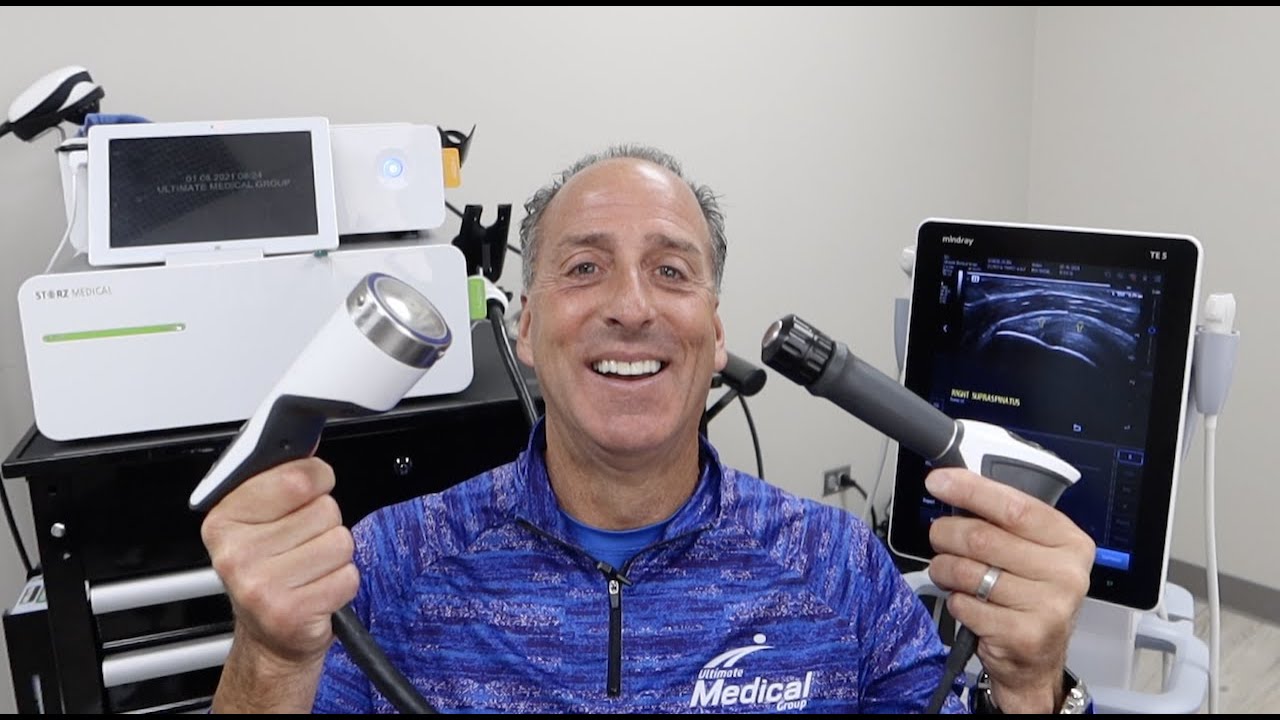
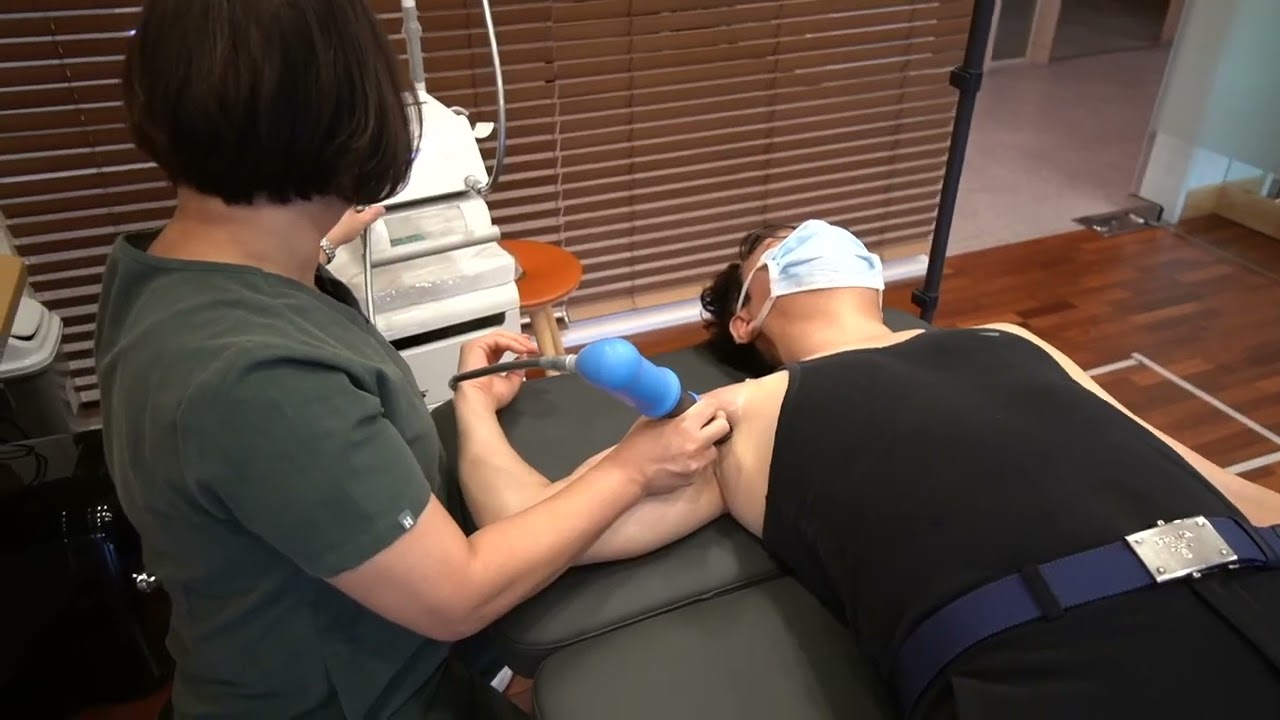
is What most people would call shock wave and most people are using which is the machine that's got the the long thin applicator and you can on many of them you can change the ends there so they've got different metal on the end and true shockwave which is focus shockwave which is a much fatter applicator and you just have two standoffs Now a lot of the research has been done actually on true shockwave focus shockwave and there's been a great deal of extrapolation into the radial pressure wave so to my point earlier if people are
reading about focus shock wave and then using their radial pressure wave as the application saying well that didn't work as i expected They're using a moped where what they the science has been using is something you know more akin to a ferrari so we need to first of all understand there's these key differences in terms of how this then biologically works so we are promoting you know angiogenesis we're promoting new cell life in those tissues so as you quite rightly said there sonny in Most cases where people feel most comfortable using this is in a
chronic state we're actually looking to if you like almost use a metaphorical defibrillator to restart healing process so the way i like to say it is when you shockwave when your body has got past that first 72 hours of great automatic healing after let's say an acute injury the body Becomes pretty lazy and and it's ever decreasing circles of efficacy until you give it some sort of impetus that might be your exercise prescription it might be just getting the person moving more what shockwave can do without creating any damage can actually get you back into
that first seven to two hours where we've got that You know automatic healing process going and if you do enough sessions of that then you can expect to see a response not immediately but actually the response times can be up to three months after you've done a proper course of shockwave so whether you're using radial pressure wave for superficial tendons and alike or whether you're Using focus shock wave on those superficial injuries or actually trying to go deeper which it can do it shouldn't be seen as a pain treatment although there's an immediate reduction in
pain which is where people say um that shockwave is just a temporary pain reliever that's almost like a happy byproduct yes we use hyperstimulation anesthesia which Is a bit like your tens machine where we confuse the nerves and so you feel less pain for a couple of hours or a couple of days we then are having an effect on the pain gait cycle and this isn't a pain lecture but i'm sure you've done lots of those things on physiotutors so that you affect the pain cycle so that as you know is a slightly longer term
reduction in pain but that still isn't the reason that we're using shockwave That they are almost they almost get in the way of your management of that patient because they jump off the couch go great i feel amazing and that plant fasciopathy that then goes and does hill reps because they don't feel any pain anymore that's the negative you almost got to hold them back and and say to them you know this is going to be a trans transitory thing So where we look at with with shockwave is we apply the right dose at the
right energy level over the right number of sessions and then we wait for those changes to be made so for example there are some amazing studies being done where they effectively have created paraplegia in in the back legs of rats and then they've got a control group they they've got the normal Rat and then they've got the the rat that takes some shockwave and after after three months whilst the previously lower limb paralyzed rat was unable to walk and was dragging themselves forwards they are now back to walking not quite as good as the as
the control group so we're having a huge effect on nerve tissue and the regeneration of nerve tissue and they're actually Starting to use it in things like cerebral palsy and they've got a big study going on now all over austria where acute management of acute nerve injury is being managed by focus shockwave therapy and the early results are looking incredible but obviously it's too early to say so if we can now agree that what we're finding is we can work on soft tissues We can work on bone and now we're having a good effect on
nerve tissue we are rebuilding the blocks of all of these different tissues and having a regenerative effect on them which takes a minimum of three months to really show its maximum effort and where the the studies are underpowered is that they're not using the right settings they're not doing it enough times and they're trying to Measure the outcomes too early and in all those scenarios any application of any type of treatment is is going to unfortunately come up wanting isn't it so as we get better at displaying these results and we get better at the
methodologies something that was only 40 years old is still growing into new areas so the way that i'd describe shockwave to Cap off a long answer to your short question is that typically it will get people on a return to play about 40 faster it has an 82 success rate across all metro analysis we are increasing microscopic blood flow we are increasing the um the cell proliferation with true shock you have not only an effect on the release of stem cells but also how those stem cells stem cells are targeted And where they're targeted and
we are able to reach areas of the body which fundamentally with a lot of other other treatment options we just can't get to and so that regenerative process is something which if we wait for the three months and a huge number of people we will find it and and just finally to your point i don't just wait till An issue is chronic because there's a lot of evidence coming up about how you can use it really really well in an acute setting as well sorry long answer no that's great it's pretty in-depth i i think
it brings up two important points as well one of which i go in terms of the amount of treatments i go four to six generally speaking and if i feel like more subjectively there's potential Maybe we need to go on a little bit longer for this patient up to a max of 10. so that's the amount of treatments but the thing that with myself i know sometimes is a little bit touch and go is you mentioned that energy to use as well what energy levels to start with so at least how i do it is
i try to do it so that it's bearable at that point in time With the radial shock wave for the patient so i'm not overpowering them so to speak with it why don't we start with the energy side of things how do you decide on that what's applicable for your patient or the problem and then after that why don't we touch on how many sessions you think from evidence and from experience is appropriate as well yeah okay so from a from an energy point Of view it's really important that you understand that it's not necessarily
more is more what we're trying to do is to get the right energy level so we have some kind of underlying goals of where we want to get to so radial pressure wave is measured in bar pressure that's what you will see on the on the handpiece and focus shock wave Is measured in millijoules per millimeter squared or energy flux density is what we talked about there so in an ideal world from the initial studies and many besides they try to get to in the radial pressure wave at least a 2.5 bar pressure now because
the radial pressure wave is more sensitive because you have to think of radial pressure Wave as being a bit more like a light bulb so the greatest energy is at its source where you've got however the delivery is let's say it's electro hydraulic so we've got bullet inside the the handpiece that then impacts on metal as that touches your skin that's where the greatest energy is and it has a half-life so it gets less and less it goes into the tissue So it's really important to understand with the radial pressure wave we need to get
up to enough energy that we have a chance of reaching the tissue that we're trying to get to so something like an achilles tendinopathy where it's really superficial you can get to it nice and easily put the tendon on a little bit of stretch you're not losing energy because the tendon's bouncing around everywhere And you'd be fine working under that 2.5 bar pressure because we can be happy that we're getting enough energy in but it's always in relation to your patient feedback and you'll have talked a lot in your physiotutors podcast about pain sensation about
patient reporting of pain and all this sort of stuff and also the way in which you speak to somebody So one of the worst things i think that you can say to a patient is oh here's shockwave this is really painful but i need to see how much you can cope with because already you set that person into a a realm of um of issues and they probably won't be that good at coping with the discomfort what i say to people is in order for this to be effective you Must be able to feel it
you're in charge of the settings by telling me where you feel comfortable and then what we'll do is is we'll stick at where you're comfortable so we're aiming for about a 5 out of 10 on the vas pain scale and so you frame it to the person unless they can feel it it really isn't working which is the truth they've done studies on Splitting macrophages into and actually dampening down the senses and when you can't feel the shock where you tend to have a much worse result so that's what you know one of the things
that we need to talk about is the patient must be able to feel it and with them understanding that and then aiming for about five out of ten you'll find that because you've addressed that in the right way you would actually get a much Better outcome from them second of all treat the patient look at the machine second so take them up to their 5 out of 10 and then look at what numbers you've got don't go i must get 2.5 bar pressure because you could end up at 3 3.5 you might only be at
1.8 it doesn't matter as soon as we start going higher than 5 out of 10 on a bar pressure we're then starting to create a stress response in that patient And all those stress hormones are actually going to be a negative for what we want which is improved healing so stick to a 5 out of 10 then read what's going on in the machine if you are treating bone tissue and you look because the only real way you can treat bone tissue is with focus shockwave you must get up to and this is where we
switch to energy flux density 0.25 of the energy flux density So millijoules per millimeter squared now 0.25 if we loosely translate that into bar pressure would be around 5 bar pressure which is the maximum that all of the radial machines go to so on that basis if you could imagine sunny giving five bar pressure to somebody's tibia when they've got medial tibial stress syndrome You can imagine that all their hair would be sticking up on end and they'd be you know writhing around trying to knock the machine off you when you use focus shot wave
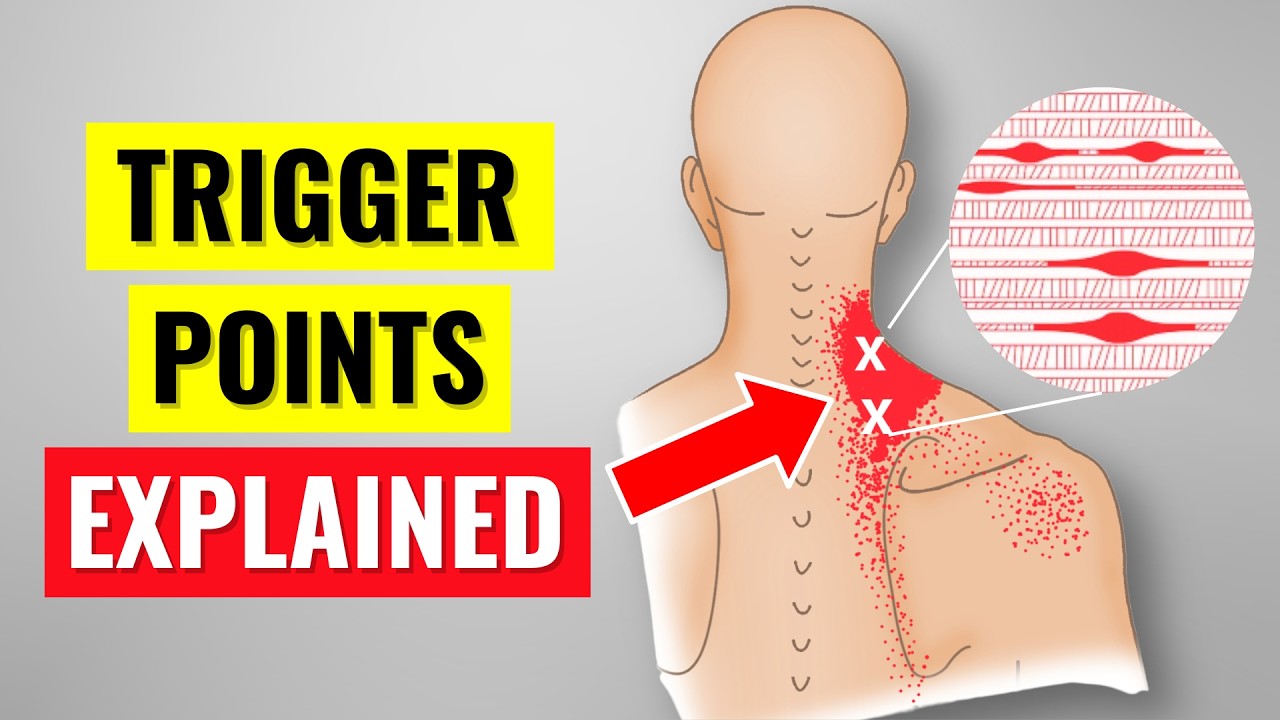
that's really eminently very very manageable so the general thing that the ismst referred to is if you're going to treat bone it needs to be with a focus machine if you're treating superficial tendons and you can get sufficient energy Then you can use a radial pressure wave radial pressure wave is much better for superficial muscle issues and it's much better for doing things like myofascial trigger points and all that sort of stuff so they each have their um their sort of number one treatment priority but using them in a combined way is pressure wave on
the muscle tissue on The superficial tissue and i will use focus shockwave on the area of greatest pain or the injury and when i combine those two i get far greater results than just using one on its own so fundamentally you are treating the patient you're recording the number they get to and then in terms of number of sessions the ismst pretty much across the board are talking About five sessions as their norm i do six and because you're waiting this three months sometimes you can get to the end of those five or six sessions
and the patient hasn't had a response in which case you say to them look we've got three months of remodeling of protein synthesis of collagen synthesis so let's wait it out and see where we are And i'll follow you up in six weeks and then 12 weeks and if we haven't had the result we want then again at to your point we can then start looking at other options some of the studies show that improvements in shockwave are greater at six months and greater still at 12 months but you know nobody realistically is going to
wait around six or 12 months for a response You know that that's like the surgical response perhaps isn't it so my view is if they haven't shown any signs of improvement by the end of the six weeks i'm not worried if they haven't showed anything by six weeks after we stopped treatment i start to become a little bit uh twitchy and if there's nothing after three months it just hasn't worked they're a non-responder They're part of the 18 and it didn't work typically by the time they come in for their final session so number six
and we start talking that's where they've had this big switch from yeah it's feeling a bit better to oh my god it's you know it's been a night and day change so that's why i treat six times because i want to be part of the full Journey the full process and stopping at five will mean that many times i will miss out on that ability to then get them moving more and develop that finite stuff to do with their with their injury management just to on another point because people are saying thinking that i'm just
doing this as a passive modality and professor rompe in 2009 and again in 2011 did a landmark study where they looked at doing graded Exercise programs on their own for achilles and doing shockwave on its own for achilles tendinopathy and they found they got exactly the same results yeah with controls and all the rest of it but there was another group that had shockwave and degraded exercise programs and they far outperformed both of those groups so that is the gold standard it's not about doing it as a passive treatment You're treating with shockwave and they're
doing the graded exercise programs and they will in in most cases end up with the very very best outcome that's sort of how it was described for myself by my mentor as well that it's something that you do need to do exercise on the back of it's not just the case just sitting them on the bench getting them in for five Minutes and then telling them all right up your truck you can go home now what sort of conditions then are you using shockwave with if we start the chronic side of things and then maybe
you can touch more onto what you've been doing more recently on using it with the acute as well yeah so the standard if you like six seven applications if we go from the bottom to the top Plantar fasciopathy achilles tendinopathy patellar tendinopathy high hamstring tendinopathy yeah there's a theme there isn't there greater trochanteric pain syndrome that these are the ones the ismst and everyone mentions mediolateral epicondylitis tennis elbow golfer's elbow and calcific tendonitis of the shoulder possibly i've added in the high hamstring but They are the the sort of the key ones that would be
called like the basic indications you then start looking at carpal tunnel syndrome morton's neuroma you said medial tibial stress syndrome we get great results when you're working with those peripheral nerves my favorite study of all thomas nadelka in 2014 looked at using radial pressure wave on Lumbar facet joints and he looked at a comparison between shock waving lumber facet joints versus a facet joint injection and shockwave wave came up on top not only in the short mid but also the long term outcomes and of course if you can imagine that is significant how much low
back pain do you find actually has very little to do with you Know this disc issue that and i'd do the funny little fingers on that because i think we're getting away from talking about bulging discs and herniated discs when you think that that disc is designed to take 80 percent of the load of that segment and the facet joints 20 percent of the load what you find in many many low back pain cases is that switched and you've got too much load on the facet joints So when you start to really think about treating
facet joints in in low back pain you can get some really really good results which enables that patient to move you can get them on a walking program which is seen to be equally as good as you know many other types of strengthening if you want to talk about strengthening core or just getting the person more active or doing compound movements Whatever it is people need to feel they can before they will so shockwave is a great way of initiating that movement process but as we mentioned just earlier it must be part of a program
where you're getting them to do their exercises i've been one of the authors on the most up-to-date study which we completed at the end of 2019 last year which was looking at The exact same scientific test as nadelka did in 2014 but in 2019 we use focus shock wave therapy and because it's not released yet it's been peer reviewed all i can tell you is unsurprising the results were were significantly better because you're using focus shockwave so using it on lumber back pain problems using it literally all over the body Muscle tears muscle strains but
one thing i want to tell you about is using on acute ankle sprains has been one of the real important factors to me because if you can get a focus shockwave machine on an acute ankle sprain whilst your body is doing all that great work in the first seven to two hours you can actually stimulate and improve that Process yeah we've proven that we can use focus shockwave on a bag of fat and stimulate more stem cells we can stimulate the proliferation of new cells so why would we not aim to speed the process up
in the early stages when the body's doing a great job and we've seen some fantastic results at measuring return to play from acute ankle sprain with an acute Ankle sprain without and we tend to speed up the whole process in the bundeslig in germany they will literally give players shockwave therapy prophylactically at half time because it is actually staving off um fatigue in their muscles in certain cases they've actually got this backpack where they run on the pitch if somebody is injured And they can actually administer shockwave on the field in that moment and so
people are experimenting lots of things and i'm not saying that we're fully there yet with all of the science but the early levels of experimentation are throwing up some incredible results and in 40 years there's never ever been anybody that said oh i had a really negative experience i'm going to sue this person or that Person for what shockwave did at first do no no harm which you know all sits on top of us as our oath this never happened and somebody actually uh said to me well if it's not doing any harm it's not
doing any good and i think that's a pretty archaic way of looking at things so it's it raises a few eyebrows but suffice to say Um you can use it everywhere and and my return to play for groin strains and again subsequent lack of recurrence of a groin strain has been game-changing for me as well so you really can use it in that cute sub-acute setting it's a more advanced way of doing it i don't suggest people just go ahead and do it um without you know attending a course to better understand it But but
that you know the fundamentals are we are using it in in so many different applications and the single most exciting application of shockwave which goes outside of musculoskeletal is that it has been fda approved as the only treatment for alzheimer's that is actually looking and seemingly reversing the process and and patients are starting to get some short-term memory Back um so much so that when they did the initial study and then of course what happens with the study is they stop treatment the patients and the patient's family were coming forwards literally trying to empty their
bank accounts to keep the treatment going which isn't what the study wants the study wants to see what the long-term effects of me are but that is now fda Approved it's a it's about a 250 000 pound machine with you know you need a specialist neurosurgeon to be applying it but if you look at the way in which it improves cell life and rejuvenate cells to see that happening in someone with alzheimer's if that doesn't switch people's viewpoint onto what shockwave might be able to do in a tendon or a deep muscle or in bone
tissue Then nothing is ever going to convince those people that's nothing short of incredible oh my gosh when when was this what happening over the last two years there's there's a group of key opinion leaders are all i guess fairly much kind of sworn secrecy as we were we were learning about it and the results came out and it's um It's just incredible and actually you know i will sit here and now and you know in the uk we many of us carry donor cards i i want to carry a a shock wave card that
says that if i'm in a car accident and i've got significant nerve injury i immediately want focus shock wave at the sight of that nerve injury if i start going downhill with alzheimer's or frankly any other I'm quite happy to be an experiment because i believe that that will change my future and i'd love to have the opportunity to be able to do that because i would happily give myself over to to medical research if they would in all sorts of things but i would dearly want if i was unconscious for everybody that around me
to know that if i had a significant nerve injury that I'd want someone to be thrown shockwave on that because i think it's my greatest chance of of recovery and we're learning more and more and more from the alzheimer's study into potentially its use in parkinson's even depression and anxiety which if that all unfolds will be incredible i'll tell you one place it doesn't work and i know it's a podcast but you can attest To this that i'm as bald as a coup and a year ago i did see whether it might just make me
my millions by regrowing hair and and that didn't work so there you go that would have been great for the both of us yeah that's really interesting that it's been about for 40 years and these studies are only happening now what do you think has been the shift then for people One in opening up more doors in more areas to explore and two this shifts from where it was taught to me as well as for chronic use patients to now also going into acute use patients why do you think that came about i mean from
the sounds of things from the looks of the research it all looks incredibly beneficial so in the acute phase so what do you think it is that's made the Shift after 40 years for this honestly it's i mean as most people know this is sort of a swiss german created machine and the ismst which is i think now 24 years old and the german digest which is the the german sort of national body is 25 years old and just at the weekend we celebrated the colombian society's 20th birthday and still the uk doesn't have a
society That is linked to the ismst which you know boggles the mind that we've got you know countries like colombia that are 20 years in and the uk still doesn't have one but what what's made the shift german digest the ismst other places around the globe trying different things and and you doing scientific experiments and they are pushing the boundaries because When they when they look at say chronic tendinopathies and frankly i don't think we need another study on achilles tendinopathy it's been proven but like let's stop just doing the same research all the time
let's let's now start looking into other areas i i was at the international conference in may 2019 in beijing and i Was so privileged to be asked not only to attend from the uk but also to present which i i think you know as a physio where this is a largely orthopedic consultant and professors kind of realm was was a major step forwards for them and i think it shows that they a perhaps recognized the work that i was doing but it also for me was a recognition That allied healthcare professionals are going to have
a big role in the delivery of this modality no longer is it just the consultant that holds on to the the nice bit of kit so that was that was amazing but one of the things we witnessed there was how the chinese are using this in stroke patients and getting phenomenal results in terms of Rejuvenating the muscle tissue and the nerve tissue and it's countries like that which are pushing the boundaries of what's possible and by being around these these people that the board of the ismst is like if i could if i could just
chip away at the crumbs of the intelligence that they have as they as they leave and i could pick Those bits up it would be incredible these are these are highly decorated people in terms of the scientific community and being able to to talk to these people and understand where they're doing their scientific research at the moment and then being able to for example do some of that work myself has been an incredible journey so it's their dedication to this and they're Pushing the boundaries all the time and and not listening to the people who
are saying you know oh this doesn't work this i mean how many great things have come about where there have been people in the corner going you know oh that doesn't work course the world's not round it's flat or you've got to push the boundaries and keep pushing and keep believing to get There and so having your mind open to the use of shockwave in say for example acute settings was one of the things where i was like right i'm going to have a i'm going to i'm going to start doing this following the protocols
and whilst i was in china i did their accreditation course which i'm happy to say i've got the accreditation to use this in musculoskeletal neurology And urology because it has a great effect on erectile dysfunction as well not that i treat urology and neurology but i was able to to pass all of the different elements of the course and one of the things that i'm i've been fighting hard for is that there would be a course that actually gave a qualification you know for sure Not just all the cpd stuff that we put out and
and that's something that we're working very very hard with at the moment it's always going to be a bit of a crawl walk run learn to do the common seven eight indications i mentioned before chronic tendinopathies learn see how that works move into some of the more specialist applications like the peripheral nerves and then later on down the line maybe Start using bone pathology and and later on still maybe work on acute settings but don't just get hold of the machine and think it's a panacea cure all for everything and just jab it on use
it as an extension of the things that you do now make sure you're doing the right exercise program with it and keep abreast of the research that's coming out it takes No time at all to go on to even google scholar if you don't have logins for the other things and just put the you know date range 2019 to 2020 or you know next year 2021 and just look at the stuff that's coming out it is it's really really exciting and as you start to read it and you grow in your ability you could start
trialing some of these protocols and seeing if it works for you Because you're not going to cause harm that's that's the first point you're not going to cause harm with a radial pressure wave there are only two contraindications directly over the stomach of a pregnant woman and directly over a primary tumor that's it so if you're a man you don't have cancer use it anyway all right and uh one of the things you mentioned there right at the end is use it as part of what you're doing Already so how do you utilize shockwave in
your practice in terms of the inclusion of an exercise therapy over the top yeah so i i only use shockwave as part of a physio session i'm actually vehemently against people just coming in having a five-minute shockwave session and then going out because what you're doing with shockwave is you're Stimulating healing in a specific area you are not looking at the person's biomechanics you haven't done anything on the necessary uh on where you need to strengthen um you haven't potentially restored some movement with some ancillary glides and slides to to get the person so that
they're actually um they've got good physiological movement You haven't spent time addressing their needs and their fears and their expectations you haven't spent enough time them to better understand whether they've got some erroneous viewpoints around pain and injury and suffering so it is only as part of a physio sessions i know there are people out there doing 20 minute sessions 30 minute sessions this is for Physio all of my sessions are 40 minutes long whether i add in shock wave to the end of that or not and there is a great deal of time spent
down the motivational interviewing down the understanding of where they sit on their on their pain level looking at physiological and accessory movement you know trying to um restore good function And spending time getting them to understand not only what their exercises they need to do when they're going to do them and that with the correct technique think that for me the the phase explain the why and they will comply so if you give an exercise to somebody where you want them to do a slow eccentric squat for example and they have no concept of why
they're Doing that and why it's important they do it enough times this week before next week so you can perhaps move them on to the next stage then they just don't do it and i think that we we dish out some really amazing exercise programs but the patient has no idea why they're doing the exercise what it is that's benefiting them spend time with them around all of that Shock wave takes between four and six minutes you know it isn't a large part of that treatment process the patient is given a lot of information about
it given time to decide whether they want it and they either opt in or they don't and so it's not this kind of wild sales technique and you know you're going to make a bit extra money out of doing shockwave It's about helping them to understand giving them options but fundamentally what you're doing is you're treating the tissue that's in that area shockwave is not this kind of systemic thing that's gonna that's gonna change um terrible movement patterns or get people exercising so within the the sphere of what i do 85 is all the stuff
i've just spoken about and if people want the extra 5 10 15 then they can have radial pressure wave focus shock wave or you know ideally a combination of the two so that that's how it's used in my practice okay and you mentioned you have protocols that you work with in terms of return to play or return to functional activity is there a particular manner in the way that you Shape your programs for people in terms of what you mentioned there eccentrics isometrics or plyometrics or anything like that anything that people could take away today
listening to the podcast yeah so i i've i've gone on record many times about my greater return to excel so obviously you know the caveat comes with obviously it's personalized and it's individualized But if you wanted a prescriptive approach then let's take somebody that comes in with a chronic and painful achilles tendinopathy i do two weeks of isometric tricks every other day so they would do 45 second holds no joint movement 80 percent mvc they would have two minutes rest and they would do that depending on their ability Three four or five times to allow
for protein and collagen synthesis we have to allow at least 36 hours between between those exercises so i say every other day to be on the safe side and not have people waking up in the middle of the night let's say they're in getting treatment maybe they do monday wednesday Friday sunday tuesday thursday you know maybe then they're going back in for a session in the meantime and then after those two works i would change it to you know cut purdue malayas heavy slow resistance which is if they're starting from the floor which we we
often do with with a mid portion then they would do four seconds up four seconds down heavy weight again Seventy eighty percent of their max they would have 90 seconds two minutes to rest between and they would do that four times let's say 15 maybe 20 reps depending on their ability again every other day and they would do that for six weeks so we've got two weeks isometrics alternate days six weeks heavy slow resistance alternate days they must be continue looking to increase the the Weight on that so they are fundamentally when they're doing that
let's say it's 15 reps over their four sets it might be 15 15 14 12. if they're really doing it correctly they probably won't manage to do four lots of 15 if they can potentially it's too light and then after that i would move to eccentrics and they maybe would do four or six weeks of eccentrics and depend upon what sort of athlete they are Then we could be moving on to uh plyometrics but it really depends upon the ability that the training adherence for for the individual it's as broad as it is long isn't
it to personalize it okay that's all in combination with around six treatments of shock wave then you'd be doing that yeah we get the first two weeks of isometrics done within the first two applications Or two or three applications of shock wave and they start their heavy slow resistance and they got a few weeks of that after they finish their shot wave we normally catch up with them six weeks after the end of the program and then 12 weeks after the end of the program of shockwave and that means that we're still working on their
Graded exercise program and i have to say the results are phenomenal when you combine all that together and what would you say then for yourself in clinic in treatment are the long-term outcomes for the patients that you treat have you ever had anyone coming back right so so that the first answer without wanting to sound too evangelical is the results are magnificent beyond i think that shockwave has been The biggest single change to my practice which is which has had a significant improvement upon the outcome i i'm not this uh because i use shockwave and
i'm a shot with advocate i'm not this passive therapist that people would like to make you out to be i've been doing this for a very very long time and i don't really understand why motivational interviewing in the Biocycle social model is are the buzzwords i genuinely i don't remember a time that i didn't do that i don't remember a time i didn't understand where people's erroneous thought processes were it doesn't seem as as new and as as kind of high up the charts of of what everyone's banging on about on facebook and stuff because
i just think it's an inherent part of what we do In terms of how people come back i have had two high hamstrings where it didn't work i've had about six golfer's elbows where i genuinely think it didn't have the impact i hope for and two plant osteopathies and there are i guess some mitigating reasons around why all of those perhaps didn't work in some of those cases we managed to fix the mitigating reason And we actually did a second application on a couple of those cases and we ended up with a great result but
there are always going to be people that have your treatment and go off and and don't respond to your follow-up call or whatever and and either they don't attribute their success to the work you did because it took a long time or they've gone off and tried a different therapy or it just didn't work And they don't really want to tell you that so you know there could be more than i have experienced in terms of it not working because i said to you there isn't a single thing out there that works for everybody so
of course there are going to be more i don't say the word failure but but less than beneficial outcomes out there of course they're going to be because nothing Nothing is that good that we that anybody can say you know the biopsychosocial model works a hundred percent of the time you know the the motivation interview works 100 times paracetamol whatever nothing nothing works a hundred percent the time people want shockwave to to prove how good it is all the time by almost it being this uh incredible thing that works all the time but but of
course it Doesn't you know it's it's it's not possible are there any particular learning moments that you've had over the course of the last 10 uh years of using shockwave that you can share with the audience yeah masses when i when i first did a golfer's elbow and i only had radio pressure wave at the time at this point we were just doing 2.5 bar pressure whether the person was you know Screaming or not and i did this right on the bone and his arm was very swollen very painful he said he wrapped his wife's
coat around his arm for the next two days because it nothing nothing could touch his elbow and i realized that you just can't use radial pressure wave directly on such a superficial bone it's just too painful whereas focus shockwave you can every single time I have gone to a conference i've learned game-changing information my learning really truly developed once i started teaching and going around and lecturing internationally on the subject because i was next to the former president of the ismst carson knobloch and he's presenting and then i'm presenting and we've traveled the world together
now i learn as much setting sitting next to Him on a plane flight as i do you know watching his uh watching his lectures before i go on and i've had to lift my game in terms of we have this saying he and i we never present the same course twice so we always bring in some of that new information that like say it's coming out more than every other day we always change things up you never know when you're going to see the same audience or Might be one person in there so we're constantly
developing it based upon the speed at which shockwave is developing in the scientific community but the greatest the highest tier of of learning is actually teaching and as the minute i started teaching but teaching alongside people that were far greater than me when i had to live my life my gamer i developed exponentially At that point and going along to the ismst conference which next year that there go i mean it was supposed to be in austria this year so next year in in june they've got the conference in austria which would have been this
year and the year after that i believe it's in prague so these are very very easy conferences people to get to in europe rather than me traveling Around china last year and you get 10 minute presentations so there's five of those every hour and it's like three days worth of presentations and i came away from that i felt like i'd matured in my shockwave journey so they've been key things that happened but making the odd mistake uh has definitely been a big learning curve admitting that reflecting on it and And thinking of a different way
and actually changed my technique around the elbow as a result of that and that's what i now teach but teaching yourself is is the highest form of learning and so even if you say right i'm going to go on on a course and then i'm going gonna you know pass that down to my colleagues that that would be a great way of of i think really solidifying your Knowledge because you've got to think about it on a different level yeah think about how to put the information across not just so that you understand it so
that everyone else around you can understand it and there's going to be someone that wants you to explain it in chinese and another person that wants it in french so then you've got to find a good middle ground to yeah make sure Everyone's looking on the same lines where do you think currently then that there are gaps in research that can pull shockwave more into the forefront and get more people on board and using it yeah i've been um i've been trying to get a a number of studies off the ground and and i just
don't have time i'd love there to be an avid researcher out there or a phd student who would Reach out to me i mean my my shockwave website is paulhobra.com no one can spell hobros so it's h-o-b-r-o-u-g-h no you know everyone has problems spelling it but that's where i put all my shockwave videos and all my my sort of interviews with the ismst people and like to give people a broader understanding of what i experience when i go to conferences Where do i think the gaps in research are i would like to see a lot
more sport specific stuff so trying to understand how this can benefit athletes and there's one study which is a little bit left field but i would like to look at recovery rates with people that have shockwave versus people that don't have shockwave and the study methodology i was looking At was actually 400 meter track repeats and then a certain group people get shockwave afterwards and a certain group don't so it's a very very hard session for runners and then the following morning they can go in they can try and do a like max squat lift
or you know various different key exercises and and see how people are recovered so Obviously you do your baseline max squat lift a week before they do a hard session they get shock waves see whether they recover better and i think over a fairly long study you could look at the improvements of recovery over let's say a three-month period of those people that are getting shockwave i would like to see more being done with stroke patients because of the things that i've i've seen there And a lot of these neurological conditions where it can make
a really really huge difference to somebody's life so on the one end i'm trying to see if athletes can recover quicker which is relatively low importance in terms of the medicine area but something that as an ex-athlete is important to me right the way through to can we not only speed up but can we improve the outcome For people that have got serious medical conditions personally i think the tendinopathy thing's been done i believe in it i agree in it and i'd like to see more being done with chronic non-specific low back pain and i'd
like to see more being done perhaps around the the head and neck area for migraines chronic headaches all this sort of stuff so we can actually more from The elite level sports world where who knows shockwave might even become a band substance for olympic athletes through to helping the people that really need it most in the scenario with alzheimer's there wasn't anything there was nothing so so why not try it you know in the result of stroke patients very little why not try it if it's having these good results in That middle ground why can't
we stretch it one way to see if there's a performance a true performance benefit and the other way to really help people at the moment literally have no option and if it works amazing you know whoever came up with it give him the nobel peace prize whatever you know i think the alzheimer's work is outstanding but but i think that for those people that are saying i won't Use it on a tendon i won't do this because it's a passive therapy and all that sort of stuff i just asked them to stop being me 20
years ago and start opening your mind a little bit and seeing the patient response seeing how it affects people that have got i would say high levels of of chronic pain where there is psychosocial element to That and seeing how something which is new innovative that all of the people in their family have suffered this same issue didn't have and see how as there's this i'd love to be able to prove there's almost like a little bit of a central reset for centralized pain and i'd love to see that explored more so there's loads still
to do it's only 40 years old for god's sake You know it's uh it's got a long long way to go and there will be people that will go to their graves saying that it's no good and hopefully there'll be more and more people that join on the journey because we are still certainly in the uk we're still at the early adoption phase and there's time for people to get on board and and start to liaison and work with us and really Sort of develop it if people look at it and don't like it then
then that's fine but sometimes the experience of the patient the experience of the clinician science does catch up with and there's been many many experiences like that over you know decades and decades of scientific discovery so maybe the science will uh will get everyone on board Someday in the future who knows totally with you there like i said i've had many positive experiences for my patients with it is there any uh last little bits that you'd like to share with the audience at all i guess i feel like we've we've done a pretty decent job
of covering it off i'd like to see more people using true focus shockwave and although it's got a few more Contraindications and a few more reasons to be cautious around it i do think that it's the gold standard i think that's where we really see the top level results i i really like people start engaging that reaching out to the the people that sell this stuff and ask him to borrow one for two or three weeks you know um and just see the differences that you might get yourself And i just like to direct people
it's it's not a promotional thing but paulhover.com it's a free website it's a place where i'm just putting information you know in a similar way to the stuff that physiotutors do i'm putting information out there that i think is relevant to people that are genuinely interested i interview a bit like this on zoom the key people the harry potters Of shockwave the people that really know and understand have been doing it for 20 30 years and i interview them about shopwave and about their protocols and and yeah they're 45 minutes long or so but it's
a great bit of if you like um virtual cpd if you will and there's a whole lot more on there besides um and and those people that really start getting stuck into a shock wave They then decide to go on like the mentoring program where i work with them one-on-one and actually develop them as an individual them as a practice and we look at their business because i think there are ways to help physios who have never had any business education but also we help them to really better understand and utilize shockwave in fact my
next mentoring Session is uh is in a few moments so it's real it happens uh and uh where can people find you so you've mentioned the website any social medias at all that you're on as well so just at paul hobra on on every single version that you can think of um is is out there so it's a very very strange name hobra um if you google it then you know It might come up with various different bits i i've i've done um horribly embarrassing um tv appearances because i was still trying to hold on
to the fact i had some hair on my head and they're mortifying uh i've written a couple of books so their titles come up but but you'll find me um with a simple paul hobra physio whatever google search there's a Multitude of ways to get in touch but if it's specifically on shopware then paulhobre.com is you know rather than coming through where my clients go through which is hobra healthcare.com and stuff like that then that's probably the best way when i'm looking at that email address my mind is attuned to these sorts of things grand
all right lovely well paul thank you very much for Coming on and being able to spend some time with us i think it was very insightful and yeah thanks anytime at all it's been it's been my pleasure so thank you very very much for inviting me look everyone do great things if you get involved in shockwave then then reach out and let me know and if you want me help i'm always here as a resource but thanks Very much for listening well ladies and gents thanks again for listening in and we'll catch you next time
as always wherever you're listening to this we appreciate your time and if you have any comments or suggestions feel free to get in contact [Music] you