We made a book! The Unschoolers Educational Dictionary. It covers everything we know about learning, unveils the unintended consequences of compulsory education, and includes a complete guide to the alternative school movement.
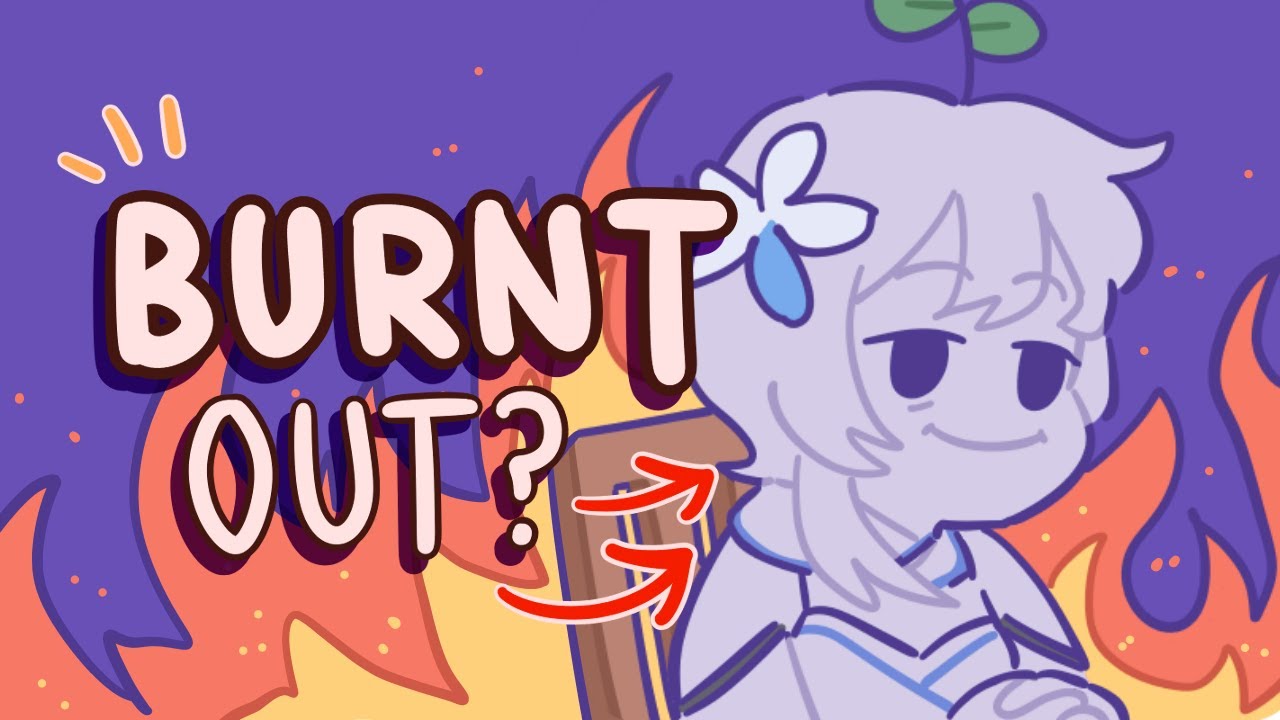
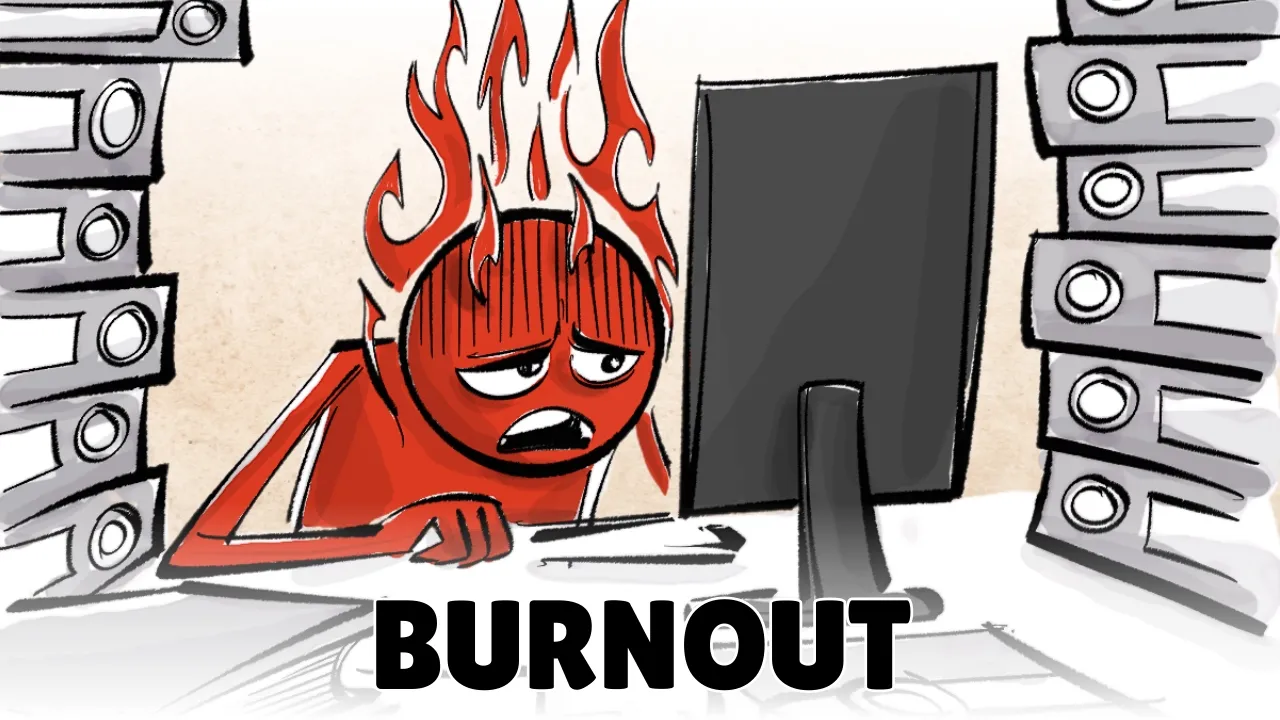
Secure your copy today! Just follow the link in the description below. If your life seems like a road trip, but the road is on fire, the car is on fire, you’re on fire, and you just keep driving, you may be burnt out.
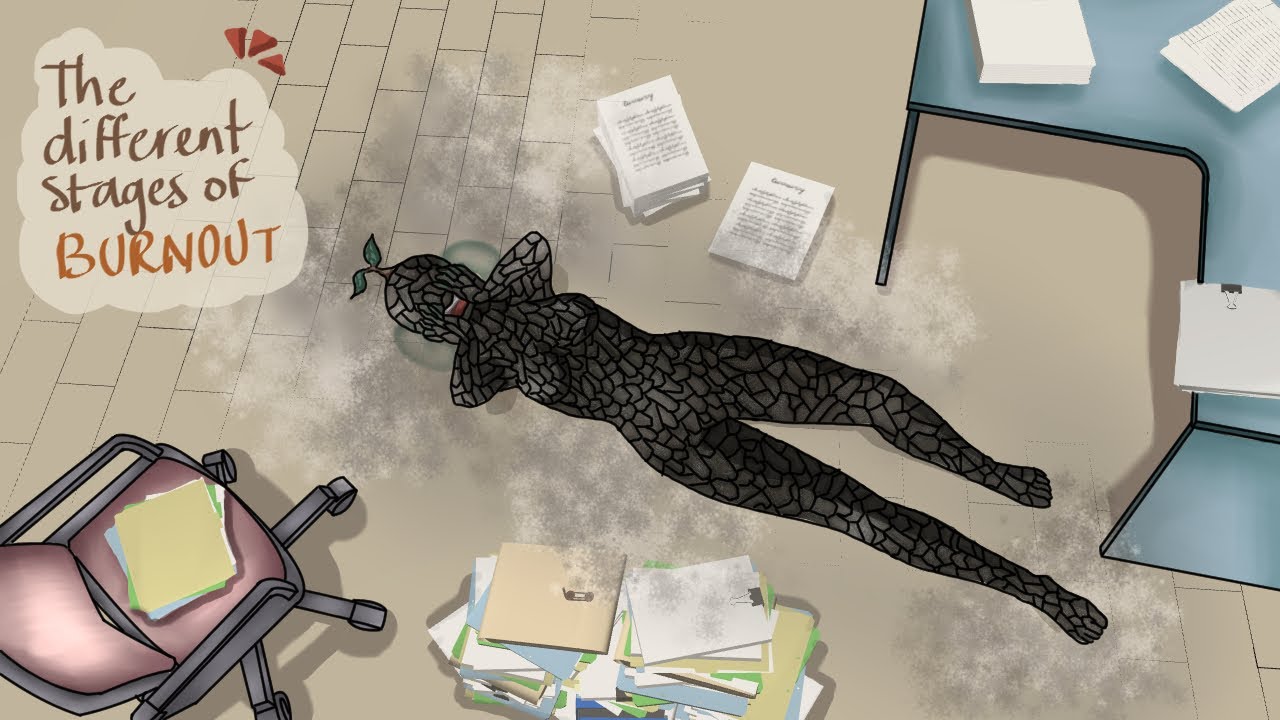
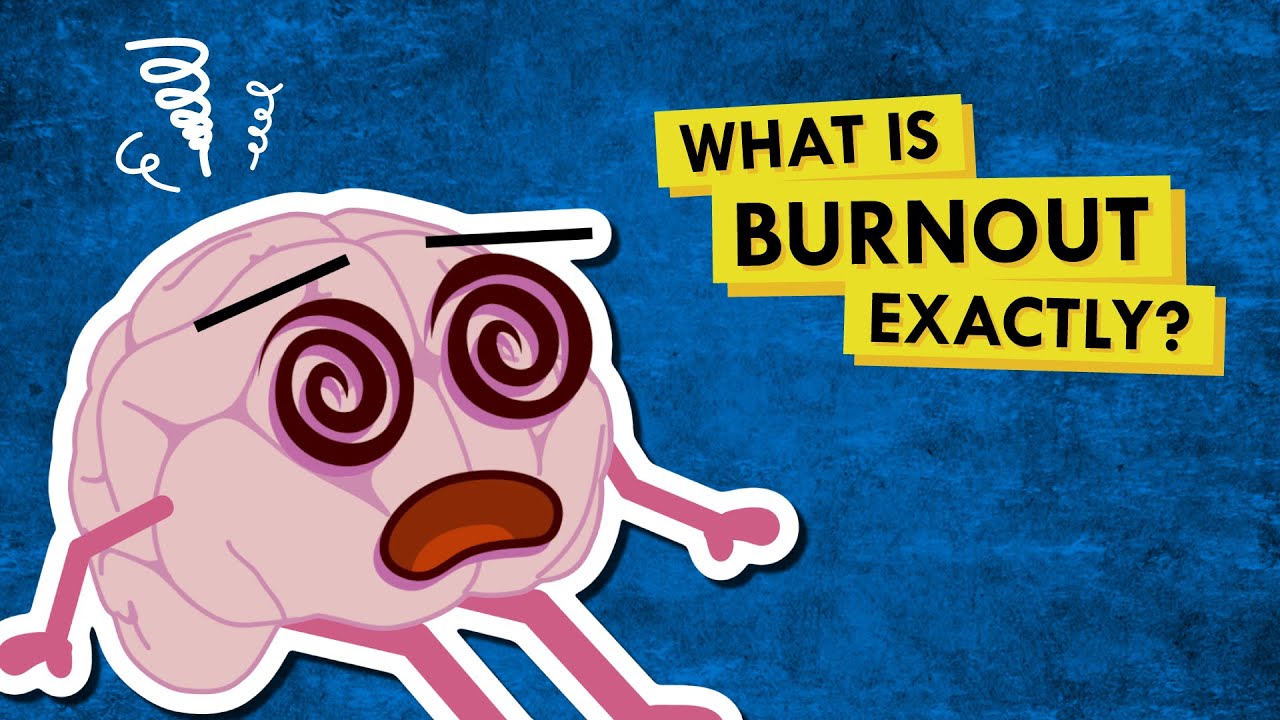
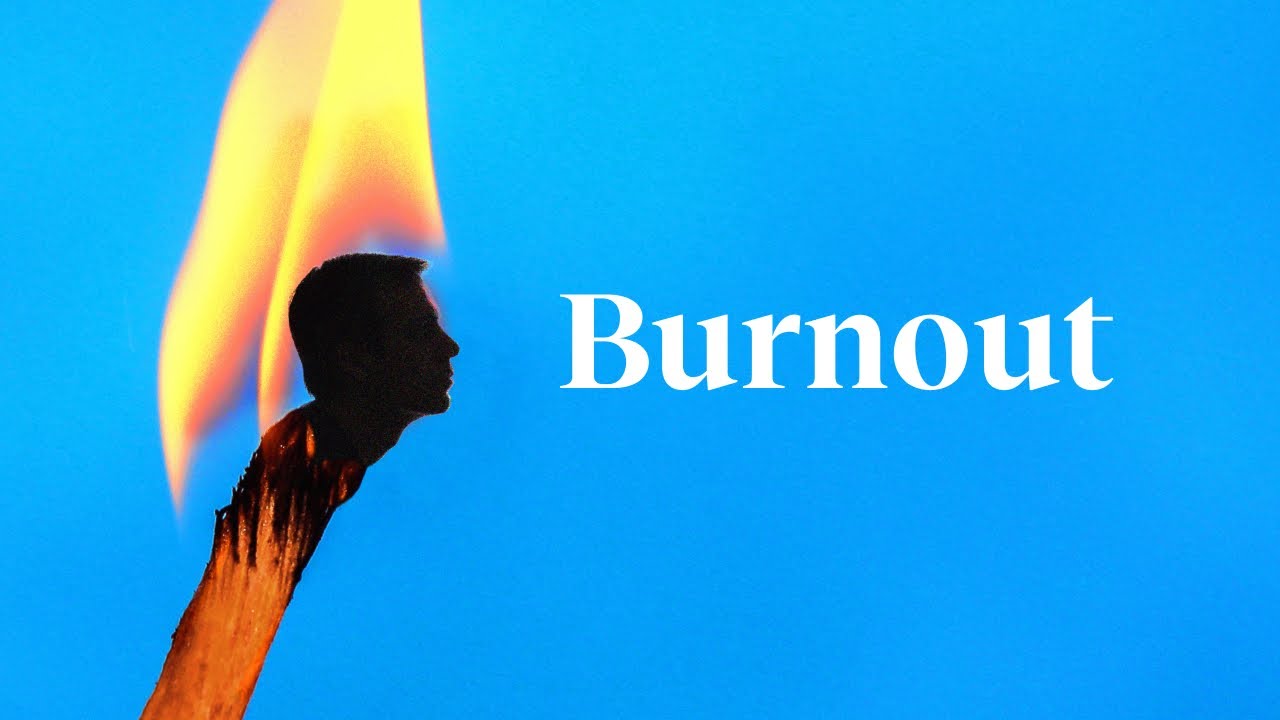
Burnout is your reaction to prolonged stress that leads to mental fatigue, emotional apathy, and physical exhaustion. While most people think of burnout as a result of too much work, it can also get to us outside the office. The phenomenon often unfolds in 5 stages and can push healthcare professionals, teachers, new parents, people with chronic conditions, and anyone who bites off more than they can chew, to the brink of breakdown.
It can present itself as follows. First, the honeymoon. You feel happy, motivated, and excited about your new challenge and as a result, take on a lot of responsibilities.
Then there is the onset of stress. The initial enthusiasm gets tempered by the realities of your daily routine. You first start feeling tired and then anxious about not being able to handle everything you signed up for.
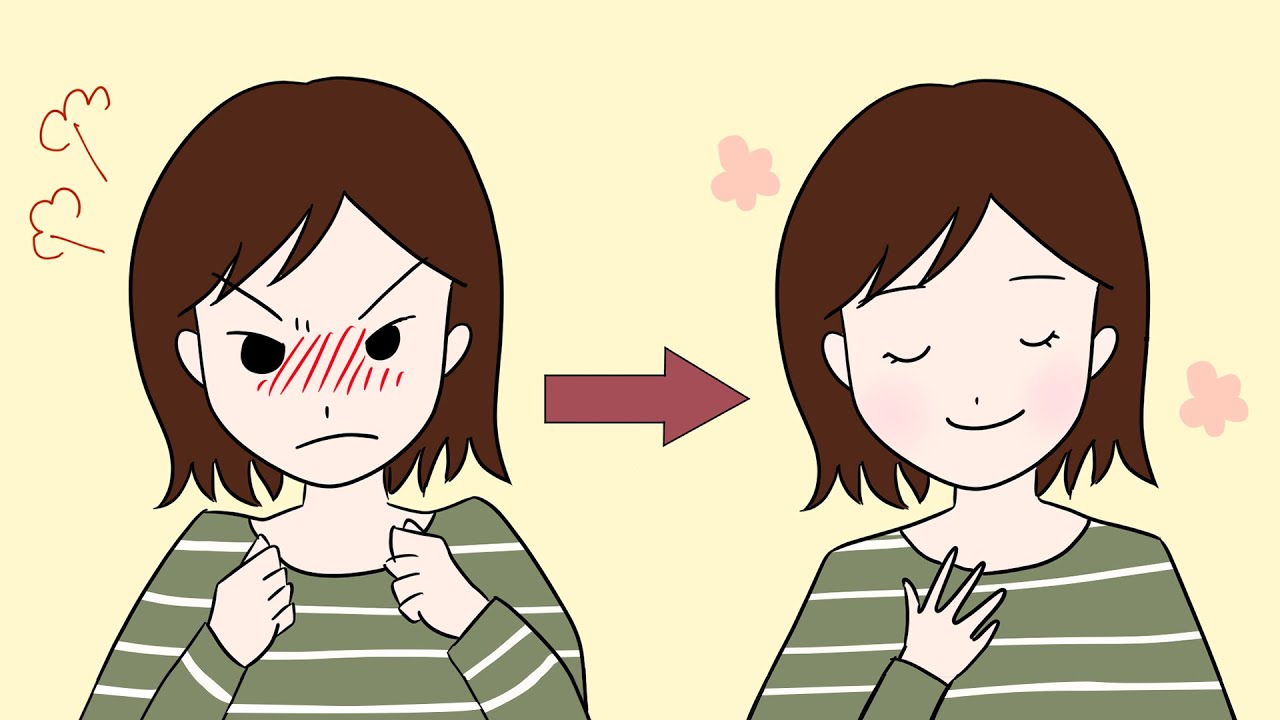
Slowly signs of stress begin to surface, and you may develop a negative tunnel vision. Your limited capacity to pay attention to other things in life can lead to feelings of loneliness. Chronic stress becomes your constant companion and even tiny new tasks can set you off in a spiral of either anxiety or rage.
Life may now simply feel unfair and a setback can feel like a personal attack or a deep injustice. Eventually, you are just exhausted or develop psychosomatic symptoms, such as migraines or body aches. In your free time, you may now just want to shut down.
When you eventually burnout, apathy can take over—in defense against chronic stress your brain just stops caring. This is why your productivity plummets and you may become negative or cynical. Chronic headaches, insomnia, complete neglect of your own needs, or the desire to just "drop out" can become part of your daily routine.
You reach habitual burnout, when this stressful state becomes your new normal and you experience constant cognitive fatigue, physical problems, or a mood that alternates between apathy and anger. Eventually, you may feel trapped in a vicious cycle of despair—with no way out. A diagnosis of major depression may be the first turning point towards your path to recovery.
To fully heal from burnout can take months or even years. This is why recognizing symptoms early on is important. Because then we can distance ourselves from the main stressor, create enough “me” time to cool down, and do whatever is necessary before it's too late.
The psychologist Herbert Freudenberger who coined the term, originally described the phenomenon as unfolding in 12 stages, but over time they were simplified to just five. He defined burnout as “fatigue that comes from caring too much, for too long”. What about you?
Have you ever experienced any of the stages described in the video? If so, how did you recognize them and what did you do to overcome burnout? Please share your thoughts and strategies in the comments below.
We relentlessly researched education for the past decade, read plenty of peer-reviewed papers, visited all sorts of schools, created hundreds of videos on the topic, and even set up our very own kindergarten for project-based learning. And now, we also made a book! The Unschoolers Educational Dictionary covers everything we know about learning, unveils the unintended consequences of compulsory education, and includes a complete guide to the alternative school movement.
Order your copy now. Just visit your favorite book shop or check the links in the description below. If you found this helpful, check out our other videos, join us on youtube or on patreon.
com/sprouts. For more information, classroom exercises or videos without background music, visit sproutsschools. com.
Published under creative commons.
![ADHD from Childhood to Adulthood [Symptoms and Traits]](https://img.youtube.com/vi/Eqw0K676F5M/maxresdefault.jpg)