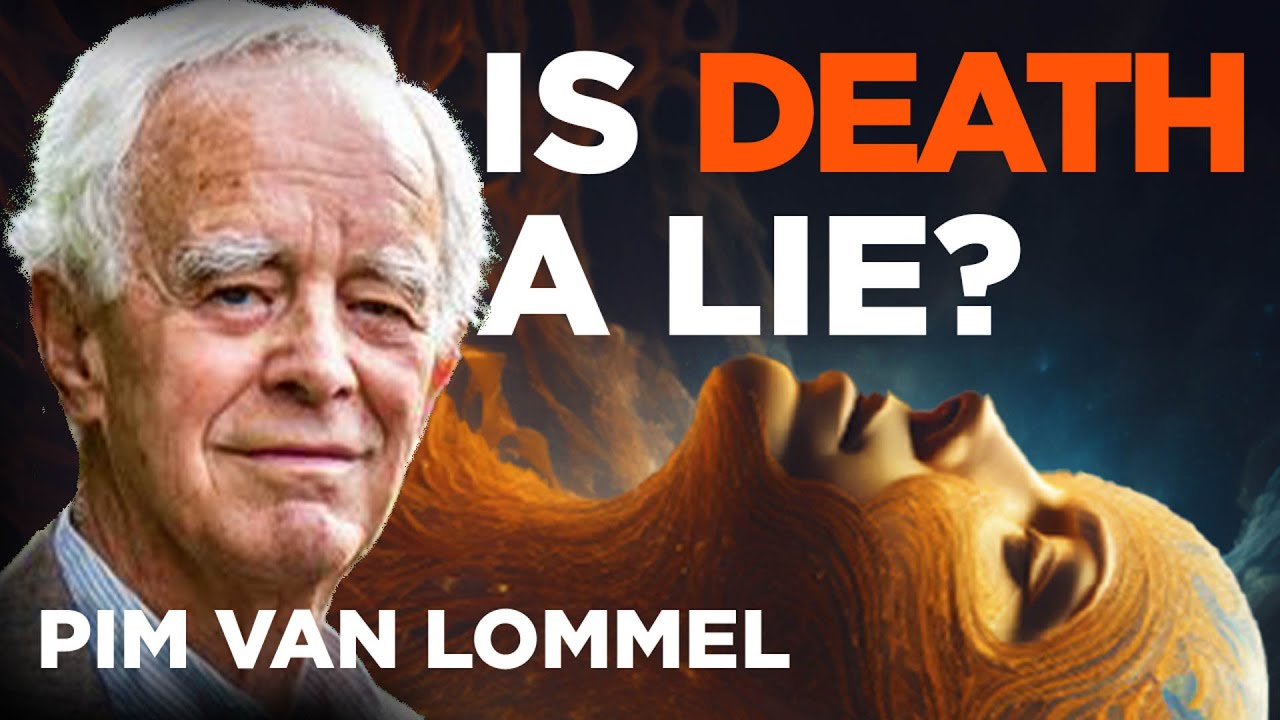
what will happen when you die when your brain stops working will that be the end of you or will you continue on in another place for centuries people have come back to life at the brink of death and have reported strange experiences of life beyond hundreds who have been brought back to life have reported that they continued on after their brain stopped and they only re-entered the body upon being revived but are these reports really evidence of life beyond death or are they merely hallucinations created by a brain to cope with the end of its
existence most physicalists believe that when your brain and body die you go out of existence because they believe the mind is just an emergent property or function of brain processes so any and all reports of near-death experiences must just be visions generated by the brain as it is dying a common argument used to support this notion is that we never encounter consciousness apart from a functioning brain so we cannot assume consciousness can continue to exist without a brain however as we've iterated constantly throughout this series this is nothing more than a correlation causation fallacy just
because we typically see consciousness and brains correlated that doesn't mean the brain generates or creates consciousness also even before we evaluate the reports of near-death experiences it seems that we do have instances where we can observe consciousness without a normal functioning brain strengthening the theory consciousness and brains are only correlated at times instead of the brain being the cause of consciousness british neurologist john larber studied the condition called hydrocephalus and through his research he looked at over 600 different cases this is a condition where there is an excessive amount of cerebrospinal fluid in the skull
which hinders normal brain development of the most severe cases half were severely mentally challenged which would be expected if physicalism is true since the brain does not develop normally however the other half of the severe cases had iqs over 100 and function properly even though a normal brain didn't develop one case lorber cites is of a male who had only a thin layer of brain cells a millimeter thick yet had an iq of 126 and an honors degree in mathematics another paper reported that multiple studies documented development of above average intelligence despite drastically reduced cerebral
mantle size and hydrocephalus of early onset but how could this be if the brain is necessary for consciousness how could subjects with abnormal brain development or almost no brain at all have a normal conscious experience development of the self and live as if there's nothing wrong for example todd feinberg and john mallett assert consciousness requires functional complexity to emerge it is at the next level of neurobiology that consciousness appears this level has gained a complex suite of special neurobiological features that are unique to conscious brains while these special features are built on depend on and
display all the general life and reflexive functions their contribution is required for consciousness on top of this recent neuroscientific research has identified that the neural correlates of consciousness are primarily localized to a posterior cortical hot zones that include sensory areas rather than to a fronto parietal network involved in task monitoring and reporting but these specific areas would be absent or severely damaged in cases of hydrocephalus if these correlates are where consciousness is supposed to be coming from why can we observe consciousness that humans who clearly lack such hot zones as roger lewin asked this case
is nothing new to the medical world scores of similar accounts litter the medical literature and they go back a long way observes patrick wall professor of anatomy at university college london but the important thing about lorber is that he's doing a long series of systematic scanning rather than just dealing with anecdotes he has gathered a remarkable set of data and he challenges how do we explain it in other words cases of hydrocephalus are unexplainable anomalies if physicalist models of consciousness are true consciousness is existing without the typical observable neural correlates of consciousness a similar condition
yet more severe is called hydrogen encephaliy which is where the brain's cerebral hemispheres are absent to various degrees and the remaining spaces filled with fluid victims of hydroencephaly are assumed to exemplify vegetative state development as they lack the necessary areas of the brain that are supposed to generate consciousness and mental properties as one study put it according to traditional neurophysiological theory consciousness requires neocortical functioning and children born without cerebral hemispheres necessarily remain indefinitely in a developmental vegetative state but recent research challenges this assumption one study found their subjects could display enormous amounts of normal conscious
behavior such as distress pleasure joy and they can express themselves through screaming fussing smiling giggling and laughter these children are not only physiologically awake in the sense of going through a sleep-wake cycle but they are alert and responsive to environmental events during wakefulness they turn to salient stimuli show situationally contingent emotional reactions and distinguish familiar voices from those of strangers all of which is incompatible with the unconsciousness of the vegetative state another researcher says it is widely believed that children with hydroencephaly are not conscious and therefore are routinely classified into the diagnostic criteria of vegetative
state however there are several pieces of behavioral evidence clearly indicating the presence of consciousness in such patients thus hydrogen encephaly is another unexplainable anomaly if a complex network within a normally developed brain is what generates consciousness if some exists with hydroencephaly in our conscious then this implies consciousness does not require a complex brain going deeper we even have a case where someone was born without a brain yet displayed signs of consciousness we have dozens of cases of infants being born brainless dr robert leschner says most children with this condition don't make it past the first
year of life however there is one case of a boy surviving for several years in 1984 andrew vandal was born without a brain and only a skull filled with fluid however against doctors predictions he lived several years he was able to laugh smile and was described by his adoptive mother as maturing mentally and had an outgoing bubbly personality that really draws people to him due to the lack of a functioning brain he was unable to speak see or walk however he still displayed clear signs of life and consciousness he enjoyed kids shows and could move
across the floor in response to things like doors opening so he was able to sense through touch and hearing but if he didn't have a brain how is this possible on physicalist models if the brain is necessary for there to be consciousness how do we explain cases like this where someone has mostly fluid for a brain or has no brain at all and is still a conscious self-aware mind let's also remember it is more than likely consciousness exists in other animals who have radically different organized nervous systems the octopus has been observed to have advanced
levels of learning and memorization abilities even though it lacks a hippocampus which is said to be essential for our memory systems this research alone undermines established beliefs about the relationship between the human brain and where consciousness comes from we're going to account for all the data how can we claim the inner workings of a complex brain create consciousness complex conscious behavior appears to exist without a normal brain as observed in multiple areas of inquiry so to argue we never encounter consciousness apart from a functioning brain is false in light of this data a wealth of
evidence suggests consciousness is not dependent on a normally developed brain but is only correlated with the brain in certain circumstances which supports the notion human consciousness could exist and continue on after death so to dismiss reports of near-death experiences by assuming consciousness requires a brain is nothing more than presupposing physicalism and not following the evidence where it leads when it comes to published work on near-death experiences we actually do have several studies that report and investigate the phenomenon of near-death experiences like the aware study from 2014 where 101 cardiac arrest patients report experiences from before
they were revived the immediate objection from physicalists is that these are unverified reports we cannot know if the experiences actually happened while the brain was not functioning however several near-death experiences actually come with corroborating evidence that is patients that physically died and were later revived were able to report things that happened while the brain was not functioning and were verified by the resuscitation staff as one 2002 study put it recent studies in cardiac arrest survivors have indicated that although the majority of cardiac arrest survivors have no memory recall from the event nevertheless approximately 10 percent
develop memories that are consistent with typical near-death experiences these include an ability to see and recall specific detailed descriptions of the resuscitation as verified by the resuscitation staff many studies in humans and animals have indicated that brain function ceases during cardiac arrest thus raising the question of how such lucid well-structured thought processes with reasoning and memory formation can occur at such a time a study back from 2001 reported one case where a man whose heart had stopped and he was later revived but he was able to vividly report events that took place while his brain
was not functioning such as where his dentures were put and by whom this experience is not an isolated incident cardiologist michael cebum carried out a study in the 1980s with 32 cardiac arrest patients who reported near-death experiences and then interviewed another group of 25 cardiac patients who did not experience an nde he asked all subjects to describe the cardiac resuscitation procedure from a third person perspective meaning they had to report it as if they are watching from outside their own body he found that 80 of subjects from the second group made at least one major
error however the nde patients made no errors in their reports which supports the notion that nde patients may have actually watched their bodies being revived dr penny sartori recently replicated similar findings in a five-year study where the control group also made errors but those who had an nde were able to accurately report what happened cebum also reports a case of a woman named pam reynolds dr sabon was able to obtain verification via facts of the medical procedures pam had to undergo something called hypothermic cardiac arrest to remove an aneurysm deep within her brain her eyes
were lubricated and taped shut she was put under general anesthesia her body temperature had to be cooled 25 degrees within 10 minutes her heart was deliberately stopped and her eeg went flat her brainstem evoke responses ceased entirely and she underwent total brain shutdown then the blood was drained from her brain so the aneurysm could be removed cebum says pam's brain was found dead by all three clinical tests her electroencephalogram was silent her brainstem response was absent and no blood flowed through her brain however she reported an out-of-body experience and was able to verify in detail
the procedure she underwent while she was technically clinically dead which includes details about the shape and nature of the saw how her head was shaved and the specifics of how her femoral vessels were too small to bypass which was verified by the medical report and the staff janice holden and bruce grayson combined have documented hundreds of cases of near-death experiences where the revived patient was able to report events that took place while their brain was not functioning they report 92 percent of these cases are accurate six contained minor errors and only one percent were entirely
wrong in 1993 kenneth ring and madeline lawrence report a case of a near-death experience with verifiable evidence confirmed by witnesses where the patient felt themselves floating through the floors of the hospital where they eventually came to see the roof the patient reported a red object up there confirmed later by a residential doctor who enlisted the help of a janitor a young girl named crystal murzlock drowned in a pole and was later resuscitated three days later she regained consciousness he was able to report events she observed from a distance and away from her body including being
able to report the type of clothing her family was wearing the rooms they occupied and at what time as well as what her mother was cooking there are hundreds of other similar cases i could cover but some of the more interesting cases are those of people born blind who have near-death experiences and are able to report vision type experiences before being revived one woman blind from birth was able to accurately describe physical appearances of deceased relatives and friends the researchers then compared the cases against various naturalistic explanations and found that the near-death experiences of the
blind subjects did not match things like typical dreaming from a blind patient or retrospective reconstruction furthermore there were similarities across the different independent reports of the blind subjects of what happened during their near-death experiences and they were similar to what cited nde subjects can report thus the researchers say the blind persons in our study saw what they certainly could not possibly have seen physically our findings in this section only establish a putative case that these visions are factually accurate in not just some kind of fabrication reconstruction lucky guess or fantasy the rumors some of us
have been hearing all these years that the blind can actually see during their ndes appears to be true furthermore the majority of subjects seem to agree these experiences are not like dreams or hallucinations as they are reported to feel extremely real and vivid for example patients under ketamine tend to recognize the illusionary character of their experience penny sartori noted that while conducting her five-year study on near-death experiences that some patients also experienced an hallucination at separate times they were able to distinguish between the two and recognize the illusionary nature of their hallucination but noted this
didn't correspond to their near-death experience plus the hallucinations were random bizarre and just didn't make sense the ndes lacked these qualities and seemed to be extremely real not dream-like or hallucinatory likewise when we dream we tend to look back on them knowing they were just delusions for people who have a near-death experience the effects tend to be different instead when researchers have surveyed the literature it was found 81 percent of subjects believe they did separate from the body and 82 percent were convinced life continues on after death another study reported a significant decrease in fear
of death that occurred among these patients dreams simply don't create these effects as the aware study put it as hallucinations refer to experiences that do not correspond with objective reality our findings do not suggest that vertical awareness near-death experience and cardiac arrest is likely to be hallucinatory or illusory since the recollections correspond with actual verified events some argue that these experiences are caused by a dying or reviving brain that as the brain is experiencing death it generates these vivid and powerful experiences to help cope with the fear of dying but there is no empirical evidence
the brain does this david nichols notes the pineal gland would need to rapidly produce 25 milligrams of dmt to create a psychedelic experience and there is no evidence the brain does this as it is dying brain activity is rapidly decreasing not increasing when approaching death oddly enough several researchers report that just after a loss of brain function and just before revival memory is absent or confused in nde patients if the dying or reviving brain is creating these experiences these times should be the most vivid not the least some argue these experiences cannot be trusted because
they are often shaped by cultural expectations some reports do conform to the cultural expectations but many do not many experiences can differ from the person's prior religious beliefs some people who had no prior knowledge of other near-death experiences can report similar incidents blind nde subjects report similar features independently to quote from irreducible mind if ndes are significantly shaped by cultural expectations we might expect that experiences occurring after 1975 when moody's first book made ndes such a well-known phenomenon would conform more closely to moody's model than those that occurred before that date this does not appear
to be the case similarly a study of 24 experiences in our collection that not only occurred but were reported before 1975 found no significant differences in the features reported when compared to a matched sample of cases occurring after 1984. other reports come with experiences of people they did not recognize and only after research were they able to find family connections through old photographs so given this data it's false to conclude these are always shaped by culture or expectations some argue these experiences are drug induced or the result of a rush of endorphins in the brain
penny satori notes there are many instances where a cardiac arrest patient has administered drugs but doesn't experience anything however drugs do correlate when a patient experiences an hallucination she also says out of the 15 patients who reported an nde 20 did not have any pain killing or sedative drugs administered patient 10 who reported the nde with an accurate out-of-body experience had not been given any drugs interestingly when drug administration is considered in the hallucination group out of the 12 patients who reported bizarre hallucinations 11 of them received both pain killing and sedative drugs this appears
to suggest that drugs greatly contribute to the confusional bizarre hallucinations which are in stark contrast to the clear lucid well-structured ndes that were reported she also notes endorphins are an unlikely cause as some patients are pain-free before their experience endorphins also have long-lasting effects but other patients report pain once they re-enter the body another objection that is often brought up is to point out that near-death experiences are rare in people who need to be revived most people who lose brain function and are brought back to life do not report memories of any experience if anything
this objection is hand waving as it does nothing to debunk the numerous reports of near-death experiences that we do have however to answer as to why most patients who need revived don't report any experiences it probably has more to do with memory than experience an analogy can be made from dreaming like we went over in part three many people do not remember most of their dreams but that doesn't mean they didn't happen one study reports that generalized memory defects were more frequent among those who did not report any experience during a cardiac arrest we also
need to remember people are different some are more susceptible to hypnosis some cannot handle psychedelic drugs whereas others report psychedelic experiences as beneficial we cannot assume everyone is mentally the same and will experience and remember the same way furthermore the nature of near-death experiences seem to be overwhelming and creates sensory overload for many who report them dr rick strassman notes that researchers who have given subjects too much dmt report that their subjects came down without any memory of what they experienced it is possible that some people who need to be revived something similar happens and
the agent herself experiences too much of a sensory overload and so is a defense mechanism the soul doesn't retain the memory of the experience either way the fact that most people do not report experiences does nothing to debunk the experiences that people do report thus near-death experiences provide good evidence the mind is not contingent on the brain but upon death only becomes detached from the brain and continues on as one study says based on the aforementioned theoretical aspects of the obvious experience continuity of our consciousness we finally should consider the possibility that death like birth
may well be a mere passing from one state of consciousness to another therefore physicalist models that assert consciousness is produced by the inner workings of a complex brain are inconsistent with this data however this data is fully consistent with models that propose the mind is irreducible and only correlates with the brain but i'm sure a question arises if the brain is used by the mind for forming the aspects of the soul like your thoughts personality and memories how could someone retain and form memories after death the brain is that which is used to create these
things and it stops working how could someone form memories after death in fact how exactly do near-death experiences happen well we specifically did a video on quantum mind theory before this one to lay the groundwork to explain this in that video we argued from recent data the brain is a quantum information processor and therefore that would imply the information inside the brain would be held together through quantum entanglement but when there is a disruption to the normal workings of the brain and it ceases to function the brain's computation would stop but physics suggests information is
never lost or destroyed it is only transformed the quantum information in our brain our soul would simply disconnect from the brain but still be held together by entanglement and simply carry on without the body this would explain how it is possible a mind and their soul can continue on after the body is pronounced dead but if the body is revived and the brain begins to function again the information would re-entangle with the brain from whence it came and returned to life so to speak thus the quantum soul that gives us our identity and is built
up throughout this life could possibly continue on as this theory predicts it would account for how near-death experiences are possible this would also explain another phenomena in rare cases someone suffering from dementia or other brain related issues will experience something called terminal lucidity where just before death a patient will regain their mental clarity and memory and seem to lose all signs of their disease if the soul is becoming disconnected from the brain which was used to build the soul up over time and is now decayed or became damaged then the agent might be able to
experience its soul in a more full realization after disconnection as the body is dying and once the souls become fully disconnected the mind might have more access to deep information of the soul they could have been lost due to the brain's pathways being damaged remember the brain localizes consciousness in order to begin building a soul but once the brain decays and ceases to work the mind may gain a deeper grasp on its own soul after death thus the evidence indicates this life would just be the start and death would be far from the end our
time in this age would be important for allowing us to have experiences make choices and build an identity but if this theory holds true in the evidence and near-death experiences quantum mind theory indicated as likely our journey would be far from over upon death perhaps our identity and consciousness will leave this place and go on to entangle with something or someone far greater than we could ever imagine you