Hello friends and welcome to ker talk I'm suran Sharma your host and agile consultant based in Netherlands friends as you may have seen in the thumbnail today we are going to discuss some tricky situational project manager interview questions shared by our WhatsApp community members and to help us we have a special guest today kabi badage and Associate VP and a program manager and she has an extensive experience in managing multi-million engagements for rolling out products and driving end to end delivery of complex programs for IBM and Microsoft friends before we dive in small request if
you find this session helpful and want to support us please hit that like button and subscribe to our channel so you don't miss out our future episodes all right so let's get started hello karabi and thank you for being with us today welcome hi Sunan hi it's a pleasure to be here Sunan thank you please uh tell us about it little bit about yourself before we start the session sure even before I kind of introduce myself I would like to voice out loud that Sunan it is my pleasure to watch career talk Channel that's that's
one thing that I would like to call out thank you so much and I have been watching a series of YouTube videos which you and the other team members of your cohort they have been uploading and it has helped me a lot in terms of refreshing my knowledge around scrum around agile and around general you know project management delivery related questions so thanks a lot to your effort and initiative it's a big achievement for us it's coming from you so thank you so much all right so a little bit about myself um sunant I'm having
over 18 plus years of experience I started my career with pre-sales of Microsoft navish and I worked extensively with the Homegrown product companies um I am from Kolkata by the way which is easn part of India and then I moved on with the project management product and people management Dawning various ads across my career I worked for IBM and Microsoft and I'm working for uh an Indian Product Company blue kokun digital uh here at Kolkata and here I am facing your interview oh great okay so if you allow shall we start please okay so friends
uh all these questions are definitely are real question they asked somewhere so definitely kab is going to help us so the very first is regarding the project uh deadlines so let's suppose that your project has a fixed deadlines and uh but that one of your key team member is suddenly leaving or maybe or she resigned from before completing any important task so how do you adjust your project plan to ensure the ontime delivery without compromising the quality so that's a tricky one for you yeah yeah so I think this particular question has an element wherein
this schedule cannot be unchanged you know the schedule remaining unchanged we'll have to do something the PM needs to do something so that the situation can be managed optimally now usually people across various organization has different support system to help cope up with this kind of unexpected situations right um and it again depends from uh the organization's process and and protocols how we deal with the situation so for me while I have been working with the organizations I find that whenever I assigned any project it is very important for me to kind of s socialize
this project across the cross functional team members specifically with the resource managers as well as in within the engineering community and the vendor managers the more I socialize uh the more it is easier for me to deal with such unexpected situation because in this case the moment I see that there is a that there is an impact because of the sudden exit or whatever be the reason the first thing I will definitely do is an impact analysis like how much of the workload is on that particular team member and if by not having a team
member for more than a couple of weeks is it going to impact my schedule is it going to impact the delivery for the customer or not so upon understanding the impact and this impact analysis I cannot do it alone I'll have to sit with the architect with the tech lead and with the other team members to also understand their thought process right many of times it may so happen that the other team members they are quick enough to step into and fill that shoes and they kind of you know self uh you know self absorb
some of the tasks however this cannot go on as a continuous measure because then they will also be overloaded so it is important for me in those situations to talk to the resource manager and quickly find a replacement at the same time it is also important as a PM to inform the stakeholders both internally as well as externally with the customer that yes we are having this unexpected situation so that they are not caught surprised or offu suddenly because there is an impediment or there is a uh you know immediate bottleneck so probably my answer
to this question would be first of all please socialize about the project so that you can deal with such unexpected situation the second thing you need to do is do an impact analysis the third thing understand from the team members if they are okay to share some of the responsibilities at least temporarily and the fourth thing of course you invol inform and involve the stakeholders at both the ends great uh wonderful thank you for that okay so if you allow shall we move on yes please question okay so there is a scenario let's say you
are into a project meeting project status meeting and uh you notice that one of your team member giving overly positive progress report despite there are evidence there are things which you know that they are not going right right so how do you address this while keeping the team moral up or high maybe you can share some of our experience from a past maybe about a time when you had to deal with a misalign progress reporting you know there are times when there are mistakes happen deliberately or unknowingly people do few changes in those reports so
any experience with that uh yes so there are two parts to this question question if we are experiencing this question in any interview number one is the direct question if there are over optimistic commitment from any team member how do we deal with that and number two is if there are uh status reports that is being shared with us which is not completely aligned it may happen due to various reason so we'll deal with this two type of question one by one number one is I will share my experience wherein you know there has been
an over enthusiastic team member uh who was kind of going on providing the input which was not fully correct right and it may happened that because he was thinking very fast and then acting second right so we'll have to as an experienced uh Team Member as an experienced project manager we'll have to understand and get into the pulse of the team member maybe a one1 meeting with that team member usually helps however when you asked if I want to share one of my experience I will tell you what happened that in one of such projects
when I was seeing that the trend was kind of continuing and it was not contained I requested all the team members to do a peer review status report so one team member is going to provide the status of the other team member and the other team member is going to take up the status report for the next team member in this way they are actually calling out the dependent genes more clearly once they have finished the work and once they have seen what is the kind of work which has been delivered by their team members
and this process when I continued for two or three Sprints I kind of realized that almost all the team members now they have better Clarity of the dependencies on each other and the over enthusiastic team member was kind of content such that he understood that now the dependencies are being called out so that is one example which I would like to give to your second part of the question sunant where you when you ask you know we sometimes provide not so aligned status report I would say and it can happen due to various reasons because
we are working in a geographically dispersed World our cultures are different and we are assuming a lot of things because we are not collocated anymore right so whenever I see a trend it is important for me to kind of organize uh sing up calls quickly as quickly as possible to contain that mindset to contain over assuming or over assumption mindset so that's how I usually contain such things however um I would also like to call out the fact that as a PM I am actually on top of my delivery right so whenever any team member
is providing any status report I do not take it uh just on the face value I understand the dependencies the assumptions wherever they were made if they are met or they are still unmet or not that's one the second thing I verified from all the team members if the status reports are correct before I present it to the stakeholders and the steering committee members so that's how I would like to answer this question sonan wonderful thank you great uh let's move on so uh let's assume that you are into middle of our project and uh
you discover that initial project scope was based on inaccurate assumptions and that leads to a significant deviation from the original PR so how do you communicate this discovery to the stakeholders and how you going to pivote the project to align with your revised expectations it happens quite often yeah it does it it does um in fact it has happened with me when I was assigned a project when it was already in its full swing so I joined the project team uh during the Middle or towards probably at the end of the delivery and uh we
knew that we needed to repot this project so the question here needs to be understood by the by the interview that the interviewer is probably trying to understand what are the steps or what are the thought process which is going to help mitigate the situation now it depends from Project to project it depends from organization to organization so in in one such experience which I have had I will see that if we have sufficient schedule and sufficient budget to repot the the stuff the pending tasks then probably yes after talking internally to the stakeholders we
are going to do it right however if there are not sufficient budget and schedule available with us it is best to inform all the stakeholders both externally and internally of the challenges and the need to repot because of assumptions which went incorrect the problem is you know whenever we are doing such repoting in in the midst or probably towards the of the project there is a lot of technical waste and Technical debt right which which is which is something which we are incurring who pays for that right that's where that's where the discussion the facilitation
of the discussion to come to a amicable resolution from the service provider the IT company and from the customer comes into the place and that's where the experienced PMS not in terms of having a title but in terms of having the sensitivity of if they can feel the pulse of the situation they usually Prevail on the internal stakeholders to help them understand that it is probably our assumptions which went wrong so we have to reach to a compromise so that we are not overburdening the customer we'll have to be extremely truthful internally and externally once
the leadership understands that yes it is an issue which has happened from our end then either it depends again on the schedule and the budget I reiterate we usually use the risk Reserve or probably we ask for additional budget as a part of the Enterprise fund commitment and we do do the repot and then we go on and the customer also understands that we are completely honest and transparent we have accepted our mistake and that's where it is a it is a opportunity for us to gain trust from the customer so that's how I would
like to answer this question son wonderful thank you for that okay uh let's move on so now let's assume that you are leading a cross functional project team which I'm sure you are and uh there is a conflict which arise between members from different teams or let's say different department all together and uh they have the Contracting priorities and the different perspective so how do you facilitate this collaboration resolve these conflicts to keep the project on track H um the question is how do you facilitate so basically the interviewer is probably trying to understand what
is it that is probably a part of your natural flare character and experience how will you as an individual PM will deal with it to answer this question sunand I would like to first of all probably not give a specific example I would like to begin the answer by stating that conflict any conflict can happen due to multitude of reason but most commonly which I have have seen is that a Divergence of point of view right a Divergence of point of view that is one the second thing is how do we approach each one of
us approaches a situation in our own different way and we feel that our is the correct way and then of course the question which you have asked is that we have conflicting priorities right so when we have con conflicting priorities as long as it is not impacting the budget the scope the schedule and the customer satisfaction I'm good however if I see that it is impacting the business it is impacting the delivery and the quality my first thing is to basically go to the respective team leads and the functional departmental heads and call out that
hey these are the priorities which your team members are calling out but this is creating an impact a not so positive impact on the project so either you provide us with your priorities keeping the overall goal of the project intact or let us adjust the priorities I mean the project team and then we kind of go on but if if the project is getting impacted I think it is important for all of us to inform the stakeholders so that they can understand that they have to talk to their own functional team to re in some
of their some some of their you know thoughts around the priorities so that's how I would like to approach this question great uh thank you for that okay uh let's move on so now your project phase delays due to factors outside your control and that causing risk to the original timeline and the budget which we have U basine the beginning so how do you renegotiate uh these deadlines and the resources with the stakeholders while maintaining their trust and confidence uh right so it has happened for quite a few of my projects right due to external
dependencies in fact uh there was a huge program which I was leading a data center rationalization and the program was about running for about two years across three different regions inia APAC and am now this kind of projects they are heavily depend ENT on the procurement of the infrastructure and setting up the physical DC right so in such cases we have to depend a lot on the vendor and the suppliers who are actually providing us with the hardware now due to some issue one of the DC the the supplier was not on time to provide
the installation in such a case it is extremely important for the PM again to keep all the stakeholders informed that's one the second thing is just because there is an external dependency which is kind of not which cannot be solved at that point in time it doesn't mean the minimum operating Rhythm of the project is going to get impacted so there are other Allied task maybe not on the critical path so we the pm has to find out all those Alli task and keep the minimum operating Rhythm of the project go on so for this
particular program for the DC I ensured that the blueprint both the the high level design and the low lowlevel design they were submitted they were discussed they were negotiated and then the virtual uh discovery of the assets they had to go on on time and then we have to find out the functional heads whoever are owning this virtual assets negotiate negotiate with them if there are any retiral so all the Allied activities maybe not on the critical path went ahead at the same time since I had kept my stakeholders informed so they did not that
did not come in as a root shock but your question also has an element of qu uh of an often you know probably your expectation that how we should manage such a situation I I kind of reiterate and call out as soon as the PM understands that the budget and the schedule is going to get impacted do not delay in informing the stakeholders and please follow a change request process right so a change request process we are often taking up because there is a either the scope or the schedule or the budget or the quality
is getting impacted that needs to be documented the impact needs to be analyzed and then we need to share the impact to the bo if they approve the CR it's fine and sometimes they also kind of they do not approve because it is at our end it is our supplier our vendor who has not been able to meet the commitment on the due time so again reach a consensus internally before going to the customer if the consensus is that that the leadership or the portfolio U you know leadership they say that fine this much of
schedule overrun we are going to absorb the cost then all good we are going to go to the customer happy saying that we are absorbing this much of cost but if if the leadership is also saying that maybe we can negotiate a better way with the customer raise the CR and help Prevail and take into confidence the sponsor of the particular project that we are doing whatever we can to expedite this kind of situation but there is going to be a schedule and the cost overrun the PM I would say they do not take a
decision they facilitate a decision such that the leadership at both the ends they conquer what is the best way to move forward so that's where you know I would like to navigate the risk do not take do not own the risk just because you are a PM so that that's my word of caution great for that elaborated answer K thank you let's move on so uh now let's assume that you are a critical project which is going on and the key stakeholders demand some additional features that were not included in the original scope so how
do you assess the impact of these changes on a project objective and how are you going to negotiate with the stakeholders to manage scope grief know more effectively more efficiently yeah all right so when there is an additional requirement it means that it is definitely an added scope for us now it depends on the kind of project and what is the delivery methodology which we are adopting to address this particular situation if it is a straightforward waterfall project again I say we go via the change request process if it is impacting the budget and the
schedule we raise the CR we obtain a Buy in and then we let the customer know that this is the schedule and the budget additional budget which we are we are going to require at times it may so happen you know I have seen in my project the risk Reserve gets consumed the risk Reserve gets consumed because we are having an approval from both the kind of stakeholders external and internal that's how usually the waterfall projects are getting managed uh no to change we are saying no to a change it also happens in a waterfall
kind of a project uh delivery methodology because we see that that particular requirement is not adding any value to the product which we are probably developing and and deploying right so the value mapping to that particular project also needs to be done as a part of the impact assessment and if we are working in an agile methodology following disc scrum practices as we understand that saying no probably doesn't happen often we are good to change however we cannot go ahead and incorporate the additional scope in any incoming or in progress Sprints or probably in the
subsequent two or three Sprints whatever Sprint backlog which we have designed we probably understand the user Stories We elaborate it with keep that as a part of the product backlog and keep that as a part of the Sprint backlog so that the in progress Sprints and its goal remains unchanged if the requirement is such critical that this needs to be incorporated ASAP in this particular Sprint itself then probably we adjust it by optimizing a user story of similar size similar complexity similar effort and shifting it to the next or the subsequent spring and then incorporate
this new new change whatever be the case I as a PM I'm not worried how do we address this I will be very very particular that we follow the change request process we document it so that it remains as an historical artifact for future reference wonderful great thank you for that okay uh let's move on so uh can you share your experience of managing uh distributed teams and how you address the communication challenges so let's say you are managing a project with team members in different locations and the communication issues arise due to time zones
and the cultural differences so how do you ensure that everyone stay connected and aligned so yeah that's for you I think this is a common situation for all of us all of us who are into this profession right so let's let's understand if we can find out the overlapping time zones and we try to have the meetings the syncup calls during this overlapping time zones as much as possible number two we try to negotiate with the resource manager to provide us with the expertise from the same time zone as much as possible to minimize any
disruption number three is we can turn on the caption wherever if we are going for the virtual meetings turn on the caption as well as the translation services of the tools that we are using for virtual conferencing right aside that um I think I I would like to recommend that before going in for for such a meeting wherein we are having team members from across all the world it is important to understand a bit at least the the geography the region the culture of the team members so that you know small icebreaking talks in the
initial part of the call it it helps and turning on the camera putting on a smile maybe you know just calling out that hey hey I'm from India and I'm eastern part of India and I usually pull up the map of the geography of India and then help them understand I'm not from Bangalore I'm not from Hyderabad I'm from Kolkata have you been ever to Kolkata usually they say no that helps a lot Isa so that's how I I manage the situation great uh thank you for that okay let's move on so can you uh
share any example from your past project where you are managing you know uh budget constraints toward the end of a project so you have already working with the some large uh projects you know so maybe you can U share let's say as as a project near completion you find that the budget is overallocated with let's say limited fund is left right so how do you prioritize the task and the allocated resources to stay within the budget because it happen a lot when we are just about to close their project so yeah yeah yeah true by
the time we reach is the the budget is already exhausted exhausted yeah uh true uh however Sunan you know uh the kind of tools the financial tools which we are using probably in IBM in Microsoft in blue cocon in everywhere in accenta probably in even in vpro and all it helps us to review the budgetary spend week on week right and we do not only review the spent we are also forecasting the consumption pattern of the team members right so if this is a situation that the PM is coming to understand that there is a
budget constraint it's a kind of an outlier for me right because then the week on week review of both the forecast and the consumption Trend should have been good enough for me to understand that yes we are going to consume about 70 or 80% of the budget and I will require additional fund having said that I do not rule out the situation as well it it does happen so in such a case we'll have to understand what is the additional budget which we will require so the expected uh time to complete the remaining work the
expected effort to complete the remaining work that calculation is very critical right and the remaining work also needs to be assessed from a different perspective how much value of the remaining work is very critical and the task if they are on critical path or not right so both in terms of its value and in terms of the number of task we need to assess the impact and uh also it is important for us to understand what is the amount of budget which we are going to require now every organization every Financial tool of the organization
we we have we know that if there is an deviation of say around 7 to 8% of the budget if we require that then usually it's okay for us going Beyond 7 or 8% it's a Absolutely Amber and a red flag so in those cases we have to talk interet to understand if we can use the risk Reserve because it is at the of the project maybe a bit of the management Reserve which obviously we do not want to touch at the same time whatever be the decision I again reiterate please let's raise a CR
sometimes it may so happen that if the remaining tasks are not so critical and not so dependent on the particular person who has been working continuously since the day one of this project we do a resource shuffling you know because the price of the resources or the rate of the resources which we are on boarding on a particular project it varies from geography to geography so similar skill set Resorts from a particular country a may have a rate which is a bit lower than what I have been continuing so that uh kind of visibility that
kind of assessment and judgment also needs to be taken up as a part of the CR and then we can put forward an amicable resolution wonderful thank you for that okay uh let's move on so uh there's a situation that one of your key vendor fails to deliver on time and that cause a delay and you know concerns among different stakeholders so how do you manage this vendor relationship and you have to ensure that you have to minimize the impact on the project so yeah that's one for you again I will say let's understand the
reason for the delay right so if the reason is kind of uh say there is a lockdown say there is a stock out situation and it's a global stock up situation not impacting my account only but it is impacting globally across other accounts so these are you know kind of worldwide situation which we understand and the customer to understands however if there are any specific situation say for example in the procurement tool whenever we raise some kind of procurement or whenever we are trying to get in a particular vendor resource that particular expertise itself is
very difficult to find right so so in those cases we have to go back to the architect and the and the technical leads to understand if you can use a different expertise uh to work differently if we are talking about that particular resource at the same time keep all the stakeholders informed and the vendor who is supposed to provide us with the resource or with the hardware whatever it is uh we'll have to escalate by escalation it doesn't mean that we are complaining by escalation it means that we are asking the leadership so that they
can have due attention on this particular situation and trust me Sunan I'm I'm very good in escalation so yeah it is it doesn't mean that we'll have to shout we'll have to raise a red flag we'll have to complain no escalation means we'll have to find our way across the jungle we'll have to understand who's who who can help us and basically get the importance of this particular situation on their plate every day unless they they do something so again socializing and publicizing about the project plays a very big role here absolutely totally agree with
you see it didn't happen multiple time because their parties are different and they have lot of different things on their plate so you have to I mean there is a saying that you have to cry will get mil any let's move on okay so now we comes to our last question for today okay so some of your stakeholders uh regist project changes they are fearing that that will going to disrupt the existing processes so how do you address these kinds of concerns and you know get them on board with the project because there are different
kind of stakeholders directly indirectly who is going to impact your project so yeah so let's first understand why they are resisting change is it because that they do not have enough time to learn and adopt to a new set of tools and Technologies or uh they feel that they will be replaced by this new tool or new technologies or simply they don't care so let's understand and let's get down to the bottom of it uh in fact this has this has arisen you know in in one of my in one of my projects what I
did was to basically create a team of the end users who are going to use this particular application and then I say uh I use I rather I will use the term Spotlight so Focus the spotlight on these kind of smaller teams and you give them importance saying that your feedback is going to make or break the application it doesn't matter whether it is real or unreal and the moment they are coming up with their feedback publicize that internally within their organization that hey we have received this feedback you can create some kind of fly
some kind of poster some kind of email so that you know the spotlight remains on those end users this has uh an impact on the psychology of the other end users who will also be interacting with that particular application and they understand that you know being in the spotlight providing a feedback uh getting visibility among the leadership among the stakeholders and being important making them feel important it helped to such an extent Sunan that uh the change management team for that particular project of mine did not have to do much work so the spotlight and
the amplification effect it helps I would strongly request my peers my cohorts who are listening to this video uh to kind of uh you know employ this particular thing at at the same time at the same time you know we have to keep again it depends from Project to project we have to keep the global Service health desk ready so that if there are issues which are being reported by this closed group or even by you know by a bigger group it doesn't go through this ticket level or the ticket route right we raise a
ticket we wait for seven or eight hours and then we see the ticket is getting result no the PM can usually create a war room get the tickets resolved and publicize upvote that particular feedback given by the end user so that they feel important they are happy it increases your overall cat score and NPA score right and that has a snowball effect that your issues are getting resolved within a couple of hours so why the heck should I resist the change Sunan if you are speaking you yeah yeah yeah sorry I was one mute yeah
wonderful so if I have to summarize um because this is the last question so first we have to understand their concerns so we have to begin by listening to their concerns without judgment I think that's important understanding their perspective that will definitely going to help us to tailor our approach to address any specific worries right and then you mention about uh explain the need for the change like why actually this change is happening right so if we uh clearly articulate why the change is necessary we can highlight any problems or you know into the current
processes and how this particular change is going to resolve those issues right so highlight the benefits as you mentioned is again very important U potential benefit of the change such as increase the efficiency or the cost saving or the improve cost quality or it can be anything right so if we can tell them about all these things I think that's definitely going to help and also like if we engage uh these stakeholders early into the process so that will definitely going to help them so if they can participate in our planning or let's any decision-
making processes that can give a sense of ownership and involvement so that will reduce the resistance so that's for sure and of course we have to gather the feedback as you mentioned regularly uh you know we can make few changes based on their propos you so all those things so I think with this uh we will going to create a relationship with them a trust right and an open dialogue and we can address lot of misconceptions which people heard from here and there misinformation about the CH changes and their impact because half of the things
are not right not true their assumptions there assumptions and that's what I think that's that's do happen whenever is any changes is there so of course all these things are there then then proof of concept so we can do some pilot programs and we can come up with some success stories I think that it's very important help us and of course you should provide them the rights of training the resources the support system and I'm uh yeah in the last we have to monitor some feedback loop should be there you know so I think all
these things should combin together in the the last we should also celebrate the Milestone sometimes we forget to do that Absol we should recognize the achievements we should celebrate the Milestones all the success stories all these positive changes right so all these things I think uh yeah we can do okay uh I just thought to add otherwise uh I just your answer was much better than mine to be honest okay so thank you kabi for being with us and sharing your knowledge and of course we will have many more sessions with you in future for
sure and Friends uh I hope you've learned lot of things today so if yes don't forget to hit like And subscribe and stay tuned for more so until next time take care bye and thank you K one more time thank you so very much Sunan for having me here and it's a pleasure not only to be here on this careers talk but to be connected with you and I do really mean it thank you so much sun thank you bye bye
![[3 Jobs Offers ] scrum master interview questions and answers ⭐ scrum master interview questions](https://img.youtube.com/vi/OiAS6j9hhpI/maxresdefault.jpg)
![[ SAMPLE ANSWER ] Agile project manager interview questions and answers I project manager interview](https://img.youtube.com/vi/kP3vs7Z6_oU/maxresdefault.jpg)
![[5 Jobs - Top 40+] scrum master interview questions and answers ⭐ scrum master interview questions](https://img.youtube.com/vi/QVdKrKTqvSs/maxresdefault.jpg)


![[𝐑𝐄𝐀𝐋 ] scrum master interview questions and answers ⭐ scrum master interview questions 𝑷𝑨𝑹𝑻-1/6](https://img.youtube.com/vi/3ZMjfHcfjrk/maxresdefault.jpg)
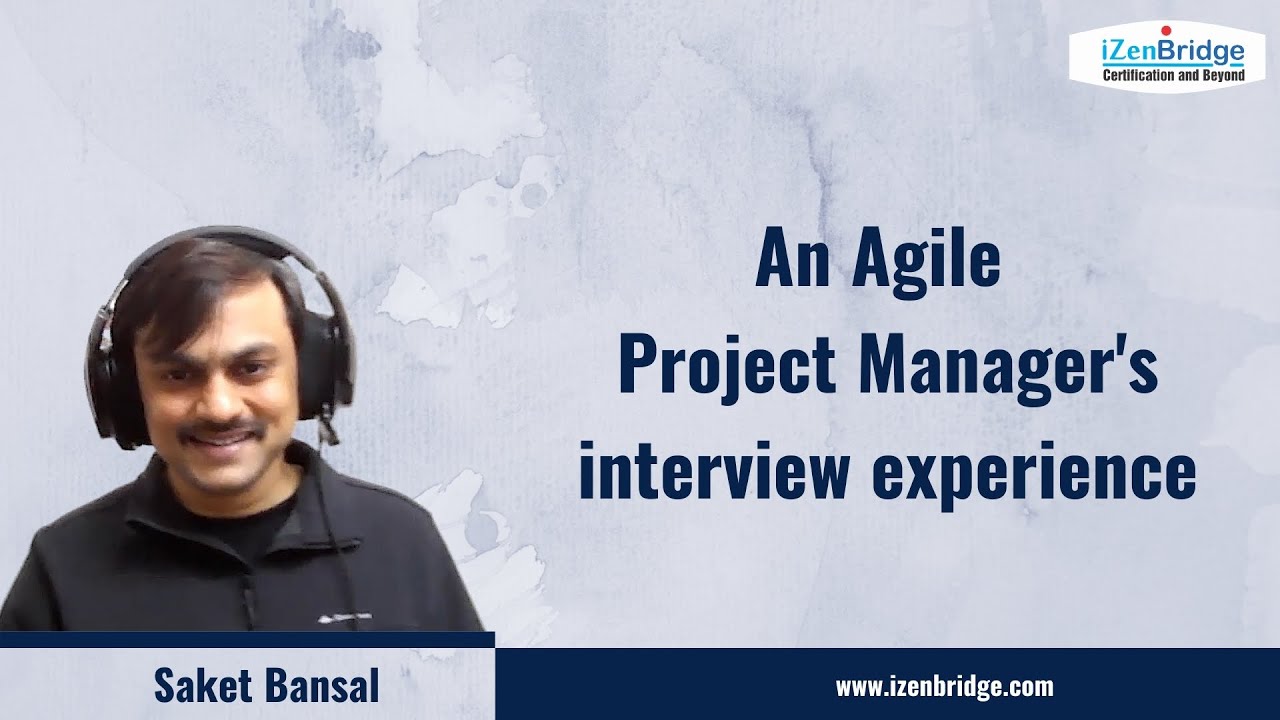
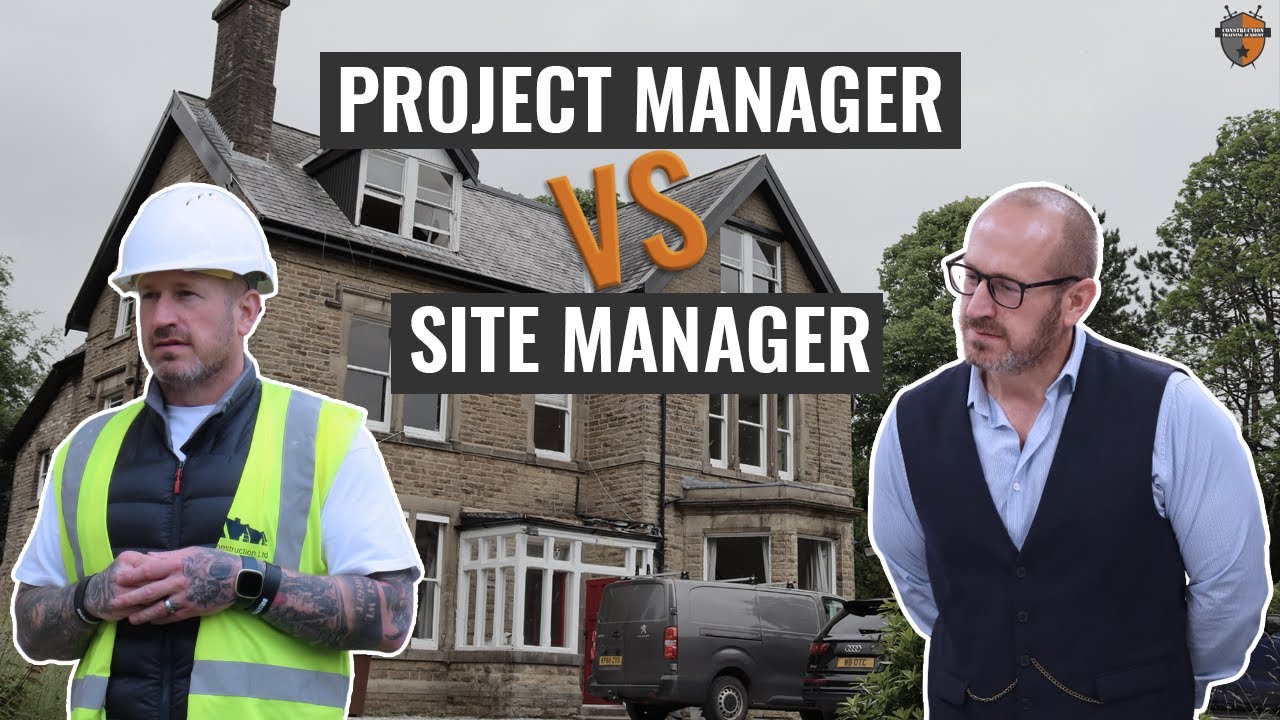
![[Top 40+ Questions ] scrum master interview questions and answers ⭐ scrum master interview questions](https://img.youtube.com/vi/SE8Ve8kIIxA/maxresdefault.jpg)
![[Top 20+] SAFe scrum master interview questions and answers ⭐ scrum master interview questions](https://img.youtube.com/vi/DNfyqMgl67A/maxresdefault.jpg)