at the beginning of this year i made two new year's resolutions regarding my youtube channel i resolved to finally make videos on two highly requested subjects one being a manga series and the other being a video game these two series have been recommended to me for the past three or four years mainly because they are heavily influenced by jungian psychology a subject that i am passionate about as evidenced by how many times i reference carl jung's work in my videos back in january i concluded one half of this resolution when i finally did a video
on the manga series berserk up until now however i had yet to do a video on the other subject that being the japanese video game series known as persona it has taken me this long for two core reasons one up until recently i still had a distaste for turn-based rpgs and two the persona games take longer to get through than a tolstoy novel i wanted to wait until i completed a persona game in its entirety before i did a video on it but given the current circumstances of my life the likelihood that i would finish
a persona game before the end of the year seemed unlikely so far i've played 10 hours of persona 4 and 30 hours of persona 5. and from what i understand both games contain about 100 hours of content when i consider that fact along with what other people have hinted to me about what's to come there will be too much content for me to analyze in just one video per game instead i will play the persona games when i find time to do so then i will report back to all of you every once in a
while with the new video for the first video in this new series i will of course present my thoughts on the game's use of carl jung's concepts but in addition i will be talking about one or two things that i don't think very many people have noticed regarding the game's mythology first of all these games are fantastic they are joyously addictive to play plus aside from the silent hill series i think the persona games probably serve as the best example of video games borrowing from psychoanalytic concepts though i will say that is not because their
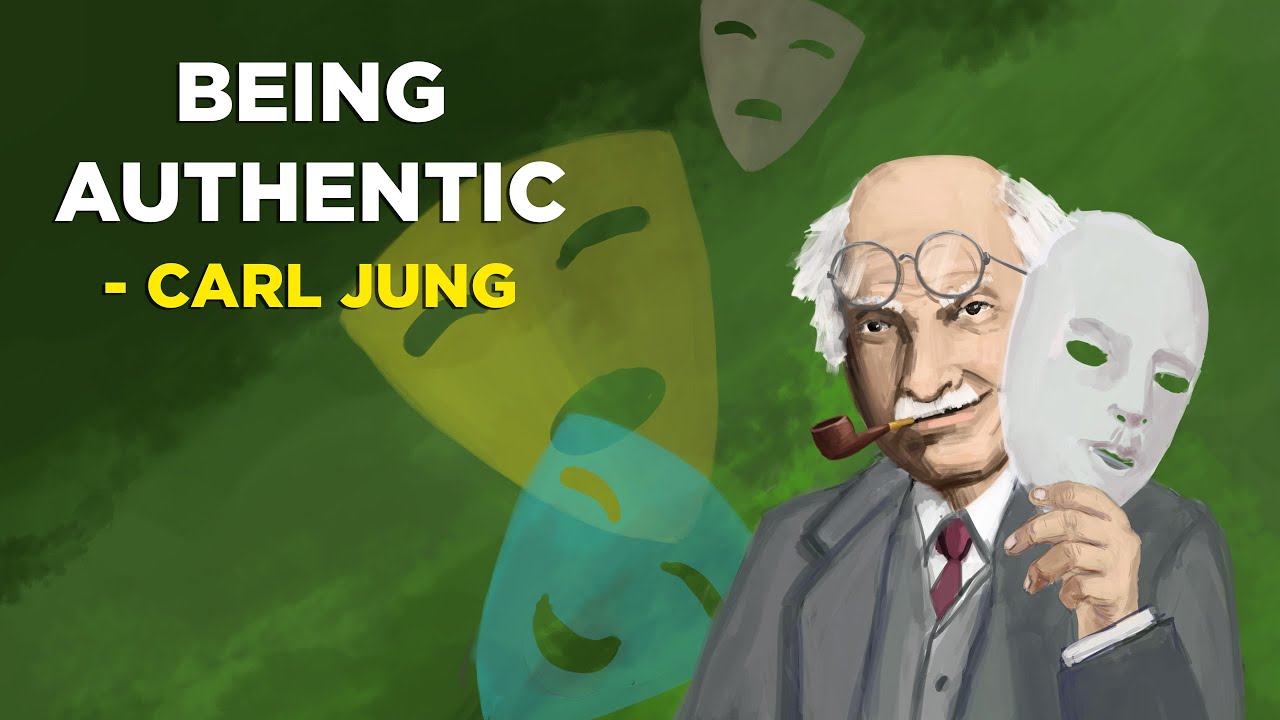
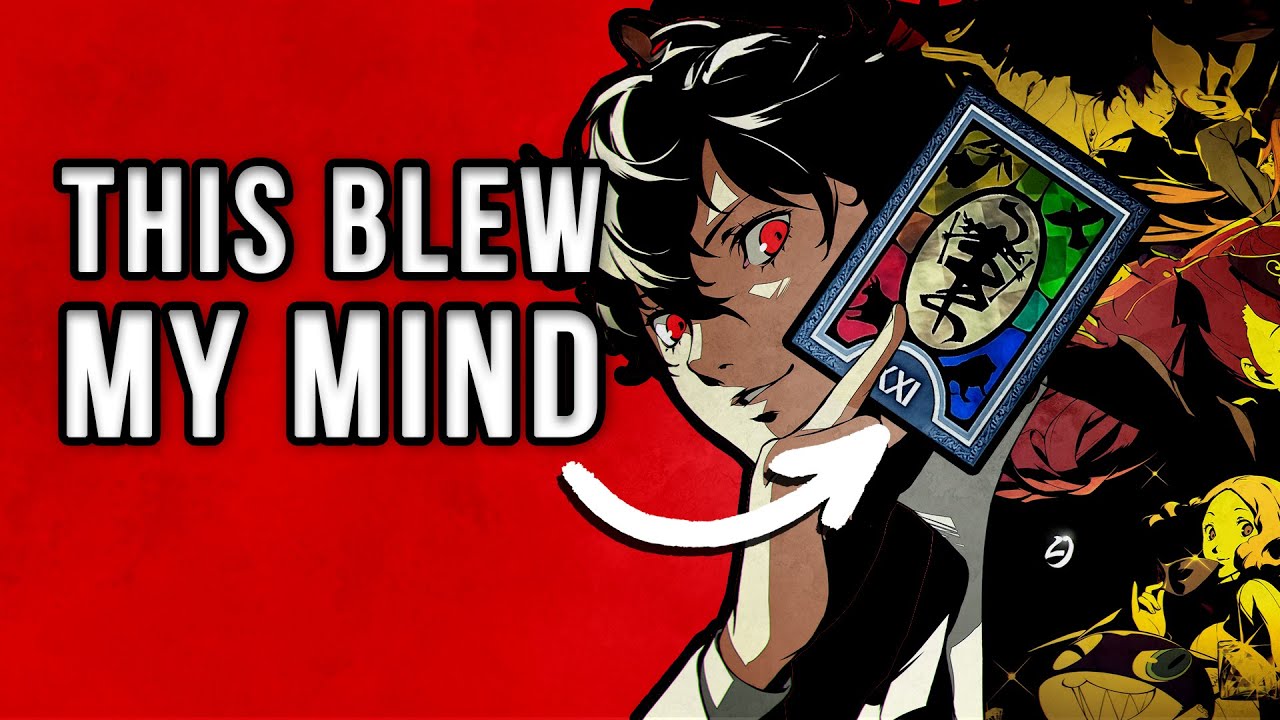
presentation of these concepts is 100 accurate rather the creators of these games seemed to take concepts created by people like carl jung and mold them to their own purposes the existence and function of personas demonstrate this best according to jung a persona is a kind of mask designed on the one hand to make a definite impression upon others and on the other to conceal the true nature of the individual in part persona 5 accurately depicted jung's conception of persona by taking the mask metaphor and giving it literal form the protagonists use their masks as a
summoning mechanism for their personas beings that they describe as their other selves in one way this is also accurate because a persona as young just defined is a form of oneself that we project out into the world personas are not our actual selves because if they were our personas would contain all the negative aspects of our personality along with the positive we tend to hide those negative aspects in our shadow which we'll get to in a moment no personas are the idealized versions of ourselves that we want people to see us as kind of like
a dating profile we wear this metaphorical mask known as the persona all the time in order to get along in a society this fact contradicts something that morgana says in persona 5 that the persona is the true feelings of your heart when in fact it's a bit more complicated than that sometimes your persona is an accurate reflection of your heart but sometimes it's not more often than not it's a mixture of things that accurately and inaccurately reflect your true behavior nonetheless it's almost always an idealized depiction of your personality now onto the shadow concept once
again we see accuracies and inaccuracies the shadow is the dark side of one's personality it contains all the aspects of one's personality that are incommensurate with things like the persona or one's conscious self what jung and freud would refer to as the ego in the persona games the shadow is creatively personified in several beings that live in the metaverse like in real life the people in the persona games are almost always ignorant of their shadow they don't want to acknowledge this dark side of their personality that they are capable of the most repulsive violent behaviors
however jung said that in order to become a truly moral authentic individual one must become conscious of their shadow side and integrate it bring it under your control that way the shadow doesn't loom over you and direct your behavior like we see in the case of people like kamashida and matarame in persona 5. instead you loom over the shadow but again for the sake of simplicity and storytelling the creators of persona took creative liberties with the shadow concept for example the games depict the shadow as a purely evil being that needs to be vanquished but
according to jung the shadow wasn't purely negative very often the shadow contains positive things that need to become a part of one's conscious personality say that you're a closeted homosexual and you have been repressing this fact all your life but doing so has caused you serious psychological harm if you consult your shadow you can integrate the suppressed part of your personality and become a healthier person for it or to use a more universal example say you need to study hard in university to become a good student but you procrastinate a lot in order to become
a good student you have to confront the part of you that tends towards procrastination and embrace new productive study habits these positive and negative traits all exist within the shadow another thing that the persona games didn't convey was the fact that the shadow never actually disappears shadows can't be vanquished like our protagonists so often do in these games shadows are always there and we must come to terms with that fact even if we don't like it just like somebody who is afraid of the dark must come to terms with the fact that light cannot exist
without darkness to define it in jung's mind your conscious self your ego is in constant dialogue with your shadow as long as you live if this dialogue were to ever reach a definitive end the ego would evolve into what young called the self also known as the true self or the jungian self this self would be the balance between the conscious ego and the unconscious shadow the harmony of light and darkness every human being strives towards the jungian self throughout their lives it is the ideal self that various cultures throughout the world have symbolized through
religious imagery for example jesus christ is a symbol of the jungian self because he in the minds of christians was the ideal man so christians used jesus christ as a positive example to help guide them towards their own jungian selves i am bringing up this connection between the jungian self and gods for a reason but i'll explain why in a few minutes of all the jungian concepts that persona depicts i think its presentation of the unconscious is the most accurate and also the most creative in jungian psychology the unconscious is a two-sided psychic force on
the one hand there's the personal unconscious where human beings store things like their memories on the other hand there is the collective unconscious which is a force that binds all human beings together it is the collective unconscious that instills human beings with the same psychic patterns things like instincts for instance an infant is instinctually driven to drink their mother's milk soon after they are born they weren't taught this they were born with this instinct the source of this instinct is abstractly formulated by jung as the collective unconscious like we saw in regards to the persona
and shadow concepts the personal and collective unconscious are given physical form this tendency for mental concepts to take physical form is derivative of another union concept known as synchronicity but i've talked about that ad nauseam on this channel anyways in persona 5 a person's personal unconscious takes the form of a palace the personal nature of the unconscious is exemplified by the decorations of these palaces for example kaneshiro the mafia boss who loves money has his palace decorated much like a bank vault with money and piggy banks laying everywhere in regards to the collective unconscious this
is personified in the form of mementos because of its collective nature there's nothing that makes it unique that's why the various levels all pretty much look the same the only thing that differs are the monsters that inhabit it now isn't it interesting that these monsters that can become your personas are also referred to as demons and that they also reside in the collective unconscious this isn't by accident if the collective unconscious is responsible for instilling thought forms things like instincts within you at birth it is also responsible for instilling demons now in real life we
don't have actual demons residing within us at least none that we can objectively prove but what people have done in the past before the advent of modern psychology and medicine is referred to their mental issues their psychological baggage as demons persona's use of demons is an offshoot of that notion they originate within the collective unconscious travel to our personal unconscious and try to bend us to their will one final thing that i'd like to point to before i conclude this video is the union concept of archetypes like instincts and demons they are produced by and
reside in the collective unconscious archetypes are the foundation of not only the human psyche but of all life in general they are universal patterns the best example of an archetype would be that of a mother and father all human beings and much of life in general sprang from the intercourse of a mother and father therefore mothers and fathers are archetypes of the collective unconscious of all the archetypes that jung discussed in his works arguably the most important archetype that he discussed was the one i referenced before the self all human beings are unconsciously programmed to
strive to greater personal heights to higher development and the pinnacle of that development is the union self as i said before one of the most famous symbols of the self is jesus christ but various other religions around the world have tried to give form to the same underlying archetype using their own symbols buddhists for example use buddha as a symbol of the self for hindus it's the concept of brahman for jews it's yahweh in simpler terms jung viewed the highest god in these religions as formulations of the unconscious self for the purposes of this video
i'd like to draw attention to one religious tradition that many of you might not be familiar with and their depictions of a certain divinity that tradition is known as gnosticism in gnostic tradition the creator of the world is known by many names two of the most prominent names are demiurge and yaldabaoth i think that's how you pronounce that this creator was an ignorant god one that sprang forth from a realm that is seen as higher than the collective unconscious one that is known as the pleroma the demiurge slash yaldabaoth was unaware of his descent from
a higher more divine plane moreover he was unconscious of the fact that unlike the beings of the pleuroma he was an imperfect god seeing that he figured he was the highest being he used the power bestowed to him as a god from the pleuroma to create the world because the demiurge was imperfect and fallible the world he created reflected that imperfection what with all its suffering and malevolence the gnostics wished to transcend the rule of the demiurge so they may reach the higher plane of the pluroma their way of doing this was through a process
known as gnosis carl jung was particularly interested in the gnostics because their process of gnosis reflected his own process known as individuation individuation was that process i described before where one confronted their own shadow so that their ego may transform into the jungian self and thus take on a nature much like that of a god now i bring all this up because unfortunately i've had aspects of persona spoiled for me and one of those aspects is the existence of a character known as the demiurge or yadubeoth from what i understand yaldabaoth or the demiurge is
the ruler of mementos much like the gnostic demiurge was the creator of the world and the collective unconscious that binds it the wiki for persona 5 describes him as supposedly the treasure of mementos which lines up well with my commentary on the jungian self being the highest archetype i anticipate that at some point towards the end of the game the characters will confront yaldabaoth and have the opportunity to transcend him completing their own individuation processes achieving their union selves and becoming like gods in the eyes of the masses but i'll have to see i do
have more to say on the subject of archetypes particularly how the game makes greater use of them in regards to the use of the turret arcana but that will have to wait until my next video until then please make sure to hit that like button it's totally free and it helps me out tremendously with the youtube algorithm also if you want to support the work i'm doing here please consider supporting me on patreon doing so will help me continue to promote the academic value of video games and also uncover secrets that you won't find in
any other game theory video or reddit post it will also help me continue this channel's secondary function which is the promotion and discussion of proper mental health i'll leave a link to my patreon in the description box below until my next video just remember as always stay yellow







![Psychology and Alchemy by Carl Jung (1968) [Part I]](https://img.youtube.com/vi/COvafdy108A/maxresdefault.jpg)