[Music] we are back with more of our special event kids in crisis screen time and it is time to hear from the kids themselves yeah how do they feel about their devices and the time they spend on them NBC's Kate snow is here with that part of the story hi Kate hi good morning guys by the age of 15 86% of kids have a smartphone according to Common Sense Media and the US Surgeon General says 95% of teens 13 to 17 are using social media there are a lot of positives right connecting with friends for
example but there are also some very real risks 21-year-old Sophie Chev clearly remembers the moment she joined social media it was the day of her 10th birthday party I was someone that grew up pretty heavily bullied and someone that struggled to fit in socially so when my peers told me that there was this app that they were downloading to stay connected to each other um to expand their social life I thought that if I downloaded it it would help me fit in too she downloaded Instagram and followed a few other students but so says when
she turned to the explore page she saw content from accounts she didn't follow and when she started clicking on posts about models and weight loss she says it took a turn it went from swap out a candy bar for a carrot to this is how to hide your food how to avoid eating completely Sophie says the content helped lead to her eating disorder she was hospitalized 13 times starting at the age of 15 when her doctor delivered this dire warning he looked me in the eyes and said the insurance called and asked for your prognosis
um and I had to tell them that you are going to die in the next couple of weeks your heart liver kidneys they're all failing Sophie made major changes in her life and she's in a healthier place now going to therapy and taking a 2-year break from social media and her story is not unique when asked about the impact of social media on their body image 46% of teens 13 to 17 said that social media makes them feel worse back in May the US Surgeon General issued a warning calling the youth Mental Health crisis the
defining public health issue of our time we see rates of depression and anxiety and suicide and loneliness going up among young people and I'm concerned that social media is an important driver of that the Surgeon General points to 2019 research finding teens who spend more than 3 hours a day on social media face double the risk for mental health issues like depression and anxiety and a lot of American teens are spending more time than that a poll this month found just over half of teens say they're spending at least 4 hours a day on social
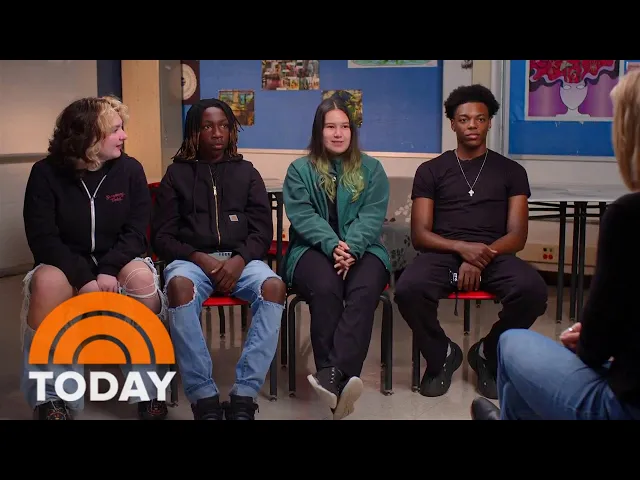
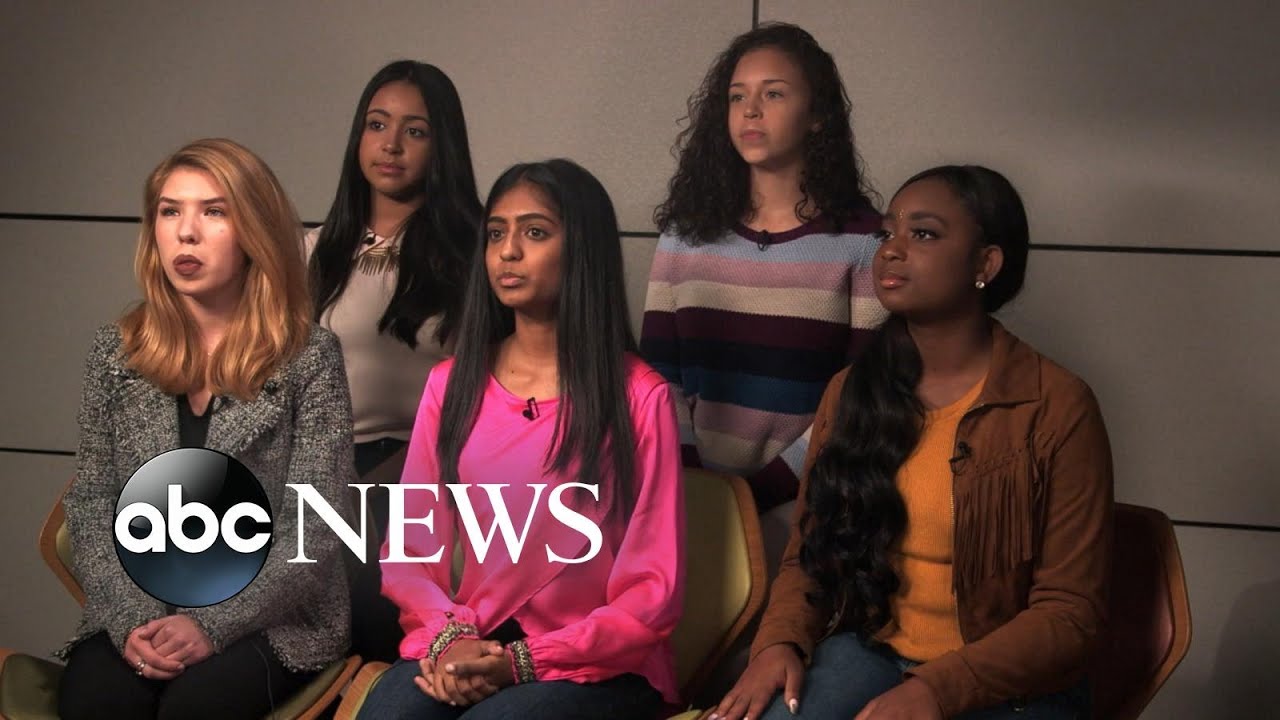
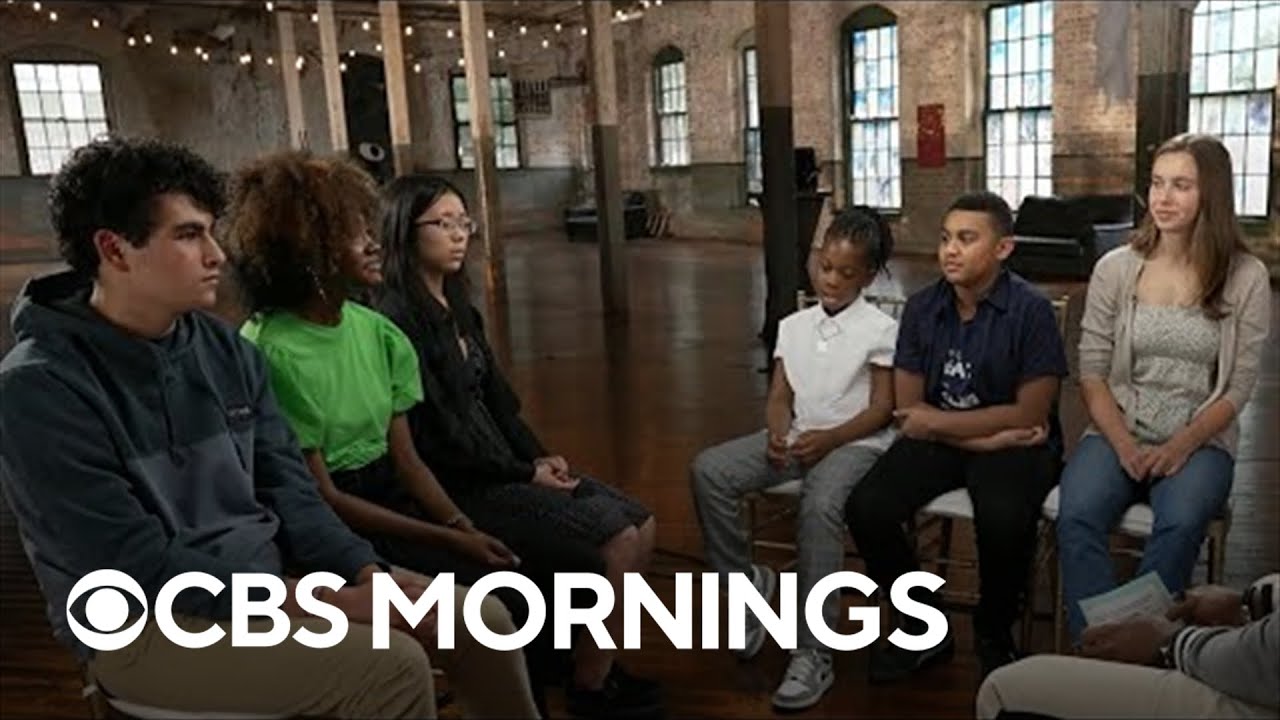
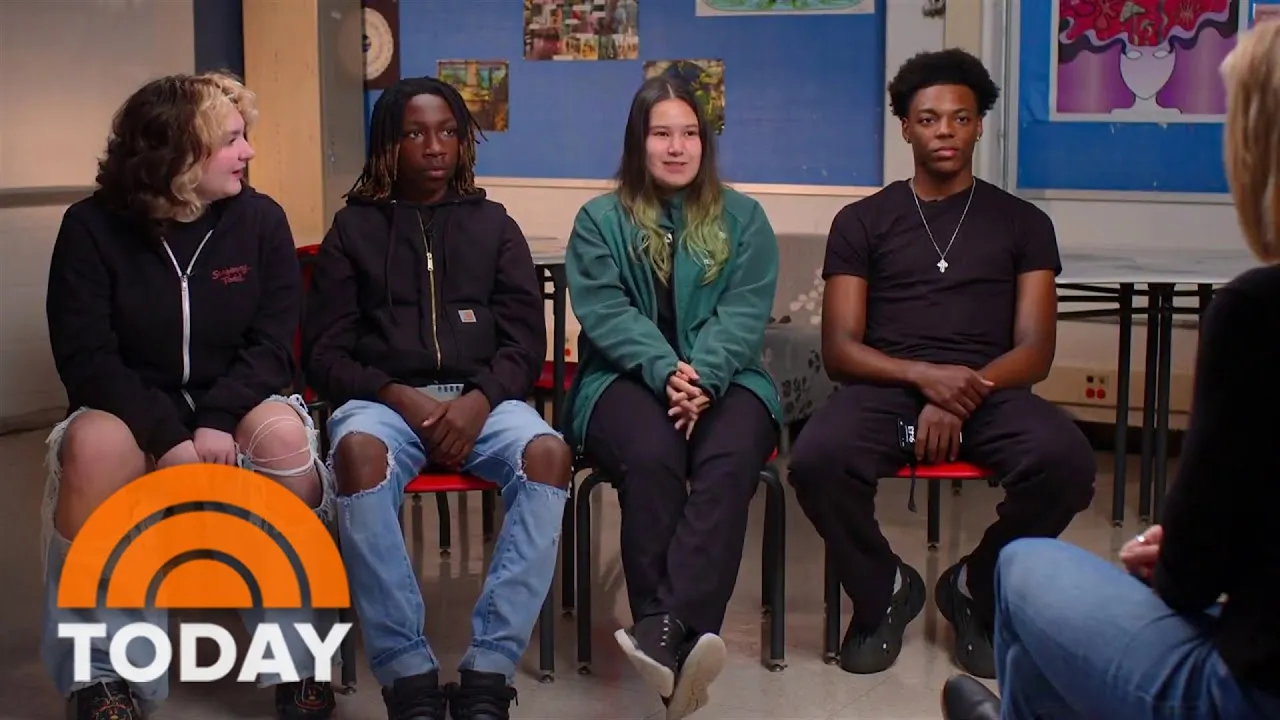
media apps favorite app I'd probably say like Tik Tok Tik Tok Instagram yeah Instagram ah we have a divide I sat down with 15-year-old Elizabeth kitsberg 13-year-old Josiah mlan long 16-year-old Megan Finnell and 17-year-old Eric Woodbury at their school outside New York City to learn about their own social media use jiah what does it look like when you start looking at Tik Tok uh when I'm looking at Tik Tok like there just so many funny videos and I just keep scrolling I think like when I'm scrolling I'm just forgetting and just avoiding everything else in
my life I watch Tik Tok like to fall asleep these teens say they don't use filters to change their appearance when they post on social media but they certainly see a lot of that what about your friends do your friends use filters I have one friend she uses a filter on every single photo every single video I don't know what she looks like for real anymore I haven't seen her a long time how much of your mental health do you think is tied to using the phone or screens do you see a connection there or
not not so much now but definitely like when I was younger like two years ago I was more impressionable to like what I'd see and I was definitely more down on myself then what were you seeing people like with the filters or like people with the unimaginable bodies that are all fake fake and perfect and it's like why can't that be me you know most of their parents follow them on social media my mom does send me a lot of Tik toks my dad like insta and stuff like it's mostly like funny stuff they also
tell me they've taken steps to have a healthier relationship with their phones Megan says last school year she would sneak her phone into her room at night this year her parents make her literally handed over at 9:30 my work wasn't getting done I wasn't getting good sleep because I was scrolling because it seems like scrolling at night is the only free time we have that's what it feels like anyway but I guess now that they take my phone I'm getting much better sleep as for Sophie she's now a sophomore at Stanford and a mental health
Advocate meeting with President Biden at the White House last year and while she's back on social media she says her relationship with it is different social media now is a place of learning but it is a place where I have to be able to make informed decisions and in order to protect myself and to protect that 10-year-old Sophie every single day in the years since Sophie's experience Instagram has made changes meta Instagram and Facebook's parent company tells us they don't allow anyone to encourage or promote eating disorders and they remove content when they see it
whenever they become aware of it NBC news also reached out to a lot of other social media companies about safety measures for teens Snapchat for example has inapp parental tools it's called The Family Center it allows you to view your teens friends and who they've messaged recently you can restrict sensitive content you can report any concerns that you have Tik Tok told us they set a 1-h hour daily screen time limit on teen accounts under 18 but the teens can enter a passcode to override that and continue watching a lot of teens will tell you
they know the passcode but Kate thank you very much let's keep the conversation going with a group of parents who've definitely understand these struggles in this battle of smartphones and to answer their questions Dr RG Allen Wilson a relationship therapist who helps families overcome mental health challenges including the challenges of screen time she's also the author of courageous conversations connect and Lissa May is a digital Wellness activist and founder of half the story so Lissa what was your wakeup call you're young you're a part of this generation not too long ago when did you realize
this was a real problem and what's your message to those out here listening today my wakeup call is when I almost ended my life and when I went to the psych center they asked me about all other forms of Wellness sexual well physical wellness but not digital wellness and I was spending between 10 and 12 hours a day my message and what I built was an organization to solve this problem and we know that technology isn't going anywhere so I believe we need to live in a world and give kids the tools to have active
and healthy relationships to achieve digital flourishing RG um a lot of parents give their kids uh phones because they say I want my kid to be safe I want in case she needs me or he needs me when really what we've seen throughout this hour is the boogeyman is actually inside the phone not outside the phone but if you are going to give your kid a phone what are some things that you should do to make sure you do it properly yeah hold you got to remember the phone is a powerful tool that you're putting
in the hands of your children and it's like putting a 2-year-old in the driver's seat and saying Drive you're going to crash so the children's brains aren't fully developed the parents have to guide them just like anything else so open conversation not one or done having the conversation what are you going to do with the phone how are you going to make manage the phone if you're going to feel uncomfortable with the phone here are the signs to look for what are the danger signs those are important and then also thinking about all right now
that you have open communication the protective factors know the codes know the accesses know the social media platforms that those kids are on and then make sure that you have access your parents are not your friends really at the end of the day you're the parent your job is to protect them and so have that access let's get some of the parents questions we've got one Rodriguez she's got a 12-year-old daughter hi Wanda what's your question um so I seem to find that every time I ask my daughter to put her phone down it turns
into a fight how can I get her to put her phone away without causing an argument this is such a big issue I mean parents say this is like the only thing they're fighting about anymore yeah so Wanda Wanda and all you other parents thank you for asking that question you're not alone this is a community conversation this is not your the individual conversation you guys got to talk to each other what are you doing with each other and for your daughter or for your sons then find common ground there's always going to be some
common ground means keep that lines of communication open the Common Ground might be okay we're going to stay on the phone less we're going to use the phone at certain times we're going to have Tech free free zones would that have worked for you Lissa when you you were in those shoes I definitely needed boundaries yeah and I didn't know how to have them because my brain was still developing yeah and the boundaries are going to lead to fight I always think about this as a parent it's like like boy parenting is hard letting it
slide is so much easier sometimes you're just not in the mood to fight so we give in but you can't give it can't let's get to our next question we have uh Diana Napier she's got a teenager at home she's got a question hi hi good morning um how do you Foster open communication with your children so they feel they can come and talk to you if they see something online that makes them feel jealous or scared well the reality is is that Tech is very emotional there's so much fear we're often pointing and yelling
at our kids for being on their devices but more often than not like I did I escape through my screen to numb out the best thing you can do as a parent is to be vulnerable yourself and to sit down and to hold your teenager because they need that more than they need finger pointing and ask them hey social media has been making me feel really bad about my body how does it feel about you lead with curiosity ask them not just the bad things but also what really excites you about being in the digital
world show me because I have no idea what four you page is yeah yeah it's we want to play a clip this is from Project Healthy Minds at an event it's a nonprofit and just last week there were two parents at an event Carson was there Tony and Brandy Roberts their 14-year-old daughter Eng Glenn died by Suicide they learned she was depressed after opening up her phone and finding a locked note Tony had a message he wanted to share we thought we should share it with you take a listen one of the things I really
want the world to know please know your children's unlock code we knew her her unlock code we knew her passwords we knew everything but I just didn't know how to navigate through these platforms I mean that's it you can set all these rules and if you don't understand how to use it Lissa I mean it's like we keep saying it's not a fair fight how do you what do you do well for parents you have to make space and I think we talk a lot about boundaries but we also have to make this fun and
bring a play and creativity into this so a lot of times we say have a screen screen free scavenger hunt or do deep fake Bingo or you're bringing bringing your family together to try to identify what's true and what's not we also have to remember that parents are the models just like any other substance we look at our kids how do we save them but you have to save yourself first and you said rgie at nighttime lock the phone up I mean Al Roker did that with his son he took his kid's phone he put
it in a lock box in a safe and said see you in the morning and it may cause a huge too but afterwards they've slept that night they've woken up in the morning and they can start like Tech free zones create Tech free zones create opportunity for talking I like to say green time over screen time go out and talk in the car don't miss the opportunity to get off the screen and be the model for your children because you're creating a different culture it's a wake up call for all of us me my kids
are first ones to say hey Mom you're on the screen so guess what we can all do better uh RG and Lissa thank you so much to all of our parents thank you and you can find more answers on today.com including the resources that Lissa talked about her nonprofit has to offer hey thanks for watching don't miss the Today show every weekday at 11:00 a.m. eastern 8 Pacific on our streaming Channel today all day to watch head to today.com allay or click the link right here