should I buy a used car or a new one how many years old how can I lower my insurance costs what's the best way to calculate the total cost of ownership most of us are massively overpaying for our car and so in this video I thought it would be helpful to highlight four of the most important money things you need to know before buying along with tips on how you can reduce the cost of having a car over the long run before we dive into this video 75% of people who watch my videos are not
yet subscribed which is outrageously high if you're one of those silent viewers please do me a favor and hit the Subscribe button it helps me continue creating and putting out free content and improving my videos along the way let's get into it the age old question exists when it comes to buying a car should I buy new or should I buy used on one hand a new car comes with several benefits not only is it more shiny and nicer to drive but it's also seen as more reliable and safer plus they usually come with a
warranty and if you time it right you can get a good discount on the car for instance March and September are busy car buying periods in the UK because that's when new number plates are introduced unless these cars get sold in September or in early October they tend to sit around and depreciate and any leftovers will be at a lower price by the end of the year and that's also when car dealers still have sale targets to fulfill so it's a great time to negotiate the downside however is that even after negotiating and timing this
right buying a new car is often still the less financially Savvy option and statistics show that after the first 12 months a new car can depreciate by around 15 to 35% and that depreciation keeps going up to 50% or more over 3 years on the other hand buying a used car can save you a lot of money in the long run and The Sweet Spot for used cars is usually between 3 to 5 years old at that point the car has depreciated substantially at someone else's expense and will depreciate slower in the years that you
have it the downside however is that used cars may need more maintenance and repairs because it comes with wear and tear from previous owners and this can really add up over time but I come to some of my favorite tips on how to offset those costs later in the video number two factor in the all-in price you can have two people buy the same car at the same time but pay very different amounts for it purely down to the way they bought the car the most common ways to buy a new car in the UK
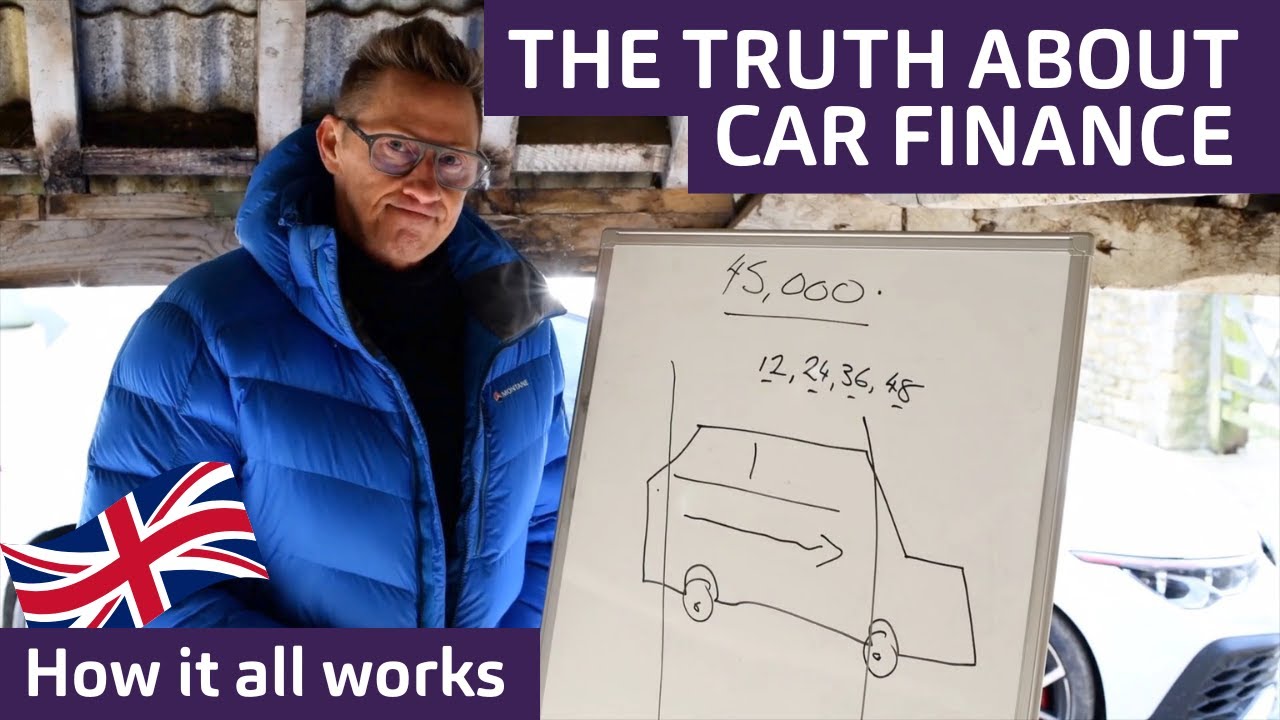
is to buy an outright hire a purchase or a bank loan a lease or a PCP and depend depending on which one you choose it can cost you thousands more or thousands less to give you a high level overview on what each of them are the outright way involves paying the full price of the car on day one so you don't have to worry about any payments or interest going forward what you see when it comes to the car price itself is what you get the second way is to buy a car through finance and
in the UK if you're buying it through the car dealership this is often referred to as higher purchase and with this you pay a deposit for the car or a lump sum at the start and then you borrow the amount that's left at a set interest rate for a certain number of years so if you're taking out the financing for 3 years you'll pay the monthly payments for that car over the 3 years until the car is fully paid off you can also opt for the straight personal bank loan in this option and the rates
you get through this are typically lower than what you get through a higher purchase through a car dealership the third option is leasing a car this is similar to renting you make monthly payments to use the car and then you return it at the end of your contract with this option you're only paying for the car's depreciation during the time that you have it not its full value so you provide your initial deposit and then the car dealership will look at how much they think that car is going to depreciate during the time that you
own it say 10K over the 3 years that you owe it then they divide that into monthly payments and add some fees and a bit of interest on top the fourth option is the PCP and with this you decide your deposit amount that you want to pay up run the dealership provides a value or an assigned value on what they think the car will be worth at the end of your contract ra and then both of those figures are added together and subtracted from the cost of the car and what's left is divided into monthly
payments when the contract ends you can either return the car you can use that final assigned value to part exchange the car or you can pay for that assigned value assuming it's still what the car is worth to keep the car the total cost depends on which of these financing options you choose the length of the contract the amount of your deposit and which car dealership you go for the price can vary between dealerships because some of them can offer greater discounts or contributions than other so it's worth shopping around I've created a video explaining
exactly in detail how to calculate this cost with the real examples using an Audi A3 and I will link that over here if you are interested in this type of content and you're looking for more money tips and practical lessons that you can use straight away I have a newsletter where I share some of my best tips I go into a lot more detail on some of the topics that I cover on my YouTube channel and I also share a lot of hacks that I don't talk about on social media if you're interested it's completely
100% free and you can find the link in the description third thing to consider is Insurance costs Insurance costs are often ignored when we're budgeting for a car you go through the whole car buying process you decide what car you're buying and then you look at the insurance cost and you think ah didn't budget for that the good news is that you can get some good deals depending on your driving history the car you're buying where you live and what insurance provider you're going for couple of tips firstly shop around not just when you first
get their insurance for a car but every year after that whenever it's time to renew it costs an insurance provider more to lose you than it does to keep you so tell them you've looked around you found competitors offering the same cover but for Less give examples of what other providers are offering and at what price and use that to negotiate your cover down and the fourth thing to look out for is maintenance and repairs the average used car driver spends around £1,300 annually on car repairs and maintenance this number includes petrol repairs and breakdowns
two tips to keep the repair cost low firstly know that you have other options Beyond just going to a car dealership when it comes to maintenance whilst yeah some premium car owners may prefer to have the car serviced at the dealership and only at the dealership it's worth knowing that local garages can often provide a very high quality service at a much lower cost and if you're still concerned about the reliability and the quality of service that you can get from local garages you can opt for an authorized garage from the car manufacturer these garages
are often staffed by mechanics who seen as just as skilled as those in the dealership but without the added cost the second option you could do which is becoming more and more popular is the do it yourself option because you can find the answer to anything on Google I'm not going to recommend this because I would be hopeless but if you prefer to watch a YouTube video on how to fix something or how to change the oil in your car you can save money or it'll cost you more depending on your DIY capabilities those are
four common things to look for and consider when buying and running your car if you want to know about the different financing methods in more detail I've a video over here that you could check out and if you want to know about how much car you can afford depending on your salary then this video right here is for you thank you for watching and see you in one of that