[Music] [Applause] good day learners welcome back to my youtube channel for today's lesson i will be discussing the first part of module 2 which is about cell cycle but before i proceed on my lesson if you're new to my channel don't forget to subscribe to update you on my latest lesson blog cell cycle is important in the process of forming plants repairing of tissue and forming life our learning objective for this last one explain the stages of cell cycle as new cells are produced during cell division either mitosis and meiosis the cell passes through different
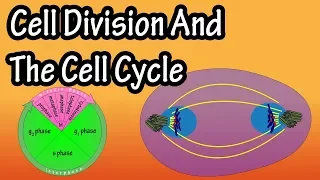
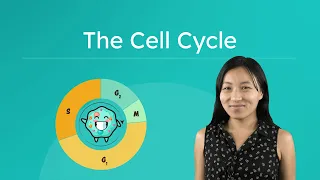
stages of development or known as cell cycle so what is cell cycle it is a series of events that leads the cell to duplicate their genetic contents and divide into daughter cells the entire cycle is divided into two main stages the first one is interphase interface is divided into three stages namely the g1 phase or gap one phase s phase or the synthesis phase and g2 or gap to phase the other one is the m phase where m stands for either meiosis or mitosis where the cell undergoes division the whole process of cell cycle are
shown in your screen it explains the beginning of heredity and variation where in it composed of different stages so let us discuss the first part of the cell cycle which is about interface so what happens during the interface during the interface it is known as the preparatory stage or non-dividing stage because it focus on the cell grows and replicate its chromosome to prepare cell division it is also a part where the cell is most active metabolically because it engages into different vital functions such as nutrition respiration and biosynthesis it also spends 90 percent of time
in the process the interface consists of three stages the first one is the g1 phase or known as gap one phase the cell at this stage is still young and it undergoes rapid growth in this stage the organelles are formed and proteins are produced it is the longest phase among the three stages in cells in addition the mechanism on this stage is activated to ensure that every materials are ready and complete before undergoing the next stage the next stage is what we called as s phase or synthesis phase the dna doubles at this stage by
the process called replication at the end of this stage each chromosome is made up of two sister chromatids attached at the centromere so why is it important to duplicate the genetic materials so that the cells that will produce will not have any abnormalities the last stage of the interface is known as little phase or gap to phase it is the final preparation for the cell division wherein it assembles protein such as microtubules hollow protein fibers that cause the chromosomes to move during cell division take a look of this illustration each stages has its boundary or
checkpoint to ensure that the process of each stages are complete before entering the next stages the purpose of this checkpoint is to ensure that all materials in each stages are developed and complete before allowing it to undergo the next stage and to avoid abnormalities in the whole cycle aside from g1 phase s phase and g2 phase there is another phase called as j0 phase or known as inactive phase on this stage cell cycle may stop for a specific kinds of cell cells in this stage are not actively preparing to divide some cells enter on this
stage temporarily until there is an external signal or force that triggers the onset of g1 examples of the cells that undergo g0 phase are the cells found in heart muscle eyes and brain these cells are function metabolically even though they are not ready for division that's why if these cells are damaged they may not be able to reproduce it by themselves after the interface to complete the whole cell cycle the cell may now ready to undergo cell division we have two kinds of cell division the first one is mitosis it is a type of cell
division where multicellular organisms undergo growth and development and when they repair damaged tissues the other one is meiosis it is a type of cell division used to produce sex cells such as egg and sperm cells when cell divides technically nucleus and cytoplasm also divides after the division of the nucleus or known as cardiokinesis the cytoplasm starts to divide known as cytokinesis cytokinesis in animal cell and other cells that block cell walls starts at the exterior of the cell moving inwards until the cell is divided into two cells this process is called cleavage pharaoh formation in
plant cell the cell divides forming a cell plate on its center that is eventually become a cell wall described as a protective layer of plant cell this is how cleavage furrow formed as i mentioned earlier to check your understanding it's quiz time thank you grade 8 students i hope you learned something if you like my video don't forget to like share subscribe and turn on the bell for more updates in our science class you