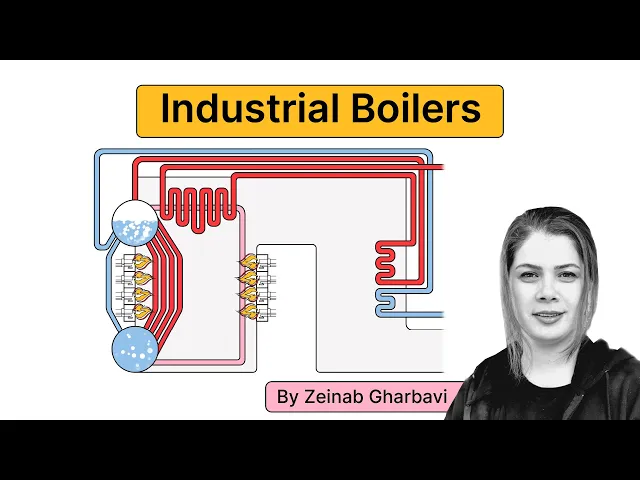
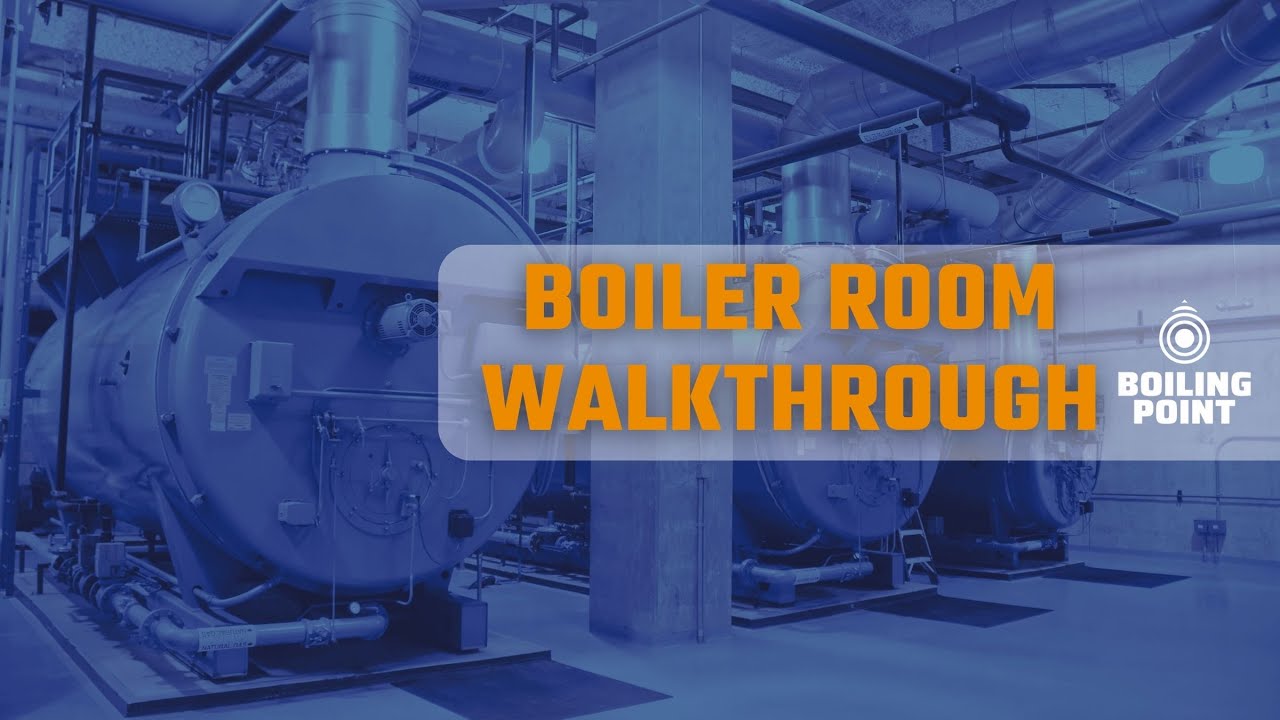
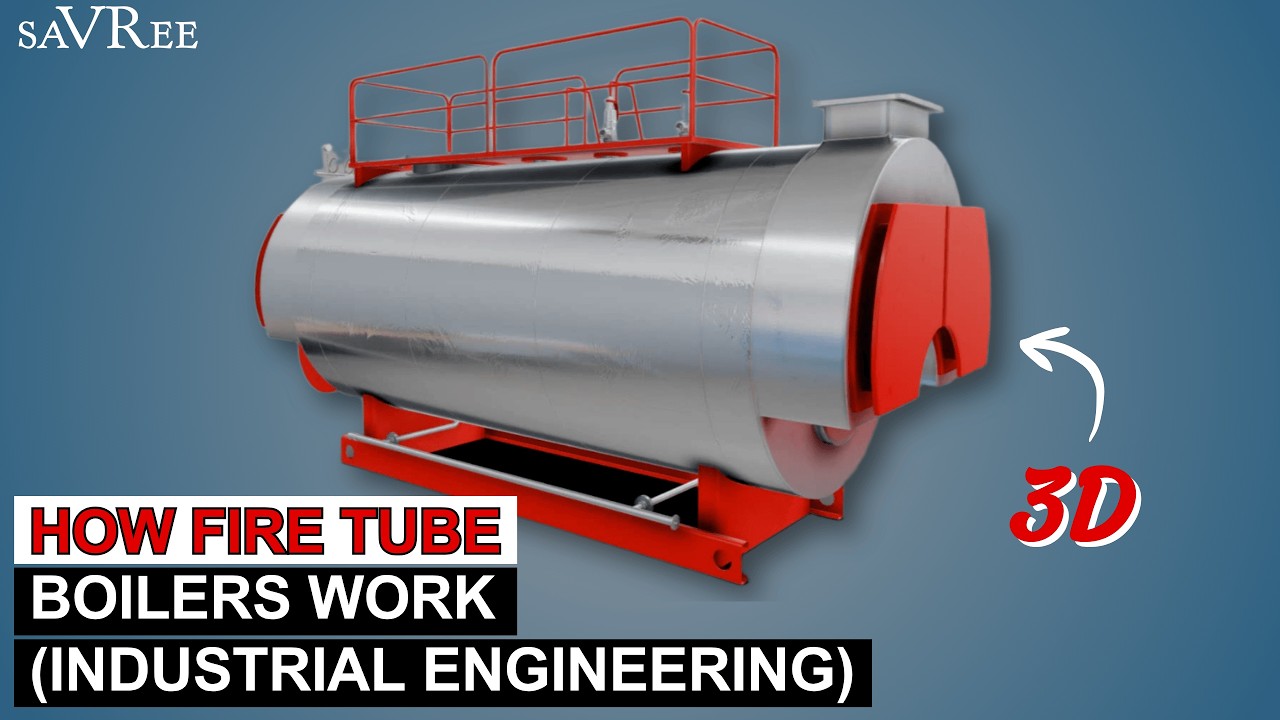
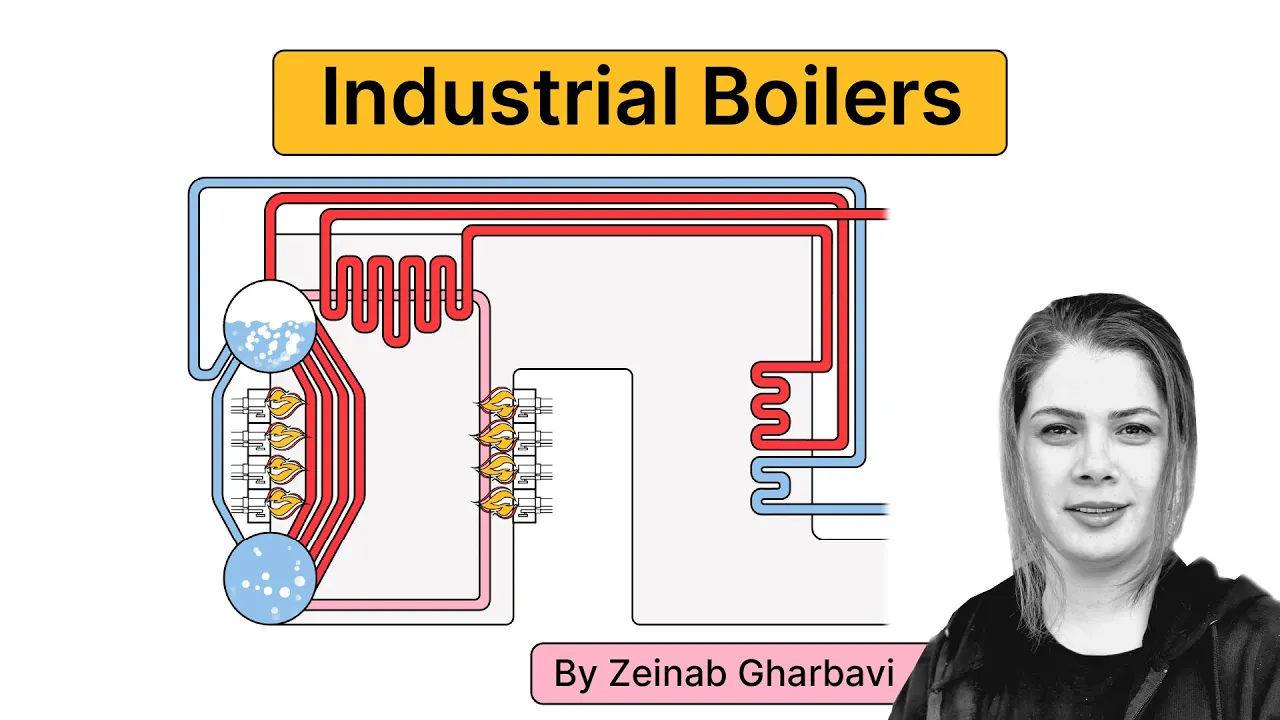
industrial boilers are designed to heat water to produce steam or hot water for various industrial processes like power plants chemical production and oil refining okay let's take a look at a few types of boilers and how they work with a simple form of boiler design in a fire tube boiler fuel is burned in a furnace which then creates hot gases these gases flow through tubes surrounded by water so the main characteristic of a fire tube boiler is that the water is outside the tubes as the gases move through the tubes they transfer their heat to
the water and that's what creates Steam for high pressure over 200 PSIG or high capacity needs over 10 million btu fire two boilers aren't ideal because the pressure vessel can be at risk of failure under these conditions in a water tube boiler it works a bit differently water moves through small tubes and then the tubes are heated as the water heats up it eventually turns into steam this is how this type of boiler operates due to their design water tube boilers can handle higher pressures than fire tube boilers making them ideal for heavy industrial applications
to familiarize you with these two types I've shown a simple design of both boilers but these boilers are commonly used in the industry for various applications and come in different sizes and Designs water tube boilers which are commonly used in power plants heat water to create superheated steam which is then used to drive turbines connected to generators producing electricity the steam is also reheated again after the first stage of the turbine why do we need superheated steam because we shouldn't allow the steam to condense back into water to prevent damage to the turbine blades in
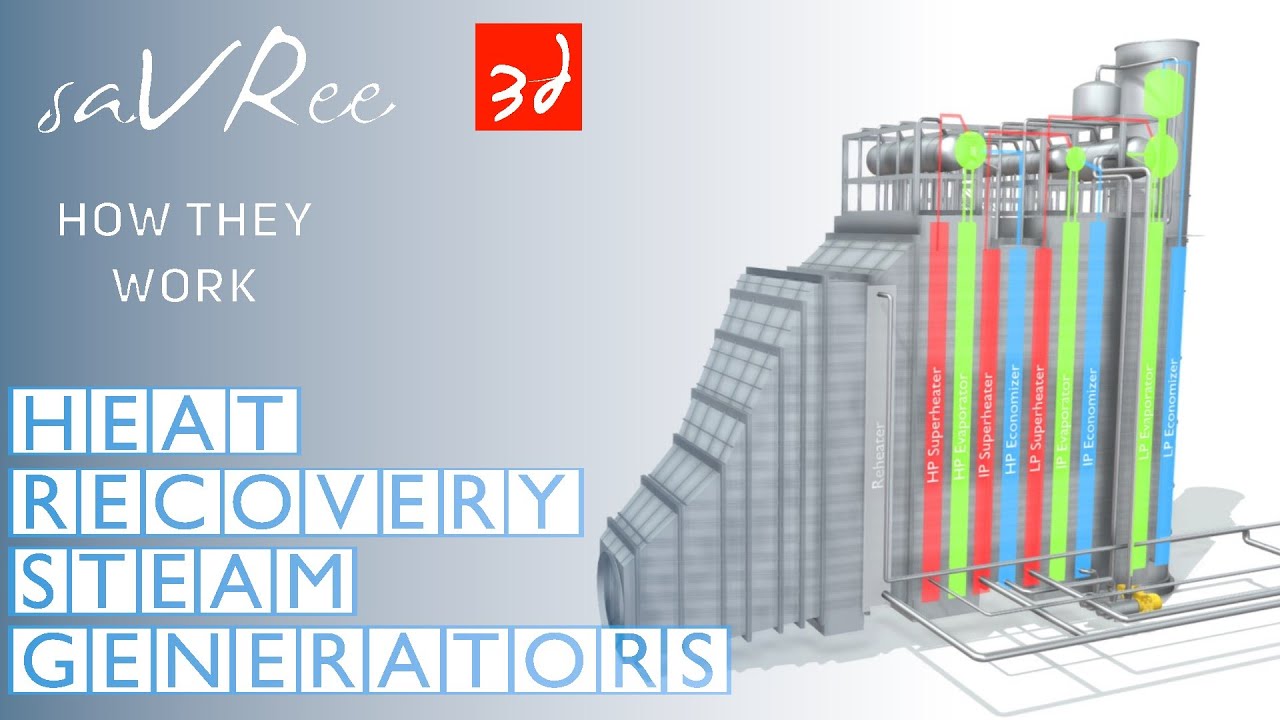
the next part I'll explain how the boiler's super heater makes this happen to understand the way an industrial boiler works first we should look at the main components that start the whole process and keep the operation efficient the first component that feed water passes through is the economizer the economizer preheats the feed water supplied by the feed water pump by absorbing energy from the combustion gases which raises the temperature of the fluid this process boosts boiler efficiency by receiving heat that would otherwise be lost corrosion caused by low water temperature can also be prevented by
controlling the incoming feed water the necessary heat to convert water to steam is provided by combustion in a boiler and the following elements are needed oxygen fuel heat to initiate chemical reaction a boiler typically has multiple burners positioned around the furnace the oxygen that is needed for combustion comes from Air supplied to the boiler and the fuel nozzle sprays fuel into the furnace the fuel and air or oxygen combustion needs energy the electric igniter first provides the energy required for ignition this spark ignites the pilot flame which in turn ignites the main flame and creates
tremendous energy by creating a flame and confirming it the heat from the igniter is no longer needed let's go back to the heated feed water that came out of the economizer it then enters the steam drum via the feedwater inlet next it flows through the downcomer mud drum and water wall the water wall consisting of closely spaced tubes lining the interior of the boil 's combustion chamber absorbs heat from the combustion gases heat transfer in the combustion chamber occurs through radiation and convection heating the water inside these tubes the heated water reaches the top of
the water wall tubes and it's often a mixture of water and steam then it goes toward the steam drum where further separation occurs the steam drum is partially filled with water and the upper part of it is reserved for Steam inside the drum the water steam mix hits baffles that change its direction helping to separate the steam from the water then it moves to Cyclone separators which use centrifugal force to remove any remaining water drops and the steam Rises to the top part of the drum to make sure the steam is completely dry it might
go through extra moisture separators or drying devices if more solutes enter the boiler along with the feed water these solutes will be concentrated and may reach a point where their solubility in water decreases and they're separated from the water as sediment the mud drum which is located at the bottom of the boiler and is connected to the steam drum above it through the downcomer and water wall tubes is filled with water and serves as a collection point for dirt and impurities over time these settle at the bottom of the mud drum so to prevent this
from happening the solutes in the water should be limited this process called blowdown is controlled by removing part of the boiler's condensed water it can be done manually or automatically through the drain valve at the point with the highest concentration of solutes super heaters are tubular heat exchangers placed in the path of the boiler's combustion heat or hot gases with steam flowing through the tubes the the purpose of the super heater is to increase the steam's temperature and remove moisture in power plants the needs of the steam turbine are the determining factors for the boiler
control conditions therefore to provide the desired temperature of the steamed turbine temperature control equipment is needed this requires having at least two zones called primary and secondary super heaters in some boiler designs additional temperature control rollers known as D super heaters are used between the primary and secondary super heaters if the steam gets too hot the D super heater sprays water into the steam which lowers the temperature of the superheated steam from the secondary super heater the steam goes to the high pressure or HP section of the turbine it expands and loses some temperature as
it drives the HP turbine blades generating mechanical energy once the steam exits the HP section of the turbine it typically moves to the reheater which functions similarly to a super heater reheaters use heat from the hot combustion gases to raise the steam's temperature this restores heat lost during the HP expansion this reheated steam then flows into the intermediate pressure or IP or low pressure or LP sections of the turbine for further expansion the rotation energy produced by the steam turbine is transferred to the electric generator caution must be taken by using sensors to monitor vibration
as this can resonate with unwanted sounds and cause unwanted harmonic disturbance this can lead to bearing failures and wear and tear just to recap here's what you learned in this video we looked at the roles of the economizer water wall and mud drum and what happens inside the combustion chain ber and steam drum we also talked about the role of super heaters to provide the desired temperature of the steam turbine if you want to learn about power generation be sure to check out our course power generation essentials from turbines to hydroelectricity on realpars tocom [Music]
oh [Music]