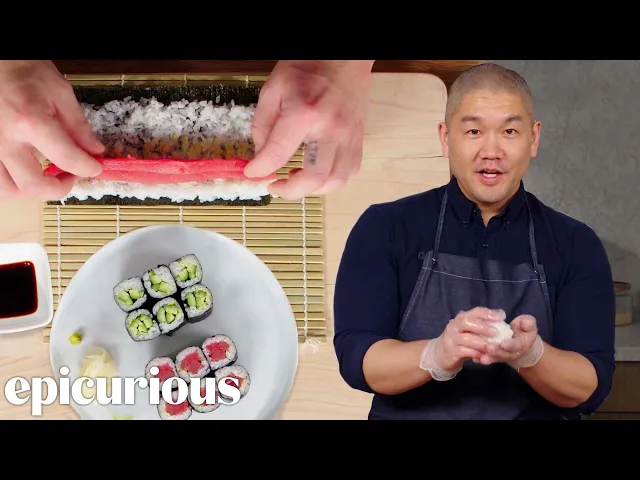
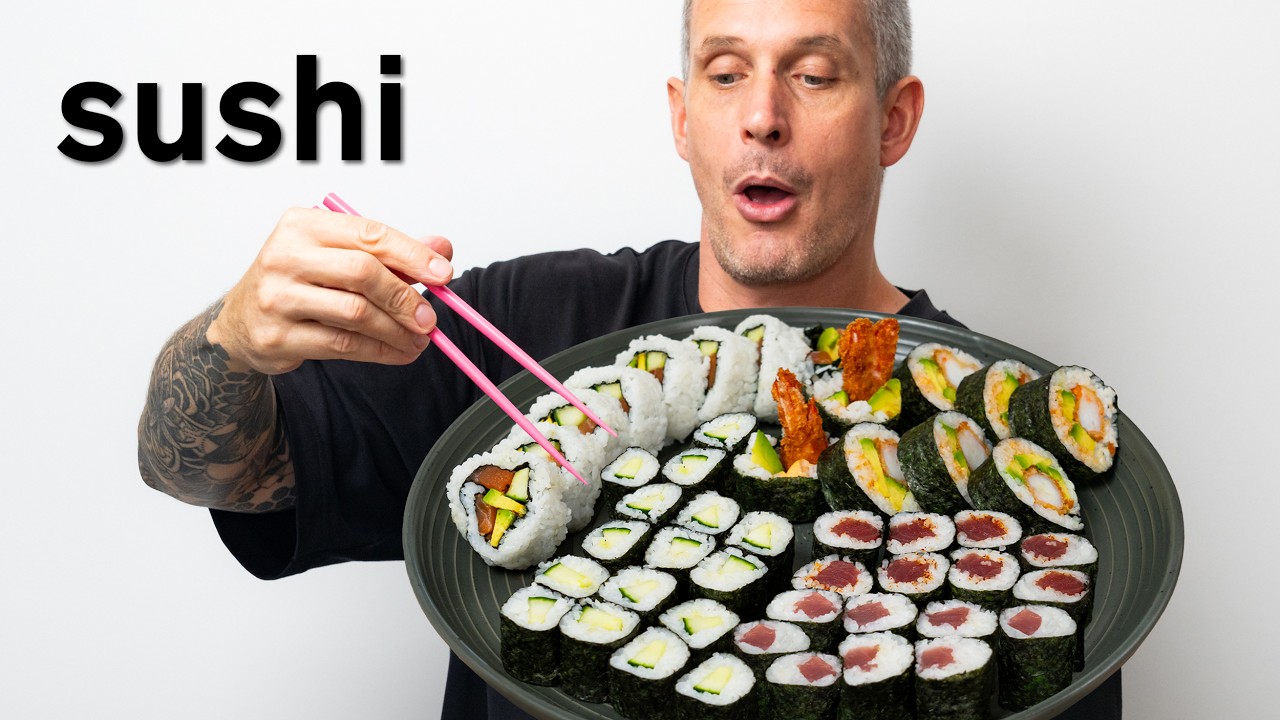
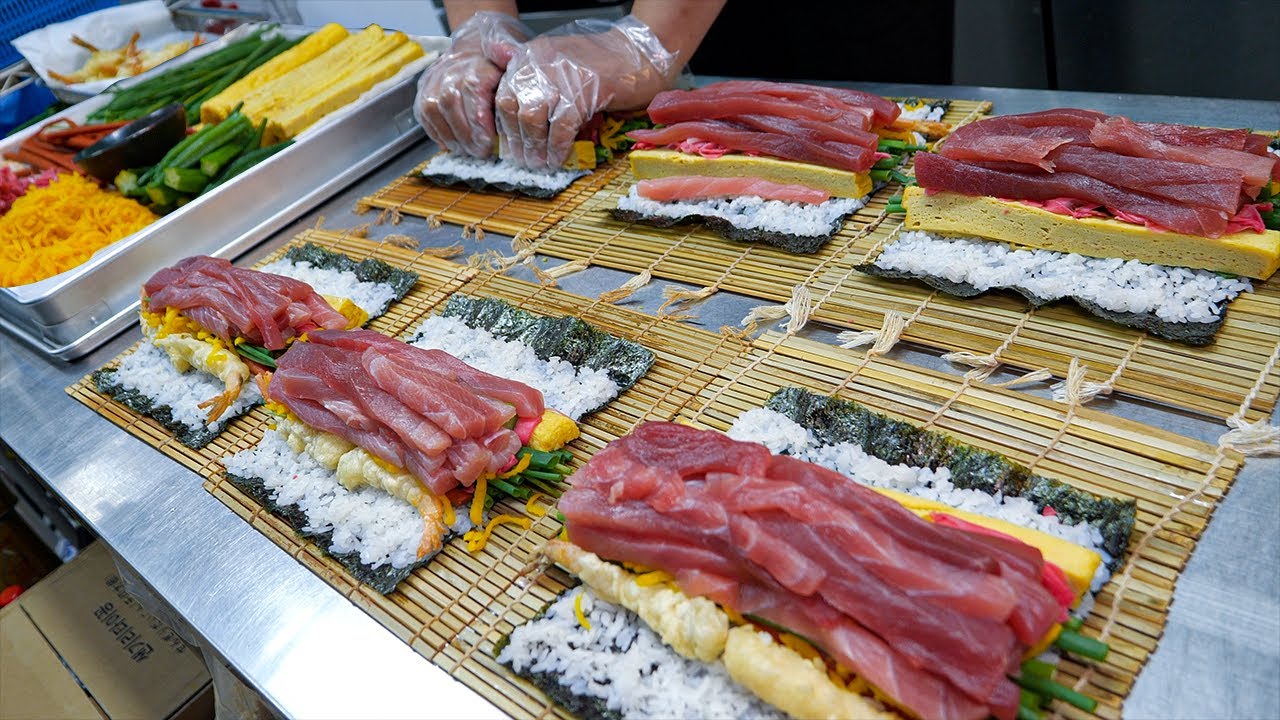
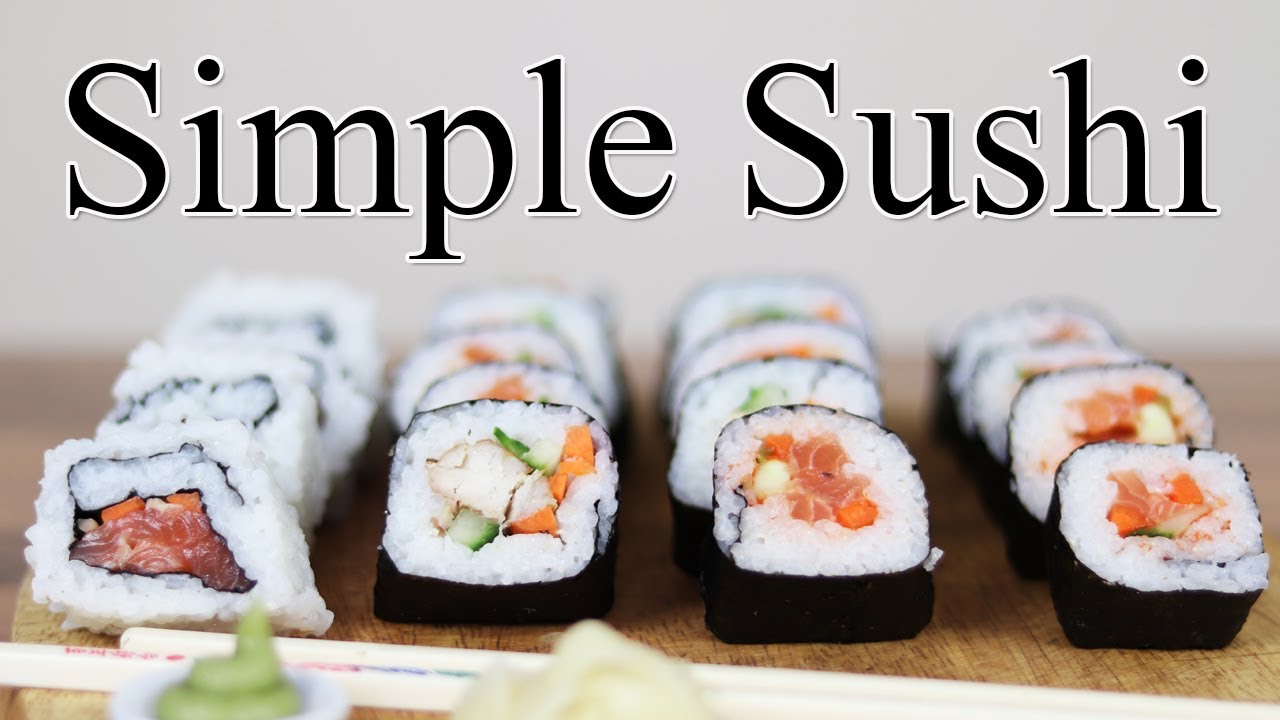
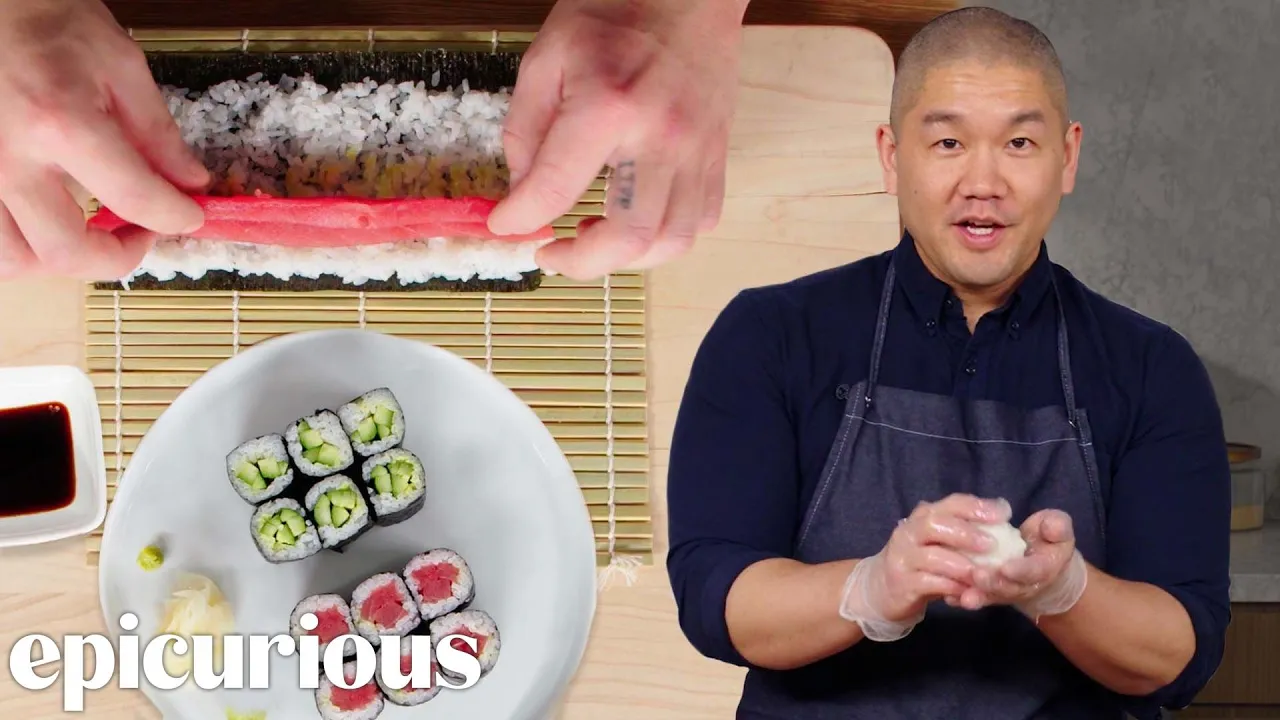
my name is taka sakaa I'm a professional chef and today I'm going to show you the best way to make sushi at home we'll be going over techniques the pros use to make perfect sushi this is Sushi 101 today we'll be making kapam makaki which is a cucumber roll and a teekam Maki which is tuna roll teekam Maki and kapaki are such Classics in terms of sushi rolls and this is something that I grew up eating and I love I think to make the kapaki and teaki will require a little bit of getting used to
and learning some skills but once you have those down I think making these two rolls is very doable and achievable at home all right let's get started Sushi is really all about the rice everyone has this idea that it's the ingredients the proteins inside but really the focus and what you really want to get perfect is the rice so the rice I have here today this is a matui brand rice the most common type of rice you'll find in the market that's Japanese short grain is a varietal called Koshi hiar to cook the rice I
will be using a rice cooker the rice cooker does have a setting specifically for sushi rice this will make your life a lot easier you just have to wash the rice put it in the machine follow the directions set it and you'll have fantastic results uh so today I'll be making basically two cupfuls of this and I'll be setting this aside into a separate Bowl so that we can go ahead and wash the rice this first wash is going to be very milky in color and it's important that we try to strain this and get
rid of this water as quickly as possible so that starchy water does not go back into the rice the reason why we want to remove the starch is to make sure that the uh stickiness is adjusted properly if we leave all the starch on there the finished product will end up being gummy and sticky so this is the first wash here you can see clearly a lot of the starches in here and you can see kind of the Milky color of the water and every time I'm doing a rinse I do want to agitate the
rice just slightly I'm just using basically a claw of my hand and just gently moving the rice around and making sure that the starch is suspended in the water before disc starting that water this should be the last rinse that we do and we can see that the water is running pretty clear enough once the rice is washed properly we're going to go ahead and let the water drain out generally uh for a consistency matter I like to set a timer for 5 minutes so that the amount of water that's draining is consistent every time
I make this recipe I'm going to go ahead and gently dump in the washed rice into the pot then I'm going to just get some clean water and fill the pot up to the indication of the number two we're going to go ahead and put this into our rice cooker we can go ahead and hit the cooking button and it'll play fantastic music and that's how we know that the rice cooker is on and ready this rice cooker should take just around 40 minutes to finish the cooking process while the rice is cooking I'm going
to go ahead and make the sushi vinegar so the recipe I'm using here today will be starting with two cups of rice vinegar rice vinegar is a little bit different from your just straight white distilled vinegar it does have a little bit of a Nutty flavor to it and here I have the salt and sugar already measured out 1/4 cup of the salt and 3/4 of a cup of sugar this is a lot of solids going into this liquid so we want to give it a thorough mix in the beginning and then let it settle
for about a minute and then we can see whether the sugar and salt has dissolved by looking at the bottom of the bowl I'm just going to go ahead and drop in a piece of kbu here this is a dried kelp seaweed adding this piece of kbo here this is going to add a lot more Umami and depth of flavor to this rice vinegar and it'll also help balance out some of the salt and vinegar iness so now that our Sushi vinegar is ready we're going to set this aside and start working on our other
ingredients we have our ingredients here for our kapaki and our teaki the cucumber and the tuna in order to prep these we want to cut these down to the size of the Nori the size of the Nori produced in Japan is standardized so this is your full sheet these are actually rectangles and so you can see the lines indicating this way and actually it's slightly longer this way than this way it's not a perfect square and so just very easily what we can do here is take one sheet fold it in half and then this
way we can just gently split this into twoo I have a couple pieces of Persian cucumber here you can use really any kind of cucumber I like to use either the Japanese varial or Persian cucumber there is less seeds in here and these cucumbers tend to be a little bit less watery try to find the halfway mark of this Nori and I'm going to cut these cucumbers down to about the half size so that they'll sit nicely side by side inside the roll I'm going to go go ahead and quarter these and so I'm just
going to cut this in half and then take the halves and cut those in half as well again the seeds is where there's the most water and so I'm going to go ahead and remove the seeds from the Cucumbers and so now that I have all the seeds removed I'm just going to go ahead I think for this size I can cut this into thirds so next I'm going to be working with the tuna um so really important here uh in sourcing these ingredients especially when we're talking about proteins for sushi use we want to
make sure that we're sourcing it from someone we trust and that it is sushi grade uh and so here I was a ble to go to a Japanese Market that has a fish butcher department and they have all the sushi grade fish that they serve uh and uh treated in such a way so that it's really eliminating kind of cross-contamination and making sure that it's safe to consume raw talking about freshness uh you want to make sure that your tuna is bright red if you start to see oxidation or rust color you want to avoid
eating that raw so anytime you're dealing with sushi I think it's always the best idea to procure your ingredients on the same day that you will be consuming it so I'm going to go ahead and trim this down to the size of the seaweed this is a little bit thick for what we're going to be using this for so I'm going to go ahead and cut this into half and then cut this into strips using a nice rocking motion front to back and trying to get this cut all in one stroke is ideal anytime we're
dealing with proteins that are meant for raw consumption we want to make sure that the ingredients are always cold and so the temperature range we're looking for is anywhere from 33° F all the way up to 41 but never past 41 and so now that we have have all our ingredients ready we'll be mixing the sushi vinegar with the rice traditionally when making sushi rice we use a vessel called hungi This is a vessel that essentially looks like a large tub made out of Japanese Cypress Wood but if you don't have one just using a
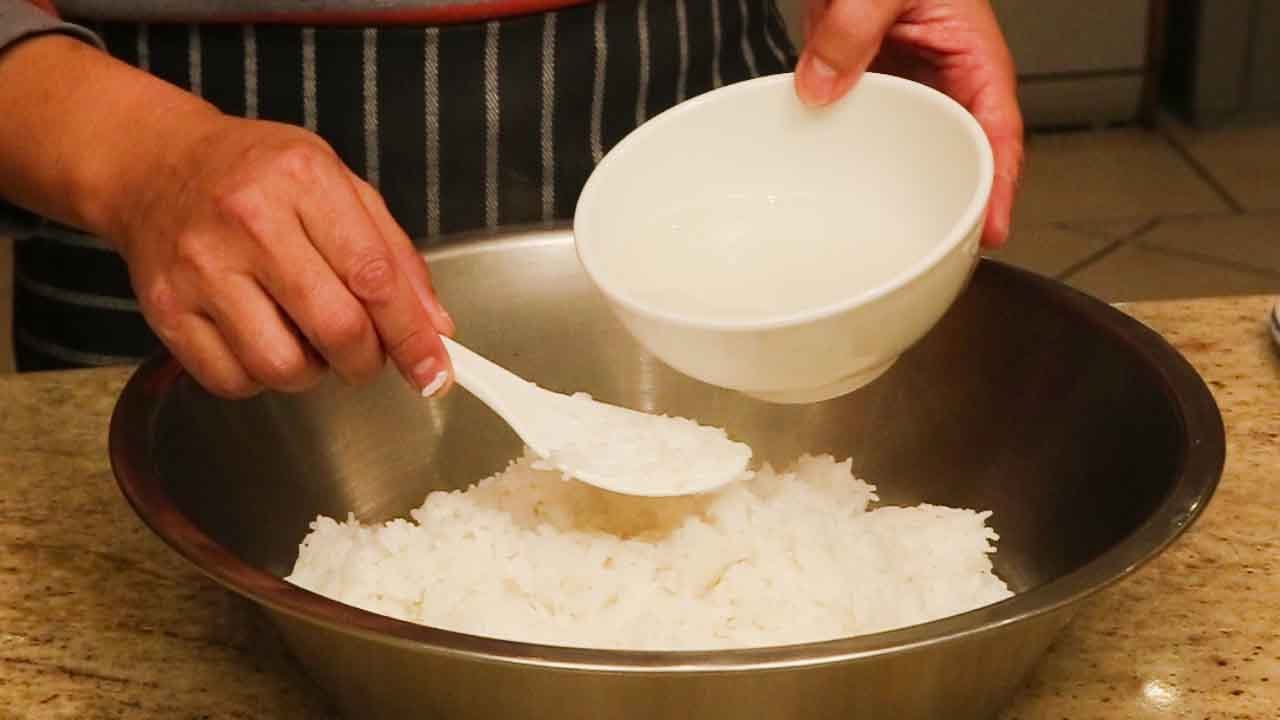
regular bowl is just fine so the way I like to measure out the sushi vinegar is 20% by volume of the dry rice So 20% is 1/3 cup of rice vinegar so we're going to go ahead and measure out 1/3 a cup and we're going to go ahead and just uh empty out the entire contents of the rice into our bowl and here we're going to take our Sushi vinegar and try to evenly pour this over all the rice just like when we're washing the rice if we're agitating too much it's going to keep releasing
starch and so all we're going to do here is just mix gently and something we call Kitty which is to cut uh and so this is the final stages here where we're trying to make sure each grain is separated and has the sushi vinegar evenly distributed on each grain of rice this is really important that the rice is nice and warm while we're doing this you know because of the starch content if this is cold rice the starch will coagulate and kind of tighten up and it'll be much harder to mix and then it also
will release more starch because it is harder to mix so we want to make sure it's nice and warm piping hot right when the rice cooker is done cooking is really the ideal time for us to mix the vinegar in now that the rice is all mixed with the vinegar I'm going to go ahead and put this right back into the rice cooker this uh actually has a warm function so once we put it back in the pot it'll stay warm and be ready for when we make our rolls one of the most difficult Parts
about making a sushi is actually handling the sushi rice traditionally chefs use just a little bit of vinegared water to put a little bit of moisture so that the rice does not stick to their hand it is a little bit difficult to get the right amount and the right proportions of water on your hand and so I'm just going to show you a little tip here to make your life a lot easier so I have here a pair of vinyl gloves and I'm just going to take some neutral oil and just put a couple drops
on the gloves and this will protect my hands from any rice sticking the first roll we're going to make is the kapaki so kapam Maki is going to have the Nori seaweed the seasoned sushi rice a little bit of Wasabi the Cucumber batons and that's it we have the half sheet of nori that we cut here from before uh and there is two sides of nori there is the shiny side and then kind of the rough side with the shiny side down and the Rough Side Up We're going to place that right on the bottom
of the edge of the what we call the makis suit the bamboo matte so now next is to put on the rice and so I'm just going to grab a comfortable handful here and just going to shape it into this kind of oval shape and I'm going to go along and leave maybe a couple centim on the top of the Nori and start using both hands here to distribute the rice across the seaweed this style of roll is very easy to over stuff and so think less is more here and so on the top edge
here I'm actually going to create kind of a dam and this is where all of our ingredients are going to rest upon and that's going to really help so that when we're doing the rolling process things are going to stay nice and tucked in and then remainder of the rice I'm going to go ahead and just and spread this out to the bottom and again here on the bottom we don't have to go all the way down uh this remaining rice on the bottom here is what's going to stick onto the dam that we created
which will finish and seal the roll so next I'm going to put Wasabi into the roll and so we're here we have a tube Wasabi so I'm just going to take a little bit here put it on my finger here and I'm going to go ahead and spread this out this is a personal preference depending on the strength of the Wasabi you're using and how much you like you can go ahead and put on as much or as little when placing our ingredients we want to make sure that it's all the way up against the
dam and now we're going to roll the Nori and we're going to aim for this edge of the bamboo mat to come right past the dam so that this uh area here where it's empty with rice will then adhere to the rice on the other end and once I get here now here I'm just going to just press gently to make sure that the rice and the seaweed stick together and kind of going for a square shape and so I'm going to press on front and back and then press also on the top and then
we should be able to see here that there's a little bit of seaweed left over and so once I open this up I'm just going to turn this over and that little bit of flap should should be sitting right on the bottom of the Roll so the ingredients here for the teaki the Nori seaweed the seasoned sushi rice Wasabi and the tuna and so again with the shiny side down and the Rough Side Up We're going to place that right on the bottom of the edge of the bamboo mat and so uh I took the
gloves off and so I'm using a little bit of water to moisten my hands and same process here going from left to right uh going to spread the rice out and then dragging the rest of the rice down towards the bottom of of the seaweed and here again we're going to put some Wasabi and now we're going to fill this roll with tuna and the same thing we did with the Cucumbers we're going to go ahead and make sure that the tuna is up against the dam on the top so again we're going to go
and make sure that the bamboo mat goes all the way over to the edge and again once we get here we want to go ahead and squeeze trying to make a square shape there should be that little bit of leftover of the flap of nori and then go ahead and fold that over and here we can see there's a little bit of over stuffing the rice is starting to kind of purtue on the ends if that does happen no big deal as long as the roll is staying closed it's still going to be delicious and
tastes great I just have a wet cloth here uh just a little bit of moisture on your knife should be just enough moisture so that the rice won't stick so much to your blade and then from here we're going to cut this into thirds and then hopefully we have six even pieces so next we have the tuner roll and again same process here and if you really want to go really neat and really be presentable you can always go ahead and cut the edges here to make the edges beautiful and then again cut this into
thirds so this is a kind of young Ginger that's been pickled in vinegar salt and sugar this is really commonly eaten between pieces to kind of cleanse your palette the Final Touch here is we're just going to have a little bit of soy sauce on the side this is just your regular kind of Japanese run-of-the-mill straight soy sauce if you want as an option some people like a lot of Wasabi and so you can always add a little bit of wasabi on the side and that is the best way to make sushi at home we're
ready to eat I'm going to start with a cucumber roll here just going to dunk a little bit in the soy sauce Wasabi's got a kick so just something to keep in mind actually talking about wasabi wasabi actually has a relationship with fat so the more fat something has the more Wasabi you can put in it uh so obviously talking about cucumbers here really really no fat here so you're going to really feel accentuate kind of the fire that you get from the Wasabi but really great um the rice is nicely seasoned I get the
aroma of the Nori as I'm bringing the piece to my mouth just a little dunk so yeah I mean the Simplicity here is what I love the most the the akami has that nice gentle flavor of iron the nice kick from the Wasabi seasoned rice and again the aroma from the Nori is is really tightens the entire dish the skill in terms of rolling the roll itself takes a little practice but once you get those kind of few skills down I think making sushi at home is something very easy to do