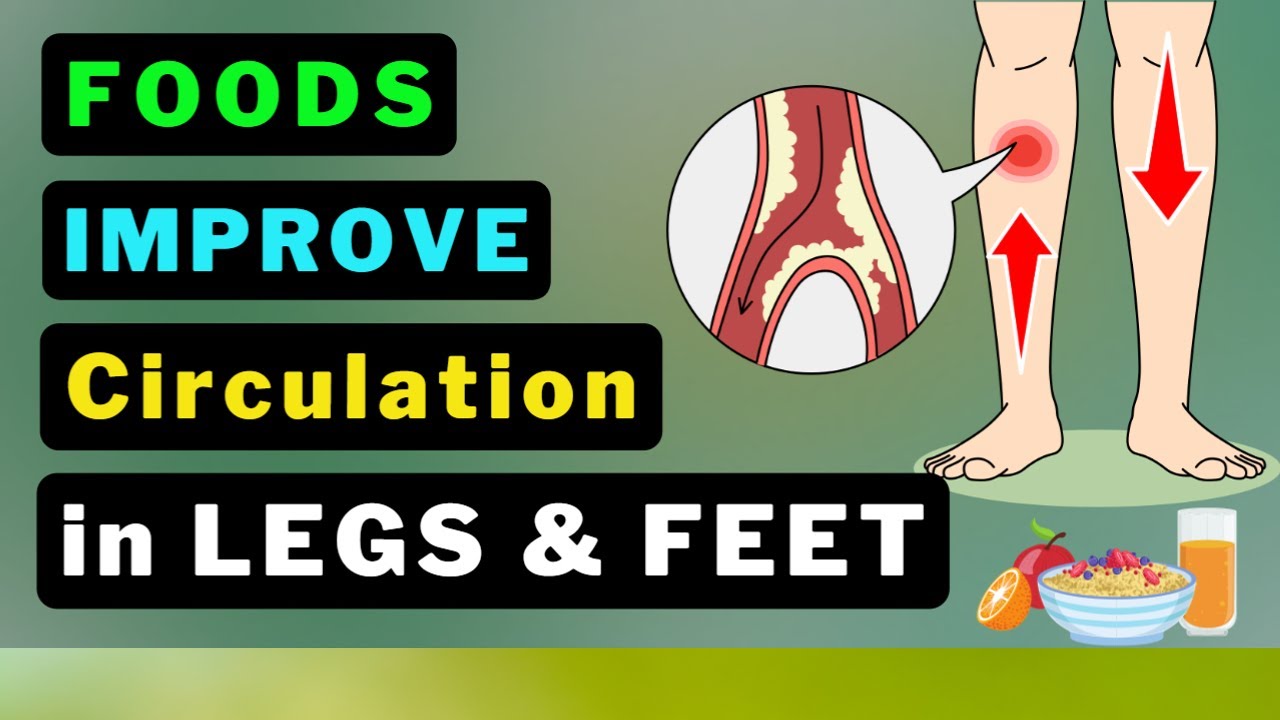
Top seven vitamins strengthen your legs. Imagine waking up every morning with legs that feel strong, steady, and full of energy—no more muscle weakness, no more painful cramps, and no more worrying about balance or falls. If you want to stay active, independent, and confident, the secret lies in nutrition, and today we're revealing the seven most powerful vitamins and minerals that will help keep your legs strong and unstoppable.
From boosting muscle function to protecting bone density and improving circulation, these essential nutrients can make a huge difference in how you move and feel every day. So whether you love strolling in the park, dancing, or simply staying independent, this is the video for you. Before we get started, I'd love to know where you're joining me from today.
Drp a comment below, and feel free to ask any questions you have. And don't forget to hit the subscribe button and turn on notifications so you never miss out on the best health tips from Health 365. Let’s build a healthier, stronger future together!
First, let's talk about vitamin D. As we age, our bodies undergo inevitable changes: muscle mass declines, bones lose density, and movements that once felt effortless can become increasingly difficult. One of the most overlooked reasons for this decline is a deficiency in vitamin D.
It's not just about brittle bones; this vitamin plays a fundamental role in keeping legs strong, balanced, and functional. Let's dive deep into why vitamin D is the most important nutrient for leg strength in the elderly and how ensuring an adequate intake can transform mobility and overall well-being. As we age, our skin becomes less efficient at synthesizing vitamin D from sunlight.
To make matters worse, many seniors spend less time outdoors due to mobility limitations, lifestyle changes, or concerns about skin damage. The result? A widespread deficiency that silently erodes muscle strength, leaving legs weak and unstable.
Studies have consistently shown that low levels of vitamin D are directly linked to muscle weakness and an increased risk of falls in the elderly. In fact, research published in the Journal of Clinical Endocrinology and Metabolism found that seniors with sufficient vitamin D levels had stronger muscle fibers, better coordination, and improved balance, making them less prone to injuries and fractures. Conversely, those with a deficiency experienced accelerated muscle loss, making even basic activities like climbing stairs or standing up from a chair more challenging.
Vitamin D isn't just about calcium absorption or bone health—though those are certainly important. This powerhouse vitamin directly impacts muscle function by enhancing protein synthesis and improving neuromuscular communication. Think of it as a fuel source for your leg muscles; without it, they struggle to perform optimally.
Research has shown that vitamin D plays a pivotal role in maintaining fast-twitch muscle fibers, which are crucial for quick reactions and balance. These fibers help prevent falls by allowing the legs to respond rapidly when balance is compromised. Without adequate vitamin D, these muscle fibers deteriorate, leading to slower reaction times, weaker muscle contractions, and a higher risk of injury.
Additionally, vitamin D has been found to reduce inflammation in muscle tissues, alleviating chronic pain and discomfort that many seniors experience in their legs. Those who suffer from frequent cramps, stiffness, or unexplained leg pain might be surprised to learn that simply optimizing vitamin D levels can lead to significant relief. Ignoring vitamin D deficiency doesn't just mean weaker legs; it opens the door to a host of serious health problems, the most alarming being osteoporosis and fractures.
Without sufficient vitamin D, calcium cannot be properly absorbed, leading to brittle bones that are highly susceptible to breaks. A minor stumble could turn into a major fracture, drastically affecting mobility and independence. Beyond bones and muscles, a vitamin D deficiency has been linked to increased risks of heart disease, cognitive decline, and weakened immunity.
Seniors who neglect their vitamin D intake may not only struggle with weak legs but also face a higher likelihood of chronic illnesses that further reduce their quality of life. So, what's the solution? The good news is that ensuring optimal vitamin D levels is simple and can yield life-changing benefits.
Here are the most effective ways to boost vitamin D and keep your legs strong and steady: 1. **Sun exposure**: Spending just 15 to 30 minutes in direct sunlight, preferably in the morning or late afternoon, can provide a natural boost. Exposing your arms and legs maximizes absorption, but be mindful of sunscreen use, as it can block vitamin D synthesis.
2. **Vitamin D-rich foods**: While food alone may not be enough to meet daily needs, incorporating fatty fish (salmon, mackerel), sardines, fortified dairy, egg yolks, and mushrooms can contribute to overall intake. 3.
**Supplements**: For many seniors, especially those who spend limited time outdoors, a vitamin D supplement is essential. Most experts recommend 800 to 1,000 IU per day for optimal bone and muscle health, though higher doses may be needed for those with severe deficiencies under medical supervision. If you're unsure about your vitamin D levels, a simple blood test can provide clarity.
Many doctors now routinely check for vitamin D deficiency in older adults, recognizing its critical role in preventing falls and fractures. Now, let's talk about calcium. Unlike younger individuals whose bones are still in a state of active remodeling, seniors experience a gradual loss of bone mass, making them more susceptible to fractures.
This is particularly dangerous for the legs; hip fractures, femur breaks, and stress fractures in the lower limbs are among the most serious injuries older adults face. A minor fall that might have been harmless in youth can result in months of recovery or even permanent mobility loss when bones lack the necessary calcium reserves. But calcium's role goes beyond bone strength; it is also a vital player in muscle contraction.
Every movement—from taking a step to rising from a chair—relies on a complex interplay between calcium ions and muscle fibers. Calcium acts as a trigger. For muscle contraction, ensuring smooth, controlled movement without cramps is crucial.
Calcium helps muscles avoid cramping, feeling weak, or failing to generate the force needed to maintain stability. This is why many individuals with calcium deficiency experience frequent leg cramps, sluggish movement, and overall reduced muscle endurance. So, how do you ensure your body is getting enough calcium?
While dairy products like milk, yogurt, and cheese remain some of the richest sources, they are not the only options. Leafy greens such as kale and bok choy, as well as almonds, tofu, sardines, and fortified plant-based milks, also provide excellent calcium content. The key is variety; incorporating multiple sources of calcium into your diet ensures steady absorption and better bone maintenance.
However, calcium from food alone may not always be sufficient, especially for individuals with dietary restrictions or absorption issues. This is where calcium supplements can play a valuable role, particularly when combined with vitamin D, which enhances calcium absorption in the body. Yet more isn't always better.
While calcium is essential, excess intake—particularly from supplements—can lead to calcium deposits in arteries, kidney stones, and digestive issues. Striking the right balance is crucial. For older adults, the recommended daily intake is 1,000 to 1,200 mg of calcium, preferably sourced from a combination of natural foods and supplementation when necessary.
Beyond just intake, another key factor in calcium's effectiveness is movement. Weight-bearing exercises such as walking, resistance training, and even light jogging stimulate bone remodeling and help direct calcium where it's needed most—into the bones and muscles. Without movement, even adequate calcium intake cannot fully strengthen the skeletal system.
Neglecting calcium intake doesn't just weaken bones; it robs individuals of the ability to move freely, engage in activities they love, and maintain their independence. A life filled with mobility, stability, and confidence begins with strong bones and well-functioning muscles, both of which depend on calcium. Vitamin B12, while much of the conversation around leg strength revolves around calcium and protein, plays a fundamental role in neuromuscular function.
It is responsible for keeping nerves healthy, ensuring that the electrical impulses traveling through your spinal cord and into your legs remain strong and precise. Without it, your muscles don't receive the right signals, leading to weakness, instability, and a creeping loss of control over movement. It's no surprise that one of the most common symptoms of B12 deficiency is a feeling of heavy, tired legs, often accompanied by numbness or tingling.
But here's the problem: vitamin B12 deficiency is shockingly common among older adults. Unlike other vitamins that can be stored in fat or absorbed through a wide range of foods, B12 absorption is highly dependent on digestive health. The body requires adequate stomach acid and a special protein called intrinsic factor to extract B12 from food.
As we age, stomach acid production decreases, and conditions like gastritis, acid reflux, and even long-term use of antacids can further impair absorption. Add to that the fact that many seniors unknowingly consume diets low in B12-rich foods, and the result is a slow but steady depletion of this essential nutrient. The consequences of B12 deficiency extend far beyond just feeling weak.
Uncorrected B12 depletion can lead to irreversible nerve damage, affecting balance, coordination, and reflexes. Many seniors who suffer from frequent falls, difficulty walking, or a sense that their legs just don't work like they used to are actually experiencing the neurological effects of a B12 shortage. The decline is often so gradual that it's dismissed as a normal part of aging when in reality it is entirely preventable.
Fortunately, restoring B12 levels can have a profound impact on mobility and energy levels. Studies have shown that seniors who correct their deficiency experience noticeable improvements in strength, endurance, and leg function. But where does this critical vitamin come from?
Unlike many other nutrients that can be obtained from plants, vitamin B12 is found almost exclusively in animal products. The best sources include lean meats, fish, eggs, dairy, and shellfish, particularly clams and liver, which are among the richest sources. For those who follow plant-based diets or struggle with absorption, B12-fortified foods such as cereals and plant-based milk or B12 supplements become essential.
The good news? Vitamin B12 is one of the safest vitamins to supplement, as excess amounts are excreted in urine. Many older adults benefit from taking higher-dose B12 supplements or receiving periodic injections, especially if they have difficulty absorbing it through food alone.
Regular monitoring through blood tests can help ensure optimal levels and prevent the gradual decline in leg function that so often accompanies deficiency. But here's the real takeaway: strong legs are about more than just physical strength; they're about nervous system efficiency, reaction time, and coordination. No matter how much you exercise, if your nerves aren't firing correctly, your legs won't respond the way they should.
That's why maintaining adequate B12 levels is one of the most overlooked yet powerful strategies for preserving mobility and quality of life as you age. Every time you take a step, magnesium plays a behind-the-scenes role, ensuring that your muscles receive the signals they need to contract and relax smoothly. It acts as the master regulator of muscle function, preventing spasms, reducing fatigue, and supporting endurance.
One of the most common yet least recognized symptoms of magnesium deficiency is restless leg syndrome and frequent nighttime leg cramps. Many seniors experience sudden, painful muscle contractions in their legs, particularly at night, disrupting sleep and making it difficult to recover from daily activities. This isn't just discomfort; it's a sign that the body is struggling to regulate muscle relaxation properly.
Magnesium helps calm overactive nerve signals and keeps muscles from seizing up unexpectedly, making it essential for those who struggle with muscle tension and involuntary contractions. But magnesium's role doesn't stop at muscles; it is also vital for bone density and joint health. While calcium often takes the spotlight for bone health, it cannot do its work without magnesium.
Job effectively without magnesium. This mineral helps regulate calcium transport and ensures that it is properly incorporated into bones rather than being deposited in soft tissues, where it could contribute to stiffness and joint pain. Studies have found that higher magnesium intake is linked to greater bone strength and a reduced risk of fractures in aging adults, making it an essential component of overall mobility.
One of the biggest reasons magnesium deficiency is so common is because it is easily depleted by stress, medications, and poor dietary habits. Many older adults take medications that lower magnesium levels, including diuretics, proton pump inhibitors, and certain blood pressure drugs, coupled with diets low in magnesium-rich foods. The result is widespread deficiency that quickly chips away at strength, endurance, and flexibility.
This is why many seniors experience a gradual loss of stamina, walking shorter distances, climbing stairs more slowly, and feeling fatigued after simple activities. It's not just age; it's a lack of the right nutrients to fuel performance. Replenishing magnesium levels can have an almost immediate effect on leg health, reducing cramps, improving energy, and restoring a sense of ease in movement.
The best dietary sources of magnesium include leafy greens, nuts, seeds, whole grains, and legumes. Foods like pumpkin seeds, almonds, spinach, black beans, and avocados are particularly rich in magnesium, offering a natural way to maintain muscle and bone health. However, for those who struggle to get enough through diet alone, magnesium supplements can be an effective solution, especially magnesium citrate or magnesium glycinate, which are more easily absorbed by the body.
The transformation that occurs when magnesium levels are restored is remarkable. Seniors who once felt heavy and sluggish find that their legs respond with renewed energy. Those who suffered from frequent muscle cramps or stiffness notice relief, allowing them to sleep better and move more freely.
Even balance and coordination improve, as magnesium helps regulate the neuromuscular connections responsible for steady movement. **Potassium**: Imagine waking up in the morning, stepping out of bed, and feeling an immediate cramp in your calf. Sound familiar?
Muscle cramps are one of the most common symptoms of low potassium levels. This is because potassium acts as a key regulator of muscle function, helping to balance fluids inside and outside of muscle cells. When potassium levels dip too low, muscles contract involuntarily, leading to painful cramps, especially in the legs.
For older adults who may already have reduced circulation or muscle mass, these cramps can be more than just an annoyance; they can be debilitating. But muscle cramps are just the beginning. Have you ever felt your legs trembling after standing for a while, or maybe you've noticed increased stiffness when walking?
Potassium is responsible for transmitting signals between nerves and muscles, ensuring smooth, controlled movements. When levels are low, the communication between your brain and your leg muscles becomes less efficient, leading to shakiness, weakness, or even difficulty lifting your feet properly—something that can significantly increase the risk of falls. And let's face it, for seniors, avoiding falls is crucial.
Beyond muscles, potassium also plays a surprising role in maintaining strong bones. It helps neutralize acids in the body that can break down bone density over time. Studies suggest that a potassium-rich diet can slow the rate of bone loss, reducing the risk of osteoporosis and keeping the legs structurally strong.
So, in many ways, potassium isn't just about muscle function; it's about ensuring that both the muscles and the bones in your legs work together in harmony. Now, the big question: how do you ensure you're getting enough potassium to support your legs? Fortunately, nature has provided us with an abundance of delicious potassium-rich foods.
Bananas might be the first thing that comes to mind, but they're just the beginning. Sweet potatoes, avocados, spinach, beans, and oranges are all excellent sources of potassium. Even a simple baked potato with the skin can provide more potassium than a banana.
The key is to incorporate a variety of these foods into your daily diet so your muscles and bones receive consistent nourishment. For those who struggle to get enough potassium through food alone, supplements might seem like an easy fix. So, how much potassium do you really need?
The recommended daily intake for adults is 2,600 mg for women and 3,400 mg for men. This amount is typically achievable through a well-balanced diet rich in fruits, vegetables, and legumes. However, individuals with health conditions that affect potassium levels, such as kidney disease or high blood pressure, should monitor their intake carefully and work with a doctor to determine the right amount.
**Vitamin K**: When people think of vitamins essential for strong bones, calcium and vitamin D often steal the spotlight. But without vitamin K, these nutrients cannot do their job properly. Vitamin K is the critical link that ensures calcium is deposited in bones where it belongs, rather than accumulating in arteries or soft tissues, which can lead to stiffness, poor circulation, and even cardiovascular disease.
In other words, vitamin K acts as the traffic controller, guiding calcium to the right places and keeping your legs structurally sound and mobile. For older adults, this becomes even more crucial. Studies have shown that individuals with higher vitamin K intake have stronger bones, lower fracture risk, and better overall bone health compared to those with low levels.
That's because vitamin K activates osteocalcin, a protein that binds calcium to the bone matrix, making bones denser and more resistant to breakage. But vitamin K's role doesn't stop there; it's also an essential nutrient for joint health and muscle function. Many people overlook the fact that healthy legs require not just strong bones but also flexible joints and well-functioning muscles.
Vitamin K has been shown to reduce inflammation in the joints, which can slow the progression of osteoarthritis and alleviate knee stiffness—a common complaint among older adults. If your knees ache when you move or feel. .
. Stiff after sitting for too long? Vitamin K might be the missing nutrient that could help ease discomfort and keep you moving freely.
Poor balance, difficulty walking, and an increased risk of falls are often linked to weakened leg muscles. Emerging research suggests that vitamin K helps support muscle strength and coordination, particularly in aging adults. It does this by regulating calcium levels within muscle cells, ensuring proper contractions and preventing the kind of uncoordinated movements that can lead to instability.
Spinach, kale, Swiss chard, collard greens, and Brussels sprouts are some of the richest sources of vitamin K1, the form most commonly found in plants. However, another powerful form of the vitamin, vitamin K2, is found in fermented foods like natto (fermented soybeans), aged cheeses, and certain animal products like egg yolks and liver. K2 is particularly beneficial because it stays active in the body longer and plays an even greater role in directing calcium into bones rather than arteries.
If you're looking to boost your vitamin K levels naturally, the best strategy is to increase your intake of green vegetables and fermented foods. Even adding a daily serving of kale to a smoothie or incorporating a side of sautéed spinach into your meal can make a big difference. However, for individuals who have difficulty absorbing vitamin K from food—especially those with digestive disorders or on long-term antibiotics—supplementation may be an option.
But caution is key: if you are on blood-thinning medications like warfarin, it's essential to consult a healthcare professional before increasing your vitamin K intake, as it plays a role in blood clotting and can interact with these medications. Vitamin B6, also known as pyridoxine, plays a far greater role in leg strength and muscle function than most people realize. While many nutrients contribute to mobility, B6 is essential for maintaining nerve health, supporting muscle repair, and ensuring that the body effectively utilizes protein to build and maintain muscle mass.
Without it, even the strongest muscles can weaken over time, and simple movements like standing up from a chair or walking upstairs can feel disproportionately exhausting. One of the most overlooked aspects of vitamin B6 is its connection to nerve signaling and coordination. When B6 levels are low, these signals can become sluggish or misdirected, leading to numbness, tingling sensations, and even unsteady walking patterns.
Many older adults mistake these symptoms for aging-related muscle loss when in reality their bodies are simply lacking the right nutrients to maintain proper neuromuscular function. Another crucial function of vitamin B6 is its role in preventing inflammation-related muscle fatigue. B6 helps regulate inflammatory responses in the body, reducing muscle discomfort and keeping the legs more flexible and resilient.
If you've been experiencing persistent stiffness or slower recovery after activity, increasing your intake of vitamin B6 might be a game changer. Beyond muscle function, vitamin B6 is also vital for red blood cell production. These cells transport oxygen throughout the body, fueling muscles and ensuring they have the endurance needed for sustained activity.
A deficiency in B6 can lead to lower hemoglobin levels, which means your muscles may not receive the oxygen they require, causing early fatigue, heaviness, and reduced stamina. If you've ever felt unusually tired after short walks or light physical exertion, it could be your body's way of signaling a need for more B6. Where does this essential vitamin come from?
Thankfully, B6 is abundant in a variety of delicious and accessible foods. Poultry, fish such as salmon and tuna, bananas, potatoes, chickpeas, and fortified cereals are excellent sources. Incorporating these foods into daily meals can naturally replenish your B6 levels, supporting both nerve function and muscle strength.
For individuals with digestive issues, poor nutrient absorption, or dietary restrictions, B6 supplementation may be necessary to achieve optimal levels. The recommended daily intake of vitamin B6 varies by age and gender, with older adults typically needing around 1. 5 mg per day for women and 1.
7 mg per day for men. While it's generally safe to obtain B6 from food, excessive intake through high-dose supplements should be approached with caution, as long-term overuse can lead to nerve damage. The best strategy is to focus on a balanced diet rich in B6 sources, ensuring a steady supply without unnecessary risks.
If you found this video helpful, please remember to hit the like button—it really helps us bring you more valuable content. Drp a comment below and let us know your thoughts, questions, or what topic you'd like us to cover next; we love hearing from you! Of course, hit the Subscribe button and turn on notifications so you can never miss out on our latest health tips and insights.
Stay informed, stay healthy, and we'll see you in the next video!