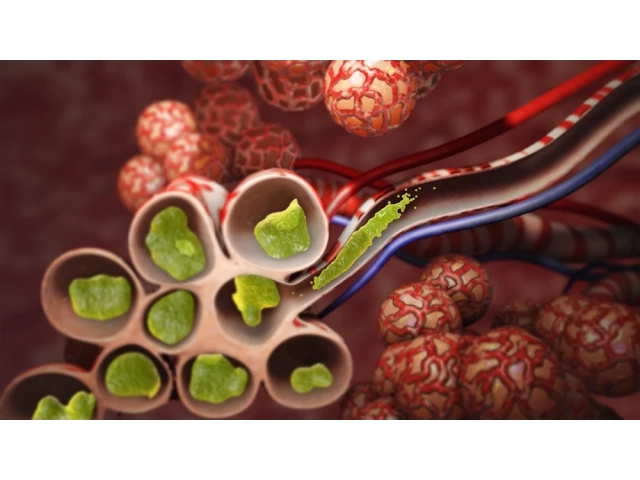
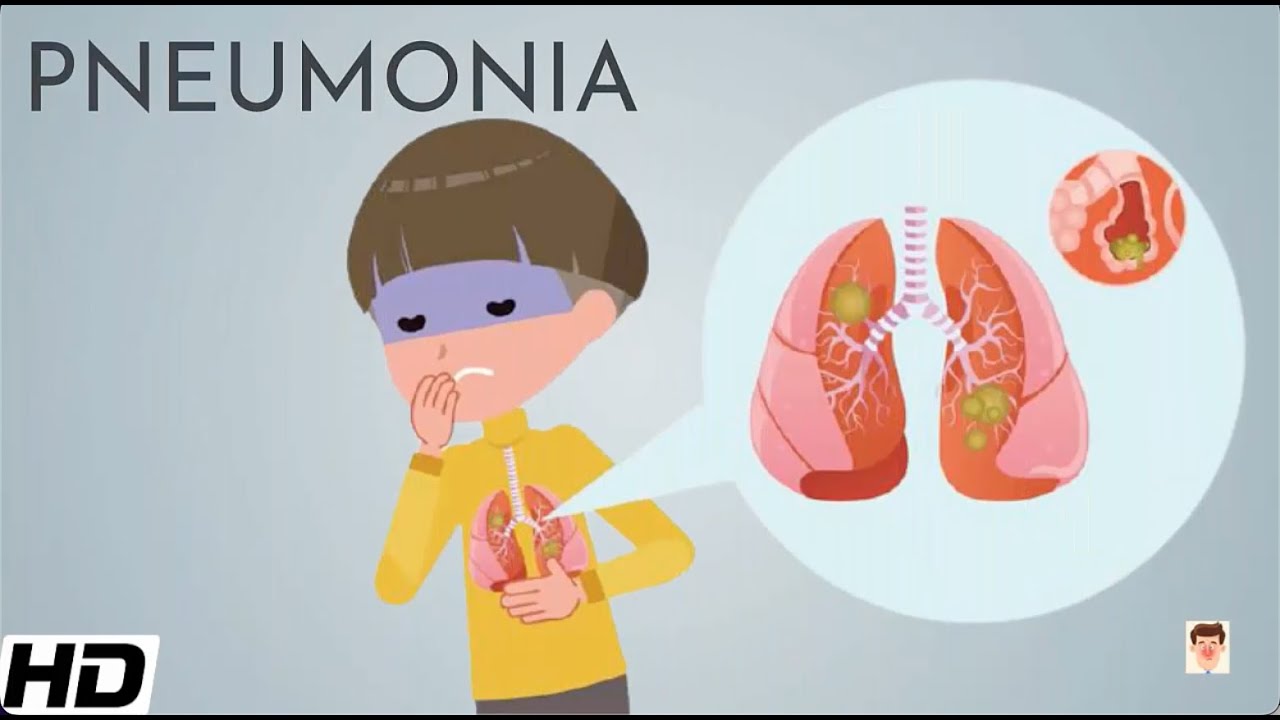
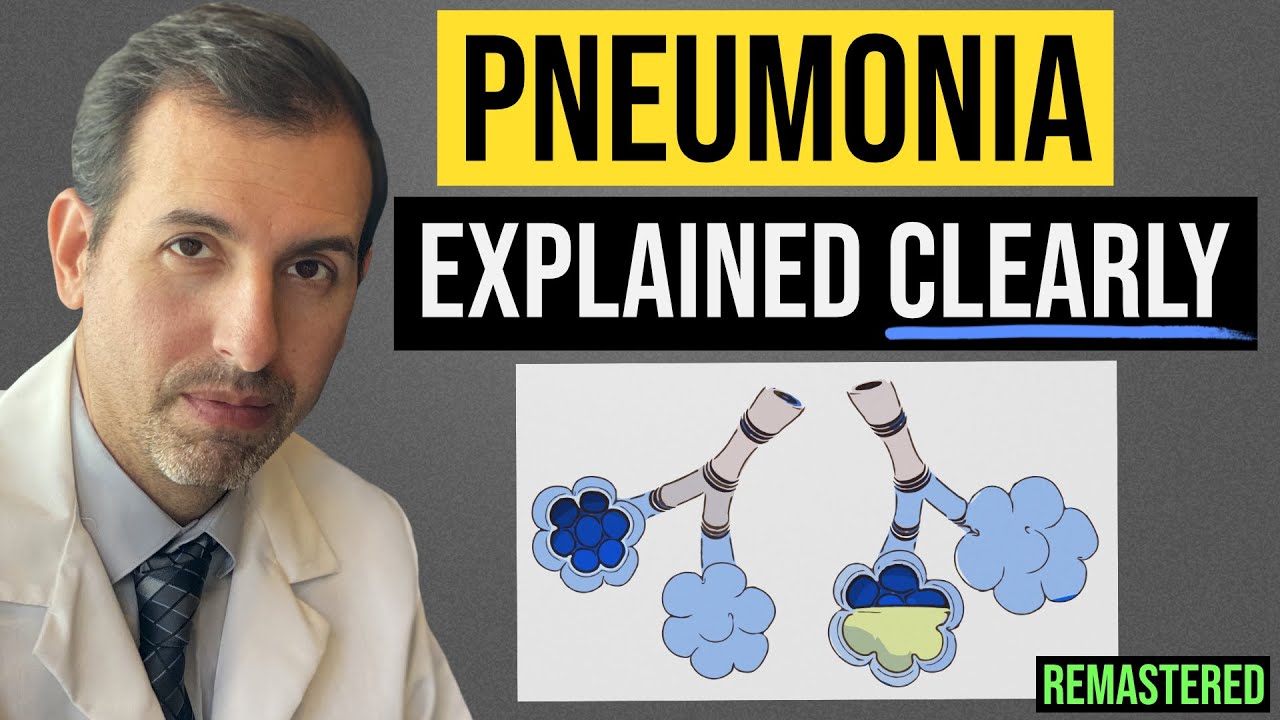
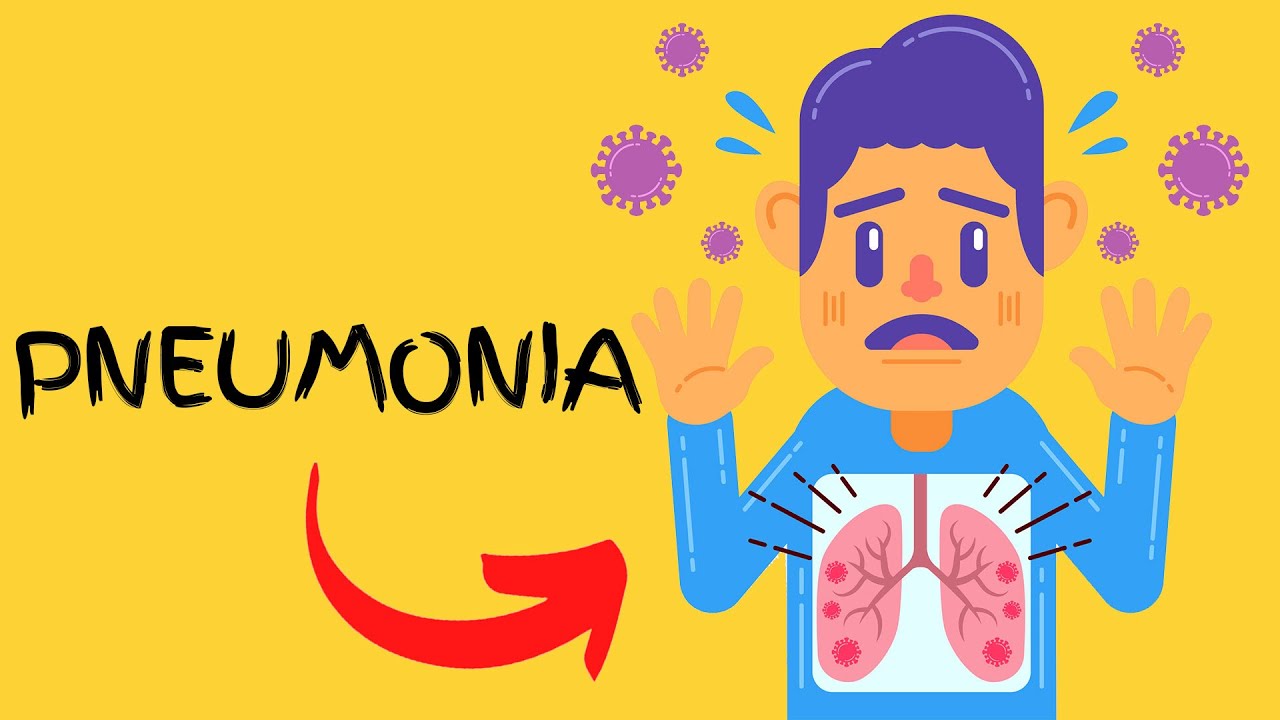
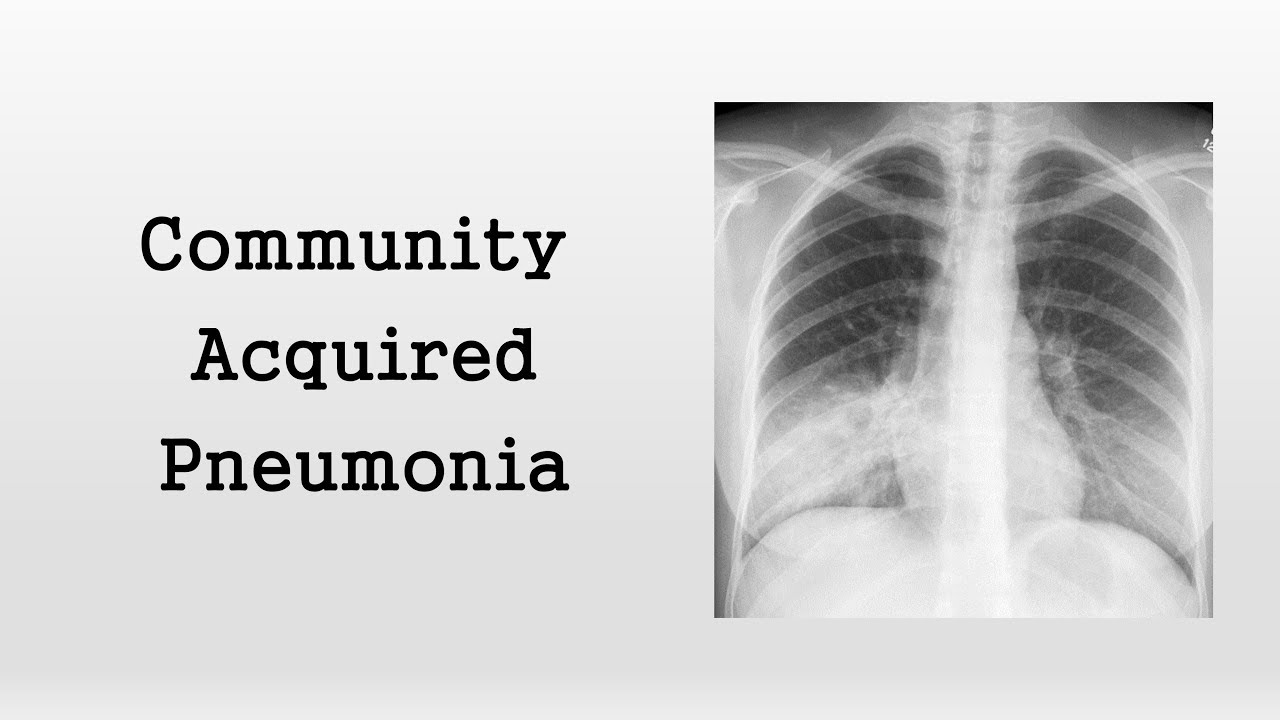
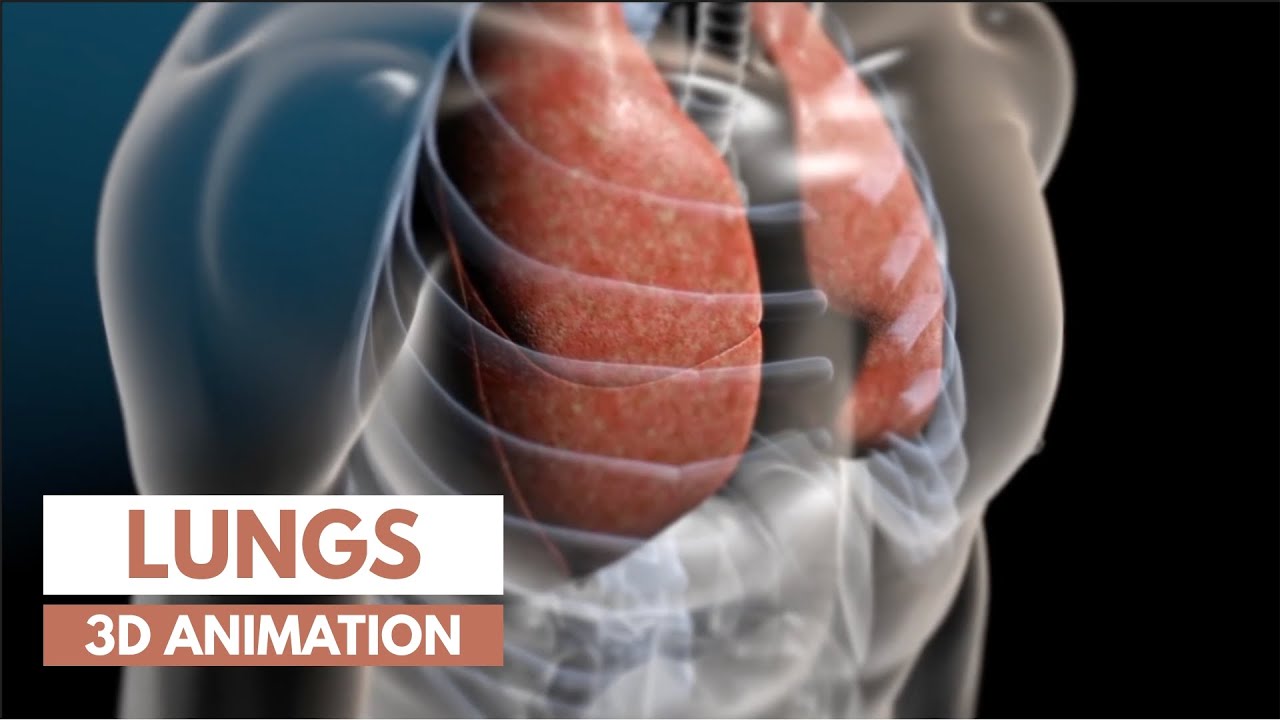
this video will help you understand pneumonia and how to manage your recovery please watch the entire video to learn how to manage pneumonia if you have recently been in the hospital with pneumonia it's important to understand how to recover properly when you return home pneumonia is an infection in one or both of your lungs the air sacks at the end of your Airways become inflamed and fill with fluid causing you to have difficulty breathing other symptoms of pneumonia include a cough that may produce thick mucus shortness of breath chest pain when you breathe deeply or
Koff fever sweating or chills low body temperature in older adults muscle aches and fatigue nausea vomiting or diarrhea and headache it's important to understand that you will still have symptoms as you recover at home your coughing should slowly improve within one to two weeks your appetite sleeping habits and energy level may take several weeks before they return to normal you will need time off from work and your normal activity schedule to recover properly fortunately you can help manage your pneumonia by following your health care teams instructions including taking your medications as directed performing self-care procedures
making some lifestyle changes and protecting your lungs from other infections and irritants taking care of yourself means taking our medications exactly as directed by your doctor don't skip doses don't stop taking your medicine even if you feel better take note of any side-effects and tell your doctor don't take any over-the-counter medication or supplement without asking your doctor first keep all follow-up appointments with members of your healthcare team you can help with your recovery from pneumonia by doing some simple procedures at home such as exercising your lungs throughout your day take a couple of deep breaths
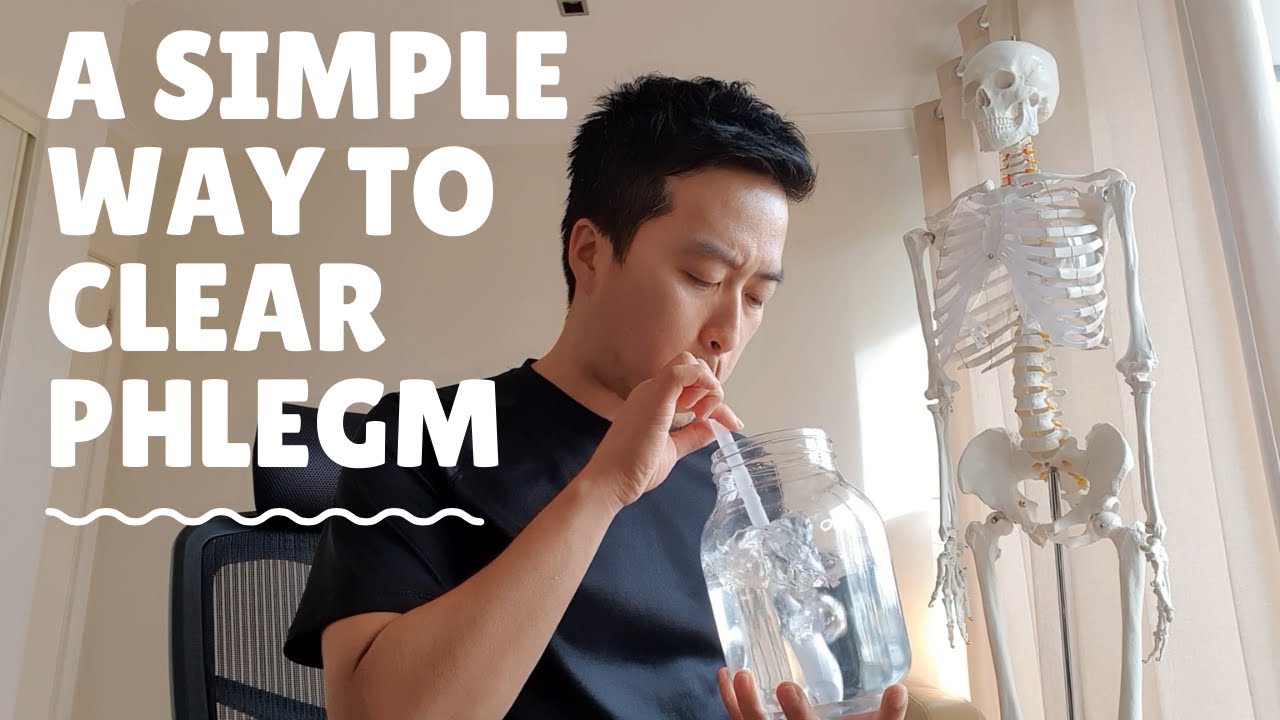
two or three times an hour deep breaths help to open up your lungs coughing up mucus is normal and helps you clear fluid from your Airways so only take cough medicine if your doctor says it's okay protect those around you and have a tissue ready to cover your mouth when you cough and if you cough up mucus don't swallow it spit into a tissue and dispose of it properly your healthcare team may recommend postural drainage you can do this by lying with your head lower than your chest this position helps drain fluid from your lungs
maybe prescribed to help you cough up mucus to do this lie with your head lower than your chest and tap your chest firmly with your hand cupped your healthcare team can provide you with specific instructions a humidifier or vaporizer may help you to breathe more easily moisture from a warm bath can also help changes to your diet can help with your recovery good nutrition helps your body fight infection and recover more quickly a balanced diet includes fruit vegetables carbohydrates and protein every day drink six to eight cups of water juice or weak tea a day
unless your doctor has told you otherwise drink alcohol while you are recovering getting enough sleep also helps your body to recover more quickly if coughing interrupts your rest at night take naps during the day protect your lungs from irritants don't smoke or let others smoke around you stay indoors if air pollution is high avoid fireplace smoke protect your lungs from additional infections by washing your hands often with soap and hot water avoid crowds and people with colds or the flu ask your doctor if you should have a flu or pneumonia vaccination call your doctor if
you have more difficulty breathing are unable to take a deep breath have chest pain when you breathe have a fever that returns Koff up yellow-green bloody or smelly mucus experience vomiting are excessively sleepy or confused have impaired thinking or have blue lips or fingertips