Hey there, viewers! Don't you just love starting the day with eggs? Eggs offer so many terrific benefits, especially if you have certain conditions.
People with diabetes often have limited food choices. Diabetics enjoy egg whites in omelets, frittatas and hard-boiled eggs. But what about the egg yolks?
Should diabetics stay away from those? In today's video, we’ll be discussing egg yolks, and what experts say when it comes to blood sugar. Before we begin, let’s talk about egg yolk in detail.
What’s so great about it? Yolk is the yellow core of the egg. They’re filled with so many essential nutrients and vitamins, making it a popular food choice.
The egg white and yolk are a perfect blend of calories, proteins, and fats. Having eggs for breakfast will keep you full for a longer period, kicking those hunger pangs away. What’s your favorite way to eat eggs?
Do you eat a lot of egg yolk? Sound off in the comment section, and start a conversation with our Bestie community. .
. Recent research tells us that egg yolk has a slight upper hand when it comes to nutrients. However, the protein content is equal throughout the whole egg.
The review also confirmed that egg yolk played a big role in making your body healthier. Egg yolks can lower the risk of gastrointestinal distress. They also reduce inflammation.
Egg yolk can be an immunity booster in itself. The membrane of the yolk produces specialized cells called macrophages, which have the ability to eat up unwanted viruses, and microorganisms from your body at a cellular level. This dramatically reduces the odds of you becoming infected and getting sick.
The egg yolk membrane can give you some extra strength. Egg yolks are also essential for people suffering from high blood pressure. Every time you have egg yolk, your heart is quietly thanking you.
People over the age of 55 often find their vision becoming blurry. This is due to cataract and macular degeneration, which is commonly seen around that age. The carotenoids present in the yolk can improve your vision.
So what about their nutrients? The yolk of a large egg will give you 55 calories, 3 grams of protein, and 5 grams of fat. It has practically no sugar or dietary fiber, as well as only half a gram of carbs, and 184 mg of cholesterol.
The egg yolk has 7 of the most important minerals. These are calcium, iron, magnesium, phosphorus, potassium, sodium, and zinc. They also have a long list of vitamins.
Instead of taking supplements, just have more egg yolk. Looking for answers on all the latest health and wellness news? Hit that “subscribe” button, and join our millions of followers.
Stay up to date on all our great Bestie content… Of course, these nutrients all depend on the size, origin, and processing of the egg. The method of preparing an egg yolk can heavily alter the fat and cholesterol. Say you were deep-frying the eggs in oil.
That would definitely spike up the fat and cholesterol levels of your meal. Regardless of the nutrients, the average American eats up to 19 pounds of egg per year. Before we move ahead, are you a diabetic who’s trying to turn things around?
Well here's another interesting video you might like. Check out the 6 best and 6 worst vegetables for diabetics. Now back to our discussion on egg yolk.
. . So if eggs are so awesome, why do diabetics need to be careful.
Older studies related to egg yolks focus on their cholesterol content. It was thought that higher cholesterol could be alarming for diabetics, which might contribute to heart disease. Researchers back in 2015 stated that all people suffering from type-2 diabetes need to limit their cholesterol.
They say the safest amount for diabetics is around 300 mg. A single egg can have approximately 200 mg of cholesterol. Having just one egg puts you close to your limit.
This is why many health experts recommend you only eat the whites. But there’s more research to go off of. Some experts suggest there is no relationship between the cholesterol you consume and the cholesterol level in the blood.
This is why many experts suggest you eat more than just the egg whites. So if you want to eat egg yolks, you can do it. Just don’t go over the limit of 300 mg.
Another study found that it didn’t matter if the egg yolk had cholesterol or not. The real issue with the egg yolk was all the fat you’re having. Egg contains 5 grams of fat.
The yolk has most of the healthy fats. Only about 10% of it is bad for you. A high percentage of bad fats can put your healthy heart in an unhealthy situation.
So the bottom line is that you should only have things in moderation. Going just a little over your limit can be risky. A few health experts recommend no more than 20 grams of saturated fat if you’re eating 2000 calories a day.
The researchers have now shifted their focus on the protein in eggs. The yolk has a lot of good protein. If you’re suffering from diabetes, listen up.
Skipping out on the yolk can result in you missing out on half the protein. Protein, when coupled with carbs, will curb your cravings and help you lose weight in a healthy way. This is especially beneficial for diabetic people trying to manage their size.
Additionally, it also can help you with the amount of carbs you’re taking in. In the end, you’ll be able to maintain your blood sugar levels. Our prime focus should be on carbs, as they are broken down into glucose, which quickly elevate blood sugar levels.
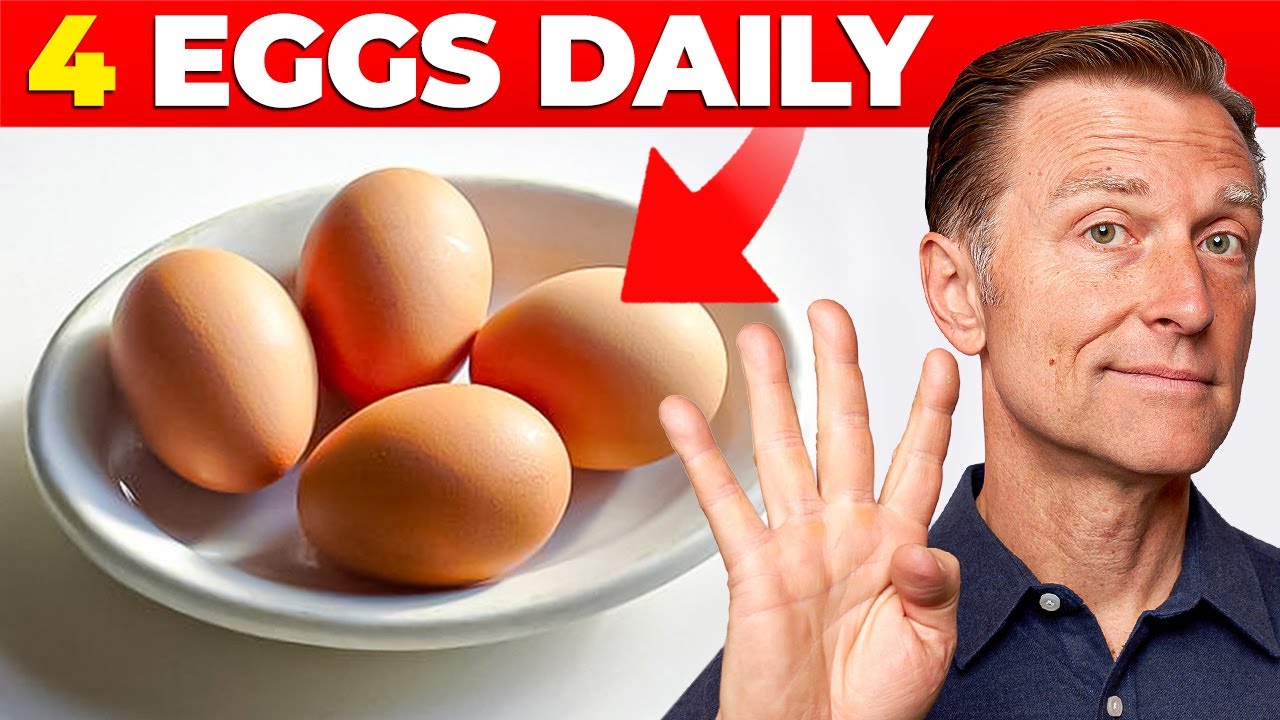
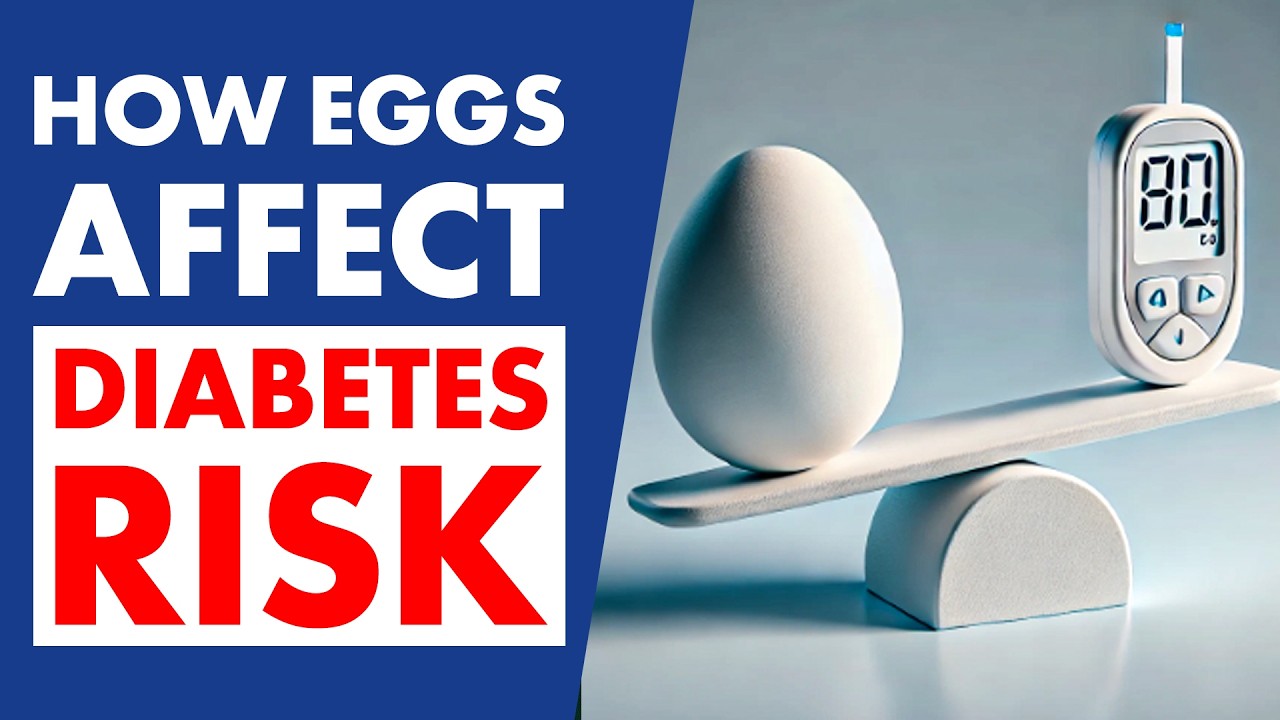
The nutrients that come along with carbs don't matter much at this point. The next study is quite surprising. Older men who ate about four whole eggs per week had a 37% lower risk of type-2 diabetes.
This was compared to men of a similar age who ate only 1 egg per week. At the same time, another study stated that eating 7 or more eggs per week can put you at risk of type-2 diabetes. We suggest you consume eggs every other day if you’re a diabetic.
Egg whites along with yolks can be eaten in moderation. But if you take a lot of medication, avoid the yolk altogether. This is especially true if you have a family history of heart disease.
Here are a few quick tips on how you can make those eggs healthy. You’re going to have to stop cooking them with butter. Switching to an olive oil spray will cut down on unwanted fats and cholesterol.
Instead of having them scrambled, eat hard-boiled or poached eggs instead. Cooking them in water will save you from eating extra fat. Make sure you’re eating loads of veggies with your eggs.
Leafy onions and a few mushrooms are delicious additions. You can even add a tablespoon of cheese like cheddar or parmesan, but make sure you avoid the salt. Here’s an interesting fact about egg yolk that you might start noticing the next time you cook your eggs.
Not all yolks are bright yellow. They can also be orange or red. The more nutritious the yolk, the brighter it will be in color.
In one study, hens were fed red peppers with strawberry-colored yolks. The number of nutrients in the yolk was extremely high. Are you looking for a healthy way to cook those eggs?
Well you should check out our video on 6 healthy ways for you to cook eggs. We understand that diabetes can limit your food choices. Here are 9 fruits you should be eating, and 8 you shouldn't if you’re diabetic.
Go ahead, click one. Or better yet, watch both, and learn more about how to become healthier. Do you have any special egg yolk recipes?
Let us know in the comments below!







![90% of Diabetes Would be REVERSED [If You STOP These Foods]](https://img.youtube.com/vi/qCQW9e7CrEk/maxresdefault.jpg)