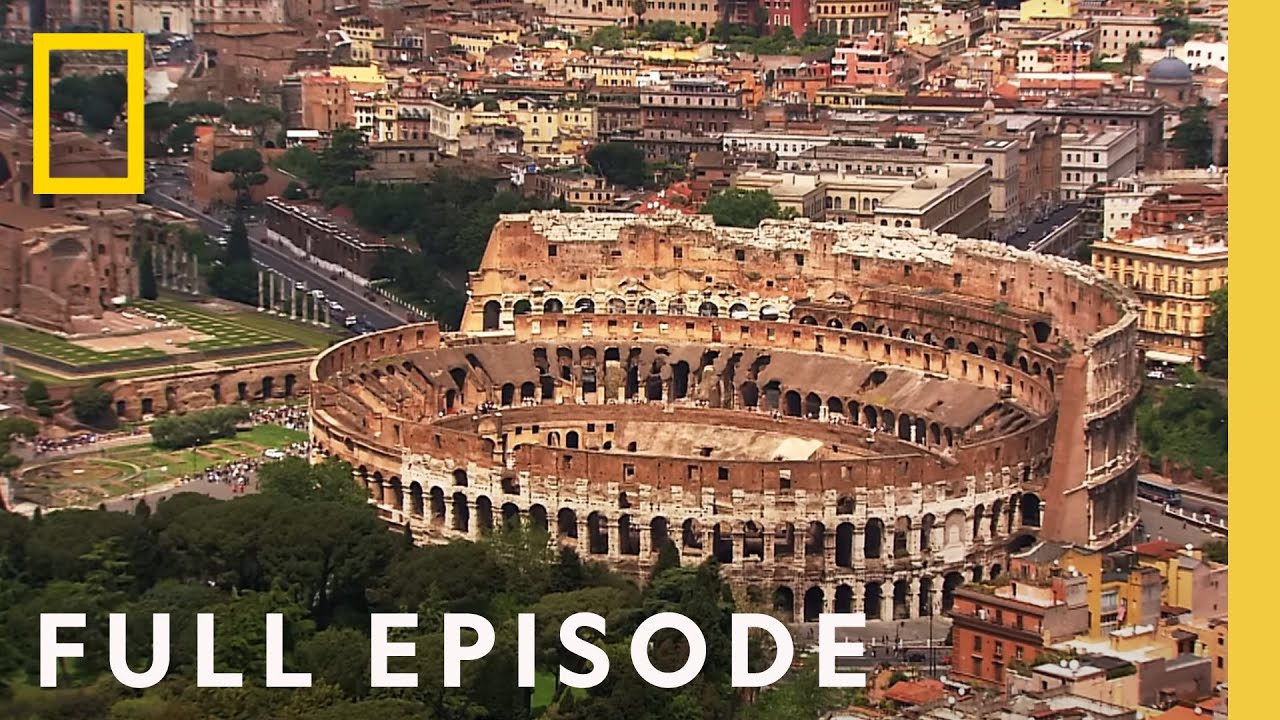
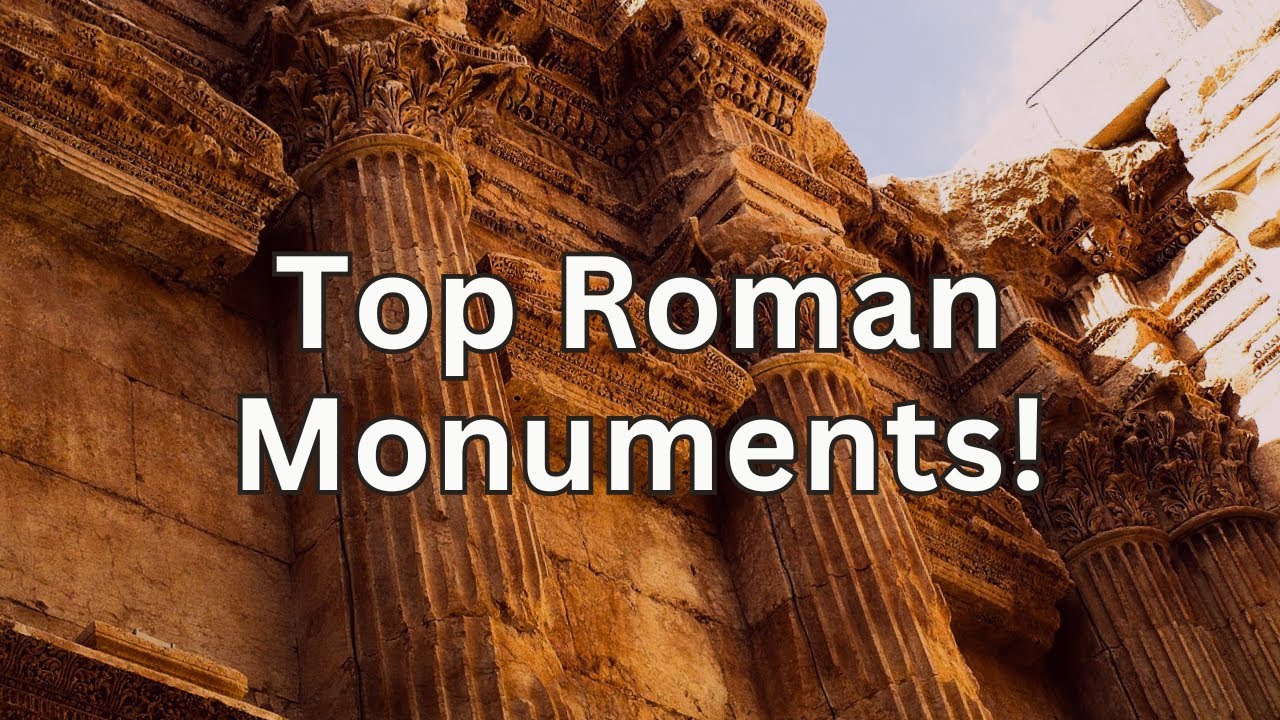
Last time I introduced you to some of Rome's greatest buildings and I remind you of two of them here the Pantheon on the left-hand side of the screen the temple to all the gods and then of course the Colosseum on the right-hand side of the screen these are two of the greatest master works of Roman architecture and we will gain momentum and work our way up to those in the course of the semester but it's not Where we're going to begin we're not going to begin with these master works we're going to begin at the
beginning and the beginning goes way way back in fact all the way to the Iron Age indeed to the eighth century BC and we know on precisely what day not only the history of Rome but the history of Roman architecture began and that was specifically on the 21st of April in 753 BC because it was on the 21st of April in 753 BC that according to legend Romulus founded the city of Rome Romulus founded the city of Rome on one of Rome Seven Hills the Palatine Hill and I show you here a view of the
Palatine Hill this is taken from Google Earth I urged you last time to make sure that you have Google Earth downloaded on your computer and to take advantage of using Google Earth in the course of this semester in order to really get to know the city of Rome and the the location of the various buildings that we'll be Talking about within the city fabric so I show you one of these views of the Palatine Hill in Rome from Google Earth and you can see the relationship of that Hill to the part of Rome in which
it finds itself you're going to be able to pick all of these buildings out by yourselves in the very near future but let me just just do that for you here this morning you can see of course the Colosseum in the upper right corner you can see the Roman Forum lying in front Of it you can see the great that modern street that you see right behind the forum is the Via fori Imperiali commissioned by mussolini ldj we can also see in this view the Capitoline Hill with the oval Piazza designed by Michelangelo and down
here the famous Circus Maximus as you can see the great stadium the greatest stadium of Rome it wasn't the only stadium of Rome but it was the largest and you can see its hairpin shape right down here The hill in question right now is the Palatine Hill and this is the Palatine Hill all of this area here and as you look down on it as you gaze down on it you will see the remains of a colossal structure which is actually a late first century AD Palace that was designed under the direction of the emperor
of Rome at that particular time a very colorful character that we'll talk about in some detail later in the term by the name of Domitian this is Domitian's Palace on the Palatine Hill but that discussion of that Palace lies in the future what I want to say today is miraculously the remains of Romulus village on the Palatine Hill founded in the 8th century BC actually lies beneath the remains of the palace of Domitian in Rome and it's to Romulus is huts on the Palatine Hill that I want to turn to today believe it or not
remains of those Hut's from the Iron Age are still there now they don't look like much I'm Showing you what remains of Romulus is Hut's right there and you're probably having a hard time figuring out exactly what we're looking at but what we're looking at the the architects that were working for the designers that were working for Romulus were very clever indeed and they realized that the best way to create a foundation or pavement for their huts was to use the natural rock of the Palatine Hill and that's exactly what they did what you're Looking
at here is the tufa to UFA the natural tufa Rock of the Palatine Hill and what they did was they created a rectangular plan they gave it rounded corners and they cut the stone back about 20 inches down to create that rectangular shape they rounded the corners and then they put holes in the tufa rock the holes were to support wooden poles that serve to to to support the superstructure of the hut and also to support the walls of the hut so the Pavement of the the tufa Rock of the Palatine is the is the
floor of the hut and then these holes support the wooden poles that supported in turn the superstructure I now show you a restored view on the left and you should all have your monument list and should be able to follow along with the major monument you won't see every image that we're that I'm going to be showing here but you'll show see a selection they're the ones that you'll need to learn and be able to Talk about for the midterm the two midterm exams in this course but you'll see there this restored view of one
of these Palatine huts as well as a view of the model that one can actually see in the Archaeological Museum that's on the Palatine Hill today you can see as you look at this restored view on the left you can see that rectangular plan that we talked about here you can see the rounded corners and you can see the wooden poles that were placed in to Those holes to support the walls and the superstructure of the building you can see over here the same of the wooden poles this gives you a better sense of what
they look like in actuality the wooden poles and also the superstructure we also know what the walls were made out of they were made out of something and I you know I put some of the keywords that might be unfamiliar to you on the monument list as well they were made out of wattle and daub Well what is wattle and Dow wattle and dab as twigs and rods that are covered and plastered with clay twigs and rods covered and plastered with clay those that served as the walls of the structure then the sloping roof as
you see it here was fetched now it's very hard there are no Hut's that look like this in Rome still today that I can show you to give you a better sense of what these would have looked like in antiquity but I'm Sure you like I have seen Hut's like this on your travels around the world and one example I can show you and what would that we were all down there right now this is a view of a small village in the Mayan Riviera near Cancun where one sees if you take the bus or
a car from Maya to Chichen itzá which I hope some of you have had a chance to do if you haven't great great trip and you can see all along the road huts that look very much like the huts of Romulus this Village made out of wood and then with thatched roofs as you can see here so this is the best I can do in terms of conjuring up for you Romulus is village we also have information with regard to what these huts look like in ancient Roman times or in not not angel in the
Iron Age as I mentioned before we have not only the pavement stone that's still preserved but we also have these urns we call them Hut urns hot urns because Their urns in the shape of huts and these Hut urns were used for cremation when people in the eighth century BC these date also to the Iron Age and the cremated remains of the individual was placed inside the door of the hut and if you look at this Hut urn you'll see that it looks very similar to the huts of Romulus that we've already been talking about
it is either sort of square or rectangular in shape it has rounded corners as you can see here and the roof Of the hut urn is sloping so we do believe we use this along with the surviving pavement to restore what these Hut urns what these huts of Romulus looked like in the 8th century BC let me also note it's interesting just to see the status of men and women in any given civilization at any given time there are essentially two kinds of Hut earns from the 8th century BC they our I mean the two
kinds of scuse me two kinds of urns in the a century BC one of Them is Hut urns and the other is helmet urns and not you can guess as well as as anyone as to who was buried in which the men were buried in the helmet urns and the woman's remains were placed in the hut urns so men men's domain was considered the battlefield women's domain was considered the house but this how the houses are actually more more important in terms of giving us a sense again of what Romulus is village looked like in
the 8th century and if you take One of those huts and you combine it with another set of huts you can you can get a sense of what the village of Romulus would have looked like in the 8th century BC this is a model that is on view in the Archaeological Museum on the Palatine Hill today and it gives you a very good sense of the village of Romulus in the 8th century and of course it was from this village that the great city of Rome grew and of course there's a quite significant difference between
Rome as it is now and Rome as it was in the 8th century BC I'm going to I'm going to skip a couple of centuries and take us from the 8th century BC to the 6th century BC and talk about what was the greatest architectural project in the 6th century BC just a few words about what was going on in the sixth century BC those who were ascendant in the 6th century BC were essentially the Etruscans the Etruscans lived in what is known as a true Rhea They were a quite advanced civilization prior to the
Roman period lived in a true Rhea which is which is essentially Tuscany today Etruscan Tuscany Tuscany today so the area around Florence and so on and so forth is where many of these individuals lived they became a quite powerful civilization and they were able to use that power to gain ascendancy also in Rome itself and there's a period in which there was a succession of Trustin Kings who were who were leading Rome and these Etruscan kings you know eventually kicked out by the Romans but at this time in the sixth century they were extremely important
and it was under Etruscan supervision and patronage that a major temple began to be put up in Rome in the sixth century BC precisely in 509 it was dedicated in the year 509 BC as you can see from the monument list the temple in question was the temple of Jupiter Optimus Maximus Capitolinus now that is a mouthful and I Don't want you to have to necessarily remember all of that Jupiter Optimus Maximus Capitolinus oh we will call him we will call this temple for all intents and purposes the temple of Jupiter OMC Jupiter OMC Optimus
Maximus Capitolinus the top cap of the temple of Jupiter OMC was dedicated again in the year 509 BC and it was dedicated to Jupiter but also to his female companions a juno and minerva and when we think of those three or when Those three are joined together jupiter juno and minerva they are known as the Capitoline triad because their main temple was on the Capitoline Hill in Rome and we will see the Capitol on triad not only honored in this temple but in other temples I showed you one on Tuesday in Pompeii for example the
so called capitolium in Pompeii that honored Jupiter Juno and Minerva you'll see that when a temple honors the three of them it has implications for the Architecture of that building for the design of that building we'll talk about that right now in a few minutes but I want you to be aware of what the capital line triad is so it's all three of them honored together although Jupiter is always considered supreme when at whenever those three get together so we have a temple here that we have to think of in large part as an Etruscan
all put up during the time of the Etruscan Kings dedicated in 509 but one That is beginning to have the impact of Rome and will itself have a very strong impact on Roman temple architecture and we're going to focus quite heavily today on Roman temple architecture and then of course return to it sporadically in the course of the semester as we move through and look at other temples like the Pantheon and like others that were put up in the Roman provinces the temple of Jupiter OMC was built on the Capitoline Hill in Rome so one
of the Other major Seven Hills so while the hit the hill of the Palatine was basically the residential section of Rome at this juncture the Capitoline Hill became its religious center where its main temple was placed the temple of Jupiter was located on the hill was located on the hill and about the position of one of the palaces that's there now we mentioned last time in any of you who've been to Rome know this well that the Capitoline hill was redesigned in The Renaissance by none other than Michelangelo himself it was Michelangelo who was responsible
for creating the oval piazza that is at the center of the Capitoline hill which was then rico renamed the Campidoglio of rome and there are these three palaces designed also by michelangelo the capital on the conservatory in the senatorial palaces that serve today as two museums or a joined museum one on either side and a governmental building in the back and You can see that very well here so this is the Capitoline Hill as it looks today as redesigned by Michelangelo but in Roman times it was the location or from the sixth century BC on
it was the location of the temple of Jupiter OMC the chief temple of ancient Rome the most important temple of ancient Rome what did that temple look like and again it's this is extremely important not only for it but for the rest of Roman temple architecture over time We have believe it or not we have quite a bit of evidence it's complicated by the fact that this temple burned down quite a number of times throughout its history we know it was still standing by the way in the fourth century AD when it was described by
a very famous writer but so it had a very long history but it burned down several times and it was rebuilt several times and each time it was rebuilt it obviously was rebuilt in a new style you know whenever was oak or Onct at that time so it changed considerably and nonetheless we do have quite a bit of information about it as far as we can tell when it was put up in 509 BC it looked something like this what you're seeing here is a restored view and a plan of the temple in 509 BC
and it's never too soon in a course on architecture to learn how to read a plan and to how to read a restored view or a so-called axe in the metric view and I have put on you probably haven't had a Chance to look yet but I've put up on the website for this course both under announcements and also in the form of the online forum section a couple of sheets that you will see I think will be very helpful to you that have terms and concepts you know it has different kinds of different kinds
of you know vaulting and different kinds of masonry and also tells you the difference between an axe and a metric view and a plan and so on and so forth I really urge you to print Those out look through them in the beginning of this semester we do have to spend a lot of time on what things are called but once we do that for a couple of weeks we'll be done with it and you'll know all the basic terms and we'll be able to go on from there but I think you'll find those handouts
extremely helpful so as we look at what we have here I think you can see by looking at the plan that what we are dealing with here is a rectangular Structure the rectangular structure has a deep porch and these circles are columns so with freestanding columns in that porch it has a single staircase at the front having a single staircase rather than one that encircles the building gives the building a a focus there's a focus on the facade for this structure you can also see that the back wall is plain back wall is plain and
the sella c e ll a which is the central space of the inside of the temple is Divided into three parts so I tripartite Silla and why was there a tripartite cellar you know the answer because there were three gods there was Jupiter Juno and Minerva the Capitoline triad each one had his own little cellar with Jupiter obviously in the center flanked by his two ladies one on either side so whenever you see a building with a triple cellar you're going to know that's a that's a temple of the Capitol on triad we can see
from the outside of The structure the restored view that it had a quite tall podium the podium was in fact 13 feet tall pretty significant 13 feet foot tall podium right here and here you also see again the single staircase in the front the facade orientation the deep porch the freestanding columns in that porch and the triple entranceway in to the three cellars of the structure so that's the basic plan let me also mention the materials for the temple of Jupiter OMC In the 6th century BC because technology is an important is important in any
course on architecture we know and think back to what we already know about the Hutt's the the building material used here was wood for the columns and the superstructure just as we saw in the Palatine Hut's wood for the columns and the superstructure mud-brick not Waddell endow but mud brick for the podium and for the walls and then the structure had quite a bit of decoration you don't see It here but quite a bit of decoration sculptural decoration in ancient times and this was made out of terracotta so wood mud brick and terracotta where the
materials used for this particular building oh I meant to show you sorry let me just go back for a second the only reason that the the other plan is on the screen the one at the left this is a plan of an etruscan tomb the tomb of the shields and seats from cheer battery second half Of the 6th century BC which is on your monument list I only bring it to your attention because it's interesting that the Etruscans also divided the main space of that tomb into three spaces three separate spaces up at the top
tripartite and also gave it a a single staircase which gave it a facade orientation I just mentioned that because we'll see that those potatoes that especially that focus on the facade is an Etruscan element that is picked up By the Romans Roman architecture is very much an architecture of facades of the front of buildings with a focus on the front of buildings and I wanted to make sure that you knew that not only in temple architecture but also in tomb architecture under the Etruscans that was a an approach that they already took and that was
adopted from them by the Romans another view also of the plan just so that you can see it again straight up with the focus on the facade The single staircase the deep porch the freestanding columns in that porch and then the tripartite division and the flat back wall I think it's important at this juncture to make a distinction between the most important Etruscan temple namely the temple of Jupiter OMC and you see a model of that here and the most important Greek ancient Greek temple the Parthenon in Athens Parthenon in Athens dates as you probably
know to the 5th century BC this to the 6th Century BC so they are not exactly contemporary but roughly in contemporary to one another and as you look at this I think you can see for yourselves although I will point point out the major distinctions between the two and this is going to be very very important for today for today's lecture but also in the future because what we're going to see is that the Romans when the Romans began to build their own religious architecture they Look back to what had been done by the Greeks
and what had been done by the Etruscans they picked and chose what they liked in each and they brought that together in an entirely new creation they mixed it up with their own culture their own religion brought it together an entirely new creation and created something distinctive that we know of as the Roman temple so what are the what are the differences between the two we've already talked about the main main Features of the Etruscan temple but with what what are what are what what are the main features of the Greek temple of the Parthenon
I think you can see that while superficially they look alike they have columns that support a triangular pediment and so on and so forth the major differences are and you can't see all of those here but the major differences are that instead of standing sitting on a high podium Greek temples sit on a much lower podium they have a Staircase that encircles the entire building no facade orientation there no single staircase on the front the stairs encircle the entire building as you can kind of see here and there is a single cellar they never use
the triple cell as we see in the capital on temple and and the major difference between the two perhaps is the fact that this building is built out of stone out of marble the Greek building is built out of marble The Greeks using marble magnificently in the fifth and even fifth century BC and even before that so no no no ordinary old wood columns and mud brick for them they were using marble so when we begin to see the Romans and we'll see that today using stone for their temple architecture they are doing that under
the very strong influence of Greece and that's extremely important in any assessment of early Roman religious architecture another view and it's one That you have also on your monument list showing the Capitoline Hill in Roman times showing you the situation of the temple of Jupiter OMC in relationship to the other buildings that were up on top of the cap line tale mostly religious structures but I just wanted you to see it did not standalone not all of these were built in the 6th century BC already but over time an accretion of other buildings here you
actually see the temple and is Somewhat later version because as I mentioned it burned down and it was rebuilt many many times but you also can see here this is just useful in terms of Roman religious practice the altar is located not inside the temple but outside the religious service actually took place outside the priest would officiate outside the temple and in fact very few were allowed to go inside to see the sacred statues that was pretty much left for the priests and the Priesthood just again to underscore the importance of Google Earth for anyone
who is not here on Tuesday I mentioned at that time that you cannot only go and fly over Rome as it looks today via Google Earth but they have just recently in the last few months introduced an ancient Rome version so you can go any way you click the right button you click your mouse in such a way you can find that you that the whole city will be completely recreated into The ancient city and I just want to do it's much more abstract but nonetheless it gives you a sense of what many of these
buildings look like in ancient Roman times and this is a screenshot of the Capitoline Hill as it appears in the Google ancient Rome version of Rome you can't do this for the other cities of this juncture just for the city of Rome but it's great fun to do and also very informative now what is actually left of the temple of you know we've looked at The Campidoglio we see Michelangelo's buildings are up there now what is actually left of the temple of Jupiter OMC well you're looking at it right here it's the podium of the
temple still survives at 13 foot tall podium of the temple of Jupiter we think this is of quite early podium maybe not as early as the 6th century BC but a very early podium from the temple upon which the structure was built you can get a sense of the height of these things and again A characteristic of Etruscan temple architecture and as we you'll see if most Roman temple architecture is to have a very high podium we can see that podium here and we can see what how it is made technically you can see it
is made up of a series of rectangular blocks that are placed one next to one another and on top of one another this is technically called ashlar masonry a sh lar ashlar masonry to build to build a wall with These kinds of rectangular blocks piled one on top of another it's tufa stone in this particular case once again which was natural a to the stone natural to Rome to UFA and this of this ashlar masonry again a building technique that was particularly popular in the 5th and 4th and 3rd centuries BC in Rome now what
what went up after the temple of Jupiter OMC in Rome quite a bit I mean this was a very inspiring project a very major project obviously It spawned a lot of other building projects in the city very few of those survived I can't show you much else from this particular period and this is for a variety of reasons it has to do in part with those fires that I mentioned a lot of things burned and no longer survived it has to do with something I mentioned also on Tuesday and that is that some of these
buildings became quarries and later times with later patrons and architects using them as a source of Stone that could be used in later structures so many of them were dismantled to be used for other buildings and also any city that is inhabited is Rome has been for two and a half millennia is obviously going to lose a certain amount of its structures over time they're going to be torn down they're going to be rebuilt they're going to be incorporated into other buildings some of those that are survived best are those that were Actually incorporated into
other buildings and indeed that's what happened here the wall was incorporated into something else and built on top of and that's why it still survives so we don't have all that much again besides this but even if we had whatever was standing in the fifth and fourth centuries or early fourth century BC would have been destroyed in the year 386 because in the Year 386 BC a group of tribes the Gallic tribes the Gauls came down from the north they destroyed everything in their path they did a lot of damage to the Etruscan settlements around
Florence and so on they destroyed those they came into Rome and they set the city of Rome ablaze and when the smoke cleared and it did eventually clear the only building that was still standing was the temple of Jupiter Optimus Maximus Capitolinus that's how much destruction there was and so there's very little else that we Can look at from this particular period what the sack of the balls did was also convince the Romans that they had not protected their city well enough right I mean they were completely exposed and the entire city was burned except
for that one temple so they realized that they better get smart and they better start to wall their cities to begin to put protective walls around the perimeter of those cities and we see a great a great efflorescence of wall Building there for after the sack of 386 BC and I want to turn to that wall construction right now I want to begin with the most important wall that was put up in the 4th century BC right after the Gallic sack and this was the wall around Rome itself a Rome was encircled with a stone
circuit a stone circuit that that that that went around the entire seven hills the famous seven hills of Rome enclosing it in this stone circuit and fortunately some parts of That wall are still preserved today and I show you the most extensive section here this is called the serbian wall walls you can see this on your monument list Servian walls in Rome 8 to 378 BC right after the sack not long after the sack 378 BC and some some extensive sections of that wall are preserved the most extensive is the section near Rome's main train
station the stat CEO nate aramony you can see the stats the only modern building to See the stats the own determining in the upper right corner and here is a view of this extensive section of the Servian walls in rome the Romans didn't want to take any chances they decided even though their Tufo was pretty good they decided they wanted to use the finest tufa possible and so they brought it in from the Etruscan city of a VIII they of AE was a famous and important Etruscan City that the Romans had just made their own
so it was a perfect source for them Of outstanding building materials and they brought in an imported yellowish tufa from the Etruscan town of AE to use for this very significant very important a wall that was going to protect them from this time forth and you see that wall again here it is very weathered even though it still stands it's very weathered so the stones don't look as as expertly carved as they would have been in ancient Roman times and what you can it's hard to see here and I'll show you Better in different wall
shortly but what it's hard to see is the system of what are called headers and stretchers headers and stretchers that they used for this wall what a header is when you take you take the same size rectangular block but when you put the short side out facing out that's a header and when you put the long side of the rectangle facing out that's a stretcher so it was a alternating headers and stretchers again I'll show you that better in another wall momentarily but use use of headers and stretchers here and we can also see that
the blocks are quite regular we are dealing with what we call a ashlar masonry once again the same kind of construction this placed one of these fare the regular blocks one on one next to one another and one on top of one another ash learn masonry in Latin the term is opus Opie u.s. quadratum qu ad Ra T um opus quadratum so this you can call this either ashlar masonry or opus quadratum squared work the same sort of thing as we saw on the podium of Jupiter OMC being used for the serbian walls in Rome
in 378 I showed you last time this section of the serbian walls here you can get a much better sense of the coloration of that yellowish tufa from vais and this is also very weathered so it's hard to see the headers and stretchers But it's another section of wall I just in case any of you are going to Rome anytime soon that one can see on the Aventine hill which is a beautiful residential Hill in Rome one of the one of those lovely places to wander in the entire city you will come across another section
you never know when little pieces of antiquity will crop up they come up in the most unusual places as one wanders the city which is one of the reasons it's such a fascinating place to Visit now the Romans realize what was going on at the same time as the Romans were beginning to extensively colonize well they had these imperialistic ambitions they wanted to colonize the world but they began with the places closest to them and they began to build extensive colonies in Italy especially in an area very close to the city of Rome itself and
they recognized as they began to build what I what I meant what I mentioned to you last time I like to Call mini Rome's because these are little cities in the version of the capital city itself as they begin to build began to build these these mini Rome's they recognized that these mini Rome's also needed security also needed to be protected by walls that were comparable to the Serbian walls so we see this great efflorescence not only a colonization but also of wall building in the period following the sack and the Period following the construction
of Rome's own Servian walls and I want to show you a couple of a few examples of that this is a map that was custom-made for this course you can find it on the web portal and I think you'll find it very useful because what I've done here obviously is focused on I don't clutter it up with a lot of places we're not looking at I focus on the towns that we are actually going to be looking at buildings in so I Think you'll find it extremely helpful Rome is here at the star you can
actually click on the map and that will take you to a map of Rome itself but we see the star where Rome is and the towns that I'm going to take you to that have walls are the city of cosa the town the village really at that time of cosa the town of norba that you see over here and the town of filari Novi but I wanted to show you the map because you see how close how proximate they are to the city Of Rome itself I'm going to show you these fairly rapidly just to
give you a sense again of the kind of wall construction that was going on in the colonies and the Italian colonies at this time this is we'll look first at the city walls of the town of norba and you can see from the monument list that dates to the second half of the 4th century BC and as you look at these walls these are not done out of tufa but a local a local stone to norba more Grayish in color as you can see here but you can tell me yourselves right off that's not opus
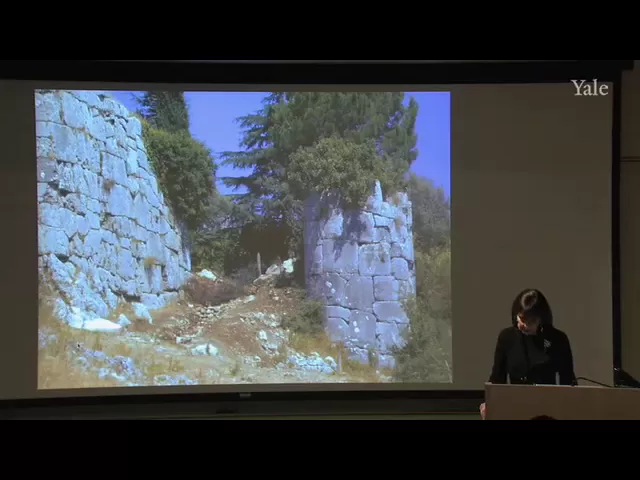
quadratum that's not ashlar masonry the blocks are not rectangular and they're not that even in fact they're multi-sided blocks some of them are polygonal blocks and we technically call this polygonal masonry and they've taken these multi-sided blocks piled them up in a very interesting way to create a very handsome wall I like this wall a lot Myself a very handsome wall to encircle the town of Norva so polygonal masonry in this particular instance and we see the same use of polygonal masonry at the town of cosa which is north of Norma's you'll remember from the
custom map the town of cosa the walls date to 273 BC at cosa and you see glimpses of them here and I think you can see once again a grayish stone used for these walls and you can see that the the construction is once again polygonal masonry the the Ps/2 resistance the greatest masterwork roman wall design in this early period is the wall that you see here this is the wall at full airy Novi valeri Novi was founded as a colony in 241 BC 241 BC and the walls were put up sometime between 241 and
200 and we see them here and you can see that the wall also had a quite spectacular at least for its date quite spectacular gate now if we look at the Walls for us actually first of all I want to point out that they have chosen to use do two different kinds of materials here as is immediately apparent as you look at this color view they chose to use a grey peperino stone PE PE rin o gray peperino stone from the Alban Hills for the arch of the Gateway and to use a reddish-brown tufa for
the walls themselves reddish-brown tufa peperino grey peperino stone from the alban hill so they chose they were very Careful about their selection of materials in part to emphasize this distinction in texture and in color if you look at the wall you can see we're dealing here clearly with ashlar masonry with opus quadratum and here you can see much more clearly than any of the other walls I've shown you because they're so well preserved the headers and the stretchers the alternating a square and rectangular blocks the scheme of headers and stretchers that is used for this
Wall the most important part of course is the arch the stone art it's a masonry arch as you can see it's not the earliest arch in Roman architecture but it's one of the earliest it is as it has been amazingly done I think quite masterfully done if you look at it you will see that what the designer has achieved is to take a series of wedge-shaped blocks these are called Vu's war blocks I put that word on the monument list for you booze war blocks These wedge-shaped blocks and has carved them in such a way
that each one fits very very effectively and very well into the overall scheme they're wedged in next to one another in fact as you gaze at it you kind of think gee I wonder if any of those blocks are going to fall out you know fall out from where they are but they don't because they're wedged in so closely next to one another and then they have finished the line of the arch Very nicely so that it has a very attractive appearance and and because it is done in a different stone it stands out extremely
well from the rest of the wall this is really again a masterful treatment in my opinion of a wall at this particular time with the wonderful addition of the arch and I think we begin to see we talked last time about how important art of making the arches and vaults and especially the use of concrete although here we see a stone Arch clearly a stone arch but we're going to see that the capacity of the arch to be used for expressive purposes in architecture is is capitalized on by the Romans and I wanted you to
be aware this is not only important as a wall of this period but important as as in the way that it's pre tient of what's to come with regard to the way in which the Romans are going to start to deploy the arch in extraordinarily creative and innovative ways in Roman architecture it All begins here the arch of the gate leads to the wall and gate of paleri novi stand at the beginning of this incredible development in Roman architecture I want to say something very very quickly about the about town planning during this period because
just as I mentioned Romans were colonizing towns in Italy and they were putting walls around them but they were also beginning to think about how they thought about about city construction in General urban the making of urban spaces and places during this particular period so I just want to show you fleetingly two examples the town of cosa which we for which we've already looked at the walls dating to the 3rd century BC and it's worth noting that it was again after the sack of 386 that this explosion of town bill really began as we look
at this the town plan of cozy you can see that it is encircled by the wall that we looked at Just before and you can also see it's roughly regular in shape you know roughly a kind of a square as you can see here there are gates in the walls and then there is a scheme of streets that is comparable to what I mentioned last time was typical for an ideal Roman city plan and that is the two main streets the cardo and the decumanus of the city of the Cardo being the north-south Main Street
and the decumanus being the east-west Street and Them intersecting very close to the centre of the city and it's usually very close to that same centre that you find the forum or great open a space meeting and marketplace of the city as well as a host of other buildings Basilica market and so on and then on the highest hill of the town of poza a capitolium a temple to Jupiter Juno and Minerva on that highest spot the most important religious structure of that town that's a town of Koza And then the other more important one
is the town of Ostia the port of Rome the town of Ostia which was first founded in 350 BC and it was at that time that a military camp or castrum was ca STR um a caste room was laid out there and you can see a plan of that castrum you see the dark dotted lines here is the original plan of Ostia 350 BC all the rest that you see around it is the city as it grew into the second century AD when it had its efflorescence so we see The original city here and you
can see it is perfectly regular and I mentioned to you last time that this is very different from what happened in Rome Rome grew in a very haphazard way over the centuries there was never any real attempt to plan the city but when Roman the Romans were left to build the kind of ideal city the city that they thought was the ideal Roman city they almost always built it in a very regular fashion as a square or as a rectangle as Regular as they could make it and it varied depending upon the terrain if there
was a lot of hills and so on it might end up with a somewhat more regular shape but here you see it at its most regular planned like a costume or a military camp rectangular with the two main streets the Cardo north-south Street the decumanus the east-west Street crossing exactly at the center of the city and then what's located there the form of the city the Great open meeting and marketplace and then all the other major buildings deployed around that and then of course the residential structures and the shops interspersed among those in this typical
Roman town plan of the fourth century BC I want to spend the rest of today's lecture on the three most important buildings in a sense that I'm going to show you today visa vie the development of Roman religious architecture specifically temple architecture and I Think I'm going to actually call for your help you've learned a lot already and I think you now know enough to help me along a little bit here on sorting out some of these temples one of them is located in Rome and the other two are located outside of Rome we'll show
you the map again in the center in the second so that you can see where those other two are but I'm going to begin with the one in Rome which takes me back to Google Earth here to show you the Situation of the so-called temple of portunus in Rome that dates to we believe some time is put up sometime between 120 and 80 BC in Rome you're going to get so good at this that you're going to be able to point all these places out without me but we're looking back again over this is a
Palatine Hill looking a slightly different angle Palatine Hill over here the very edge of the Colosseum you can see in the upper left the Great Via dei fori Imperiali of Mussolini over here the Imperial fora here the wedding cake of Victor Emmanuel Victoriano that I showed you last time over here the more modern building the Capitoline Hill you can see the oval Piazza of Michelangelo right here and what the and the Circus Maximus over here and for any of you have been to Rome the easily teeb arena that wonderful little island that one can cross
the bridge to get to in Rome down here so here's the Tiber River Looking nasty as it usually does it's very green and not not the sort of place you'd want to take a swim in as you can well imagine but you see the Tiber River here and if you look very closely you will see two temples this is a round temple which has the very uninventive is called today very uninventive Lee the round temple by the Tiber the round temple by the Tiber for obvious reasons and then here a rectangular temple that looks like
it has a red roof because it Was undergoing things it's been undergoing reconstruction restoration recently you see that here this is the temple of portunus so you can see in conjunction to another temple it was built very close to the river to the Tiber River now let's look at the plan together of the temple of portunus based on your understanding now of typical Etruscan religious architecture typical Greek religious architecture what would you say about this plan is this more Like an Etruscan temple or more like a Greek temple I can't remember I think I forgot
to mention with regard to the Parthenon that not only does the the typical Greek temple the fifth century BC have a staircase that encircles the entire monument it has a colonnade a free-standing colonnade that encircles the entire monument and that's called a peripheral PE RIPT ER al a peripheral colonnade so based on what you know about the temple of Jupiter OMC and the Temple of and the Parthenon in Athens does this plan and plan when we look at this building does this look more like an Etruscan plan or like a Greek plan okay mr. Roma
good all right all right okay yeah it looks like it might be a combination give me what the Etruscan characteristics are first this the the the single staircase absolutely which gives it a facade orientation is there a triple entranceway I mean there are there Spaces between the columns these are columns here but look at the sella the cell is a single cella so this is not a capitolium but there are spaces you're right between the columns so take us a little further with the columns you can see the columns in a deep porch deep porch
freestanding columns in the front or freestanding so facade orientation single staircase deep porch freestanding columns in that porch in this case a single cell those are all Etruscan Characteristics so it looks as if we are dealing here essentially with an Etruscan plan but you are right what's your name Neil Neil was right however that this is a combination in that there are columns that go around the monument but is it a peripheral colonnade Neil probably not probably not why not because what's different about these columns you can see it in plan there they go all
the way around but they're not freestanding they're attached or Engaged into the wall they're attached to the wall what what do we call that we call that a pseudo peripheral colonnade so yeah it kind of looks like it goes around but it doesn't really because it's attaching to the wall and it kind of gives that sense of flatness that we got in the Etruscan temple so you're you were absolutely on the mark it's a combination of the two and that is exactly what we see coming together at this particular time in Roman temple Architecture this
wonderful way in which the Romans have looked at Etruscan precedents they've looked at Greek precedents they decide what they like they mix it up as I said before in a way in which it best represents their own culture their own religion and create something that we're going to see becomes distinctively Roman the building is very well preserved so we can go on to actually look at it here it is stands in almost pristine shape in Rome today Right near the Tiber River as I mentioned a wonderful temple in which we see some of those features
that Neil has already pointed to and that is the facade orientation single staircase the deep porch the freestanding columns in that porch from a distance it does indeed look peripheral it looks like their columns all the way around but as you look closely you will see that the columns are indeed attached to the wall on the Side and around the other side now that you see the actual view there are some other things that give this away as a temple that is clearly also built been built under very strong Greek influence and what are those
stone yes absolutely this is not made this is this is not a wooden mud brick terra cotta temple this is a temple that is made out of stone it's not made out of marble it's made out of of travertine it has travertine t Rav ERT ine travertine is an Italian Stone bought from brought from or quarried at the the town of Tivoli TI vol I which we'll talk about a lot in the course of the semester travertine brought in Tivoli is about an hour's high-speed drive today from Rome obviously longer in antiquity but it's fairly
proximate to Rome so this wonderful stone travertine from Tivoli brought to serve as a facing for the podium and for the columns use in the column so it is it is essentially a Stone structure we'll see that the walls are made of tufa but those walls were stuccoed over with white stucco so that the impression that you would have gotten if you were with you in ancient times when this was in more pristine condition was that you were looking at a white marble temple which would have certainly conjured up the idea that you were looking
at a temple that was made a la grecque that was made in the Greek style anything else that gives away the Influence of Greek are can do any of you know your orders kneel ionic order good I oh I oh I oh and I see ionic the three major and you'll find this in your terms and concepts so bone up on those there the Doric the ionic and the Corinthian we'll look at all of them today the ionic order what characterizes the ionic order are these vertical spiral volumes vol Utes spiral volumes and you can
see those here this is a typical ionic column clearly made we don't The Etruscans using this clearly made under the influence a very strong influence of Greek architecture Greek temple architecture here's a view of the temple of Tunis from the side and from the rear we once again see the way those columns encircle the structure but are engaged into the wall you can also see the blocks of tufa stone ashlar blocks just as we saw them in the walls of tufa stone used here and you can get some sense as some remains of some of
The stucco that was stuff out over in white so that from a distance at least you would have the impression that the whole building was made out of stone and even stone you might even be fooled into thinking it wasn't travertine it was marble if you were far enough away I also need to mention something very important for the future of Roman architecture and that is that concrete construction was used in the podium you don't see it it was only used inside the Podium the reason it was used inside the podium is concrete is very
strong it can sustain great weight and the Romans recognized very early on that they could use it in utilitarian ways to help support buildings at this particular time the concrete was you know was made up of rubble and liquid mortar and a kind of dash of volcanic dust and they brought all of that together to create a material that could sustain great weight so they used it here for utilitarian Purposes what we're going to see already next Tuesday the Romans beginning to take advantage of concrete for for a very expressive purposes and and how well
they do it which culminates ultimately obviously in buildings like the Pantheon and it's incredible don't here's a detail of the ionic capitals of the temple of portunus you can also see this building has as it would have if it were made in Greece what's called an ionic frieze an ionic Frieze which if you look very carefully there's some remains of the candelabra and the Garland's that hung from those candelabra in the original design of this temple I also think it's interesting to look here's a view again of the temple of portunus as it looks today
this is a nineteen century painting of the temple of portunus as it looked at the time it was done by that artist and what you see is something that I have already alluded to But which is extremely important for the preservation of buildings like this and that is that this building the temple of portunus like so many in Rome was reused in later times and transformed into something else and it is probably only because it was transformed into something else that it is that it survived as well as it did because you can see that
what happened is that they walled in the front they gave it a real facade a doorway three Windows a medallion with the Madonna across at the top a bell tower and they turned it into a church and they turned it into a church and because it was an active Church it was kept in good shape you can see those ionic capitals and the frieze with the garlands and so on of the temple of portunus and you can also see the round temple by the way which still doesn't stand also over here right near it near
the Tiber River so this is the reason that we were we are fortunate That the temple of portunus survives and it does survive in large part because again it was transformed into a church in later times and this is one of the fascinations of Rome by the way you never know I mean so many churches masks earlier buildings there's one right near not too far from these where you can actually see three Roman temples that stood side-by-side the Sun were incorporated into the church's son Nicola Cartier and you can actually see The remains of all
three of those temples used in in that church and it's one of the fascinations obviously of wandering around the city of Rome the other two the other two temples that I want to show you today we're looking back at the map of this particular area are located at quarry and you can see the proximity of quarry not just to Rome but also to Ostia right here the city of quarry and the city of Tivoli and now you see Tivoli from where travertine Comes the location of Tripoli in relationship again to Rome it's not very far
which is why the building material was so easily transportable from Tivoli to Rome let's look first at Quarry core is one of those incredible you those of you traveled around Italy you know outside of Rome around Italy know that one of the glories of traveling in Italy is to go into some of these medieval hill towns you go into these places and you you get weather by car or by bus or Cab you make your way up to the very peak of that hill town it's very picturesque and then ultimately you get to the top
and you stand up there and you get this incredible panorama over the city and over the landscape that's the kind of place quarry is it's a medieval hill town but leave it to the Romans and they had a knack for doing this wherever they went they found the best location in quarry for their temple and this temple is located almost at the Very peak of the hill of quarry and usually you have to drive all the way up to see the temple the so-called temple of Hercules at quarry we don't really know if this was
put up to Hercules but it's been called the temple of hercules for a long time so we continue to call it that and you see it here in plan in restored view with its little complex in front and then the temple as it looks today so looking at this one then we can see again that we are dealing with an Etruscan plan with freestanding columns in the porch you can't see it here but you can up there it does have a single staircase it's a kind of pyramidal staircase it has a side as well as
a front or sides as well as fronts but you can see it does not go all the way around as a Greek as a Greek staircase would've it's focused on the front so we once again have this idea of single staircase on the front facade orientation of the temple deep porch Freestanding columns in that porch single cella in this case now kneel what happens when you go around and this one yep there are no columns there are no columns it's not a peripheral colonnade it's not an it's not a pseudo purple because it doesn't have
but what is this they look sort of like flat columns they are what are called pilaster Zi PIL AST ers plasters which are essentially flat columns so it does have some are you can see them up there there is Articulation but it's been flattened out still further so once again in the truss can plan with some nod to Greece in the sense that there's a recognition we've got a something that goes around here but they don't want to take it out they don't want to use an actual column and they flatten it out as you
can see so well here now again anyone who knows your orders what order is what Greek order is used here in this building yep the Doric the Doric order the most the simplest and most severe order is used here the Greek Doric order and the system of Greek triglyphs and metopes triglyphs and metopes I'll show you a detail in a moment and I'll explain what those are so the Greek Doric order triglyphs and metopes for this temple and one thing we couldn't see in that plan is the high podium so that's another Etruscan feature so
once again we see this very interesting and very eclectic bringing Together of Etruscan elements and Greek elements in early well in what we can call early Roman temple architecture here's another detail of the temple at Cori you can get a sizes with and I took this on a very gray day so you don't get the sense of the glory of what it can look like up there but you get some sense of its situation right at the edge with a with a spectacular on a beautiful day spectacular panorama of the mountains the other mountains in
this Area and of the hill town itself and here we can see the Doric order better very simple with the so-called triglyphs and metopes and mvto p/es triglyphs and metopes our triple striated bands and you can see them up there the triple striated bands and in-between them square panels so this alteration of triple striated bands the triglyphs and the square panels the meta piece which is which is typical of the Doric order the Greek Doric order You see it in the Parthenon for example and it has been taken over here by the Romans you also
see something very interesting about Roman building practice here because if you look at the columns you'll see that the upper part of the columns are what is called fluted fluted they have striations in them and but they're not fluted at the bottom you can see it stops right here the fluting stops here and the bottom is plain what's the Reason for that well we know that even in Greek Hellenistic times that tech not that that approach was taken and we believe it was done for two reasons one practical purposes why are they not there no
flutes at the bottom because people are more likely to lean up against the columns at the bottom than they are obviously at the top and when people lean up against columns the flutes start to break off so they decided not to flute the bottom but it May have been also for decorative reasons because we'll see when we get to Pompeii in the very near future that there are many columns at Pompeii that have floating at the top painted white and then the bottom the plain bottom painted red for reasons of taste and decoration and it's
very possible we do know that ancient I don't want to destroy any illusions here but Mistah ancient buildings were very often painted an ancient sculpture was always Painted so these might have been a lot more garish looking in ancient times than they are today which might also take it away from the sense of having a marble building so that's something that we probably should keep in mind as we evaluate these structures the last one I want to show you today is the Temple of Vesta at Tivoli also beautifully situated it's a temple that dates to
80 BC also probably not a Temple of Vesta but it's a round temple and temples of Vesta we're off and round so it's tended to be called by scholars the Temple of Vesta in 80 BC again beautifully situated out over a particularly verdant area of Tivoli where you can look down and around this beautiful area there's a waterfall very nearby it's just magnificent and you can see it's not surprising that some enterprising family decided to build the Sybilla a restaurant right here and there's a there's a patio on which one can can go And eat
under umbrellas and so on and so forth here here's the temple the ancient temple of 80 BC and once again we look at a plan over here and I also show you a view of the so-called Temple of Venus from Hadrian's villa at Tivoli just to make the point that this is this is as Greek as we've gotten thus far in the sense that the Greeks really loved round temples they built them a lot there was a very famous Temple of Venus in their Case Aphrodite on the island of Chios and that temple of venus
on the island of Chios is the one that was duplicated by Hadrian for his villain we'll talk about this later in the semester but I show the one at Hadrian's villa because it gives you a very good sense of what this structure was like in ancient Greek times as well because we think it's a replica a round structure freestanding columns encircling the entire building low Podium a staircase around that podium that encircled the entire building and then a temple of Venus in the center when we look at the plan of this structure we will see
it's pretty close it's round it's got temples that are free it has columns that are freestanding that encircle the entire structure but but it has a higher podium as we're going to see and even though it's circular they've given it a staircase on one side which gives it a Eva even even a round temple which you think of as something you just keep circling has a kind of facade orientation in this instance so they are so they are applying some of these Etruscan characteristics to a and almost pure Greek type here is a view it's
very well preserved a view of the Temple of Vesta at Tivoli as it looks today and what order is this the Corinthian order the Corinthian the last of the three great Greek orders the Corinthian order Which is very ornate which I'll describe in a moment we see it here supporting a frieze once again in this case a frieze with Garland's and libation dishes we can see here also it is a very tall podium so an imposition of an Etruscan element on this structure Greek orders the the the building is made out of stone the columns
and the base the columns and the facing of the base are made out of stone in this case travertine once again travertine again Was quarried right next door I mean this is Tivoli right there and you can see the travertine detailing on the doorway and the windows as well but what you see here that we haven't seen before remember I talked about the use of concrete in the podium of the temple of portunus in Rome here we see concrete used for the wall of the cella if the Greeks had put up this building they would
have made the Walls of the cella out of stone and they would have cut those stones very carefully to create the kind of curvature that was needed but the Romans were getting really smart in terms of making things easier for themselves they realized it was going to be a lot easier to build a round structure with concrete than it was to have to carve all those stones and just those in just those shapes so they have used concrete here for the sella we still could argue this Is utilitarian purpose but at the same time I
think it's beginning to demonstrate to us the expressive possibilities of concrete and we also see if you look very carefully the way in which we'll talk much more about this next week but concrete in order to make concrete impermeable to water and so on and so forth you have to face it with something and they faced it with very small stones of irregular shape which we call uncertain work or opus and care Them but we can opie us new word i ncer t um opus and care dome which is put into the concrete while it
is still wet to give it to give it the ability to withstand water but also to give it an attractive stone like appearance and you can see that opus and keratin work used here here's a detail of the wall where you can see its curvature and also see that opus and keratin work and here is a detail of the Capitals the Corinthian capitals that are used here which Characteristic of Corinthian capitals is that they have like like the eye on it and like the ionic they have volumes the spiral volumes but they are much more
they are much smaller and much more delicate and they are in a sense incorporated into the flowering plant this is called an acanthus plant AC anth us a canvas plants grow all over Italy you see them everywhere so they are just image they're just copying a that is indigenous to Italy they use Those acanthus leaves that seem to grow out of the column to incorporate the spirals and there's always a a prominent central flower that is also part of this motif it's important to note at the beginning that while the Greeks use the Doric and
the ionic order almost exclusively the Greeks did invent the Corinthian order they used it in very late Hellenistic times but quite infrequently the Romans use all three but we are going to see very quickly That they decide pretty early on that the ion that the Corinthian capital is their capital and almost every building will see some exceptions but almost every building will see in the course of the semester uses the Corinthian capital why did they take to the Corinthian capital in particular this is something we can think about in the courses semester and debate I
think it has to do probably with two major reasons one it was particularly decorative very highly Decorative more so than the others but maybe even more important than that is the fact that the Corinthian capital at least in my opinion looks the best from the most vantage points because it's pretty much the same all the way around the the Doric is pretty severe the ionic looks best from certain angles where you can really see the volumes well less well from other angles but this looks pretty much the same wherever you see it so it's a
very flexible and an easel Easy to use capital type we see also here I've referred to this last time but I want to describe it for you just in a second we see here the the Kaufering COF fer ing the Kaufering of the ceiling which is basically placing placing a series of receding Square elements there to give the sense of depth or in the in the ceiling and then in the center you see these flowers that match up nicely with those in the Corinthian capitals which are called rosettes ro se T TS and Will seek
offering and the use of rosettes quite extensively in Roman architecture I mentioned the restaurant the Sevilla used to be a horrendous restaurant I I was when I started taking pictures of Roman buildings I guess there's a little more timid than I am today so I always thought well gee if I'm going to go into the terrorists and want to take the picture of the temple I'm kind of going to have to eat there I would never Do that now but I did that at one point I made the mistake of eating in this restaurant twice
and I never went back again but when I went just a couple years ago to see the temple once again I saw that they had really some new owners must have come along they've really expanded the restaurant looks very pretty now and this is the Terrorism which one can eat I haven't tried it but I might actually next time I go I want to just end with a couple of remarks one Is that one of the interesting things is that although they stood the temples that we talked about today were in part made out of
stone in all cases travertine we do know that already in the year 146 BC so earlier than a couple of the temples we looked at just now in 146 BC they had the Roman set already ready put up a temple another temple to Jupiter near the Tiber River that was made entirely of marble entirely of marble so they were already beginning to Think not just of their own local stone or stones that were from local plate with closed places in Italy but but imported marble and so I want to you to know that so that
we can talk about it in the future and we also know that in 1:42 the ceiling of the temple of Jupiter OMC was gilded and we also know that not long after that they repaved the temple of Jupiter OMC and gave it multicolored stones so what this is telling us is a lot of people in Rome were beginning to think of - of temples that were more ornate than anything had become had come before anything that had come before there are some very conservative individuals who did some writing at this particular time hooba moaned the
fact that they had that the Romans had moved away from the Etruscan temples made out of wood and mud brick and so on and we're becoming too ostentatious in their taste but I think these new Greek style temples were Definitely here to stay and I just wanted to end up with a quote from Cicero after one of these fires these fires that so often raged in Rome the Great Fire of 83 BC Cicero talks about the rebuilding still again of the temple of Jupiter OMC and I quote from Cicero when he says let us feel
let us feel that conflagration to have been the will of heaven and its purpose not to destroy the temple of Almighty Jupiter but to demand of us one More splendid and magnificent what did that mean more Greek more Greek looking more marble and last comment I'm going to make is to make the temple of Jupiter OMC even more magnificent the Roman general sulla who was sacking Athens at this particular time goes into Athens and after he sacks it takes it over conquers it he goes up to the biggest temple in town the temple of Olympian
Zeus Zeus the Greek counterpart of Jupiter and he takes some of the columns Actually steals some of the columns from that temple has them shipped back to Rome and he incorporates them into the temple of Jupiter OMC on the Capitoline hill these columns my last point these columns were 55 and 1/2 feet tall so that and they were made of solid marble so that gives you some sense of the objectives of the Romans visa the temple building in the 1st century BC