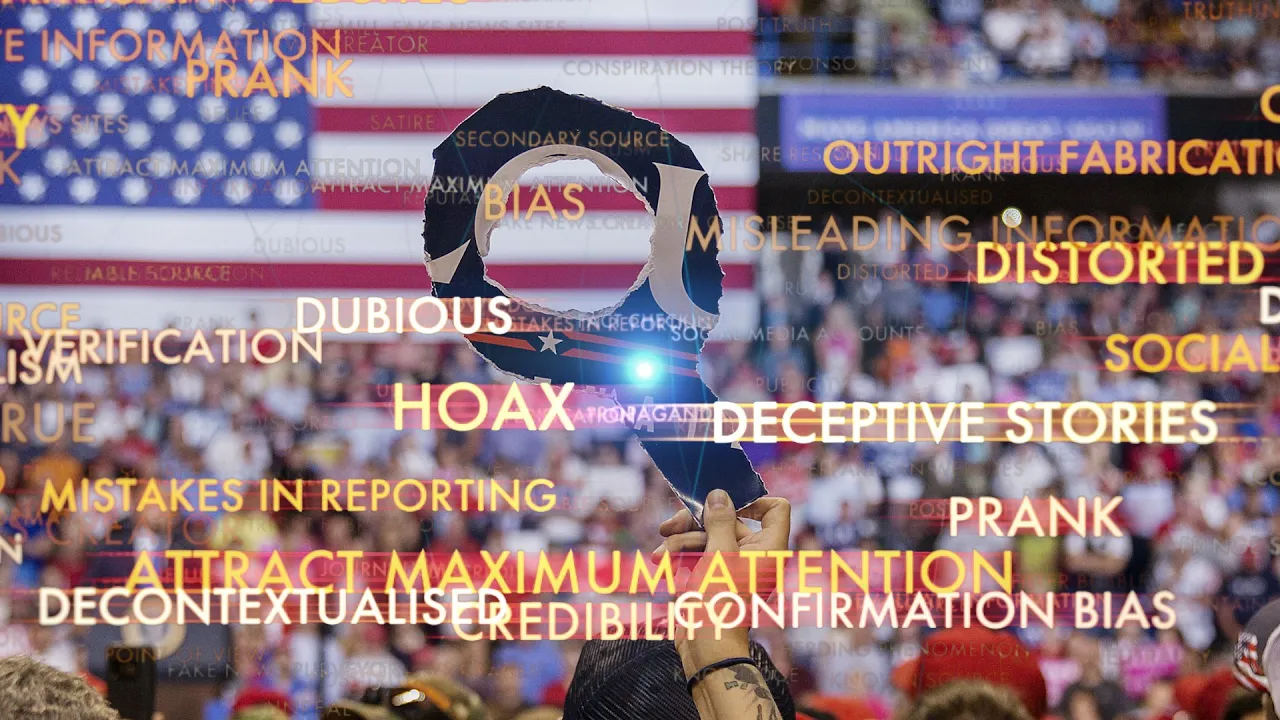
i'll take the facts in i'll research for myself and i'll make my own decision these are stories about conspiracy theories misinformation disinformation and the real lives that they're affecting my mom is really smart she's incredibly kind she has more empathy in her little finger than i think most people have in their entire body and i do think it's those things about her that make her particularly susceptible to these kinds of conspiracy theories it's increasingly apparent that misinformation is everywhere and it's sometimes hard to distinguish between what is fact and what is fiction the story i
did for the issue centers on a woman whose mother has begun to go down the rabbit hole if you will of q anon she is someone who by and large is not the person you would think of when you think of believers in conspiracy theories she's a older woman churchgoer she's a teacher she's a mom she's a grandmother and she's now started to believe at an alarming rate the theories that are kind of connected to the q anon conspiracy theory umbrella a conspiracy group called i just don't know about q anon the insane right wing
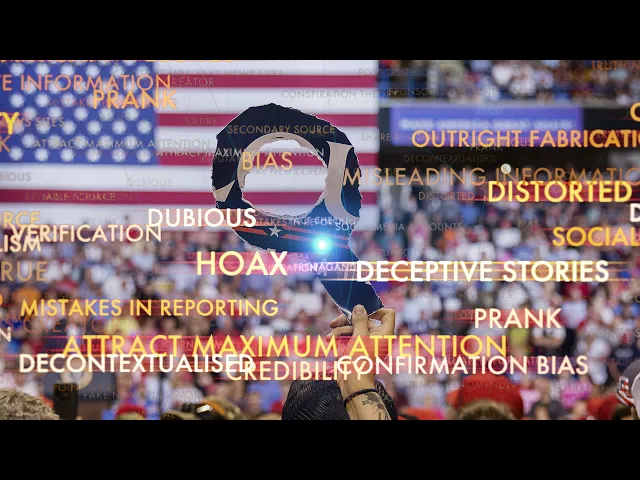
conspiracy group called q anon the fbi has called a potential domestic terror threat twitter is removing thousands of accounts league to q anon or q q anon is a far right conspiracy theory that is rooted in the false belief that satan worshipping pedophiles mostly democrats and establishment republicans run a global sex trafficking ring and are plotting against president donald trump who wants to take them down i was part of a facebook group that a person had posted in and they said my mother is someone who believes in the cuban on conspiracy theory and is this
something anyone else is experiencing so they were looking for connection they were looking to sort of vent and talk a little bit about what they've been experiencing the question i think has become less about truth and more about the morality of sex trafficking and so the more she reads about it the more difficult it becomes to have these conversations because instead of saying well here's where i got the facts and information from and yes it's true or no it's not true the discussion becomes well how can you be trying to tell me that this isn't
true when it's obviously immoral so the woman that we spoke to her name is sarah and she asked that we not use her last name or any other identifying factors that would make it easy for a person reading the story to potentially know it was her who spoke to us it was important for her to be able to talk about this and talk about it freely but know that it also isn't something that will come back to bite her i thought it was very important that we get to the heart of the people at these
stories it's very easy to look at humanon or the conspiracy theories connected to it and turn up your nose at it or think you know this is so beyond the realm of possibility that the people believing it are not like me or not like the people i love but what we found when we were doing our reporting is that that's not really the case especially with this theory my mom has worked with children over the years i think she just knows how scary it can be to lose your kid in the store and not know
what happened to them i think my siblings and i all got lost while we were shopping and you turn around and they're there and the next minute you turn around they're gone and i think a lot of the things that you see pass around on facebook and any other social media site really are sort of the idea that some scary stranger will follow you through the store and just grab your kid and that danger is always very real and very imminent once you sort of start reading articles about the q anon conspiracy theories the algorithms
are also programmed to continue feeding you similar types of information it ends up feeding you more conspiracy theories i think as journalists it's sometimes easy to think of the stories we do simply as stories but these are real people's lives these are real people's emotions and relationships that are online when they do agree to talk with us and by putting that trust in us it's our duty to also make sure that their lives aren't upended in the process it made sense to agree to those conditions to do the interview so that people could see that
this is something that everyday people are experiencing every day people are going through and be able to kind of put a human story to the headlines that everyone has been seeing with increasing frequency so that's the story that i covered for this issue um my colleague reporter ali weintraub looked at another aspect my name is ali weintraub i'm a digital content producer at inside edition it's almost like playing a game of whack-a-mole right you knock that one down and then your friend comes up with another one i wanted to look into some of the psychology
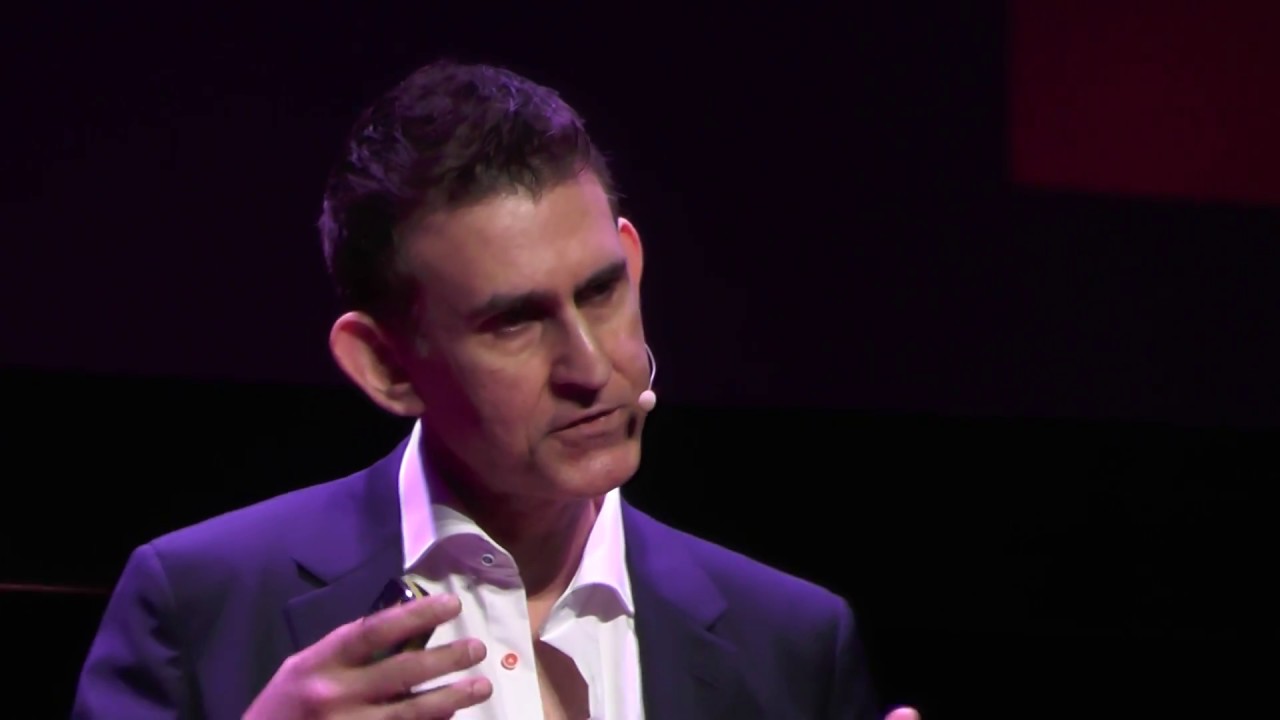
behind why people believe in conspiracy theories there's been some recent research and one of the things the research has found that respondents who feel uncertain they're more likely to believe in a number of conspiracy theories the main thing that we know about belief conspiracy theories is that they they stem from uncertainty so when a big negative scary event happens that makes a lot of us uncertain makes us feel powerless uh makes us feel anxious like we've lost control a natural thing that we all do in these cases is we try to explain the event and
what this search for an explanation can sometimes do is it can sometimes lead us to connect dots that shouldn't be connected and that can lead us to down the path of believing a conspiracy theory so the question is why do some people go to conspiracy theories as a way to cope i spoke to a political psychologist her name is dr joanne miller and she part of what she does is she looks into some of the reasons why people have certain political attitudes and recently she's kind of looked into why people believe in conspiracy theories and
what kind of needs or motivations or reasonings why people are drawn to conspiracy theories what we know about conspiracy theories is they often form uh what's called a monological belief system which basically is a web of different conspiracy theories that come together um and that makes it really hard to debunk because there's usually some kind of higher order need or motivation and especially with the covid conspiracy theories that came about they're all positively correlated meaning the more you believe in one the more likely you are to believe in others and they kind of hang together
as kind of like a belief system this is covet 19 conspiracy theory belief system and that belief system is maybe tighter is a good word for it for people who are currently feeling uncertain and it makes total sense because if you are feeling uncertainty and you're you're grasping at explanations you're going to grasp here and you're going to look over here and you're going to look over here and you're going to be willing to entertain a whole bunch of these conspiracy theories if you think that's going to help you bring in some of that uncertainty
there's other motivations too like for some people especially with q anon folks that's their sense of community as well then it becomes something to rally around like as a community my colleague johanna lee she looked into cults and cult deprogramming for the issue my name is johanna lee and i'm a reporter with inside edition digital for the story i spoke with a cult interventionalist named joseph simhart who explained his methods which included talking to the person who had been affected by the cult cult intervention is not to get people out of a cult it's to
help them to choose their way out of it according to joe a cult is a group with a self-sealing social system it's maintaining its own definition of reality and it's it's self-sealing and kind of like an echo chamber the people all feed into the central idea of the leader and the leader controls it that's generally an unhealthy situation so normally simpart's interventions start with the family right he has discussions with the family to see what the best approach into having a discussion with the person affected by the cult might be whether it's catching this person
by surprise or having kind of a sit-down pre-arranged meeting and how he normally goes about it is he would sit down with the person or surprise the person that's been affected by the cult and just have a discussion as to what the beliefs are and kind of begin untangling this web of misinformation joe has been performing interventions for nearly 40 years ever since he left a group he called the cult it was called summit lighthouse and church universal and triumphant and i was involved with it for about a year and a half i noticed some
serious problems the the idea behind the groups was to transform the self and then to help transform the world into a better more holy place the leaders didn't seem to be living according to the strict codes of ethics that the members were expected to live by you know i found out that the leadership was eating meat and ice cream and that was forbidden and i began to research the the whole background of it and i had a clearer head you know things cleared up in my head i think the takeaway is that in times of
uncertainty people like looking to something that's bigger than themselves whether that's aliens out there looking to save the human race or something like humanon if someone you love is involved in a cult joseph simhart's biggest tip is not to alienate them you know you want to make them feel heard you want them to still see you as part of your inner circle and that will ultimately make it easier for them to kind of come back to you thank you very much for watching um we'd love to hear what your thoughts are on this and our
other pieces in the comments below this is inside edition digital you