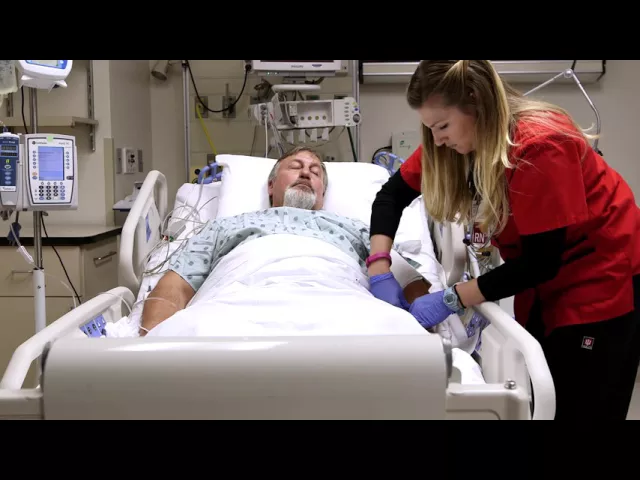
hello my name is dr. David Rowe I am part of the team of experts at Indiana University health caring for patients who require care in the intensive care unit otherwise known as the ICU welcome and thank you for choosing IU Health in this video I will tell you what to expect if you or a loved one is admitted to the ICU patients come to the ICU when they have a serious illness or injury that requires around-the-clock specialized and intensive care common reasons that patients are admitted to the ICU include respiratory failure a surgery that requires
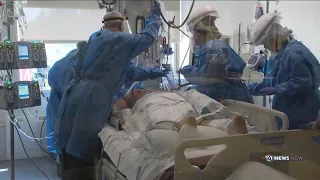
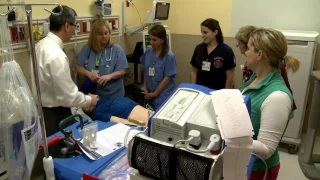
extensive recovery such as heart surgery trauma such as a car accident stroke organ transplant surgery or possibly an overwhelming infection if your loved one is staying in the ICU he or she will receive 24/7 care from a team of doctors and nurses the number and type of doctors on the team depends on the type of injury or illness together they will work with other care professionals to deliver the best possible treatment some of the care team may include a physical therapist someone who helps improve a restore movement and occupational therapists someone who helps improve or
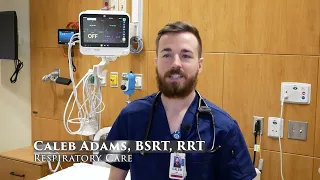
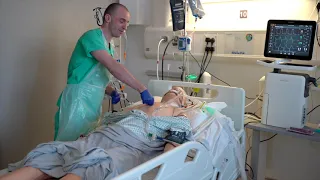
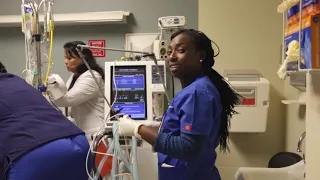
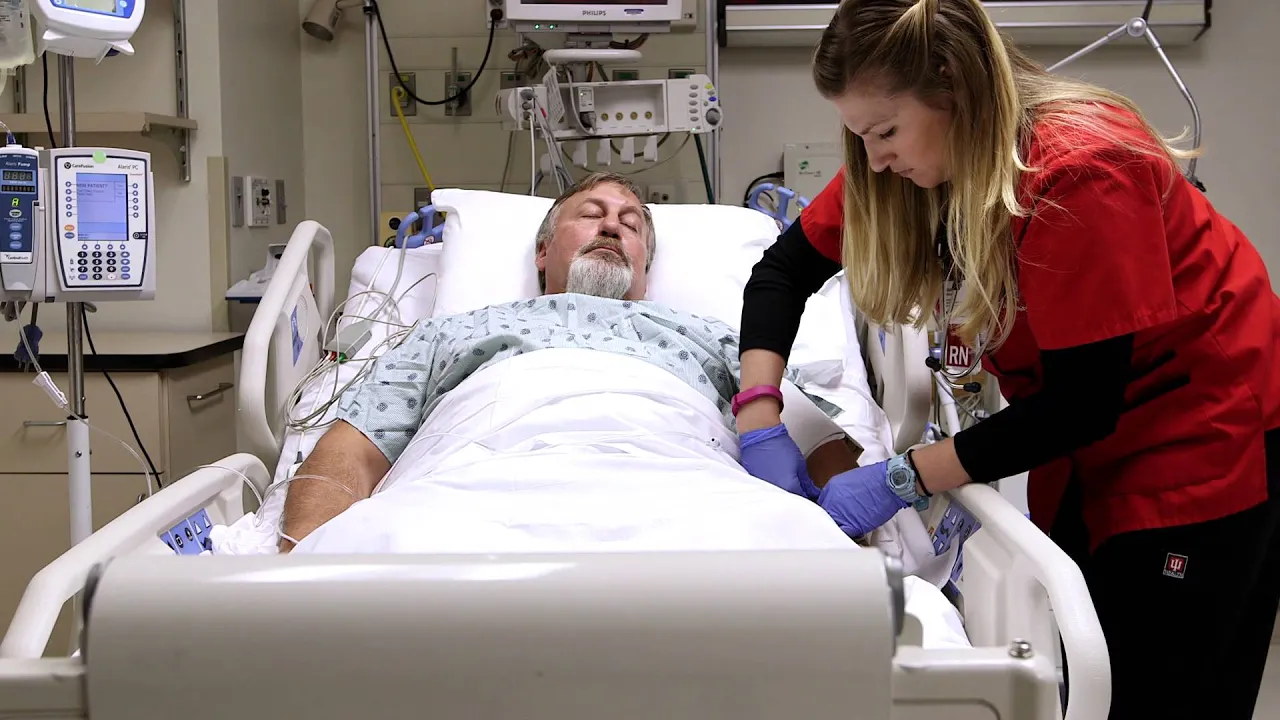
restore functions of daily living a respiratory therapist someone who evaluates and helps with breathing function dietician and expert on nutrition pharmacists someone who prepares medicines for treatment iu Health has multiple teaching facilities in which you may encounter medical students residents and fellows as part of your team an average day in the ICU will include multiple visits for members of the care team in fact the ICU is a very busy place so you can expect lots of lights machine noises and care members your loved one may be hooked up to many types of monitors including ones
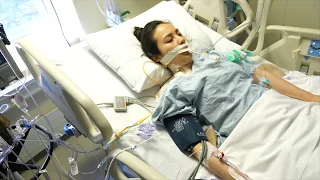
that keep track of heart rate respiratory rate blood pressure and the level of oxygen in your blood which is called pulse oximetry in addition your loved one may have other tubes placed to help deliver medicine and assist with treatment these may include the following a central line which is a long thin flexible tube used to give medicines fluids nutrients or even blood products over a long period of time through a large vein in the chest or arm and arterial line which is a thin catheter inserted into an artery a Foley catheter which is a thin
sterile tube inserted into the bladder to drain urine a breathing tube connected to a ventilator which is a machine that helps patients breathe when they cannot breathe on their own and ogee tube which is a flexible tube used to provide nutrition when a patient is unable to eat your loved one will also receive a lot of medicine in the ICU including medicine to help keep him or her sedated while they are receiving treatment we want your loved ones stay in the ICU to go as smoothly and efficiently as possible if you have a family member
in the ICU it is important to remember the following items to bring the list of current medicines he or she is taking to take time to care for yourself and get some rest during the stressful time sometimes you cannot be in the room with your loved one because of certain medical procedures there are no overnight visiting hours so you will not be able to sleep in the ICU physicians will round one or two times each day so it is important to communicate any questions and concerns to your nurses they will then be able to communicate
these questions or concerns to your care team most patients are ready to leave the ICU in about three days however some patients stay much longer when your loved one is ready to leave the ICU he or she will be transferred to a step-down unit or a regular hospital room you may see a new set of doctors during this transition of care but your treatment will continue to be coordinated through your original team even after you transition out of the ICU remember if you have any questions about the ICU you can ask any of our team
of specialists for more information please visit I you health.org / ICU once again thank you for choosing I you health for your healthcare needs