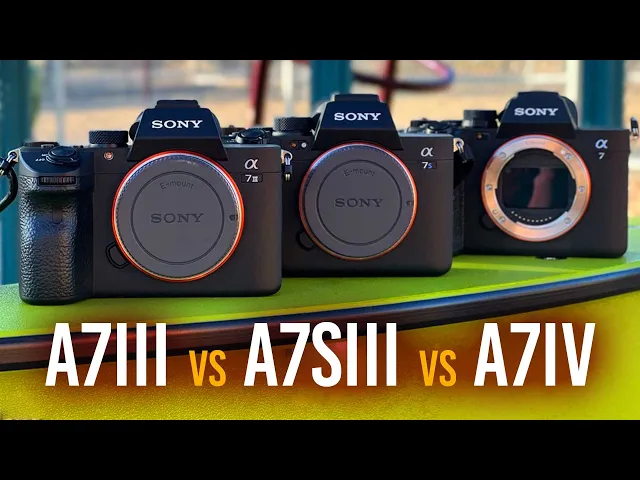
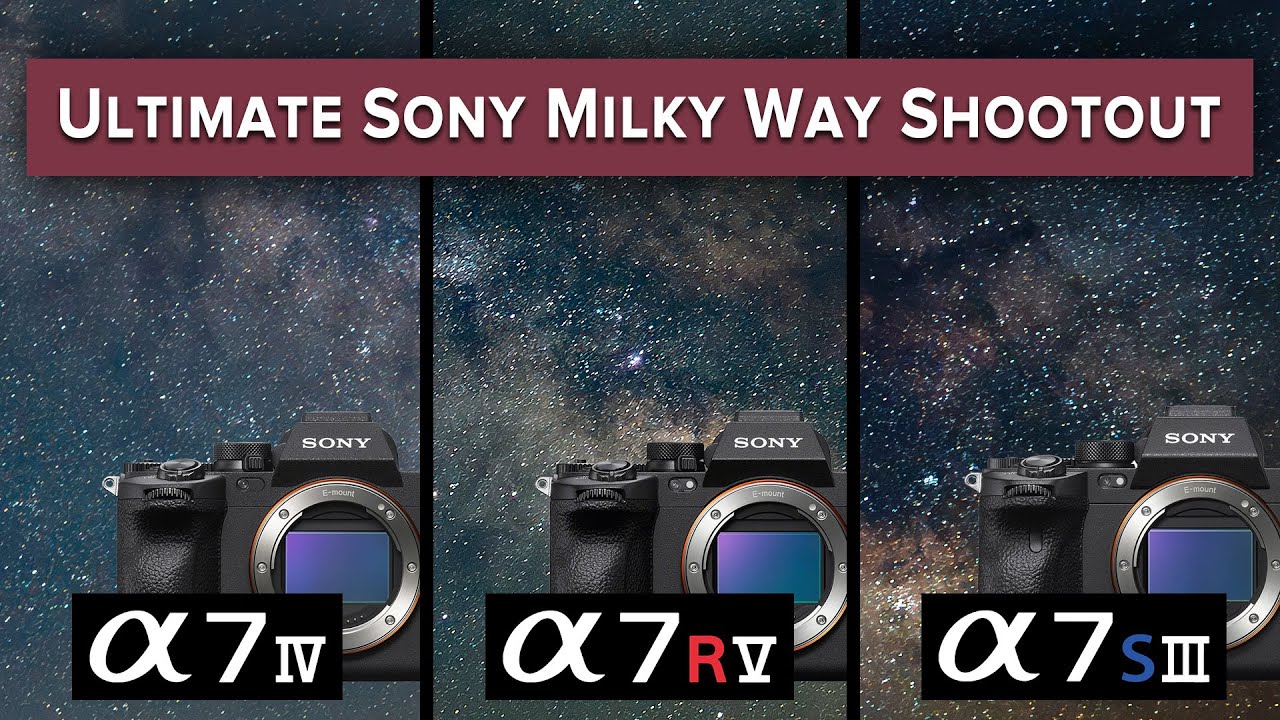
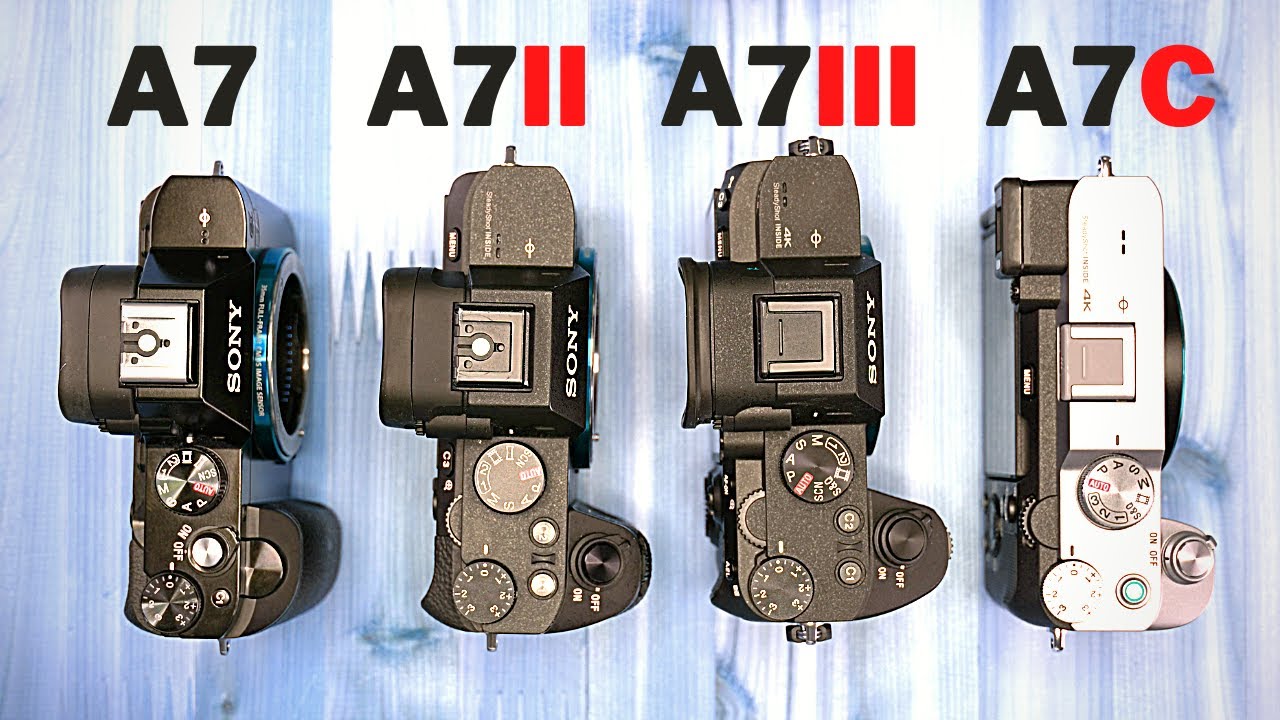
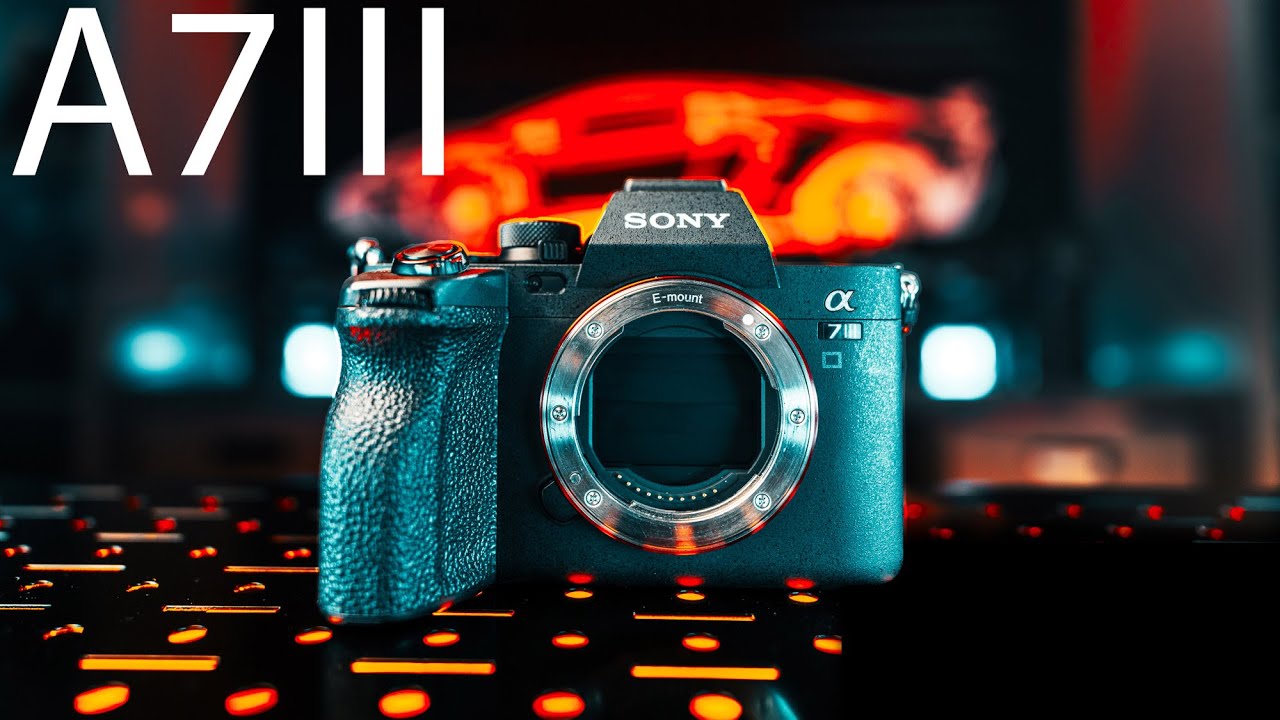
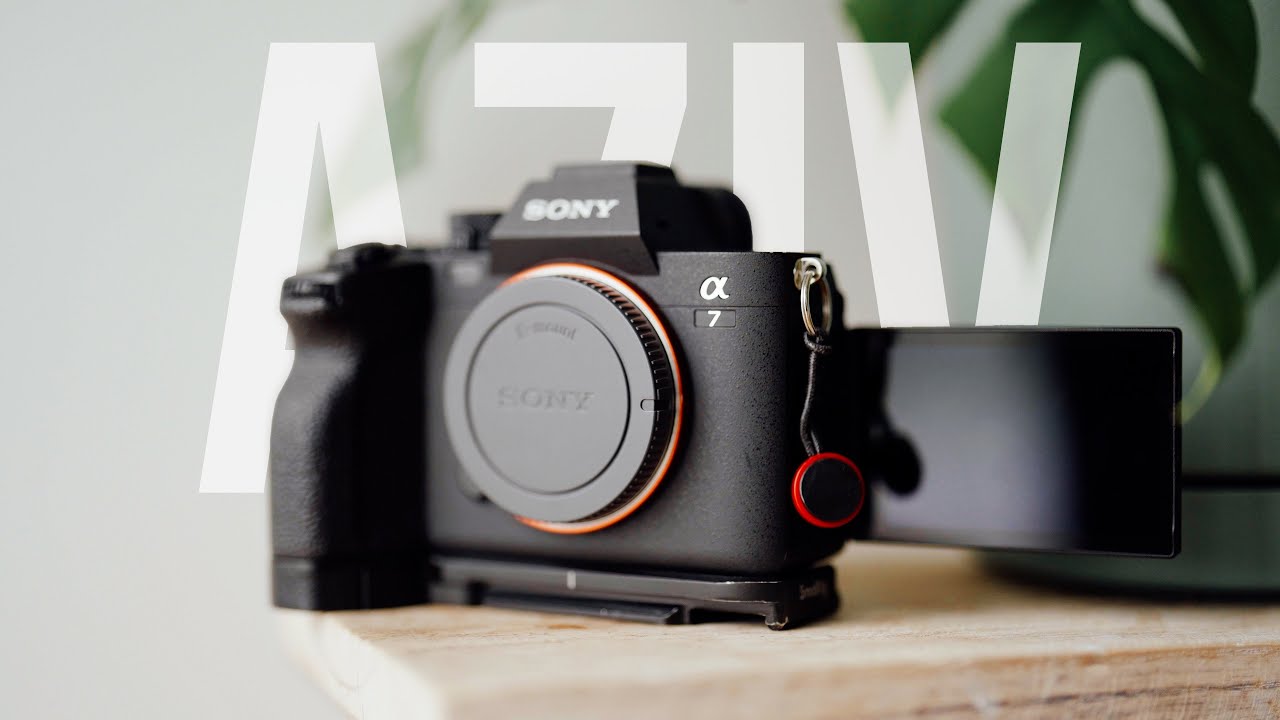
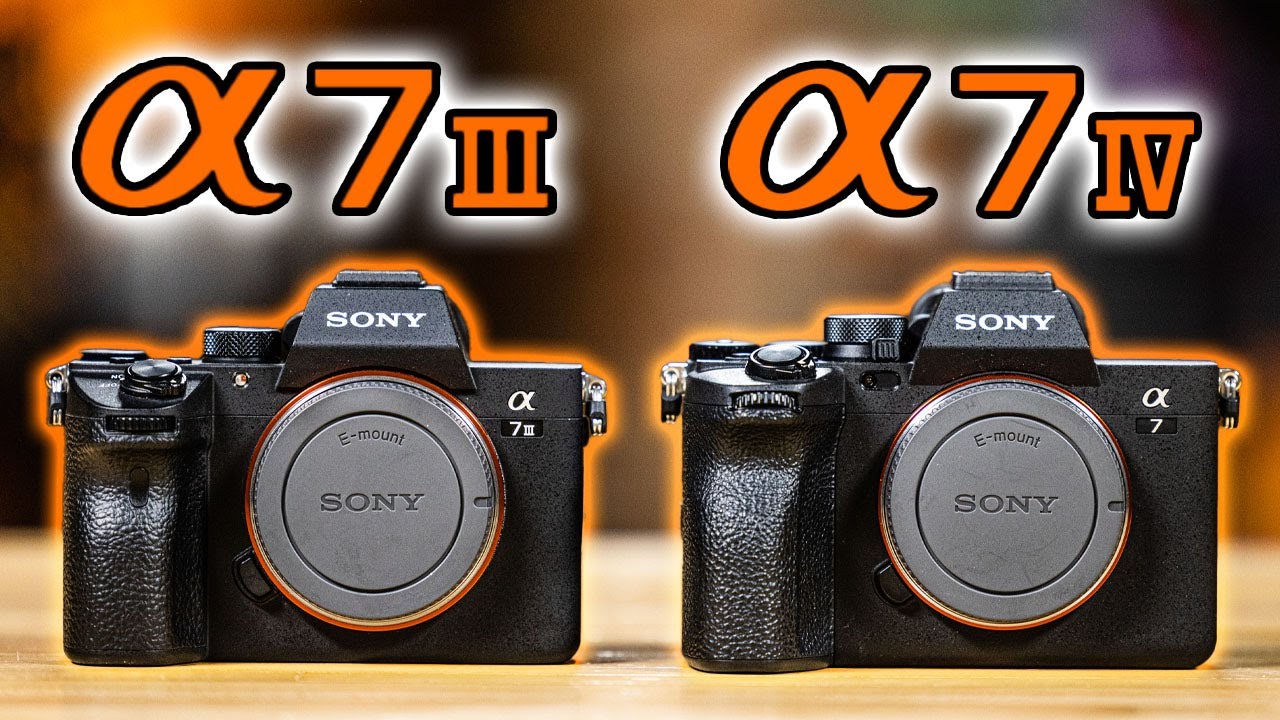
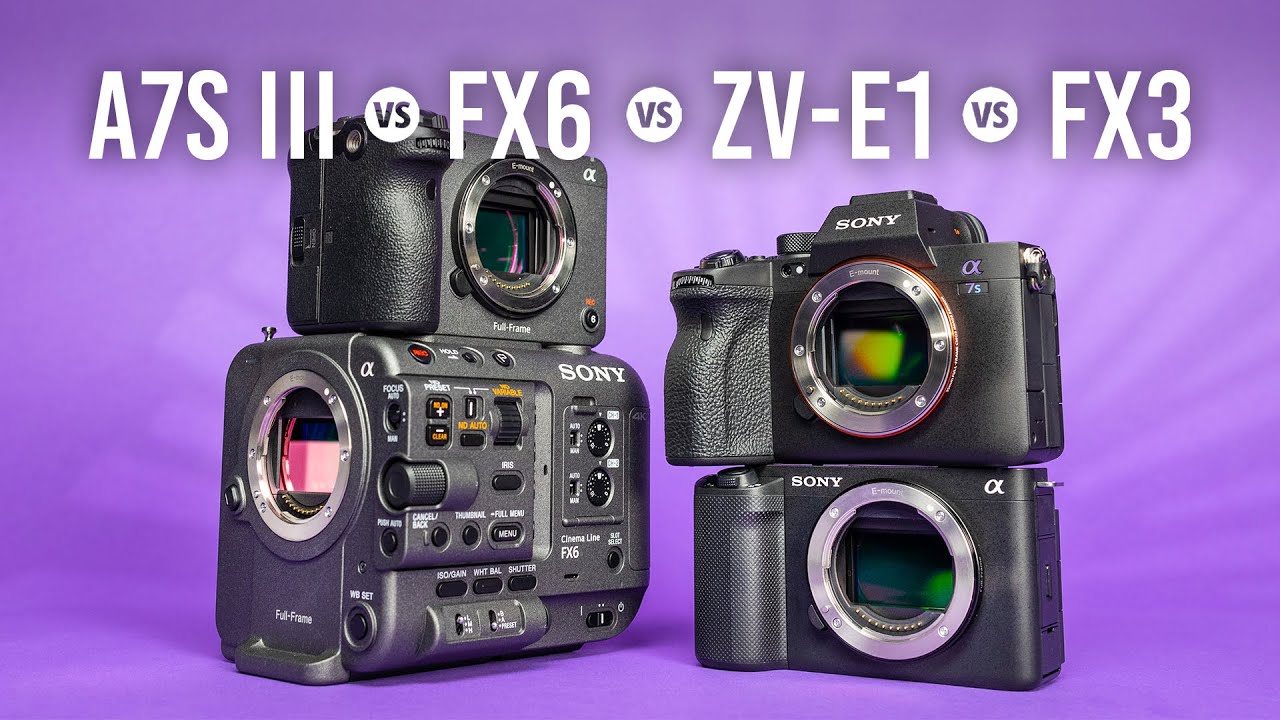
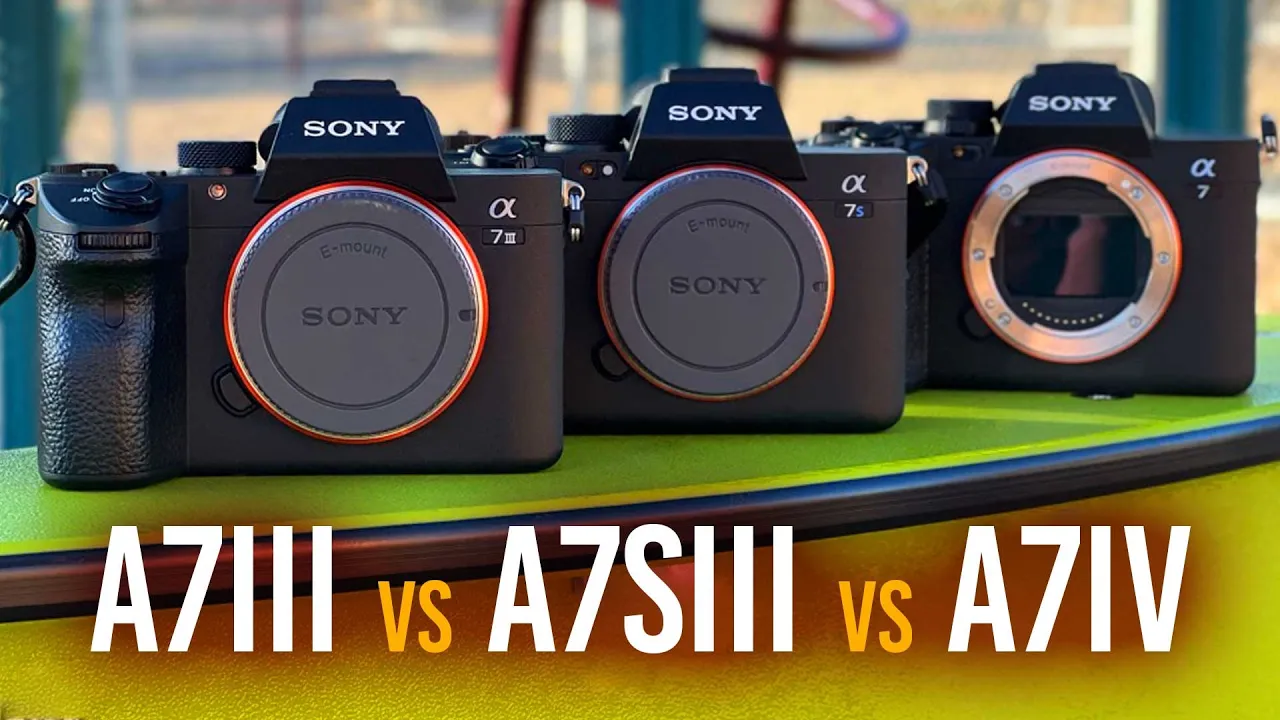
come join in as I put three Sony mirrorless cameras to the test the a73 a74 and a7s3 we're doing this out in the real world not in perfectly lit Studio conditions so that you can see the actual flaws and capabilities of each in the end you're going to know exactly which one is perfect for you so you ready let's go right away if you're a photographer your lineup looks like this and if you're a videographer your lineup looks like this megapixels matter functions matter there you go next if you're broke as hell your lineup looks like this there's a lot of money involved with some of these cameras pick your price range and that's what you gotta stick to test number one is stabilization this was a very simple test here are the settings we shot everything in 4k 30 FPS these will all have the sigma 24 to 70 millimeter F 2. 8 lens with in-camera stabilization turned on so the difference is the A7 III uses like a horizontal vertical looking at the lens to stabilize whereas the a7s3 and 4 use active stabilization which then takes that data from in camera runs it through Sony software called Catalyst and that does stabilization if you're wondering if there's a huge difference let's look at the footage because there is [Music] that your stance photography stance earlier foreign [Music] autofocus this one I can speak from experience and I would say the a73 really shows its age here it is until recently that I've started to use autofocus and that was only when I started filming helicopters you can't tell on a small LCD screen so I started using autofocus and that's when I realized that my A7 3 was not getting all the shots that I needed and some were out of focus you can even see with my most recent footage right here that the a7s3 Just Nails it I mean you can move around you can run around on screen it's pretty incredible it's got facial recognition the same that's in the A7 IV those two can recognize human animal faces left and right eye why might this be important well if you have an interview and somebody sitting skewed to the left or the right you want to be able to lock on one of the eyes if you're using you know different lenses like for example if you're at F 1. 4 and you're trying to shoot an interview like that and you just want their eye in Focus that'd be kind of a weird interview but if you just want their eye in Focus you can do that on the a7s3 and the four not so much on the A7 3.
if you look at this footage it just could not grab me and I don't know why you can tell it to recognize your face but you know the other two cameras the more advanced ones it will put a tracking box around your face so so as you move around animal or human it's much easier to track and it's actually the main reason why I bought the A7 S3 I was just sick and tired of losing focus all the time so if you are an experienced videographer you know like with me pulling manual focus the a73 is going to be perfectly fine you won't notice the difference because you'll just be so used to doing stuff on your own but if you're a beginner or you need to rely on auto focus a lot to track things like if you're on a Gimbal and you just can't use a follow Focus all the time then maybe consider the A7 S3 or even the four the four was equally good one of those two cameras will be much better for you and kind of act as your first AC onset that way you can just focus on getting the shot and not wearing like did I actually get that part three low light and bright light we ended up taking all three cameras out into the city both during daylight and during night time to just kind of see how it behaved so the first thing that we did was we picked this location that has this beautiful colorful mural with a lot of dark blacks and highlights that way you can see the difference and we went through all the isos stepping up through each one you can see huge difference here this is a case where the A7 S3 is just amazing you can shoot in near darkness which is just nuts that the native ISO is 12 800. like what the a74 is pretty close I would say you know for the average person who's not shooting all nighttime shots this looks amazing and if you count the photography side it's going to do great on the photography side not as good as the S3 on the videography side but pretty solid and then still the runner-up is the a73 it doesn't do as great but you know what if you light your set properly if you're not shooting in total darkness it's not going to matter again it comes down to if you have unusual filming circumstances you need that dynamic range go with the higher end cameras but if not this A7 III it'll be perfectly fine like look at all this footage I've shot with it it's great now to get into some really obvious differences and this is where the extra money really kicks in and it does make a difference so we're talking about frame rate here on the screen I have the capabilities of each one at a glance you can see it at the a7s3 is the only one that can shoot 120 frames 4K I love that slow-mo and it's been critical for my latest documentary work with fencing and ballet I just really need that slo-mo 4K it was a must-have it's another reason why I bought this camera that plus the autofocus means I don't really have to worry about any limitations in what I want to capture creatively this 120 frame rate comes with a small 1. 1 crop that's so minimal like I don't even notice it I I just don't it's not a big deal and if you do 60 frames a second there's no crop at all so you're good there the a74 however will crop in at 1.
5 times and yes this is very noticeable so plan on taking a conversion chart and kind of just take get to the back of your camera because it's going to take you a while to do that math on your camera lens for example if you use a 50 millimeter lens like you can see in this shot it's actually 75 millimeter lens and compare that to my camera or I am shooting at 75 millimeters and you can see that's what you're gonna get like that's a pretty big difference so it might affect what lenses that you want to purchase for your camera if you do shoot a lot of slow motion the a73 will shoot in 120 and 60 but only in HD you can't do it in 4k 4K is going to be maxed out at 30 frames a second but again don't think of this as a lesser camera there are a lot of people who just don't shoot slow-mo I would say that that's definitely a specialty shot and if you're doing something like interviews or some basic videography or just capturing Live Events you may not want to shoot in slow-mo and think about this if you're shooting on social media you may not want to use 4K you can shoot slow-mo in HD and it'll be perfectly fine so before you just jump to buying the a7s III which which we'll we'll get to the price later that might be the number one deciding factor but before you jump into that really consider the final product that you're going to deliver are you putting this online or are you putting this in theaters that might make a difference between I need this 4K slow-mo I need the stabilization I need low light so again just don't jump to the most expensive part because it's gonna be expensive now in terms of resolution these three cameras each approach 4K in a really interesting way so here on the screen I've got the chart of each of them the most standout thing is the a74 look at this thing it actually shoots in a whopping 7008 by 46. 72 and that's its 4K which means it's going to be ultra Sharp this is going to be important for color correction and it's not going to make a massive difference but if you're shooting higher level films then yes it's going to make a difference so here on the screen I've got all three cameras up on here the S3 and the four have that powerful 10 bit 422 that gives you so much flexibility in post-production in my Sony A7 S3 setup I go over all the different settings you can see which each mode does and you can see a difference in certain recording situations so if color correction through s-log x-log 2 or S log 3 is really important to you maybe consider getting those few extra bits one extra bonus feature of the A7 S3 is if you connect an external monitor a ninja monitor like this one then what you'll be able to do is record in 16-bit raw photography all three cameras take really great photos none of them suck but if you want to do large format prints you're going to want to go with the a74 that one is definitely designed for photography in mind it's a hybrid camera it does well across both the A7 III does okay same with the A7 S3 but you can look at the megapixels here on the screen and determine which one that you want to buy I don't do photography which is why it's the one camera that I don't own price okay here is where you watch through the video and you're probably attached to one of the cameras and now you gotta face the music there's going to be a price attached to it and it's not just the base price of the camera body there are some extra things that you have to buy for each camera in order to bring it to its full potential so you can't just look at the base price and be like yep that's what I'm gonna put down no there are other additional costs so I'm going to go over those right now let's start with the a73 to get into this camera the body is currently about Seventeen hundred dollars new so a tax let's just say 18.