I wish I could afford the rent. There is a big problem with air pollution. The city is growing without any kind of order or any kind of planning.
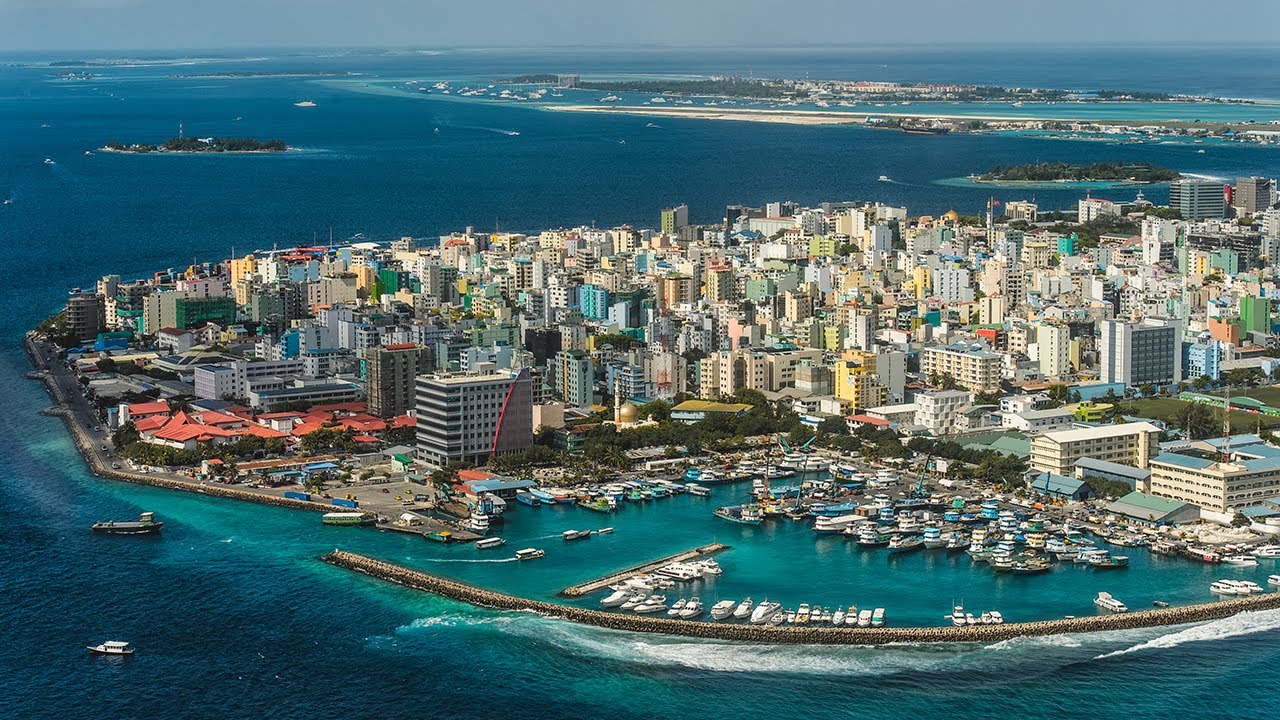
Half the world's population live in them, and by the end of the century it will be more like 90%. Over the last sort of 20 years, we've been talking about urbanisation is the way forward, but we've seen during Covid, people's dynamics and priorities are really changing so this is a real moment in time where we have to rethink and almost get behind a new vision of the city. ARCHIVE NARRATOR: Ever watch the morning traffic when people are going to work?
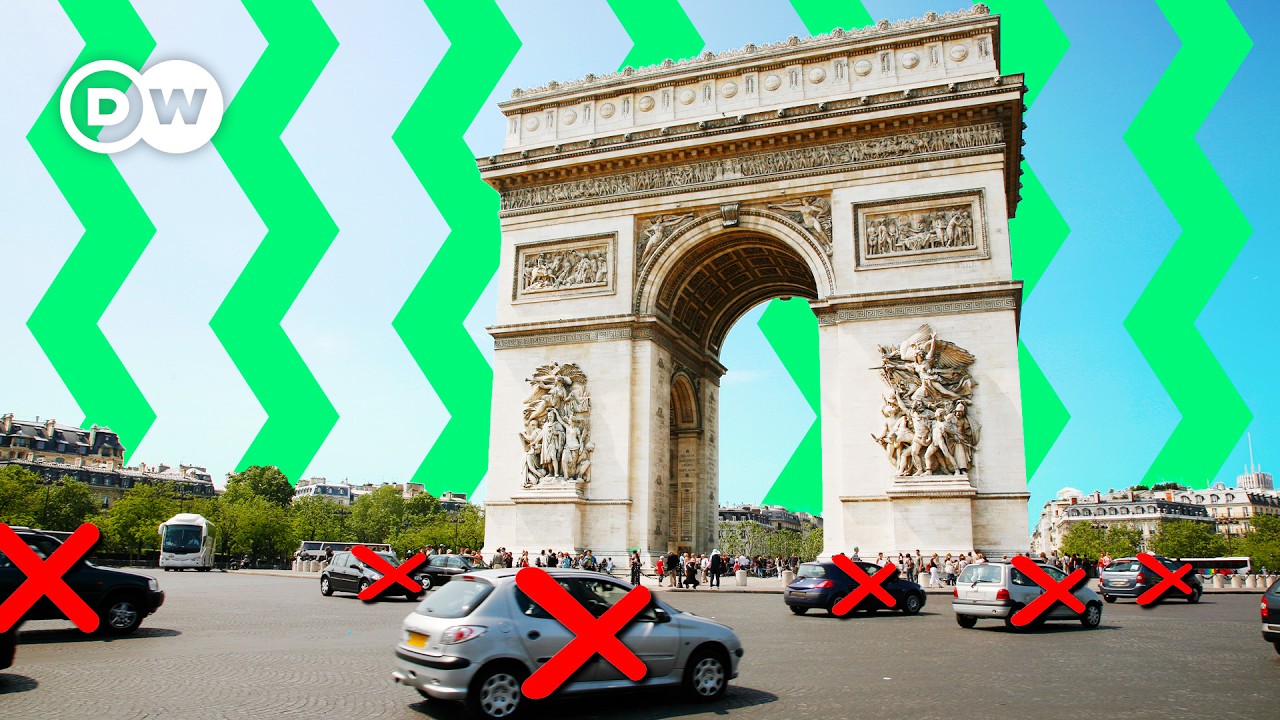
Mostly it's one car, one person, a tonne or two of metal that takes up 130 square feet of space, more or less. The main issue of cities is that they are suffering from too many cars. Excessive traffic, the noise.
. . It's very difficult to stay calm in such a stressful environment as a big city.
So often we design the city with a view to optimising the city for the paid daytime labour market. So we think about, how many people can we get into the city in the morning and out of the city in the evening? Rather than travelling in from the suburbs to the centre to work, shop and socialise, the 15-minute city takes a different approach.
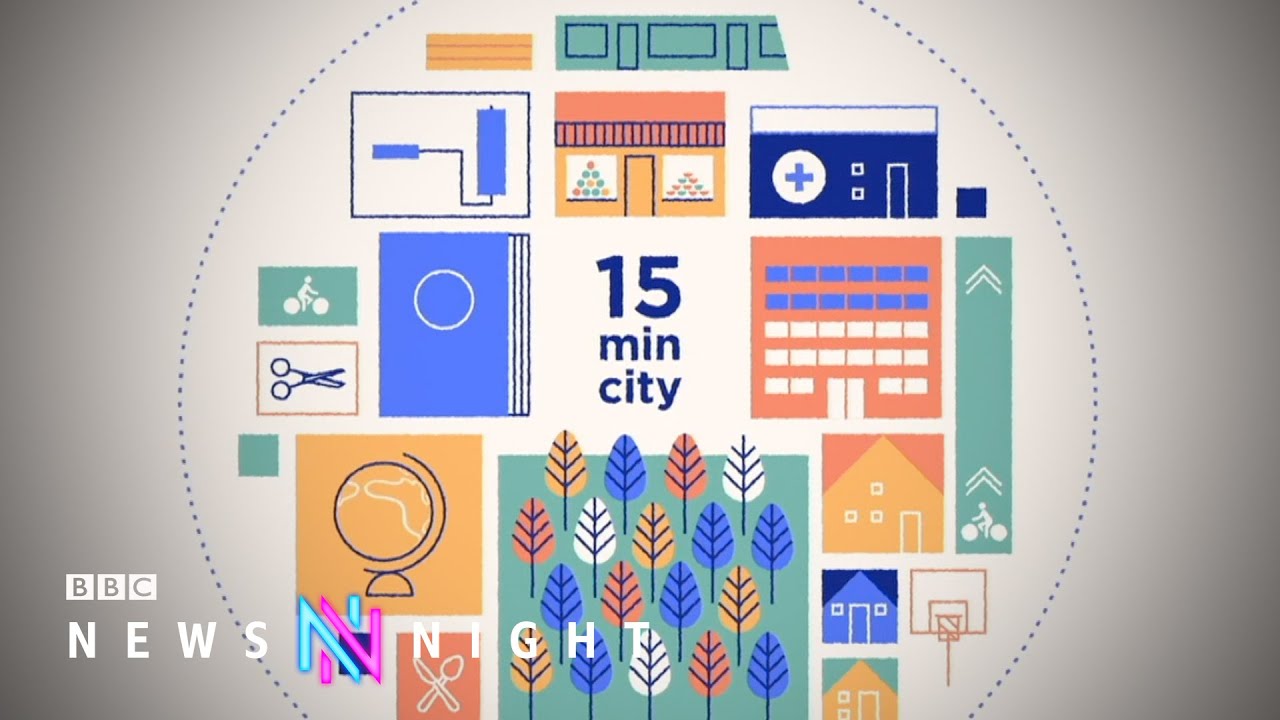
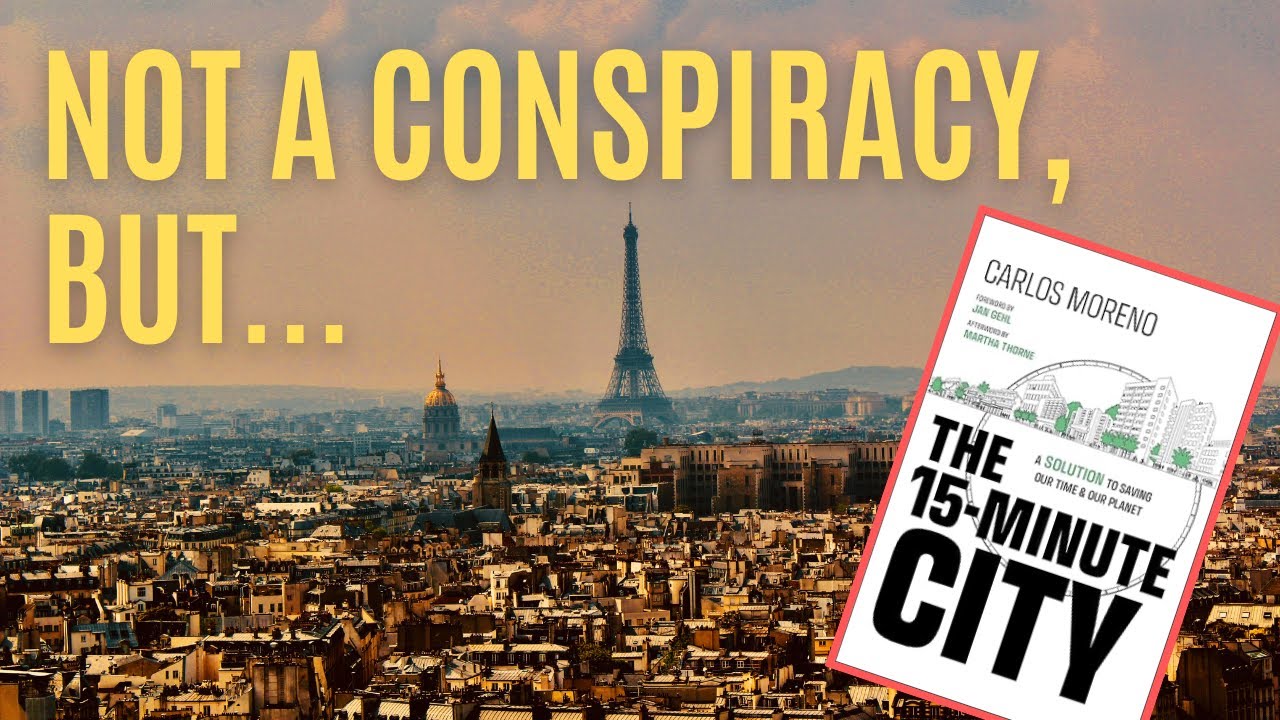
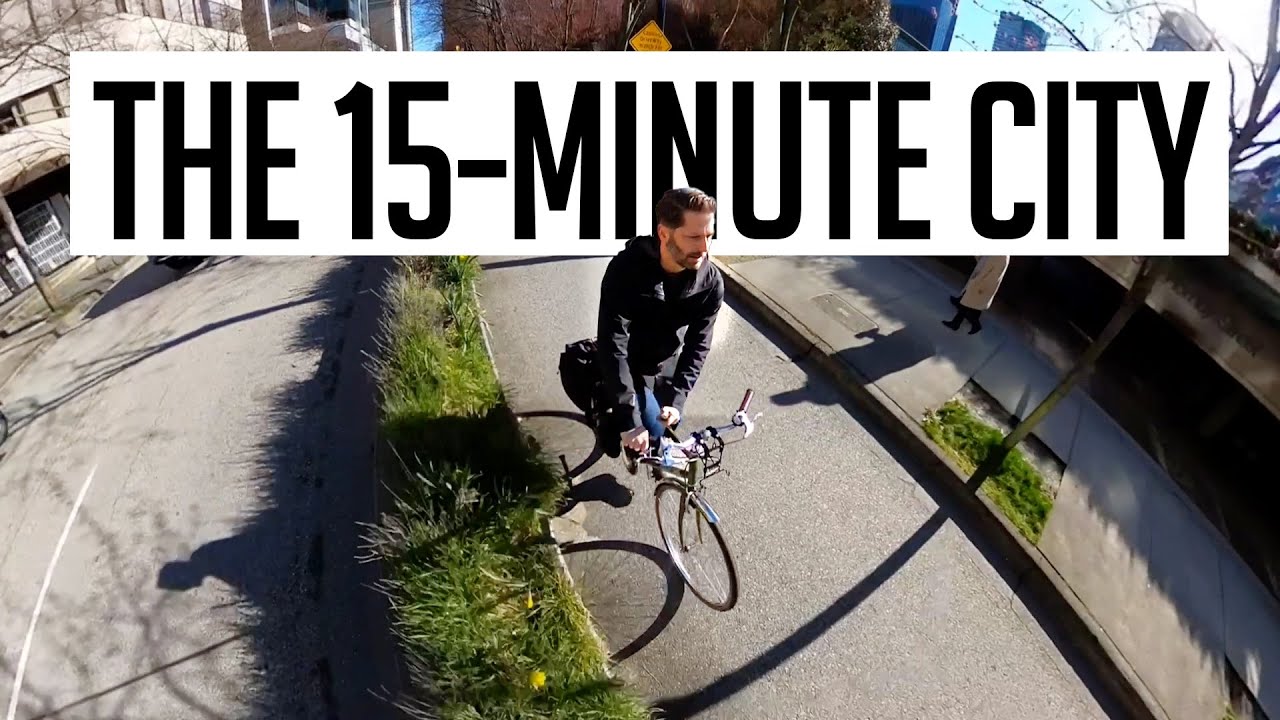
The 15-minute city is a really simple concept, in many ways. It's really just saying that every urban citizen should be able to meet their basic needs within a 15-minute walk or cycle ride from their house. The concept of the 15-minute city was proposed by French-Colombian scientist Carlos Moreno, and aspects of it are starting to be adopted in cities like Paris, Barcelona and Bogotá.
It's been described as a return to a local way of life. New technologies creates a lot of opportunities to work from home, to do more things in the neighbourhood, to get rid of this separation of work and living. That also would reduce the pollution that goes with traffic.
The 15-minute city revolves around three basic principles. Before the Covid pandemic, the average UK worker spent 400 days of their lives commuting. That's enough time to read the entire Harry Potter series 159 times.
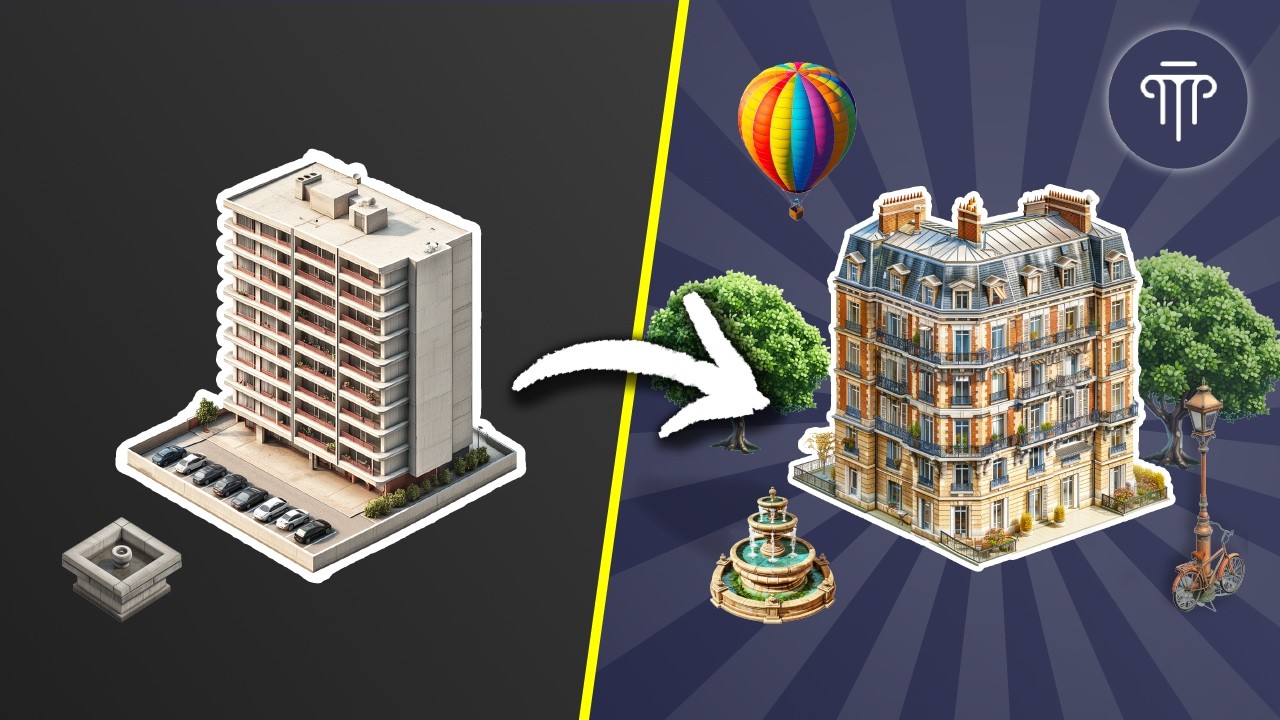
When we foreground infrastructure or we foreground cars, we strip out the thing that makes the city the city, which is the interaction of people and creation of culture. When we get rid of all those parked cars in the roads and all the traffic, we create lots of space for greening the city with trees and this also creates lots of opportunities to meet your friends in the street. My favourite thing about living in the city - the quality of public space, which encourage you of spending a lot of time outside and meeting with other people.
Implementing the 15-minute city would mean a significant redesign of our infrastructure. Is that feasible? In many cities across the world, we've had kind of 50 years of planning policy that is about zoning, which is about separating different types of activity in the city where you would go for shopping or for work or for home life.
And so to be able to make that kind of pivot into a 15-minute or a localised neighbourhood is a huge stretch for some places. The concept of the 15-minute city also has its critics. Some fear it could ghettoise poorer people whose neighbourhoods don't have the jobs and amenities found in more affluent communities.
A lot of places do not have enough infrastructure, especially places where low-income groups live. And it's a major, major wealth and economic gap there. It's clear that there are different levels of liberty and freedom to access public space, depending on all sorts of categories of identity, including gender, but also race, also levels of poverty.
We have an imbalance about who gets to shape public spaces, who gets to make those decisions. So if we can democratise that and if we can open up and have more participation about what kind of spaces do we want to live in, then we have more likelihood that our spaces are going to suit more people. TON VONEHOVEN: Currently we have a very strong decline of biodiversity, partially due to agriculture practices, but also because of urbanisation.
If we green the city, we create more opportunity for rainwater infiltrating in the soil. That will also enhance a healthy ecosystem and I think if we look into the future, the next generations, what do we want to have those people experience - a rich biodiversity or a poor biodiversity? This is the choice that we have to make, and with the 15-minute city, this is a way to solve this crisis.