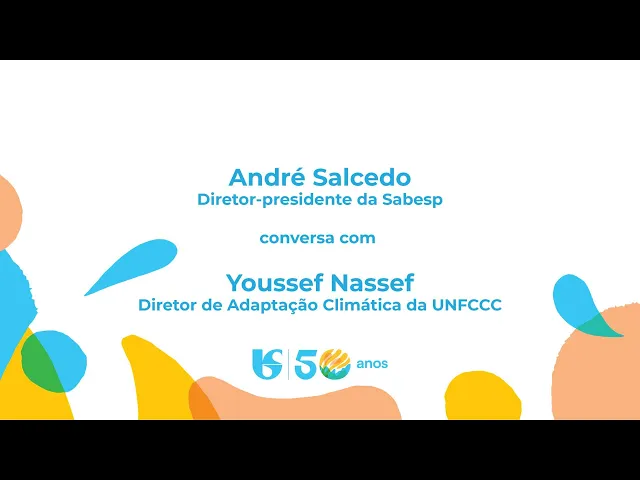
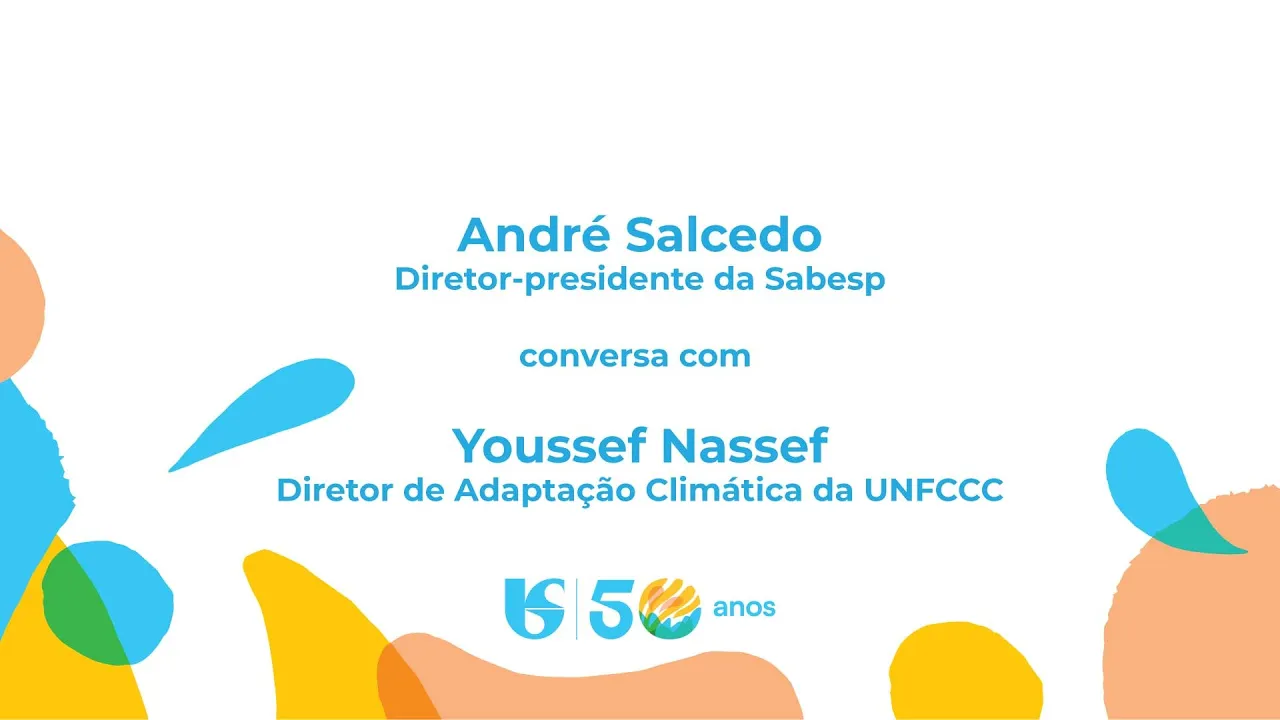
uh youf it's great to see you again uh thanks for your time for the cooperation and on building up this this uh this partnership uh like also to to thank the team from uh unfccc that was involved on the engagement for for establishing the partnership between SA and unfccc and also recognize on our side all the efforts that was uh put in place to to build this partnership and not only building it but also uh making it work as we've been doing since uh uh the the cop 20 20 28 when we first met uh
on our side uh this partnership is very important in the Strategic uh as we mentioned uh uh when we met we have a lot of of things and challenges es uh uh in Brazil things being done uh that we could collaborate and and and also learn from uh all the unfccc unfccc network uh that we could work uh we could act as a multiplier of knowledge to to all this this network and really established uh uh uh New Concepts and and patterns to to address similar problems and challenges that we have in Brazil uh in
other places in the world so uh using uh this platform this worldwide platform to to engage to to build relationships and uh share knowledge uh amongst all the people that's involved on the challenges of bringing water and and sanitation to poor people and and uh universalize the services uh throughout the globe is it's a it's pretty much a challenge that we'd like to be part of and contribute and again learn from other examples uh uh throughout the world uh hence uh the resilience for cheers initiative is also something that we we are very keen of
being part of uh in s Paulo and also in different places in Brazil we've been through uh climate uh uh events uh that was not part of our our routine uh just to give an example uh in the area of s Paulo between the years of 2014 and 2016 we have a major drought that affected the all most of our operations in the city of s Paulo and the Metropolitan region that really demanded a lot of investment on our side uh uh it generated a lot a lot of knowledge and acknowledgement that climate change is
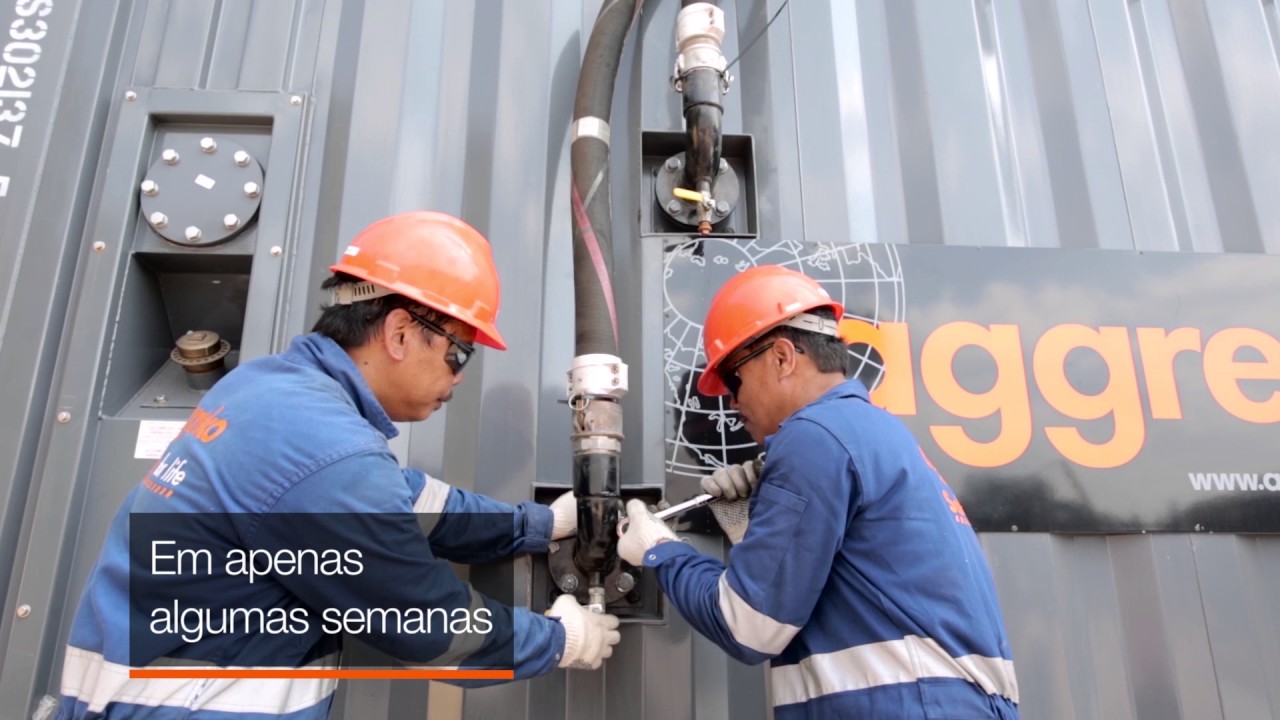
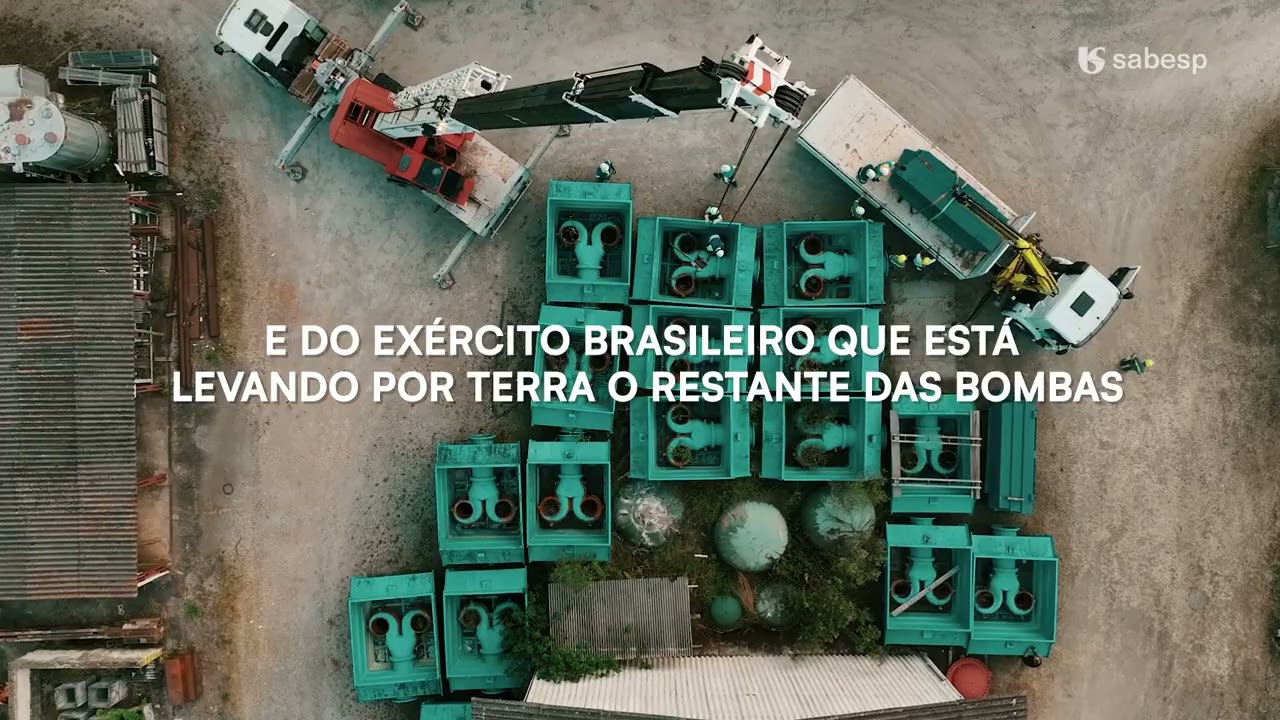
something that's really part of our reality and we need to prepare and act to to reduce the impact of this climate change that's really uh uh already in place uh and recently unfortunately uh several days ago we have a major flood in the South part of Brazil and uh using our uh our experiences uh through the the drought and uh uh the flood that happened in s Paulo uh beginning of last year we managed to to mobilize our Workforce with technicians and uh uh vehicles and supports with pumps with we big uh uh uh pump
uh uh uh um uh sets that are really can uh uh produce and transport a lot of volumes of water to help the cities in the southe South part of Brazil at the H Grand to accelerate the the drainage of the flood that really uh is in place right now there so on our side is a great honor to be part of this partnership we recognize this as an outstanding uh uh place for best to be and and really help uh other countries and also Brazil to evolve on this climate change resilience Frontier agenda and
uh on my side uh it would be very uh nice to hear from you USF uh what you think about this partnership and with companies uh how uh those partnership that were built with other companies helped unfccc to to strengthen uh this this collaboration Network and uh promote the agenda uh on the climate change uh uh uh matters thank you well thank you Andre it's always a pleasure and we we are also very proud to have this partnership with sesp a very unique utility company in area of the world where we we really want to
engage especially that Brazil will host um the upcoming cop 30 at the end of um next year in in the city of BM um now now these Partnerships between the National process and the private sector are immensely important because we do not want to exist in a silo without having those bridges with actually the people who are doing the work who are doing research and develop development in advancing um the knowledge and the the processes to address these challenges and you mentioned challenges but let's also look at them as opportunities so where do we want
to land in the end and how can we collaborate and build bridges in in order to achieve that final Landing Zone whether it's achievement of the SG on water and sanitation or those objectives under the climate change agenda and and the idea is um for us to make sure that the international process creates the enabling conditions for the entities that are engaged in this sector to be able to do uh good while doing well so aligning with the objectives of sustainability but at the same time doing good business and as the word changes from one
state to another from a state of lack of sustainability um uh what we call an extractive relationship with nature where we we exploit nature just as a resource up to a state where there is that Synergy symbiosis with nature regenerative relationship with it where as we conduct economic activities we are actually benefiting the world and its ecosystems that transition can happen in a way that ensures that the companies we deal with are also benefiting business-wise and so several objectives in in our Partnerships number one is to make sure that we are helping um the the
companies with which we partner to be resilient themselves to protect their own operations from the adverse effects of climate change and it differs from sector to sector from region to region so that conversation is really important um a second thing is to identify and catalyze opportunities for public private Partnerships whether between the companies and the governments in the countries in which they operate or also with the International System as is the case with saesp and unfccc because then New Opportunities can emerge both for advancing the thinking advancing this intellectual space within which we operate in
the case of resilience Frontiers it's about long-term thinking about Landing zones what does it mean for the world to be fully resilient in in in water taking into account all kinds of complexities and levels and and transboundary aspects Etc so that we know how to measure progress towards that desirable future um but also there are opportunities within um within countries so you might have have heard of the floods in in Bangkok in the year 2011 where companies lost in excess of 40 uh billion dollars as a result of that flood and then thought experiment would
be okay if there was a partnership where as part of their operating cost they could have contributed to the resilience of the city maybe they would have gained a lot more than what they would have invested there so it is our job here through these Partnerships to try to identify these new Innovative and novel ways to catalyze these types of of engagements between partners who may not have talked um with each other before and and we're certainly hopeful that our engagement with with SB with sbest which is actually really productive so far it continues to
push that envelope and to become a model for other entities working in the utilities sector and in water in particular thank you very much uh youf and we are pretty much aligned on on on our views in regards of how can uh a water and sanitation utility contribute uh not only on the debate but with examples and and opportunities that we've been uh seeking to address and and and again um uh if we think broadly uh water is basically the main vehicle that climate change materialize uh uh either to to floods or water scarcity or
pollution uh every everything that happens to climate affects water and the way the the cycle of the water uh uh is changing uh dramatically uh uh waves of heat or waves of of of of drought with a lot of rain in in places and times that it didn't have happen in in in in in the same volume so uh when you think about uh the role of the water uh uh to achieve the stgs and we think broadly uh water affects basically most of them when you think about uh in in in developing countries that
does not have all the the structure for water and sanitation we have access to all the population uh What uh bringing those types of of of uh infrastructure Ure is a is a way of of of creating social inclusion to to promote uh a proper uh uh uh work and access to education to reduce or increase the the the sustainability of the Cities I I could go all the way through the the SGS and show how water could be a a a a a lever a way of of creating those to establish the the foundations
of of a better Society uh going Way Beyond from West dg6 that's specifically related to to water and um on our side uh best look at we've been trying to to Really connect all those dots uh in Brazil and and promote uh uh a different way another way of accessing uh uh water and our uh Power to to contribute on reducing the the effects of the human uh uh population or several uh uh environments um through all those 50 years that saas has been uh uh working on the water and sanitation services uh we've been
very keen on on establishing and building uh the best in class uh infrastructure for Water Production for uh uh sewage collection and and treatment and what we've uh we've been working through those those two years that we've been in place here is to we really enact and and and build another level of thinking about uh the circular economy how can we as a water and sanitation uh company uh Implement materialize and and and really uh create the concept and apply the concept of a circular economy uh we are very in a very specific sector where
we we are responsible for uh uh producing bringing the water to to our treatment state treating it bringing the water to the consumer uh collecting the byproducts of the water consumption to a treatment station treat the the waste water sewage and give the water treated back to the nature so a very specific uh economic activity that has all the cycle of the production already in place within uh its responsibility so scaling that up and trying to uh uh create uh uh and develop new businesses in relation to those activities is something that we've been uh
uh uh very enthusiastic of putting in place just to give an example that we we are doing uh uh is changing the concept of the waste water and dash sewage treatment station uh what we've done so far is that we treat the water we treat the sewage we separate the sludge the the the the the Recycled water and give them proper uh treatment bringing the ledge to landfills and that's it what we we've been studying for several years in in Pilots uh in several places in the state of s Paulo is that we can produce
energy by uh uh collecting the biog gas from from the biod digestors so we can uh reduce the the the amount of Bio gas that go to the atmosphere and and therefore produce energy and heat and the heat can be reinjected on the the biod digestive process and accelerate the process of producing additional gas and produce more energy that's one thing that we've been scaling up in our in our uh uh uh stations another thing that uh is also related to to this process is the is the the sludge is very rich on on on
on uh fertilizers and and and phosphorus nitrogen and things that we could apply to to agriculture so by applying specific process with with certain amount of heat we can drain and reduce the volume of the sludge and also create a biofertilizers we already we are already running this kind of of process in a city with in the state of s Pao called Batu in partnership with a university and there's another opportunity for us to to scale that up in those build facilities that we have uh in the metropolitan region of the city of s Paulo
to uh reduce the amount of sludge that we sent to landfills and create an additional economic activity that will also improve the the performance of the company allowing us to accelerate uh the capex that we need to do and be more efficient in the process so it's very uh it's it's is a tangible opportunity that we've been seeking uh uh in the in our operations that materialize the the concept of water secularity uh combining it with with uh additional value additional generated value to the not only to the company but also to to the society
and uh in in that regard uh thinking about the sanitation sector and the role that unfccc as you mentioned as a a catalyst to to to to generate uh uh knowledge and share knowledge uh uh to different part parts of the world how do you see uh the role of Sanitation companies uh in this climate change agenda on uh the perspective of the partnership with unfccc and the the the broader view that you have for this agenda to the world well I I think you you've outlined really great work in how SES is Greening the
sanitation business um so that concept of of doing good while doing well and um in this regard there are several areas where sanitation and water um appear in in the unfccc process most prominently I think is the relationship to human health and um like I said we we don't have um we we cannot afford to have silos between the different sectors because they're all interconnected and climate change as much of a challenge as it is it's also an opportunity for building uh Bridges across so um the health sector can very easily through being catalyzed by
climate action be a contributor to advancing um the work on water and and and sanitation um especially when it comes to dealing with the aftermath of extremes um where sanitation is really an important part of that recovery uh process and and we've just created a massive loss and damage fund um that is going to be entrusted with responding um to the needs of vulnerable communities after such extremes happen and we would certainly uh in that regard be relying on the companies that are operating in situ where um these um uh these impacts happen um the
question of access to clean and safe portable water it is one of um of the main Landing zones or targets of the global goal on adaptation which was adopted in Dubai last year and um and certainly um this is a a very ripe area of work um that can be lend itself to Partnerships between um the International System and companies that are actually doing the work um on the ground and the implications of this on equity and on Justice is also very important that's a big um aspect of climate change works so this is the
second thing um we have a mandate from the global goal on adaptation for sanitation systems to become resilient to climate change and that has a linkage to what we call National adaptation plans so each country um in the developing world will be providing a national adaptation plan Brazil has already submitted one quite a while back but this can be revised and these plans are then submitted to the financial mechanism for support so the financial mechanism of the convention especially the G the green climate fund is mandated to support the formulation of the plans but also
the implementation of uh the projects and and and the program and so in so far as a country would have prioritized water and sanitation that opens the door for an influx of resources for the country to make sure that its water sector and its sanitation sector can address the additional impacts of of climate change and uh I Mo most importantly now very innovatively um these green um uh uh processes that you outlined and the link with ecosystems um whether Wetlands or otherwise um are certainly a very important component of nature-based solutions that um that can
be supported by the international system given their contribution to resilience and adaptation to climate change so so many different moving Parts here they all belong to to that uh holistic label of of water and sanitation where there's massive interest from the international committee and mandates for the International System to actually endorse and support actions in this regard and you have uh at the national level and subnational level um the companies utility companies public and private that that um that can actually do the the the biggest part of the value addition to achieve that vision of
resilience um towards climate change but resilience generically because even without climate change we're still not at a stage where the world is comfortable with with the objectives of the SGS especially sg6 so so yeah and and I I really recognize the the uh your statement earlier on how sesp has been helping with with the recent floods in in in Rio Grand and um and in this regard perhaps you might want to reflect on on the experience of of saes as as the the biggest water utility company in Latin America and how the lessons that you
have there can be expanded um both within your country within Brazil but but actually Beyond do you see opportunities that that can uh lead to scaling up and replicating S scaling also where we can help provide exposure to that and and and shed more light on on the opportunities that you can provide through through that replication uh great Point uh as a matter of fact yes uh you know we're very uh keen on on doing so uh we've been uh for I think given our scale and the ecosystems that we operate uh we operate in
small cities uh uh with have water scarcity uh uh water availability through underground reservoirs we operate in the coastal area with very dense area such as the city of s Paulo and the City of Santos and and those Metropolitan regions so we have a lot of experiences on dealing with challenges and also opportunities uh on those areas and that's is very unique when it compared to other Utilities in the world uh either we have uh developed countries utilities with different uh challenges or you have uh lagging countries with with a lot of things to do
uh and it still doesn't have the the proper uh governance or the frame regulatory framework to operate within uh and I think uh in on our side we kind of have a foot on different on different sides because we we are leading utility of of the world in a sense that we are uh have scale we've been doing that in in a very uh uh uh uh efficient way for over 50 50 years uh we have a very advance and we are improving uh this regulatory model uh uh this year so we can share the
those experience how we align the visions and the interests of different stakeholders to to really focus on providing the best Services uh on the view of our clients reducing the impacts of our presence in in the environment and also being efficient when you think about this holistic view of uh not only social inclusion but circular economy and uh uh water resilience those are the three pillars that we have in our concept of the ESG agenda and our uh uh the way that we operate and the way we think of our investments uh looking forward so
uh what I was was talking about is that we we have experience to share with uh developing countries that are lagging their they in earlier stages uh than ours on on with when we think about uh the all the the things that we've already been through uh the uh uh concepts of cular economy the experiments that we are doing the scale that we have and the the regulatory framework that really allows us to invest and and improve the the the the the systems with uh without the needs of uh uh of payment from the government
to establish those service which is is very good so we can have a an activity that is independent and and economically feasible uh without the support of of the government paid directly by by tariffs uh that's I think that's that's a good B when we think about uh social infrastructure uh of water and sanitation and also on the other side we've been investing a lot throughout the years on Innovation and we've been sharing with developed countries uh everything that's been done uh throughout the world with uh uh countries from Europe uh uh uh North America
and also Japan and and countries from Asia uh in regards of water recycling uh improvements of systems uh using uh uh AR IAL intelligence to to to make our systems more efficient and also uh deal with uh uh challenges related to our client base so in general when we think about the way that sabesp can uh can share those experience with different types of of counterparts is very unique um again in uh considering our scale our our experience and and the way that we've developed ourselves uh throughout the time and uh I can just mention
several things that we've been doing uh throughout the years and and and and are examples that we would love to share with other countries we have a program called uh silon a hge connect yourself to to the network that basically allows us to to invest and and and establish the the infrastructure uh inside the houses of of poor people to connect the sewage system to our Network that's very unique we don't see that happen in other places in Brazil or uh elsewhere in the world we have also AAL that's called uh in English legal water
uh that uh connects uh clients that basically they they they're getting water for from different sources maybe our pipelines without having a proper uh connection a legal connection with the company so we we we we bring those people to our Network and that not only uh connect them to to to to our Network that we can assure that that is portable and and proper for human use but also it's a way of social inclusion they they get a uh they get a um it's very very U important they they kind of have a a regular
address that they can use as a reference of where they live so uh uh our role basically basically uh materialize uh uh the the the very uh basic uh mean of social inclusion is giving the person an address that can be used uh uh uh to to uh uh ask for for uh uh uh deliveries and so on so it's very very very uh specific very very unique uh the way that uh uh in increasing our Network bring more people to our Network transform not only individual lives but also communities when you think about cleaning
the streets cleaning the the the the water streams and and bringing New Life to to a to a community we have a lot of examples uh in that sense what we we did in at hos project and we are doing at hot uh those uh activities will affect uh in a broader sense over three million people when when we connect start connecting those those those house to our Network and and and really clean those Rivers all the community benefits from from that uh and we also act uh with a social support uh not only bringing
knowledge and and and uh uh uh telling how important to the community how important it is to keep the community clean have a proper uh uh Solid Waste Management and and in different plac we also built uh recycling uh Solid Waste facilities so so they can bring the the waste and and generate an an economic activity uh uh uh by cleaning the the the streets and and and the water streams so we act as a as a a promoter uh not only bringing uh the water and infrastructure but also bringing knowledge and the means for
the community to be self- sustainable and and and and develop the themselves to the years and what we've seen so far is after our presence uh the the overall Community uh uh uh pattern improves a lot though the the there's a lot significant reduction on on on child absenc on schools and also uh the fathers that when the child is is sick they they cannot go to work there's also a reduction on that so the the potential of development not only social but also economically of our commun that when you compare by having or not
having a proper water and SE uh uh infrastructure is very different and that is a is is something that we would like to to to learn from from other places but we can also share our experiences on that sense so uh that's basically on our side our our expectations on on on on establishing this partnership creating this uh uh uh knowledge sharing uh uh community and and and relationship with unfccc and and its partner partners and um we are very keen of on being partner on next cops uh not only this year but the next
year in Brazil in the heart of the Amazon so we'll be able to not only share what we've been doing but also promote Brazil as as a platform for attracting investment uh uh related to to climate change and and and and and and and climate resilience um and uh I would like to hear from you what are your expectations from from uh cop 30 in Brazil well thank you very much Andre let me build on on what you just said because uh I was listening with with great admiration to uh the impact of of some
of those initiative you just mentioned and realizing that SES is not just um a company that invests in water and sanitation but also in inclusiveness and equity ultimately with with the with the the secondary impact of what you're doing and that that is really the gist of of what resilience Frontiers as an initiative does it's not about individual sectors but moving the world towards well-being and as we move towards cop 30 um we're we're also touching on this a bit in that that will be the culmination and the end of of the current work program
on the global goal and adaptation which has seven targets including one on water and sanitation which calls for minimizing water scarcity attaining climate resilience in water supplies and in sanitation but also access to safe and affordable portable water for all and the for all is is is the Clincher here it's not 50% it's not 30% uh the idea here is that we are mandated to um to achieve full resilience in many different areas in including water and sanitation so between now and cop 30 and it will then come to its culmination in cop 30 we
will have this work program going on to identify the exact ways to measure this both to measure the landing zones basically how do we do we decide that we have reached that level of resilience how do we measure it what kind of qualitative or quantitative or intangible indicators can be there but also to be able to identif identify where are we on the road to that achievement and many people might know about the global stock take which is basically the report card the International System gives itself on how well it's doing every five years so
cop 30 will come in in sort of in the middle period between the first and second stock deck where we will um in Earnest um be be looking at how will the second Global stock taken in in 2028 look at the achievement we've done on different areas including on adaptation and including on attaining the seven uh targets of of the global goaling which which part of which is water and sanitation so this will be really important as we go um into the the BM pop where um we will have then achieved the exact way to
measure this as a consensus of all um the countries that are participating in this negotiation but also coming up with any Global actions that can be spearheaded order to achieve these things so not to be left to each Community to fend for itself or each country but there might be opportunities for Global action just like we did with the early warning for all initiative that's spearheaded by the Secretary General of the United Nations so similar Global activities can come out with the deliberations that will go um on in the coming period on on Water Sanitation
and the other elements of the global goal and adaptation um then there's the the the the differentiation between different levels so um what should be the global aspect of these targets um because it's not always the case that the aggregation of local or national targets could become the global Target you could have each country for itself considering itself to be resilient but then because of of neglect of the global commment for example you might have reduced resilience for the world and so we'll also be dealing with the global component if the Earth was one country
would we consider ourselves to be have become resilient or not so work on the global angle of um of these goals will will be something that we will um have reached an outcome on and adopted in in cop 30 um hopefully and um and uh um other than that it it's it's promising to be a very focused cop session it's going to be small smaller than than the previous one but that gives us an opportunity to be very deliberative in our focus on really concrete outcomes from there and I think some of the priorities that
Brazil has and the the whole region the Latin American Caribbean region will um get some uh additional exposure because of the location of this session so I'm I'm pretty uh optimistic that with the momentum generated by great actions like what saesp is doing and and and other players in the region we could plant the seed for uh for certain initiatives there to be scaled up and replicated as long as they contribute to Global well-being in the way that you very aptly describe the that your company is doing and congratulations for that I really look forward
to our joint engagement between now and the cop um that will take place in Brazil and for sebes to have um a very prominent role in that cop session well uh you said thank you very much uh really uh great honor for us to to be part of this initiative and and having a role to contribute on that agenda we are very keen to to be part of it and and count on us not only on the objective but on the journey I think that uh we have a lot of things to be done and
we will be doing uh on the field a lot of things from from now to uh to by the end of next year so uh uh that Journey with your help and all the network that we we are establishing will will a major uh change uh on the the way that we can communicate and interact with the global uh uh Community uh it's a big challenge uh and to to address the that challenge we need a lot lot of different effort from different parts of the world so count on us count on sabes uh we
are doing our part we'll be very glad and happy to to help and learn from from other players around the world thank you very much thank you and we're really looking forward to embark on that Journey with you uh the journey is part of the destination as we say and uh we're again very proud to be partnering with you on this thank you Andre thank you very much see you soon