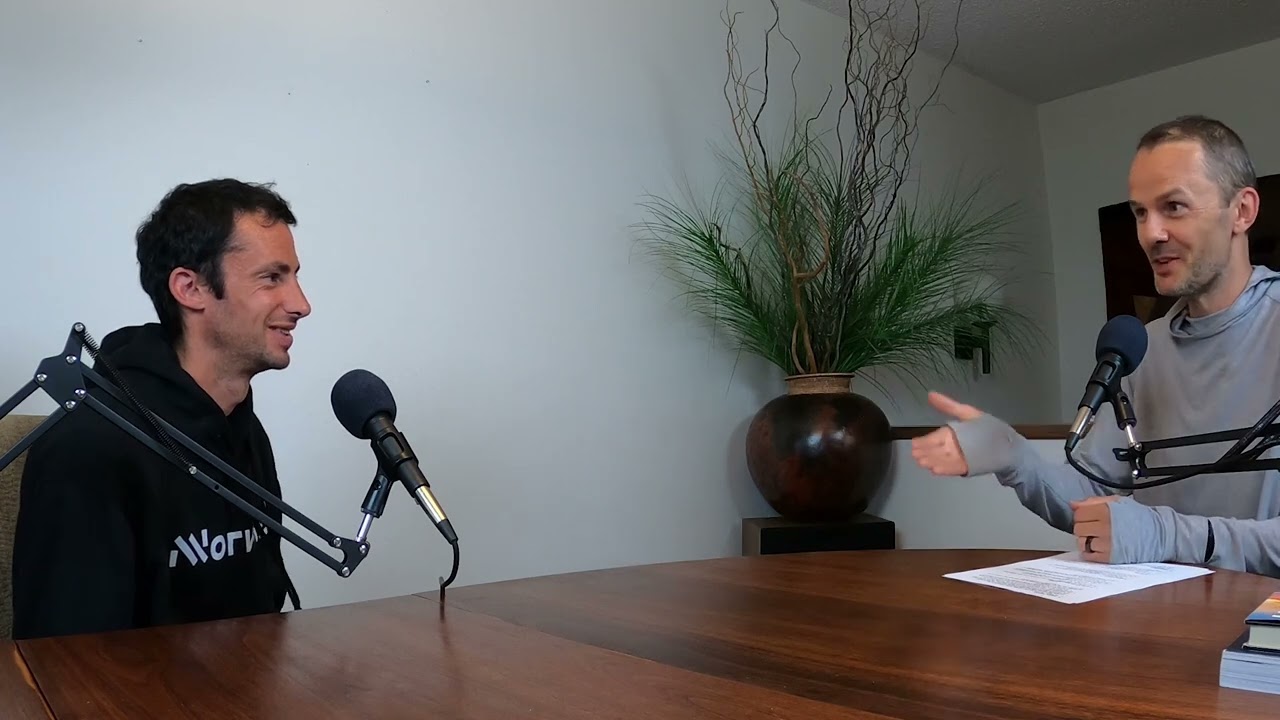
even the pros run faster when they do less recently we've seen some articles of athletes who through changing of circumstances like Killian jornay he had a child and had to adjust his training he wrote a whole article about how he changed all his training and did less and yet performed better than he has for the last couple of years in two-tonagon unpack that article today so in tutu what are some of the key things that jumped out at you when you read through this article that Killian wrote so the first thing that really stands out
is that you know so many people are afraid to not do any fast running and yet for so much of Killian's block of training he spent it just skiing in the mountain and actually just chilling yeah essentially already talks about there is doing his base block of training in the the Alps doing loads of skiing and it's much longer than I would have thought that it was and again got to stress that killing has not just been good now he's had years and years and years of development and what we see is that it's a
repetitive cycle where he spends much of his winter Block in it in this world that we looked at is from December through to about February March so you're looking at three or four months that he spends which is half the trading blog that we looked at that he spends skiing and doing essentially low intensity training you hit on a on a point then tutoring there it's like we can't discount the years of training that he's done because he's literally had this space period And whatever the training he did for 12 to 13 years and so
although he's changed the training for this season and had great performance will never really be able to quantify the difference in effect between the previous 12 years and this year in particular but what did he really change this time around and what was so different in his training so as you mentioned Kailyn had a young child um just prior to this and his wife's partner also a professional athlete so they essentially had to split the time looking after children and training so usually he would do much longer sessions being an ultra Runner we usually do
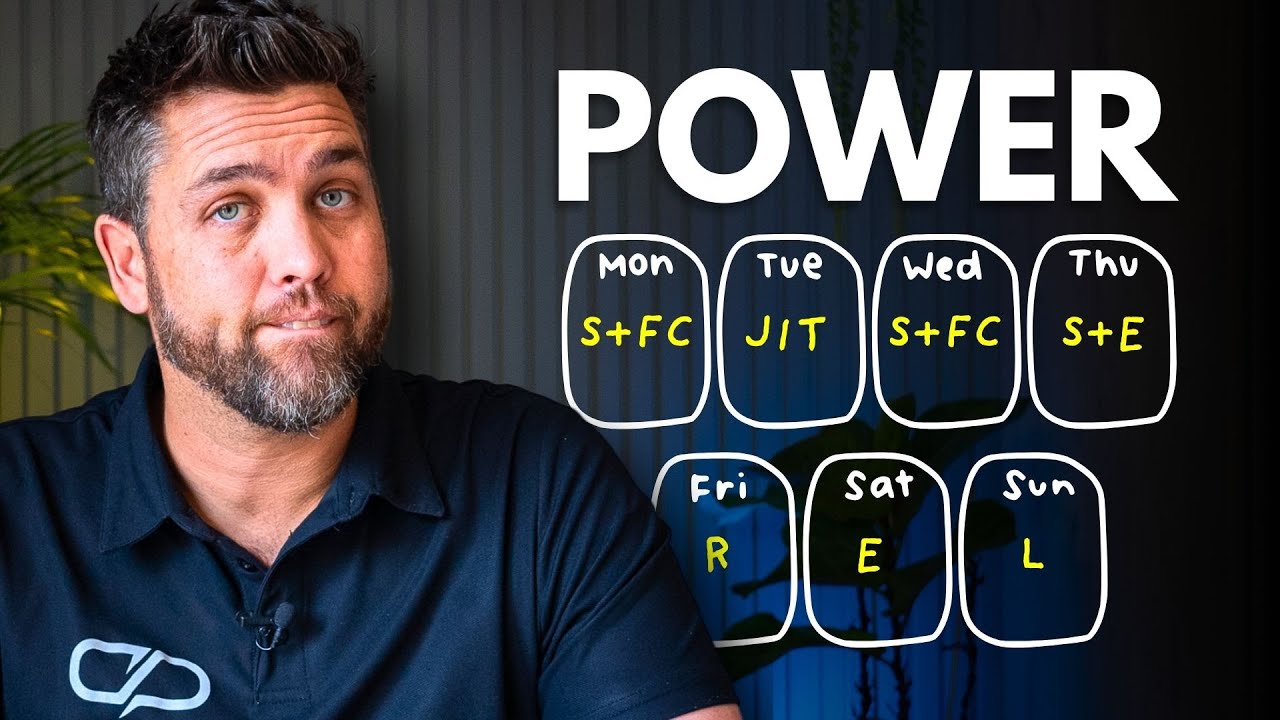
an hour PM there but his stations are usually two or three hours of running instead what he did was he did doubles but instead of doing doubles once or twice a week he did doubles pretty much every single day so he was splitting all of his running days into two and doing a little bit in the morning and a little bit in the afternoon to essentially get to the volume that he would normally get to in a single session so that's quite interesting because although the primas of the article is that by doing less he
still performed well what I take out of that is that he actually did very similar volumes he just got to it in a very different way so I mean numbers aren't important they don't really mean much to us but for him he did 180 kilometers 200 kilometers a week regardless so even with splitting his sessions you are still getting a huge amount of volume just not the long continuous sessions that you'd normally be used to seeing for someone running the businesses that he doesn't racist okay and did did he have like key sessions and workouts
that that he relied on so interestingly again with the with the limitation of how much time he had to run he didn't do a lot of long runs um I mean for him along when his relative he talks about doing two or three four to five hour runs in a block so a block from would be once he's done his base phase it's the block leading into the race so he works in sort of four to six week blocks so in that block he might do a long session one or two long sessions just to
maintain the long endurance but in terms of what he does he doesn't do a lot of speed work it's something that he's learned about himself the too much force running will injure him so he does the short repetitions that you might see the 200s the 400s he says he does four of those in a year so it's not a key part of his training what he does do is you also you realize that he trains according to the demands of his events he does a lot of uphill running so he does compound sessions that include
long uphill intervals and then immediately following into a flat sort of 10K tempo he also does rare simulation sessions and these would be a long run of 50ks and again 50ks for someone at his level is not going to be too much money they're about three hours of running at the most and then he does 30k is easy and then he goes into a 20ks at race at race Pace almost introducing a little bit of fatigue and doing his race Pace work on tired legs again because he's doing ultra running he'd be running at the
end of his races on titling so he needs to simulate what that what that what that feels like and then he does his tests which are interesting because a lot of mountain climbing he does a 2K uphill section as his test okay so really what I took out of that part of the article is the large amount of individualization for Killian himself but also for the events that he is is training for and I think for our listeners the important thing is figuring out what you respond particularly well to in training yes work a little
bit on your weaknesses but really focus on your strengths and make sure that you you train those well he didn't go through this whole training block without any problems though so here we have a guy who's trained for 12 or 13 years and he did have a little bit of injury but an important illness as he was preparing um I think he got got covered if I'm immigration that's interestingly just before what he did in this blog was he it was a interesting because he had four major races I think one of them was a
was a mountain marathon and then he had the Hard Rock 100 Milo and those were about four weeks apart and then he had a very short period at the end where he had a 30k 30k mountain race again which is all uphill and then the big one which was UTMB which is what he was actually training for and just before the 30 the 30k race that's where he got sick and again he monitors himself it's very important that he doesn't just sort of amble along through training he tracks HIV a very important measure for a
lot of people and he also measures how he feels and that sort of thing and he realized heading into the third race that he was not feeling too well and then his part tested positive for covet and then of course that involved changing a few things along the way yeah so what I really liked about that part of the article is that he put a premium on recovery he talks in there about monitoring his vitals his HRV Etc but if he does get to a planned key workout and he even if the HRV data told
him he was fine if he didn't feel fine he kicked that work out too later in the week and that's often a privilege that amateur athletes don't have because they can only get to a track on a particular day but really what that told me was that to prevent injury and to improve performance don't do workouts that you are not ready to do what I found very interesting in the article was how he approached that 30k race again knowing he's a professional athlete knowing that it was one of his key preparation events for UTM be
how did he manage himself going into that 30k so obviously leading into the race he was struggling um figuring out whether he'd be able to compete so he as we said he monitored and on race day he felt fine but on the race itself he realized that he couldn't push as hard as he could and he almost gave away a little bit of an advantage that he would have usually had and he he stuck back because it's an apple race he knew that he'd be struggling he says his legs felt a little bit tired um
and he just basically held back until he felt good he didn't run through and I suppose with these races you have time um it's not it's not a 20-minute race you have three or four hours and you can go through um stages where you feel great or don't feel great but he was again in the event monitoring himself being honest with how he's responding to the event in the day and then responding as required to manage himself so really what I took out of these um this whole article was a high degree of individualization that
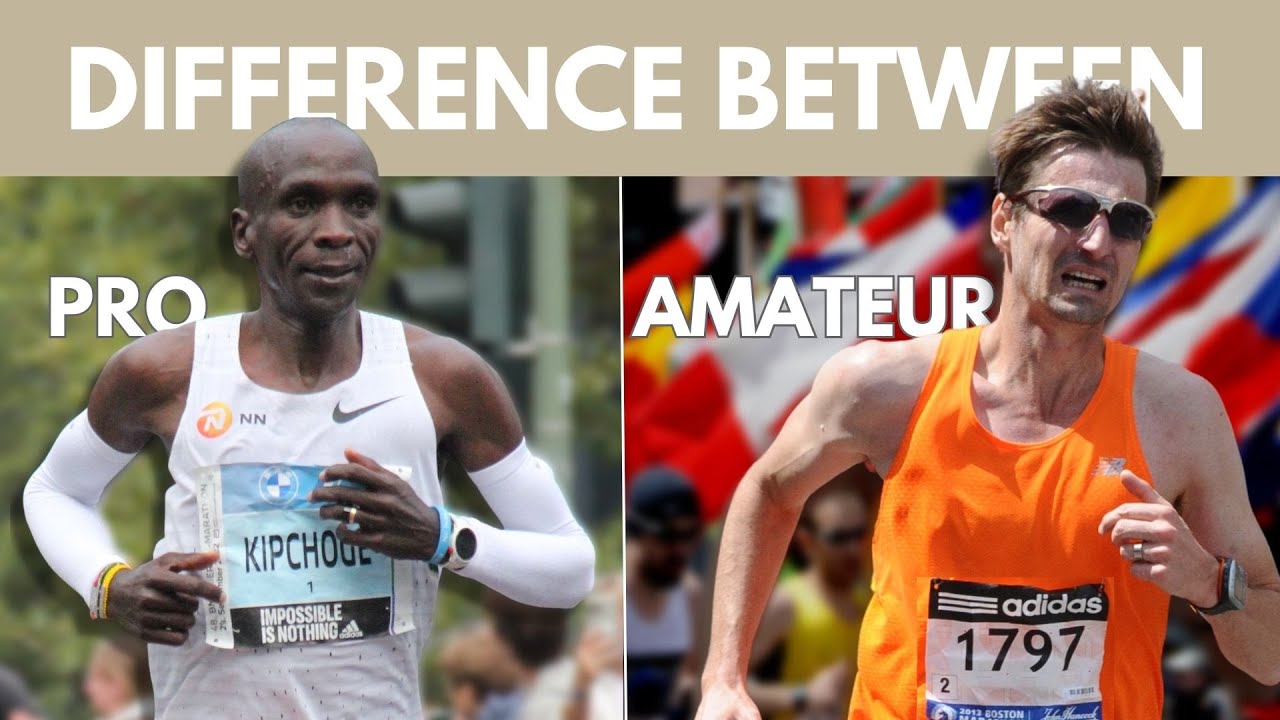
there's definitely more than one way to prepare yourself for a race and that often it is about the total volume not necessarily how we get there and crucially Killian is meticulous about his recovery and managing his recovery if you want to learn more about kipchogey's training and how that is different watch the video on screen now