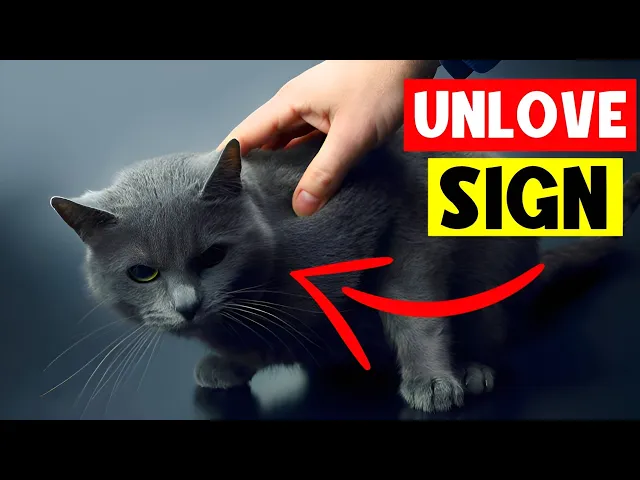
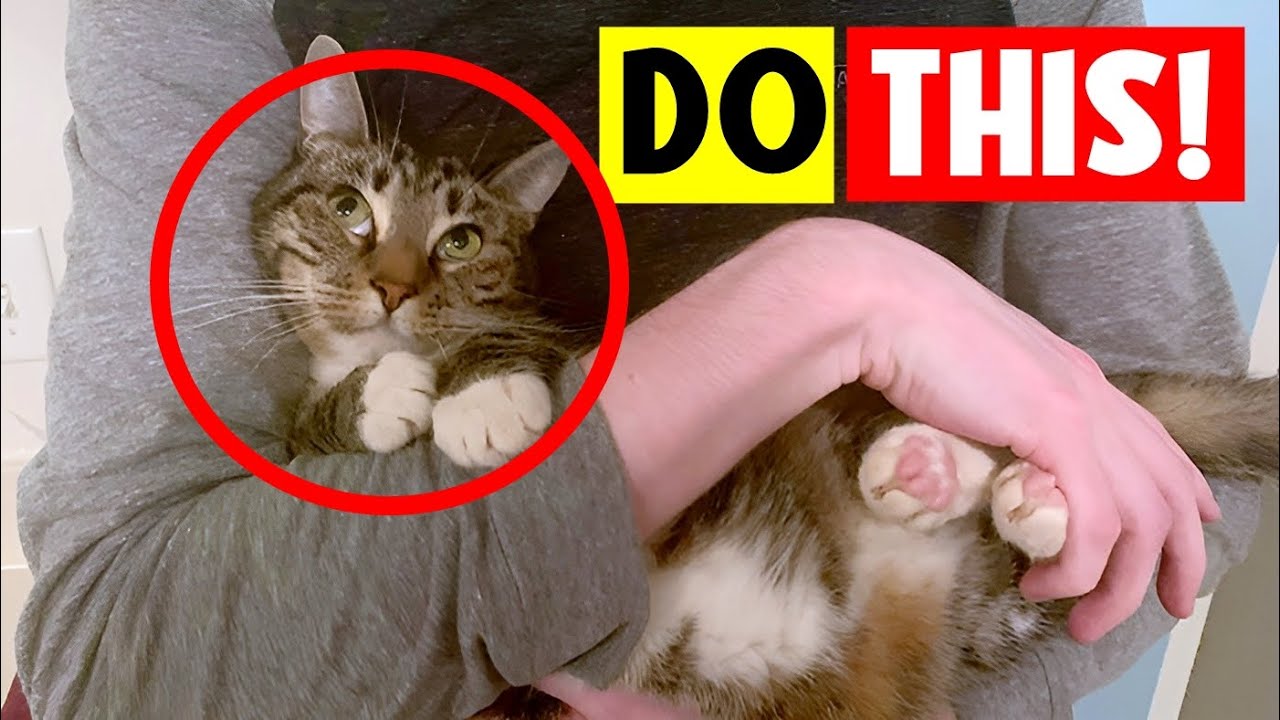
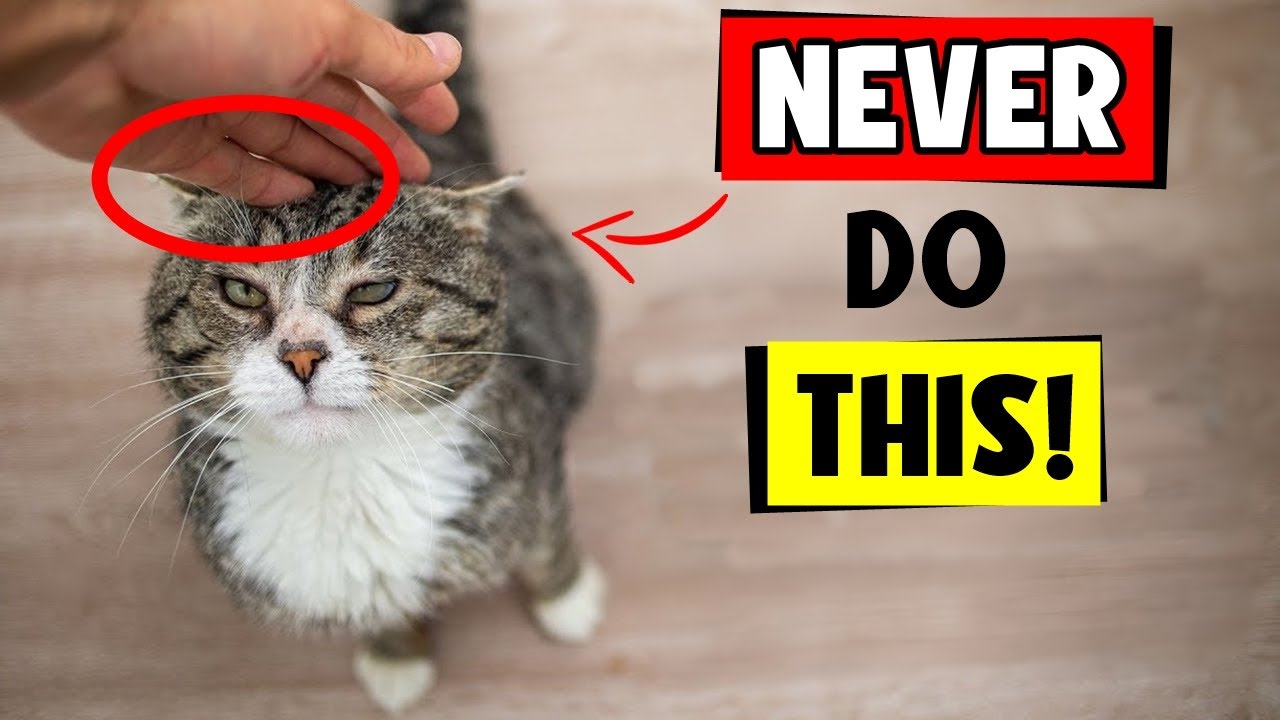
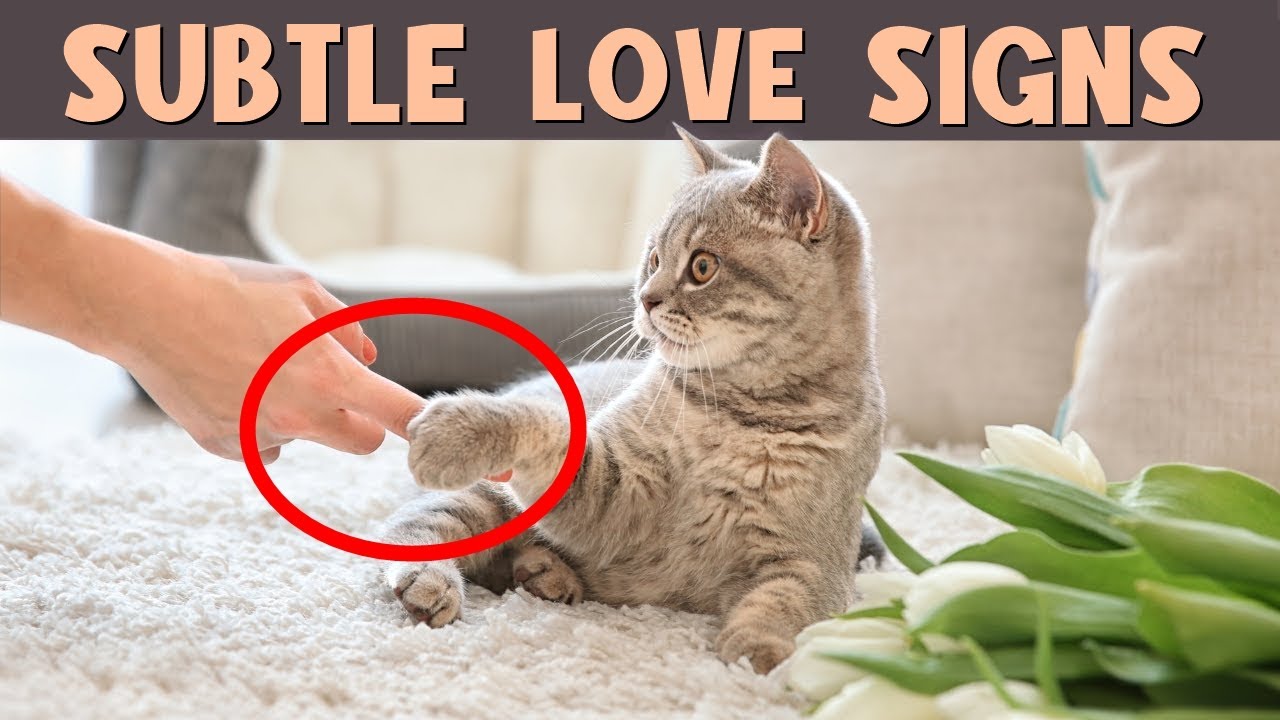
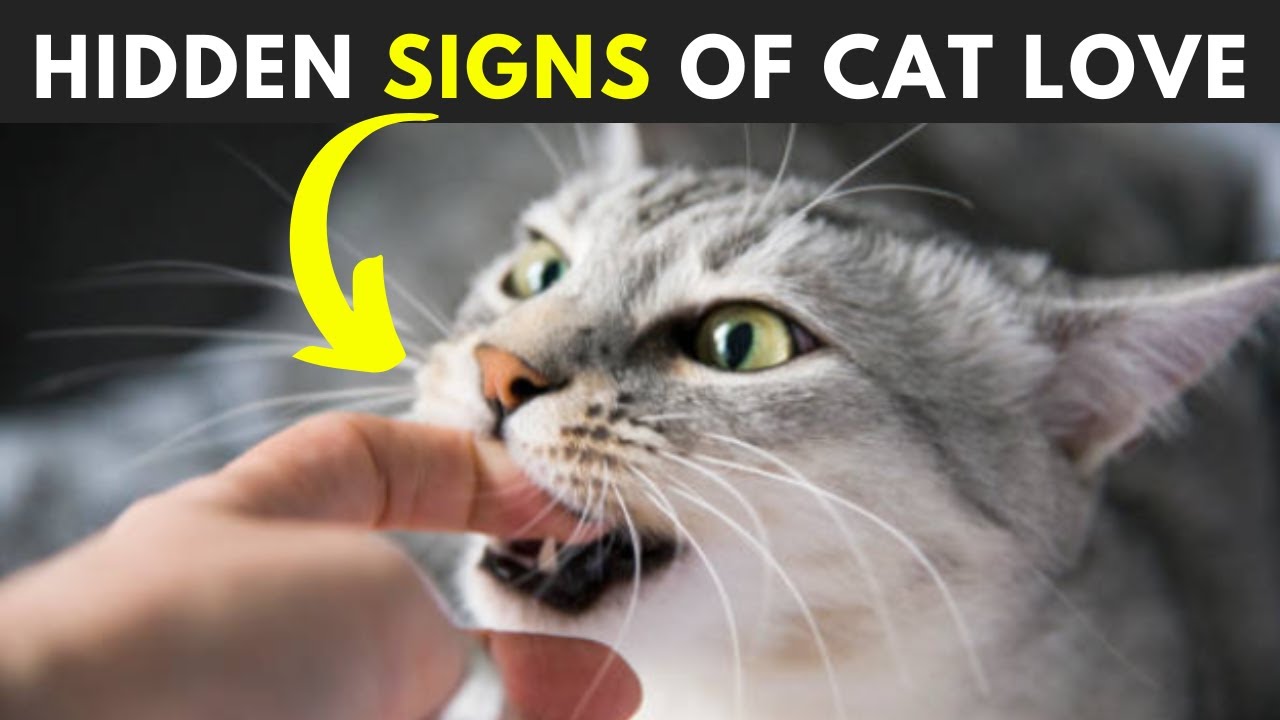
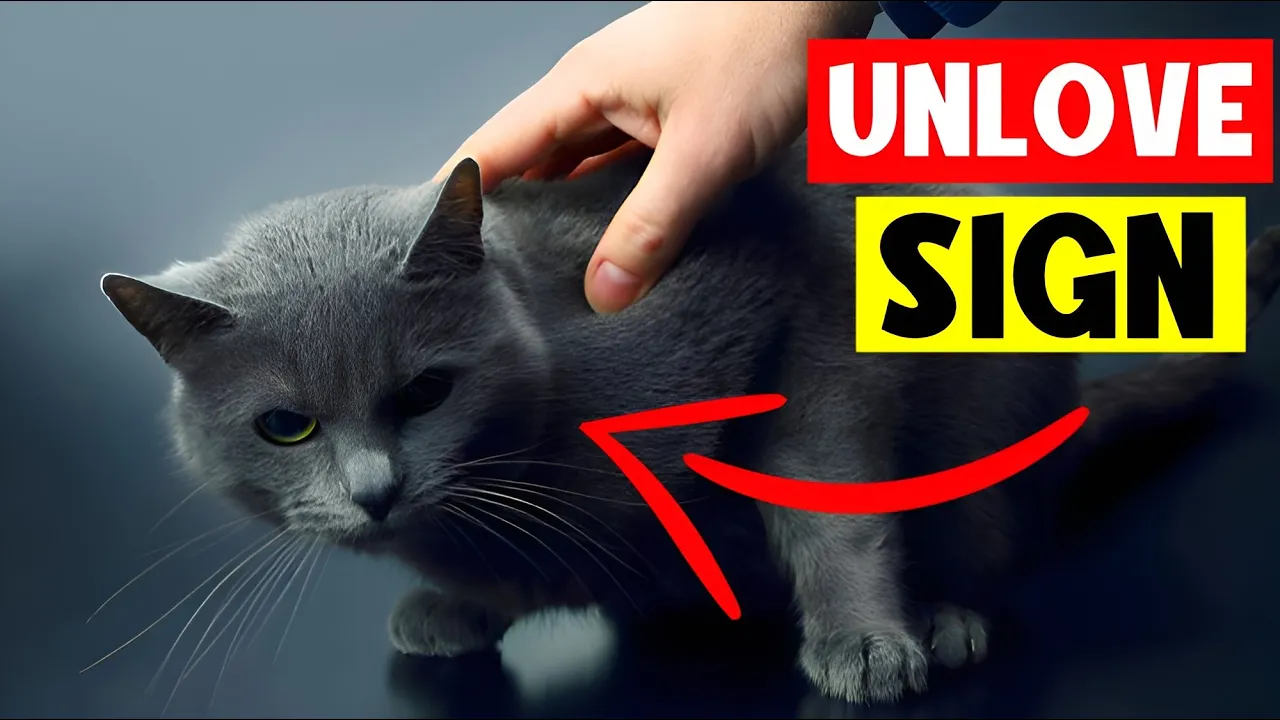
we love our cats but have you ever had a suspicion that your cat doesn't return the affection well you're not alone and you're not paranoid cats are complex animals their behavior is often a mystery that's why today we're going to expose the seven signs that unfortunately your cat doesn't love you as much as you'd like and the goal of this video is to help you avoid certain things and make him or her see you in a Different Light number one the cat doesn't look into your eyes in the world of cats much is said Through
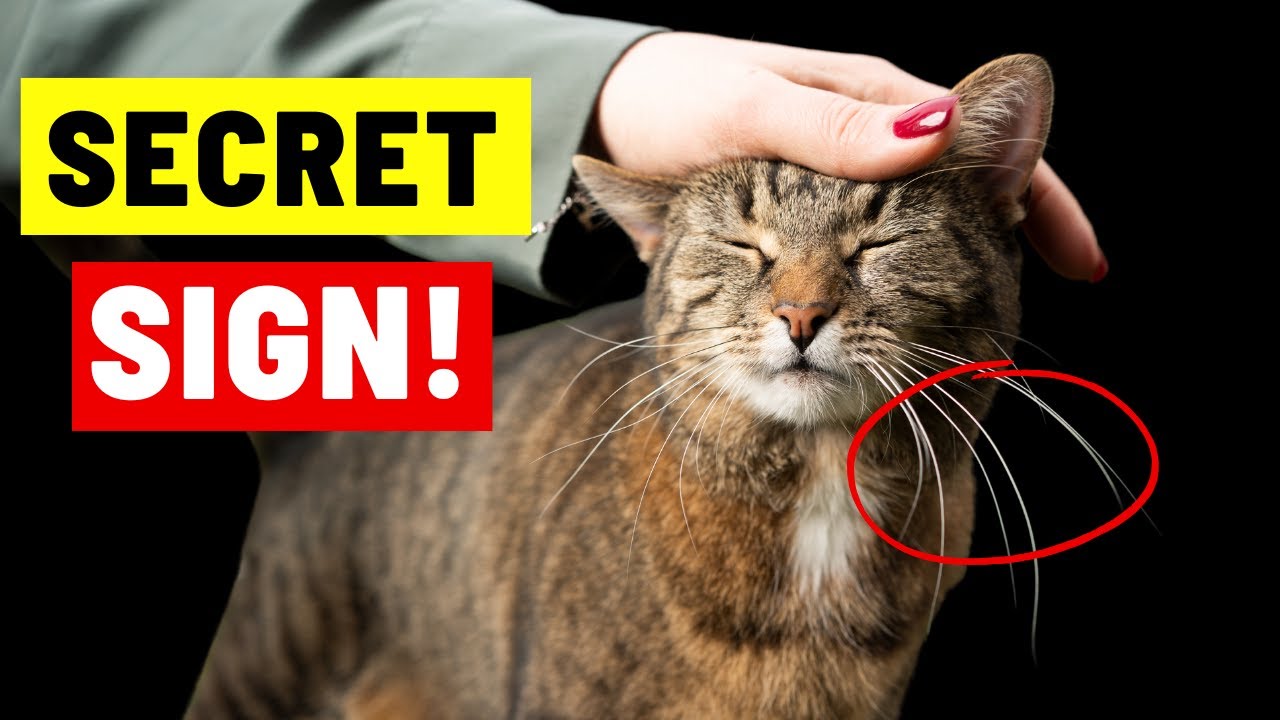
The Eyes when your cat looks into your eyes and holds that gaze it's their way of showing trust and affection but what if your kitty avoids looking into your eyes on purpose or leaves the room when you try to establish a connection it may mean they're feeling suspicious there's a specific way that cats use to show affection called slow blinking it's when they look at you and slowly close their eyes as if savoring a delightful dream according to studies this is their way of sending a kiss or giving a hug so if your feline companion
avoids eye contact or doesn't respond to your slow blinks it could be a sign that they're not feeling as much love as you'd expect number two tail wagging if you've spent time with cats you've probably notice that they communicate a lot through their tails a raised tail suggests a happy cat while a tucked tail can indicate fear but it's not just about the Tail's position the movement also matters that's where tail wagging comes in unlike the wagging tail of a happy dog a cat's wagging tail usually isn't a good sign it's like the feline version
of impatiently tapping your foot if your cat's tail is twitching when they're near you it may mean they're getting annoyed in nature cats use their tails to communicate with other animals for example a cat might wag its tail to Signal agitation or excitement to potential Predators or Rivals this can serve as a warning to keep a distance or prepare for possible aggressive behavior in a domestic setting cats continue to use their tails as a form of expression if a cat's tail is twitching while they're awake and interacting with the environment it typically indicates a state
of alertness the cat may be bothered or afraid when a cat is hunting or playing which is a form of simulated hunting the wagging tail reflects intense concentration and inner excitement so here's a quick tip next time you see your cat's tail twitching take a moment to assess the situation are they being disturbed during sleep or are you trying to pet them when they'd rather be left alone however it's important to note that not all tail movements indicate negative emotions slow gentle movements like swaying or flicking May mean the cat is relaxed and happy number
three excessive scratching cats scratch objects for various reasons not just because they're trying to ruin your furniture because they want to although it may sometimes seem that way scratching is actually a way for cats to mark their territory their paws have glands that leave their Mark through the act of scratching additionally scratching helps shed the outer layers of their claws keeping them sharp and ready for action but what happens when your cat start scratching excessively excessive scratching occurs when your cat's normal scratching routine is intensified you may see them doing this several times a day
leaving a trail of Destruction in their wake they may also start targeting new areas they've never shown interest in before this Behavior may be a way of expressing anxiety or stress imagine you've had a stressful day and find yourself pacing back and forth similarly when cats are anxious they may resort to scratching more frequently than usual as a coping mechanism changes in their environment such as a new pet or family member a change of residence or even rearranging Furniture can cause serious stress for your cat it may also be a reaction to feeling threatened about
their territory remember that cats are creatures of habit and any disruption to their routine or environment can unsettle them in some cases excessive scratching may also be a sign of health problems certain skin conditions or allergies can cause discomfort leading the cat to scratch more frequently if you notice other signs such as hair loss redness or swelling it's definitely time to visit the veterinarian fortunately there are ways to control this destructive Behavior one solution is to provide scratching posts you can also try sprays designed to deter cats from scratching where you don't want them to
and never punish your cat for scratching as it's a natural behavior for them instead try to understand what's causing the stress and address it I have a quick request to make if you're enjoying the video please subscribe to the channel give the video a thumbs up and comment on what you think of our videos or your story with your cat this helps us a lot now let's continue with the video four litter box problems every cat owner knows that cats are generally clean animals they instinctively use their litter boxes and maintain their hygiene but did
you know that your cat's Behavior with the litter box can say a lot about their emotional state when your cat starts avoiding their litter box or doing their business around the house it may not just be a behavioral issue it could be a sign that your cat is feeling stressed or unhappy maybe there's a change in the environment they're not comfortable with or perhaps they're not feeling well a study published in a feline medicine and surgery Journal found a significant correlation between litter boox problems and feline stress researchers found that stressed cats were more likely
to have issues such as inappropriate urination which is a common litter box problem five excessive licking if you notice your cat licking excessively to the point of losing fur or causing skin irritation that's a warning sign excessive licking often indicates that your cat may be dealing with anxiety or discomfort they may be stressed about a change in their environment or they may be trying to alleviate some physical discomfort now let's talk about Solutions if you suspect excessive licking First Look for physical causes check for fleas allergies or skin infections if there's no physical cause it's
time to consider stress or anxiety has there been any recent change in their environment a new pet or a change of residence even switching their litter box could upset some cats if you identify a potential stressor try to address it if excessive licking persists it may be time for a visit to the veterinarian six hiding frequently if your cat seems to be hiding more than usual disappearing for hours on end that could be a sign that something's wrong hiding frequently can be a way of expressing anxiety if they're spending a lot of time hiding it
may be a sign that they're not feeling comfortable around you or that something in their environment is making them Restless cats also often hide when they're sick or in pain they have a strong survival Instinct and in nature showing signs of illness or pain could make them easy targets for Predators this instinctive Behavior has persisted in our domesticated felines when they're not feeling well cats tend to hide their suffering as a protection mechanism it's part of their innate Instinct hiding weaknesses and avoiding becoming a Target so how can you tell if your cat is hiding
because they're not feeling well it all comes down to paying attention to changes in their behavior if your normally social cat is spending a lot of time hiding that could be caused for concern if they're also showing other signs of illness such as loss of appetite changes in litter box habits or a decrease in personal grooming it's definitely time to call the vet seven lack of response to affectionate gestures we all know that cats aren't dogs they have their own unique way of showing love but if your feline friend is consistently ignoring your attempts to
show affection it may be a sign that they're not feeling as much love as you'd expect why might this be happening it could be for various reasons Maybe maybe your cat isn't feeling well or perhaps there's a change in their environment that's stressing them out or it could simply be that they're not in the mood for cuddles if your cat is being unresponsive give them some space cats are independent creatures and appreciate their alone time so instead of forcing affection let them come to you when they're ready remember that the goal of this video is
to clear your mind about possible reasons why your cat may not be very affectionate towards you so that you'll have the opportunity to Make Them See You In a Different Light cats do things every day that we don't quite understand did you know that not every time a cat stretches in front of you it's a stretch or an indication that they've just woken up that's why there's a video here on the screen that explains why your cat stretches when they see you click on the screen to continue with us in the amazing world of cats