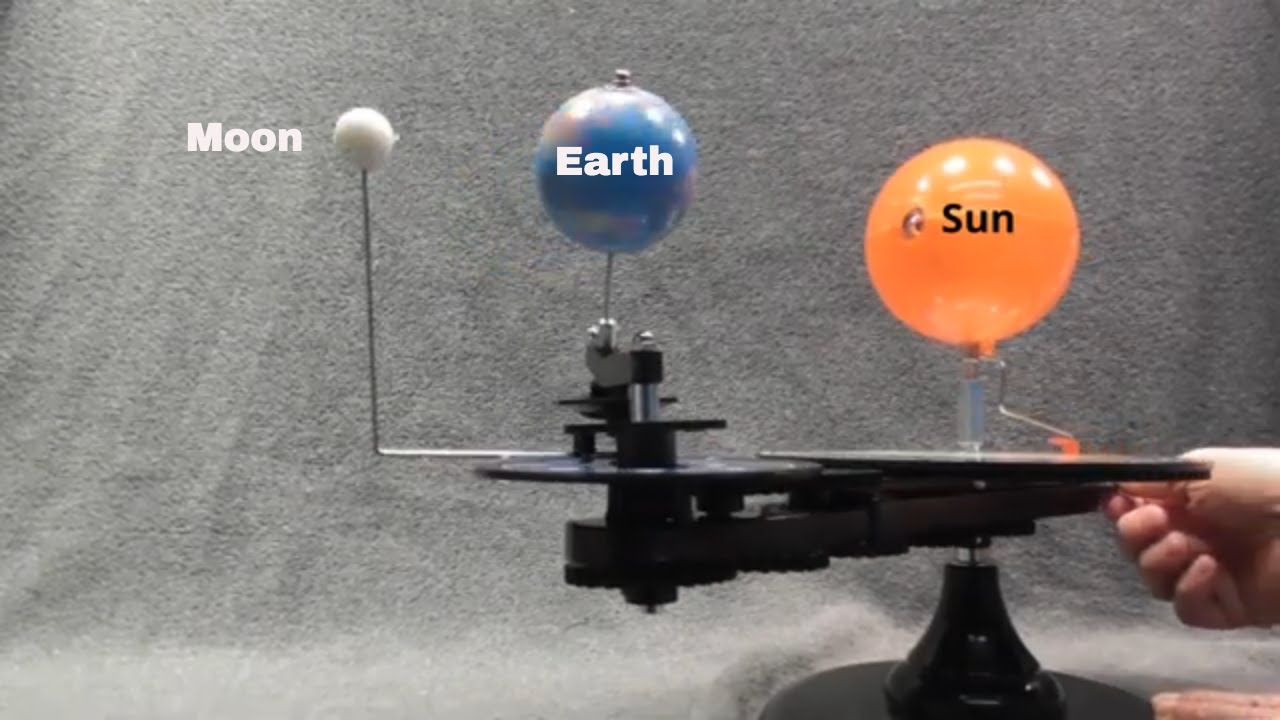
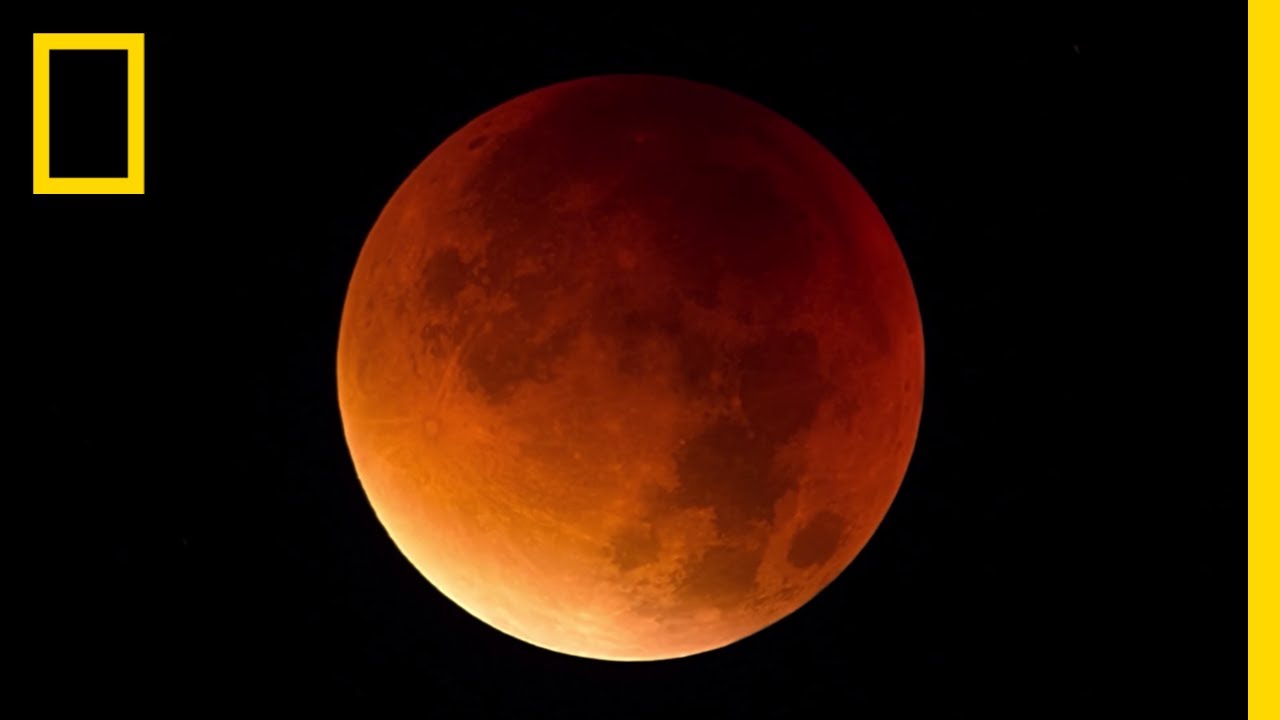
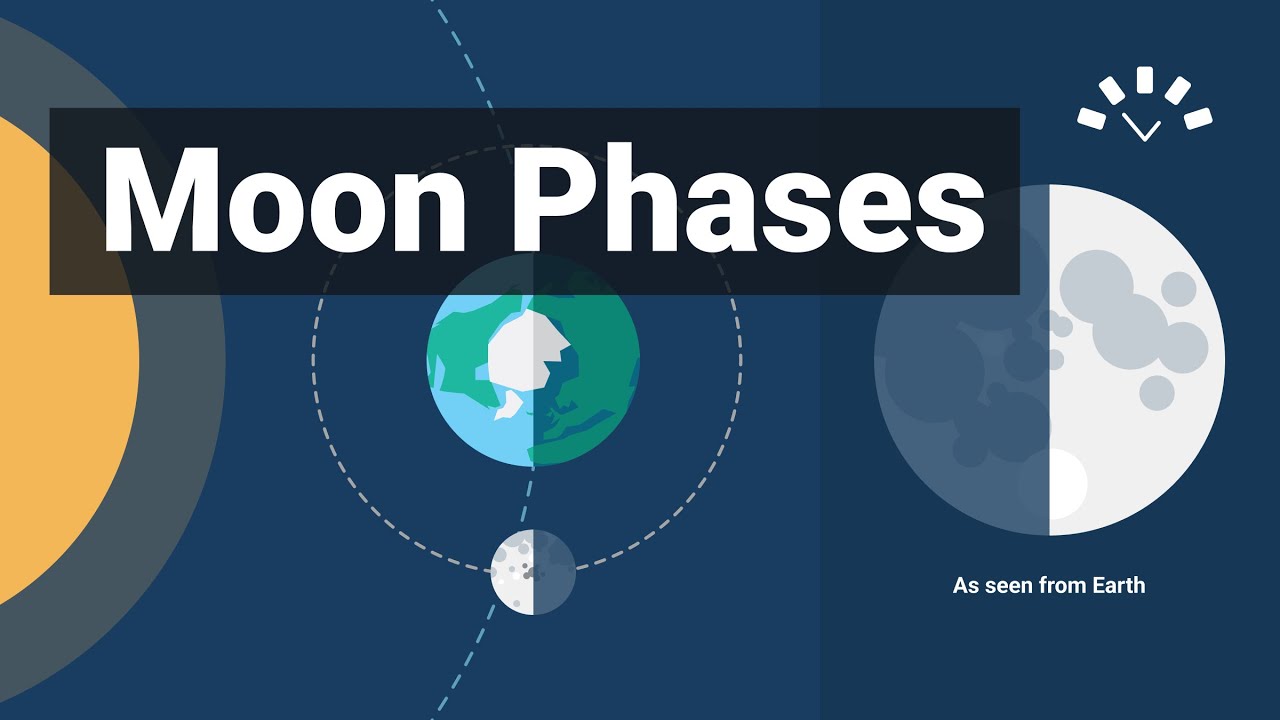
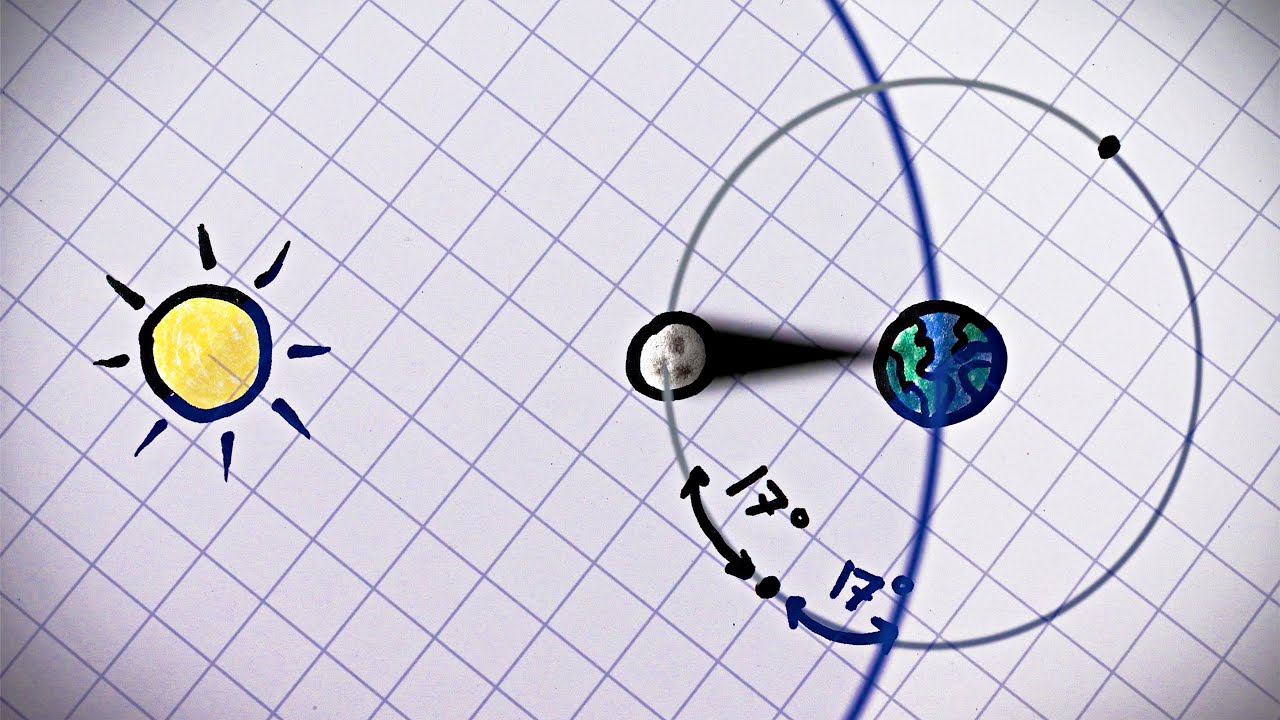
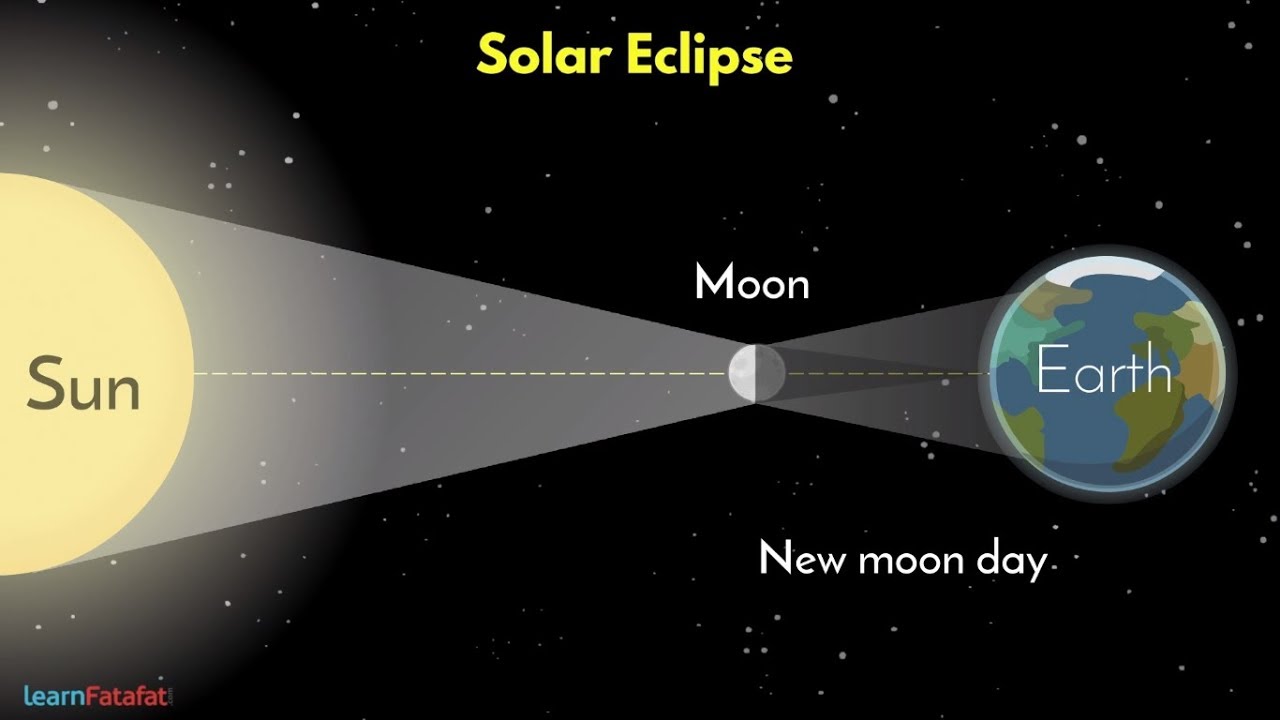
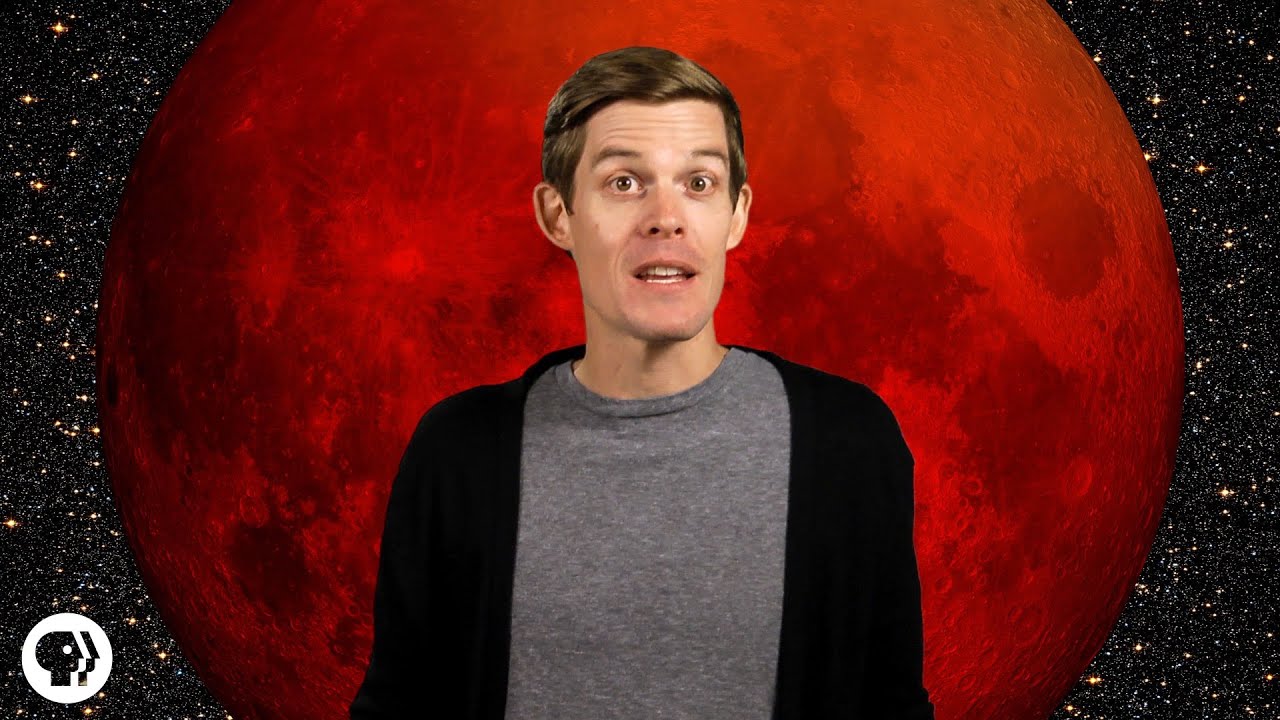
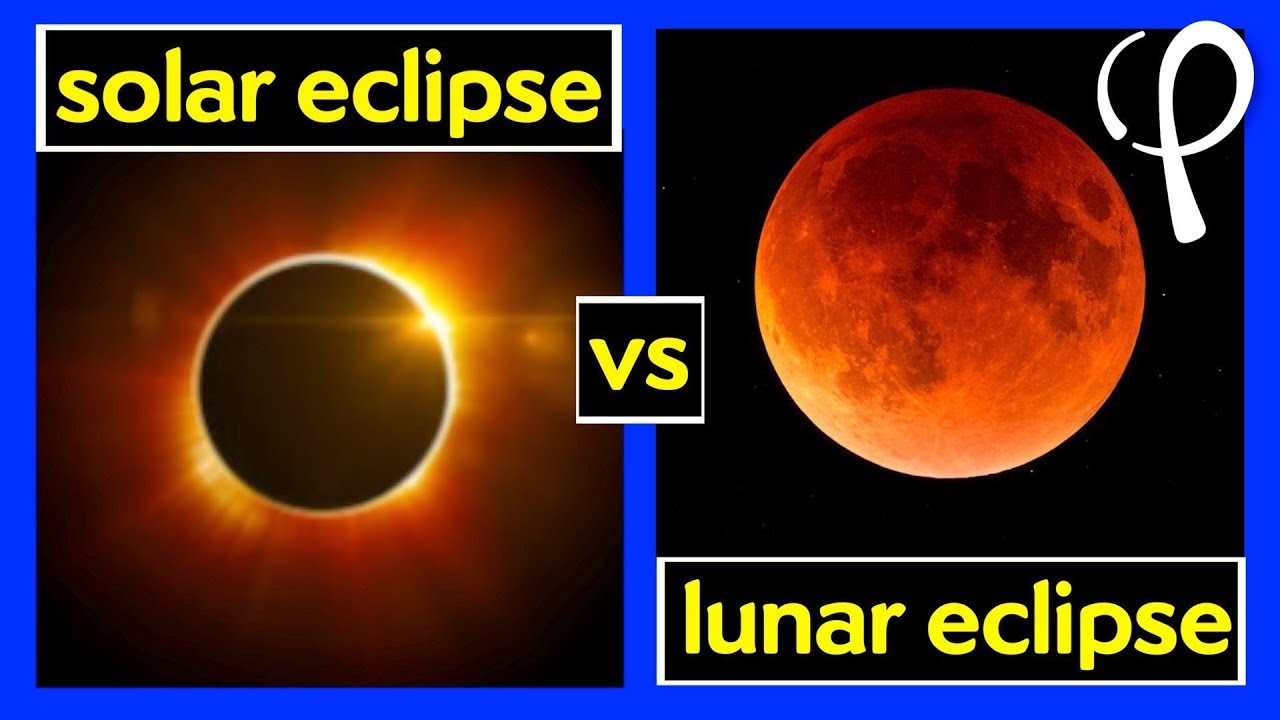
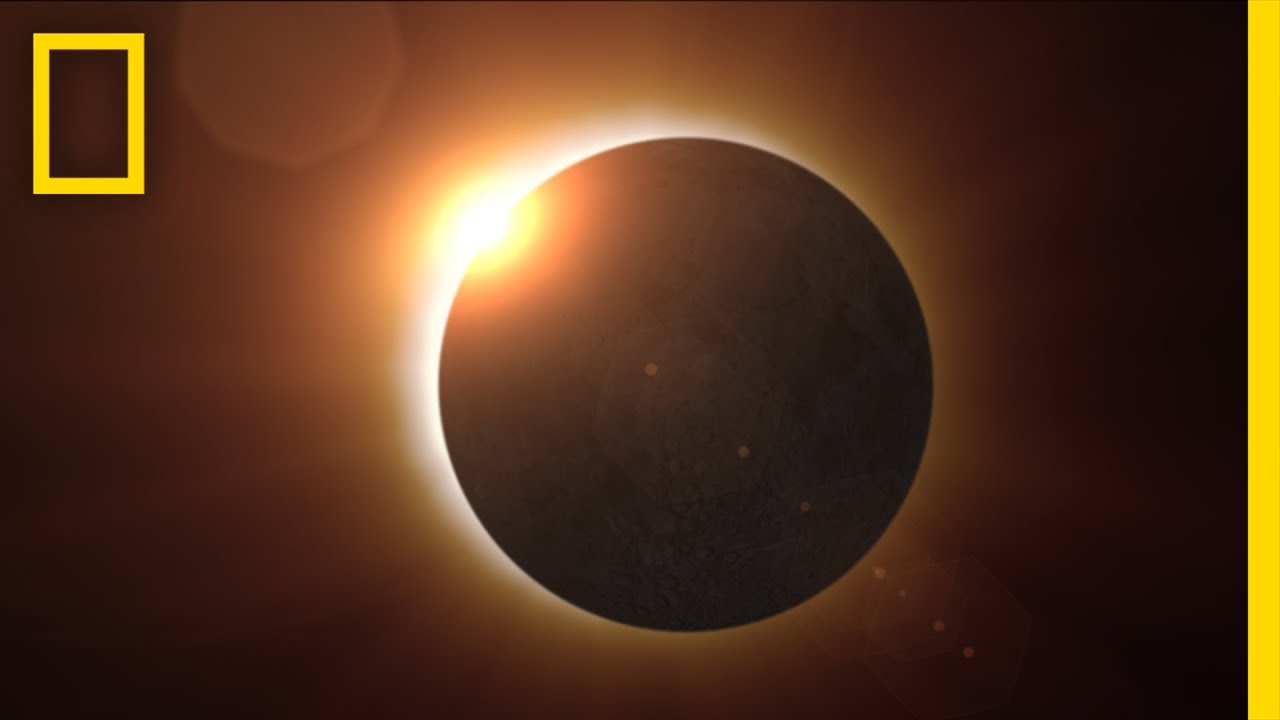
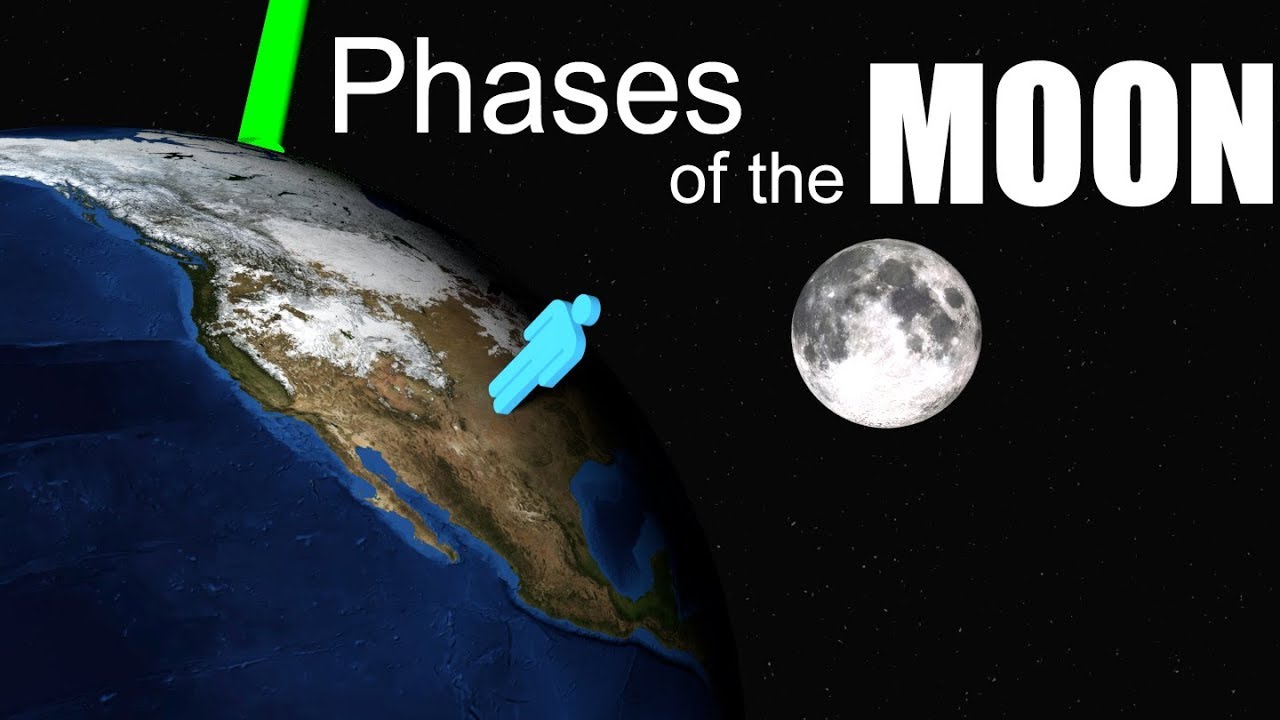
if you looked at the moon over the course of a few weeks you'd probably notice that it looks slightly different every day the change in its shadow is based on where the moon is in its orbit we call this cycle the phases of the moon and it occurs roughly once a month at least twice a year however something quite different happens the moon passes through the shadow cast by the earth causing it to look extremely unusual for a short period of time from the earth the moon will appear to darken and turn a deep red
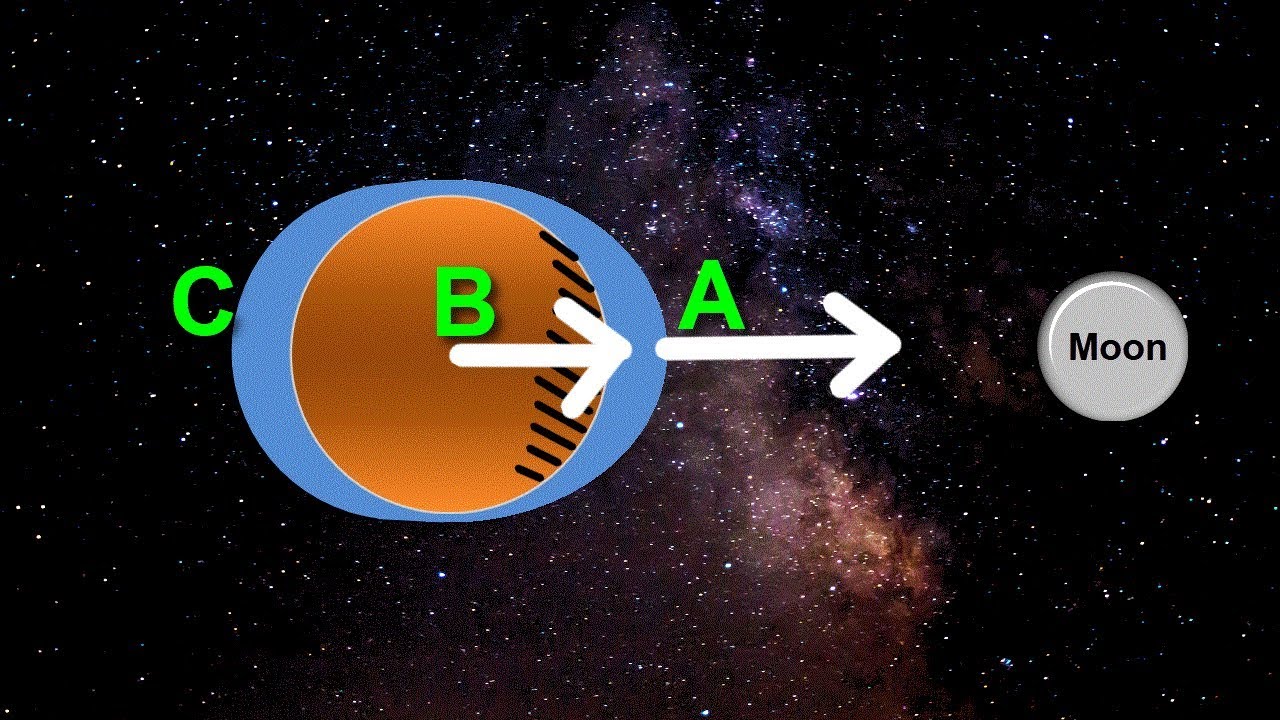
before eventually returning to normal this is called a lunar eclipse if we were to look at what happens from space during an eclipse it would go something like this first the moon passes through what's called the penumbra where the sun's light is only partially obscured this results in only a slight darkening of the moon as the moon continues along its path however it enters what's called the umbra where all direct light from the sun is blocked but if the sun is blocked why does the moon turn red when light from the sun goes by the
side of the earth it passes through a long and thick layer of earth's atmosphere shorter wavelengths of sunlight like blue are scattered by the atmosphere so by the time the light has finished its trip to the moon more of the longer wavelengths like red are left over on the earth the same thing happens at sunset as the ground you stand on gradually passes into night as the eclipse ends the moon leaves the umbra returns to its normal color and then leaves the pen umbra brightening and resuming its original cycle overall the whole process lasts only
from a few minutes to a few hours so you'll have to be quick if you want to see it but as long as you're willing to stay awake you'll catch the moon as you won't see it too often you