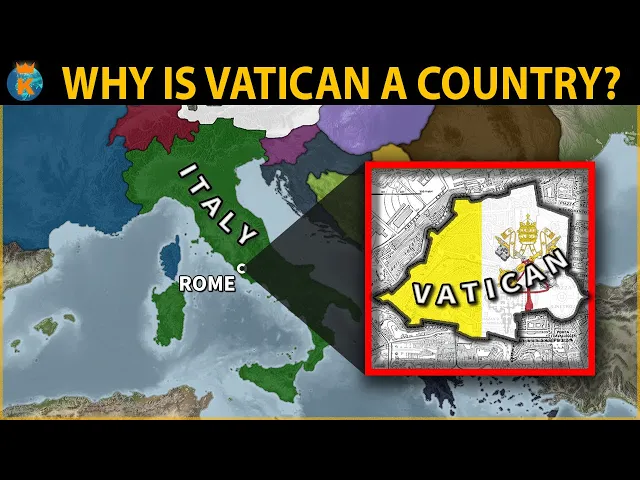
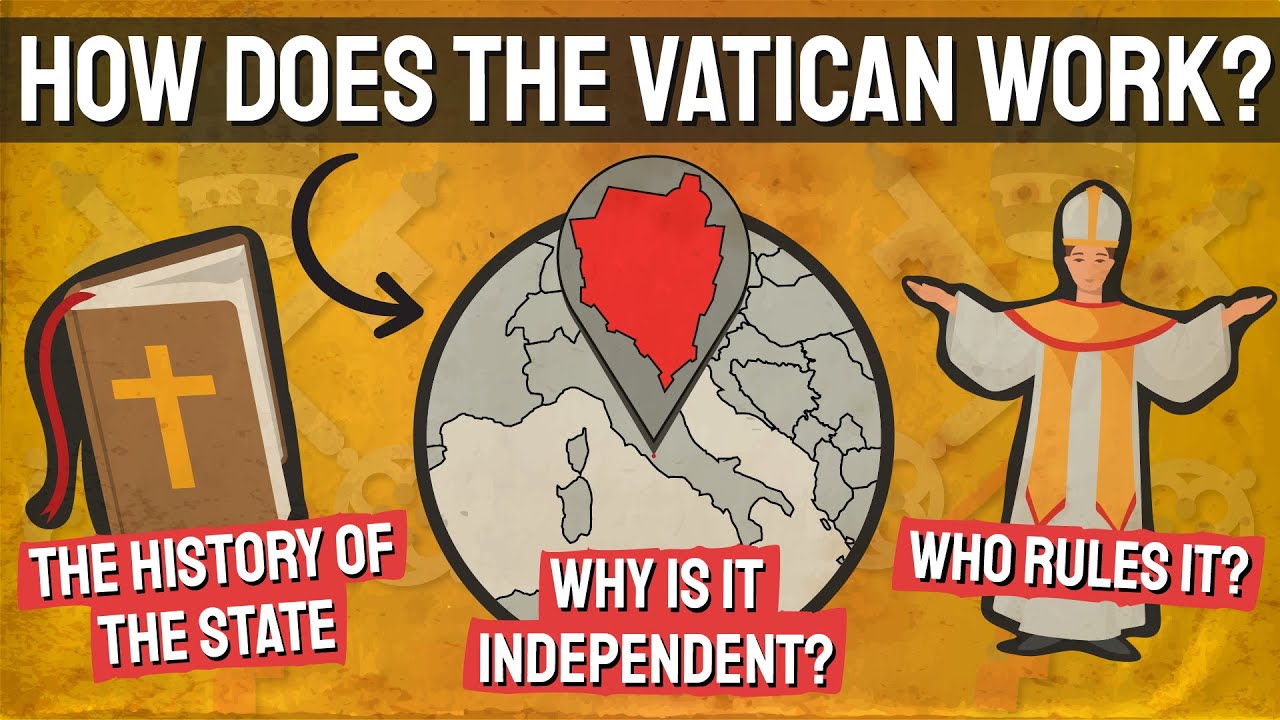
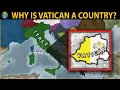
Vatican City. The smallest country in the entire world. So why does it even exist?
. . .
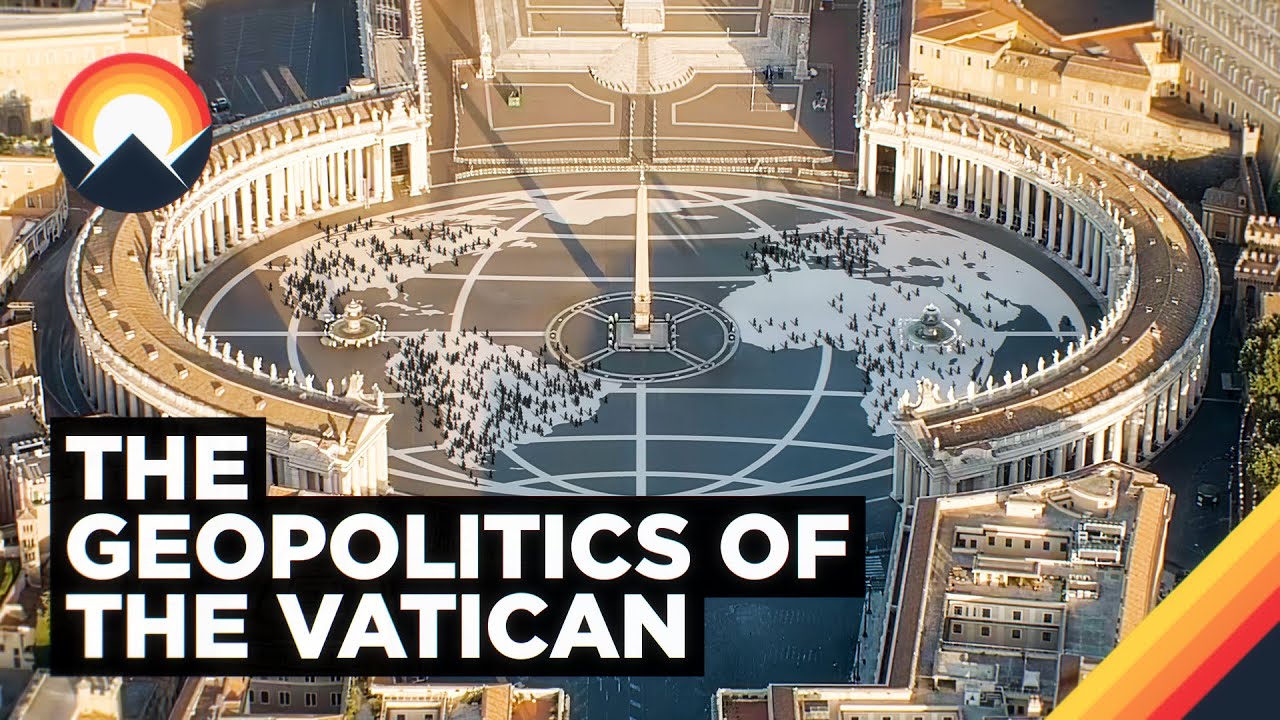
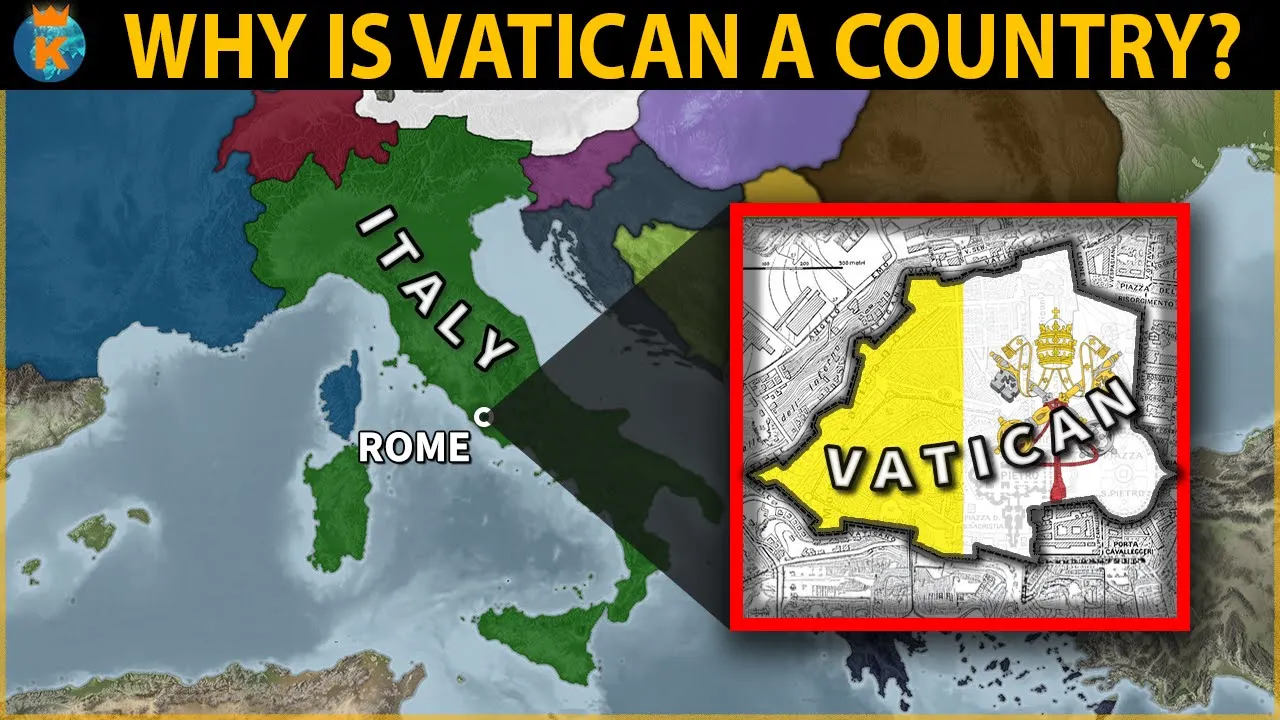
A mighty enclave in the depths of the Italian landscape, Vatican City is 110 acre or 0. 44 square kilometer territory with a population of less than 1,000. 110 of those inhabitants constitute the Swiss Guards who make up the state’s army, protecting the precious centerpiece of the Vatican - the Pope himself.
The Vatican Hill was once an uninhabited and rather disliked holding of the Roman Empire. Under constant threat of floods from the Tiber and the nearby hostile Etruscans, the area was then known as Vaticanus and now houses St. Peter’s Square.
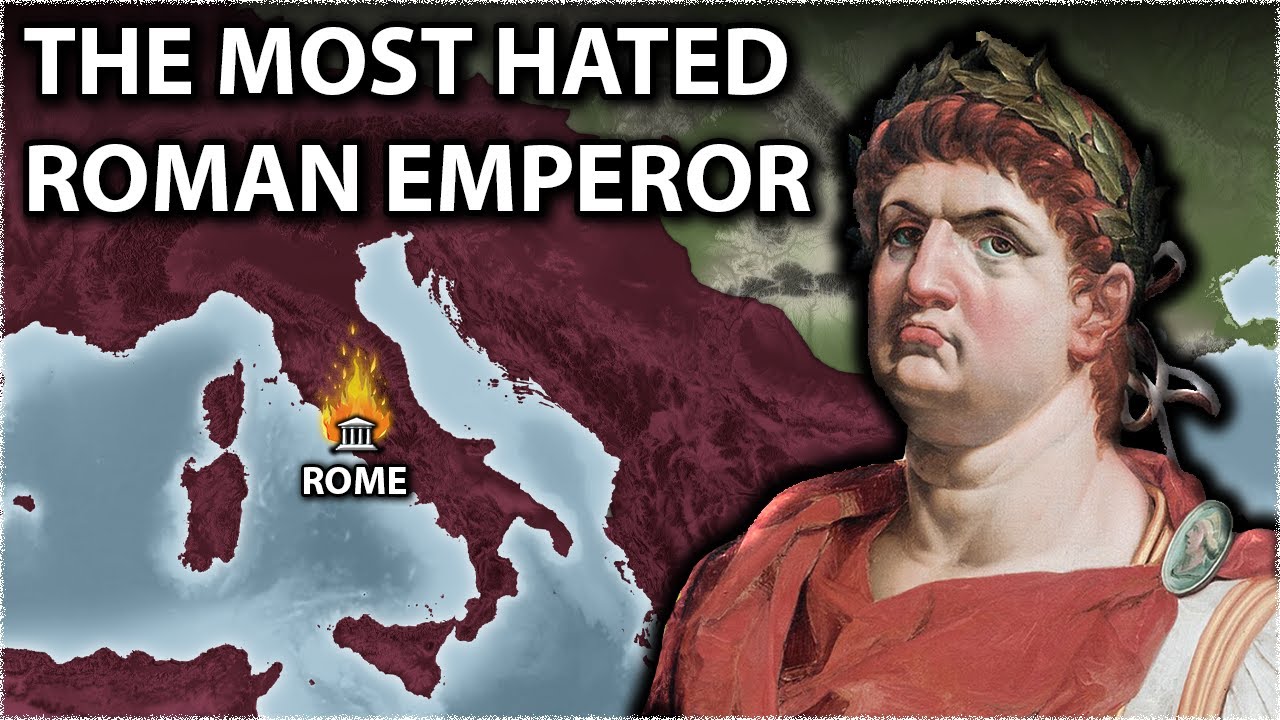
Agrippina the Elder would go against the tide of general opinion and opt to actually utilize the land known then as the Vatican. She had the menacing waters drained and populated the hill with her gardens and her son added to it a circus, though the latter didn’t reach completion until the reign of Nero, and was thus named the Circus of Nero. Today stands one reminder of the circus called the Vatican Obelisk - an import from Egypt brought to Rome by Caligula, though he placed it elsewhere.
The structure was moved to Vatican Hill by Pope Sixtus V in the 16th century after the emperor had put it to stand in the Roman Circus. It’s believed that here, in the Roman Circus, not Nero’s, is where the St. Peter whom much in Vatican City is today named after was crucified.
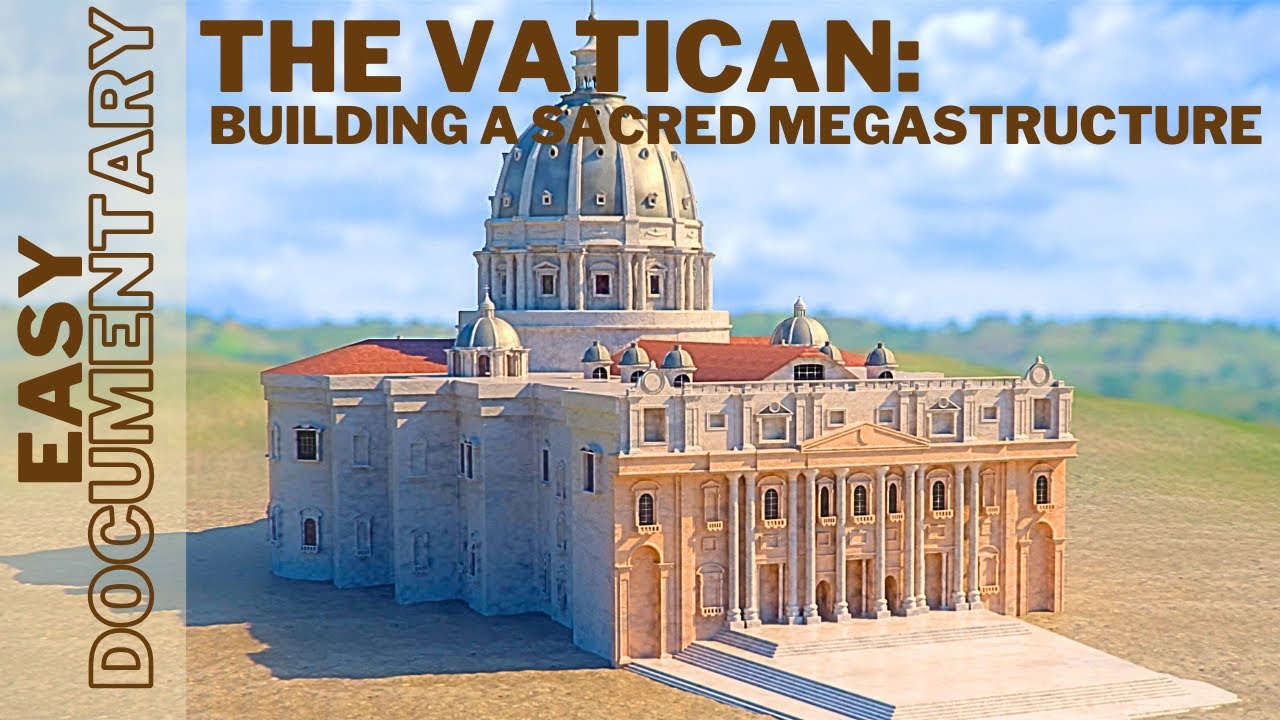
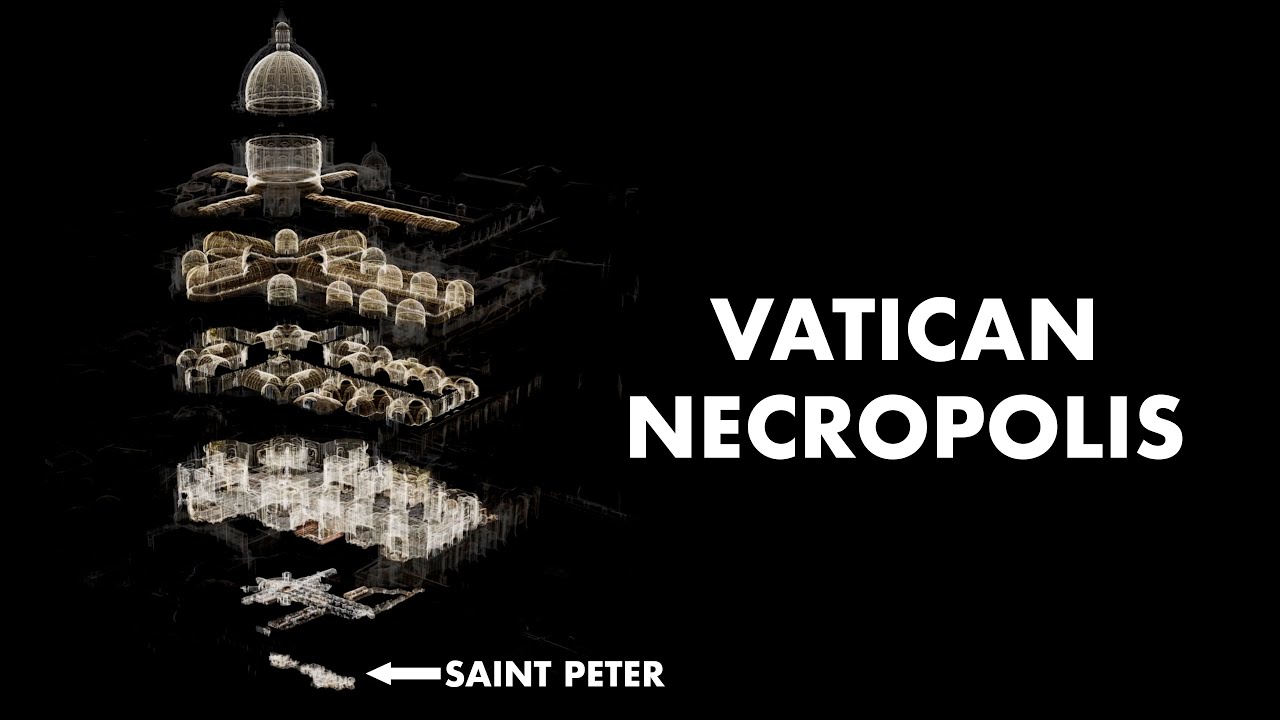
In addition to the obelisk serving as a reminder of the apostle’s death, the Constantinian Basilica of Saint Peter was built in 326 AD over what is believed even today to be the real tomb of Saint Peter. In a matter of decades, the once uninhabited Vatican Hill was suddenly becoming a center point of Christian faith and life. The population was on the rise so steadily that the early 6th century saw the construction of a neighboring palace under Pope Symmachus, further demonstrating the growing importance of Vaticanus to the Christian world.
This was around the same time that the Papacy itself had been swelling in significance and power as each was on the rise. From the mid-8th century on, the birth of the Papal States created a curved string of territories snaking across a crucial portion of the Italian Peninsula under the authority of the pope and the pope alone. These holdings included Bologna, Ferrara, Latium, Marche, Ravenna, and Umbria at its peak, and it meant that the popes had land beyond just the Vatican itself, and thus didn’t actually live within the walls of what we know now as Vatican City until some time later.
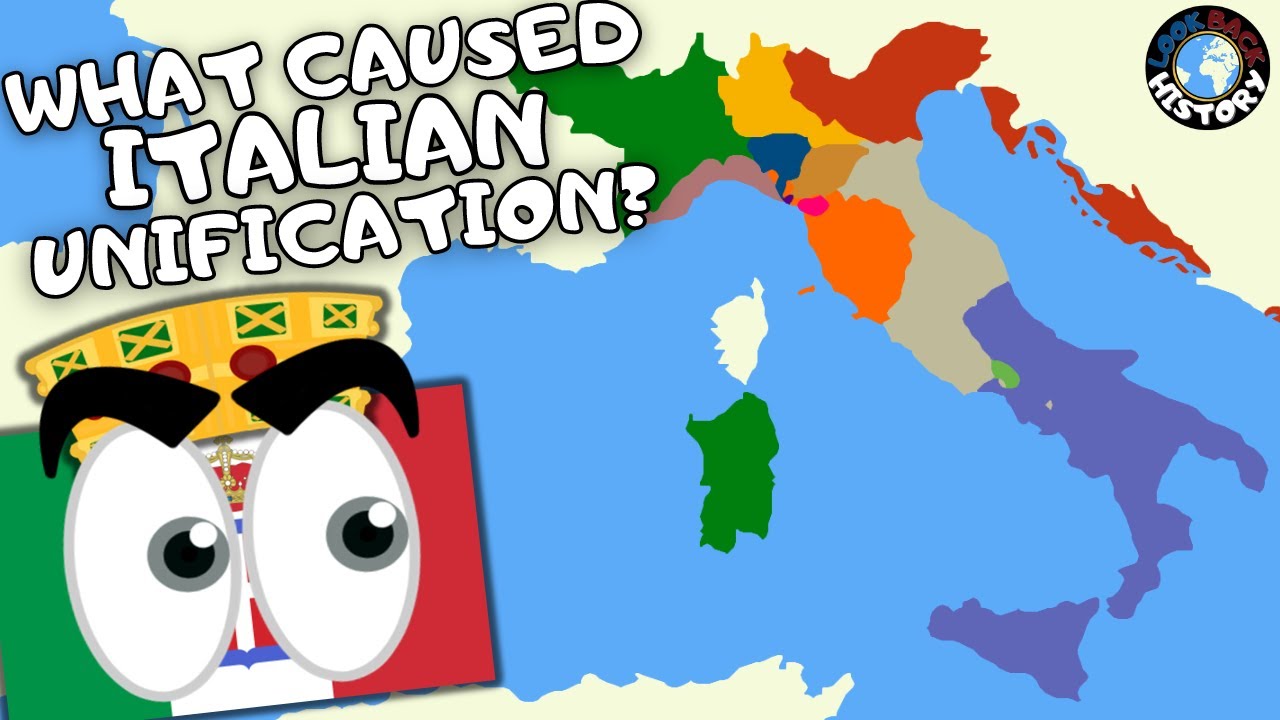
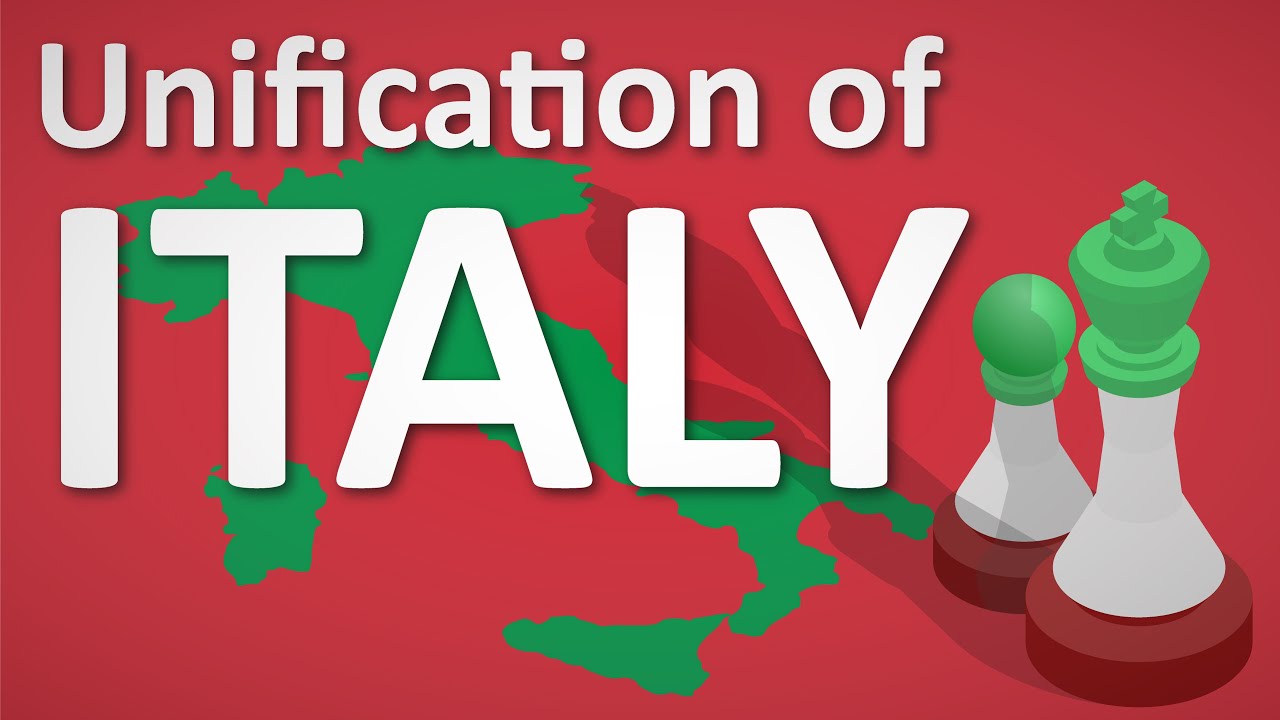
With the nearing of total Italian Unification by the close of the 19th century, however, it suddenly became unclear what the pope could even call his own, be that the Vatican or other residences within the Papal States. Hence began the Roman Question… After a brief expulsion from the Papal States by a short-lived “Roman Republic” in 1849, Pope Pius IX regained his grip on the territories with the help of some French allies, although less than two decades later the young Kingdom of Italy snatched the lands away from the church once more. March 17, 1861, would be the day Victor Emmanuel II was declared King of Italy, and the day that turned the hourglass, counting down the seconds until the pope lost his power once more… With the government of the new Italian state currently assembled in Turin, a declaration was made naming Rome the new Italian capital and thus implicating the replacement of the pope by the king and his officials.
This, however, proved impossible for the time being, as a French garrison had remained by the pope’s side with the purpose of protecting the papacy and what prevailed of the Papal States. This prompted the new kingdom’s government to make a temporary move to Florence while they waited out Napoleon III’s forces. When the Franco-Prussian War forced Napoleon to withdraw his men from Rome, King Victor watched carefully at the ready.
After Napoleon’s defeat at Sedan, the Italian monarch took the open opportunity and sent a letter by the hand of Count Gustavo Ponza di San Martino to deliver the proposition to Pope Pius of allowing the kingdom’s army a peaceful entry into Rome. The pope’s reply was allegedly quite volatile… “"Fine loyalty! You are all a set of vipers, of whited sepulchres, and wanting in faith!
” he boomed after throwing the letter onto the nearby table. This exchange happened on September 10, 1870. The Italian Army began their march toward Rome on September 11… On September 19, Rome was besieged… The following day, Rome gave in, and the Kingdom of Italy captured what once belonged to the all-mighty pope… Contentious debate quickly followed the seizure of Rome as the pope and his foreign catholic allies refused to accept a capital of the state being shared with the seat of the papacy.
King Victor Emmanuel at first sought only to respect the history of Quirinial Palace as a papal residence, but otherwise refused to move the seat of his kingdom. But even in time, he requested the keys to the palace from the pope himself. When this was refused, he simply enlisted a locksmith to open the doors and allow his continued takeover… An agreement still failed to be made between the king and the pope as the latter, and his successor after him refused to accept the monarchy’s sovereignty over the papacy and the former Papal States.
The popes thus glued themselves to the land of the Vatican, earning themselves the nickname of “prisoners of the Vatican”. This led right up to the signing of the Lateran Treaty - the ultimate answer to the Roman Question… The Lateran Pacts, including the Lateran Treaty, of 1929 were long-awaited deals made between Pope Pius XI and the Holy See with King Victor Emmanuel III and Italian Prime Minister Benito Mussolini. They were signed on February 11, 1929, at the Lateran Palace and ratified a few months later, marking the final resolution of the Roman Question.
The agreement made official the existence of Vatican City - an independent state of its own, under the sovereignty of the Pope and his Church alone. The papacy further received financial compensation for the Italian absorption of the Papal States, confirming that from that day forth, the only territory left to the pope was Vatican City. But how did such a tiny sovereign state remain as such through the rest of modern history?
During the Second World War, Vatican City chose to take a neutral stance, a decision respected by both the Germans and Allied powers during the occupation of Rome, despite its position snuggly enclosing Vatican City. In fact, although the British were open to dropping bombs across Rome, the United States, upon entrance into the war, staunchly opposed such an idea due to an extreme respect for the neutrality of the encompassed Vatican state. If any bombings were to occur around the Vatican’s borders, the U.
S. government offered an exemption to any Catholic pilots or aircrew members who were uncomfortable with the idea of attacking Rome. Bombings did eventually transpire, but Vatican City managed to remain neutral and untouched - say for a few British propaganda pamphlets that fell within the state’s borders.
When the war ended, Pope Paul VI saw the danger as having passed and thus the Pontifical Military Corps was disbanded leaving only the Swiss Guard and the Gendarmerie Corps who now served as a form of civilian police. The post-war era additionally witnessed tweaks made to the agreement between the Vatican and Italian states but otherwise left the status quo rather unchanged. The Vatican City, as minuscule as it may seem, and as illogical as its geographic position as an enclave of the Italian Peninsula may be, still remains an independent, sovereign nation today.
The ‘why’ is rather simple: it’s due to the power and influence of the Catholic Church and its Bishop of Rome. Vatican City exists because of its religious importance and the Catholic nature of the surrounding nations. The pressure to compromise after conquering the remainder of the Papal States weighed heavy on the Italian Kingdom’s shoulders.
With nearby Catholic nations such as France, even if Italy itself hadn’t been in favor of Catholicism nor respected the authority of the Holy See, geopolitical pressure likely would have enforced the matter. Centuries ago, the Papacy had more global authority than it does today, and the possession of the Papal States put that fact on clear display. Even as these holdings dwindled, the sheer power and sway of the Latin church, by now far separated from their Eastern counterparts, kept the Vatican itself - the root of it all - alive.
If the Catholic Church ever loses its place as a global leader of the Christian faith, the maps may soon change in accordance.