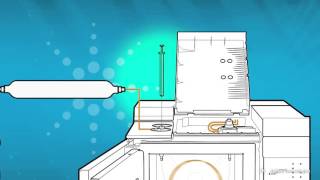
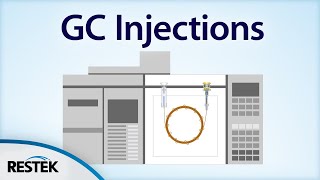
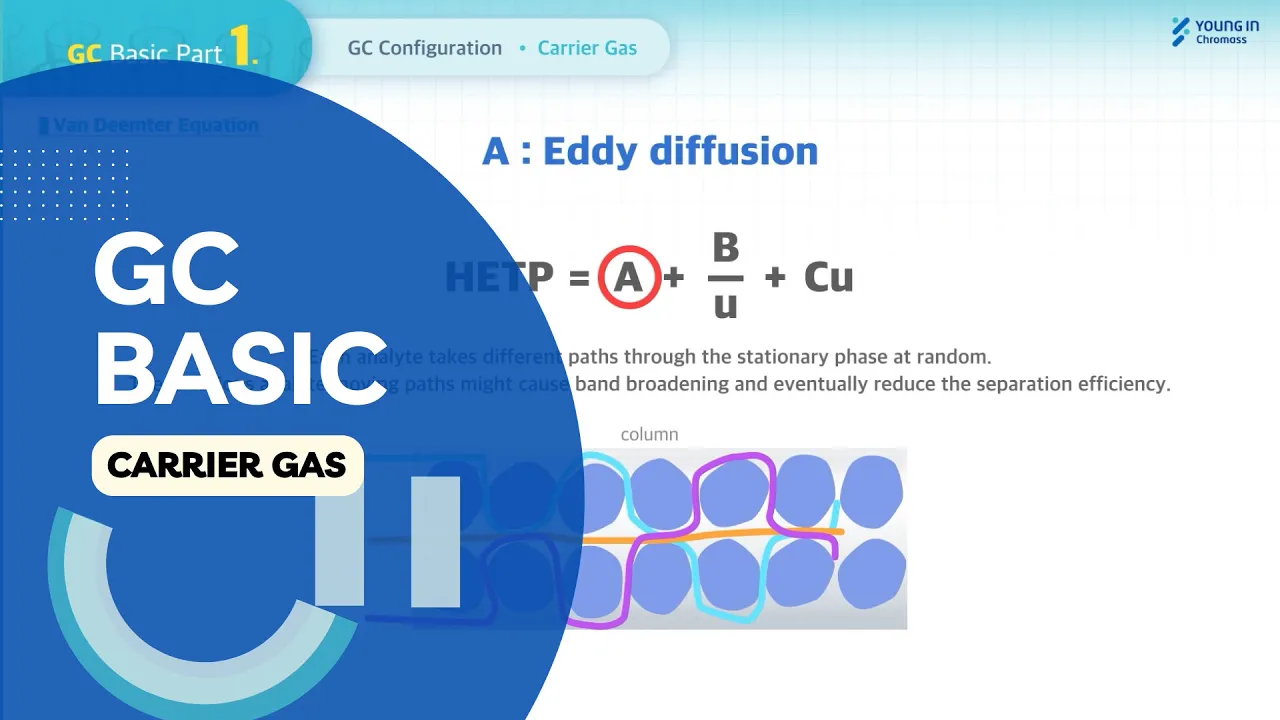
yay [Music] a comprehensive guide to gc warning this video includes everything you need to know about gc once you watch this video you'll be dying to know the next series [Music] before getting into the carrier gas and basics of gc let's see how gc is configured generally gc is configured with carrier gas an injector which can be a manual syringe or auto sampler an inlet a column an oven a detector and a cds chromatography data system [Music] once each module is configured into a gc system it can show how the flow goes through a gc
the carrier gas flows into the column passing through the inlet when the sample is introduced into the inlet the carrier gas sweeps the sample onto the column then the sample is separated into individual components through various chemical interactions with the stationary phase in the column and then the detector converts the concentration of each component into electrical signals finally the signals are shown as a chromatogram by chromatography data system let's look into gc carrier gas in detail what is the carrier gas in gas chromatography the carrier gas is an inert gas used as a mobile phase
to transport the vaporized sample into the column carrier gas can be supplied by a gas cylinder or a gas generator [Music] what are general requirements for carrier gas first carrier gas should be pure pure carrier gas means there are no impurities in it to keep the purity of carrier gas traps are recommended to use in gas lines for the removal of impurities such as moisture hydrocarbon and oxygen carrier gas must have a high purity standard of not less than 99.9995 percent second it should be chemically inert being chemically inert means there's no chemical reactions between
carrier gas and either samples or stationary phase in the [Music] column then which gases are commonly used as a carrier gas there are three major gases we use for carrier gas hydrogen nitrogen and helium they all meet the requirements of pure and chemically inert plus the carrier gas should be selected depending on the detectors and analytes select the carrier gas based on gc detector types each detector requires specific carrier gas types based on its principle of detection for example the pulsed discharge detector pdd requires helium because it has the largest ionization energy the recommended carrier
gas for gc detectors is shown in the table below select the carrier gas based on your analyte types the selection of carrier gas needs to be different based on the type of analyte you analyze for example if you analyze nitrogen you cannot use nitrogen as a carrier gas because the analyte same as carrier gas cannot be distinguished for the detection then why should we use high purity of carrier gas if you use low purity of carrier gas it will cause unstable baseline with drift relatively lower sensitivity due to high noise when you use high purity
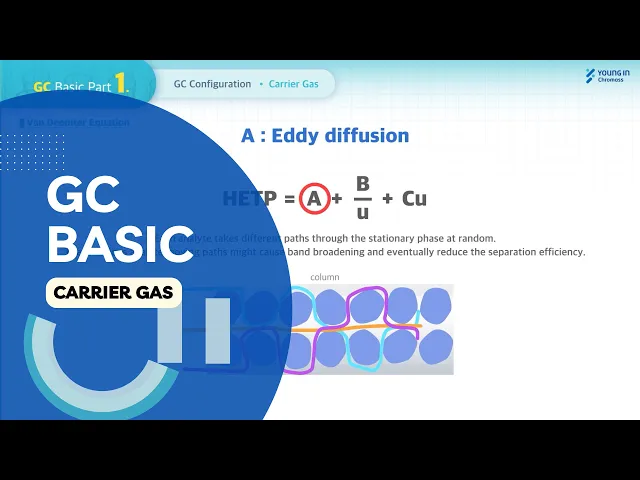
of carrier gas you'll get more stable baseline and better sensitivity through a high sn ratio compared to the chromatogram data in low purity of carrier gas before choosing the right carrier gas we need to know van diemter equation let's refer to van diemter equation to understand how the separation efficiency is determined van deepter equation is a relation between hetp and linear velocity and each term a b and c defines each band broadening mechanism to determine separation efficiency the values of a b and c will be different based on gas type so the efficiency is up
to which carrier gas you choose [Music] let's find out each term's band broadening mechanism first term a any diffusion eddy diffusion describes each analyte takes different paths through the stationary phase at random these various moving paths of analytes might cause band broadening and eventually reduce the separation efficiency second term b longitudinal diffusion analytes diffuse out from the center to the edges as mobile phase flows so it also causes band broadening in case of gc longitudinal diffusion which is term b has much more effect on separation efficiency than lc because gas phase is more diffusive last
term c mass transfer analytes take a certain time to equilibrate between the stationary and mobile phases this also results in band broadening when the band is broadening the plate height is getting higher as a result separation efficiency is being decreased in conclusion the lower value the hetp has the greater separation efficiency it results the plot of van diemeter equation is shown on the screen a range marked in bold line of each gas indicates its optimized linear velocity range as a carrier gas so now you can choose the right carrier gas depending on your application by
referring to the following table safety hydrogen is not safe due to a possibility of explosion while the other two gases are relatively safe in use cost hydrogen and nitrogen are cost effective but helium is expensive optimum velocity 35 to 40 centimeters per second is recommended to use in hydrogen 25 to 30 centimeters per second for helium but 12 to 20 centimeters per second is recommended to use for nitrogen which means it has a longer analysis time than other gases column choices helium can have a wide range of column choices from wide to narrow bore lastly
there are various detector choices by carrier gas as shown in the table find the right carrier gas by referring to this informative video want to learn more about chromatography please stay tuned on young and chromas channel