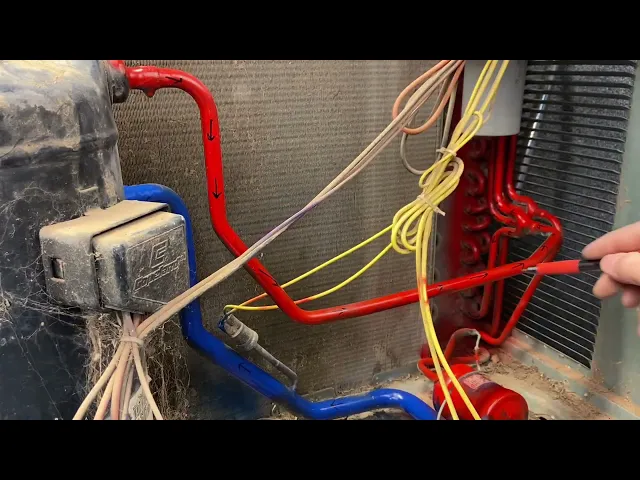
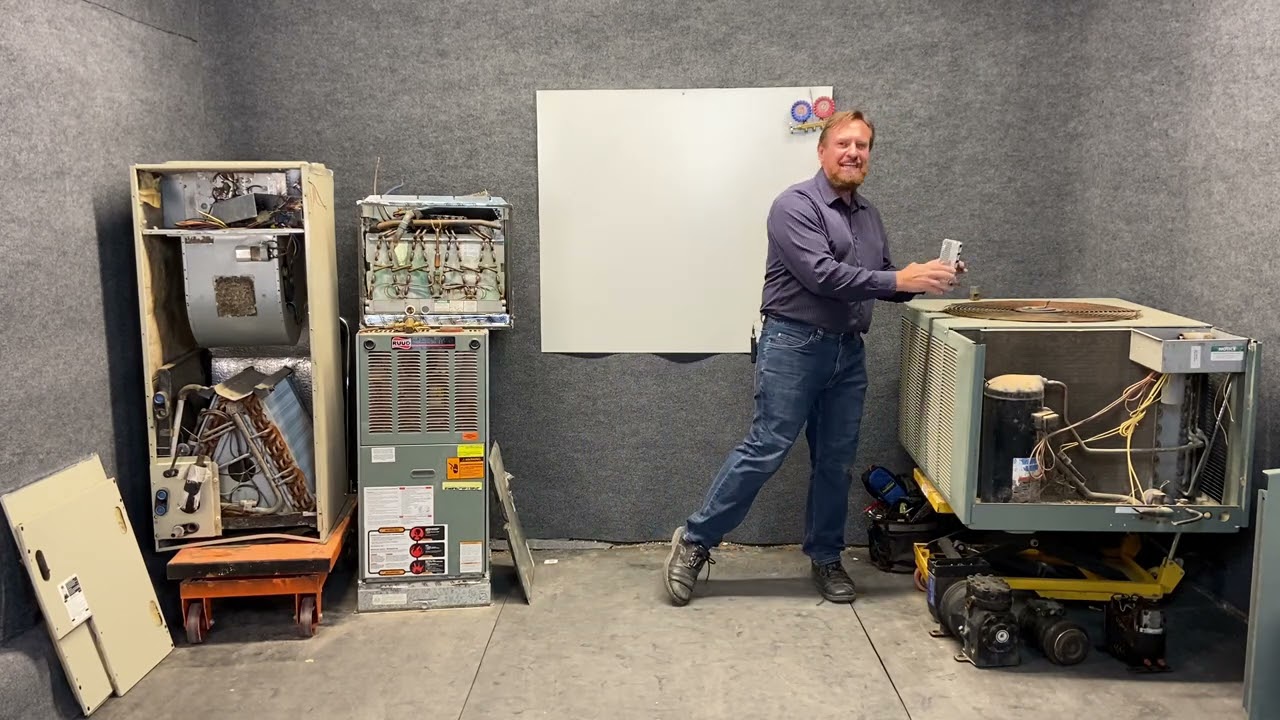
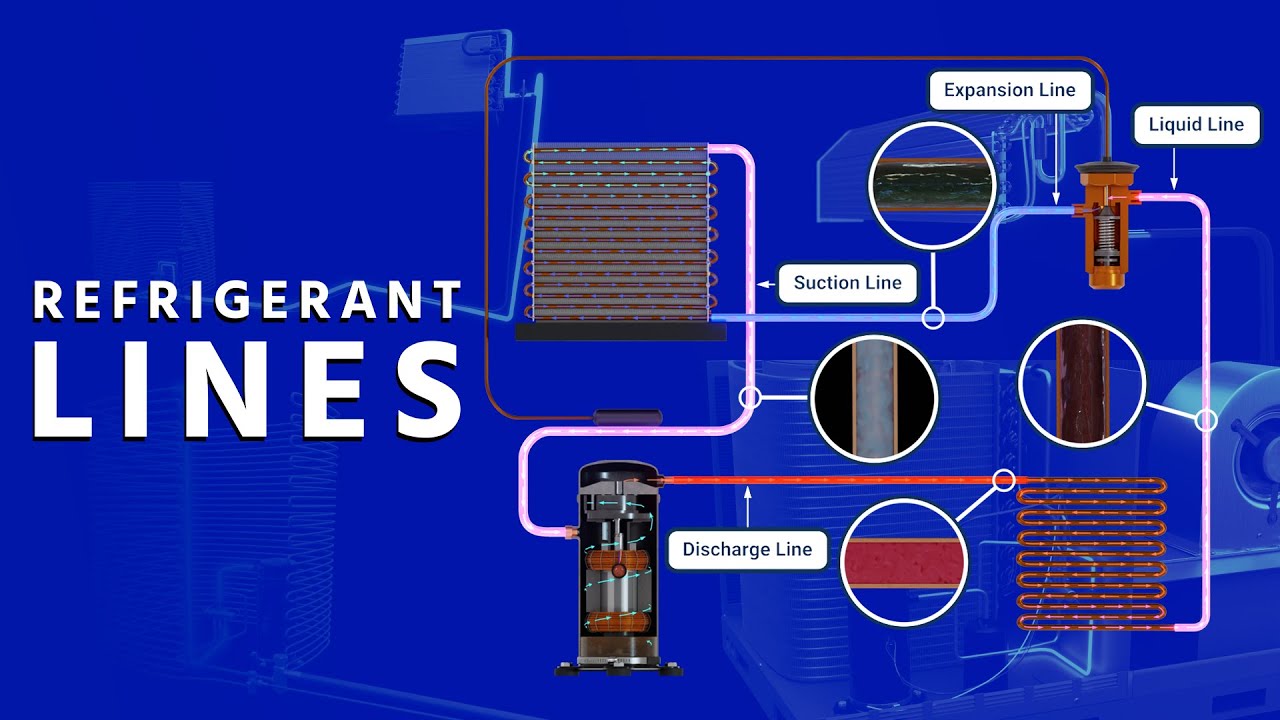
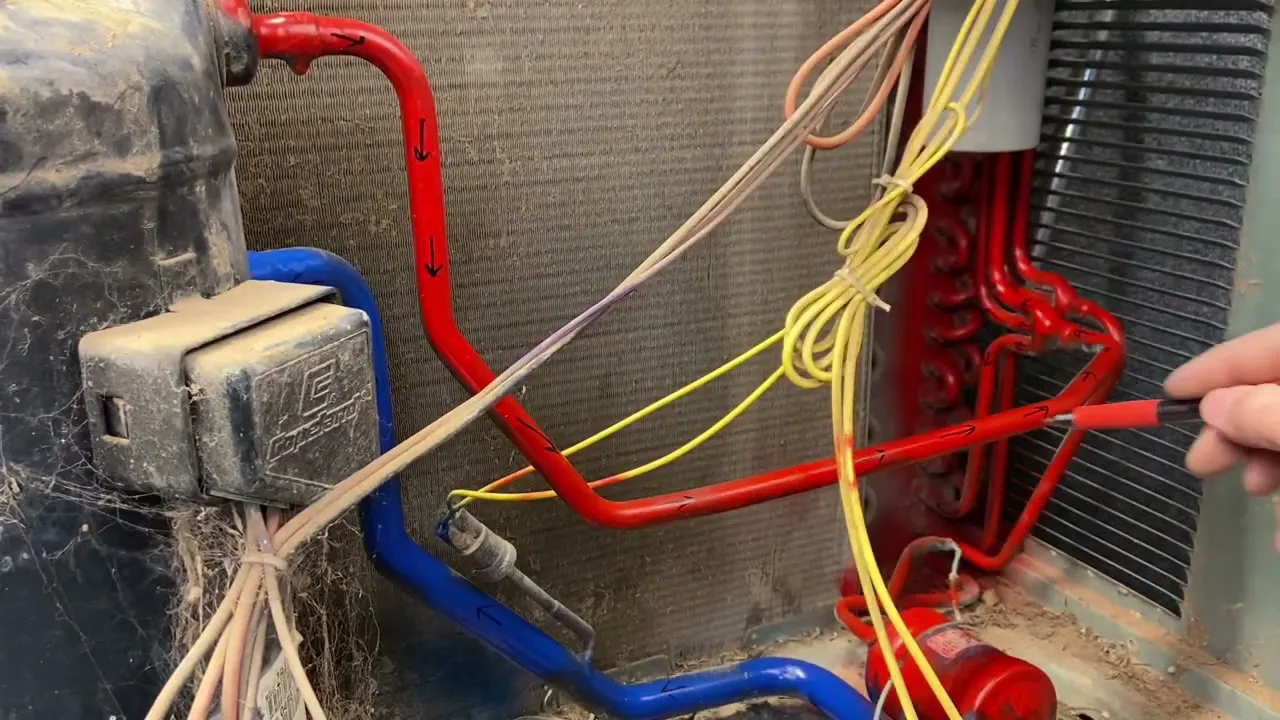
now before you start this video you're going to make sure you have a red pen with you that's going to be very important for our learning strategy so we've already learned about the compressor the vapor pump sucks in low pressure vapor pumps out high pressure vapor moves the refrigerant the next component we're going to talk about is this line right here it's called a discharge line also called a hot gas line so we're going to do is we're going to take our refrigeration cycle and we're going to use our red pen and we're going to
make a mark coming out of our compressor and we're going to put little arrows on it so that we know it's coming out of the compressor and we're going to add both names discharge line also known as a hot gas line so it's two names i can call this a discharge line i can also call this a hot gas line now that what's happening in this line the state of refrigerant that's also important to know as well so we're also going to add those words in here the state of the refrigerant is a high temperature
high pressure superheated vapor and we're talking about superheat later we're just going to add these to our notes doesn't matter how sloppy your handwriting is the point is to get the words it's a discharge line also called a hot gas line a high temperature high pressure superheated vapor we're going to talk about superheat later so don't get worried about it but notice how small this line is going to be in our drawing and notice how small it actually is in our system as well most of the time your compressor is going to be located near
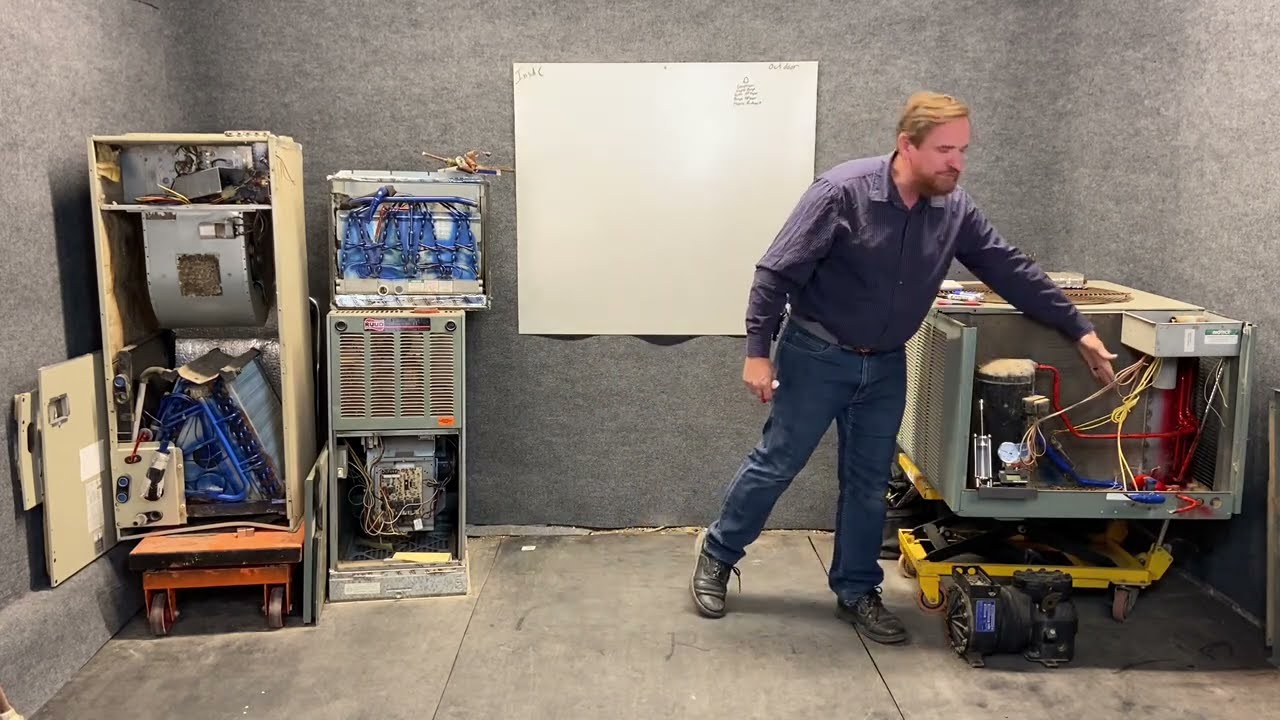
your condensing coil all together outside in this case this special line has its own name it's important not to get this mixed up later we're going to talk about a liquid line that looks similar but there are completely different components in here because it's a vapor pump only vapor is coming out of this system so it's also another word for vapor is gas so it's a high temperature high pressure superheated vapor this is actually the hottest part of the whole system if you were to touch this line right here it would literally burn you it
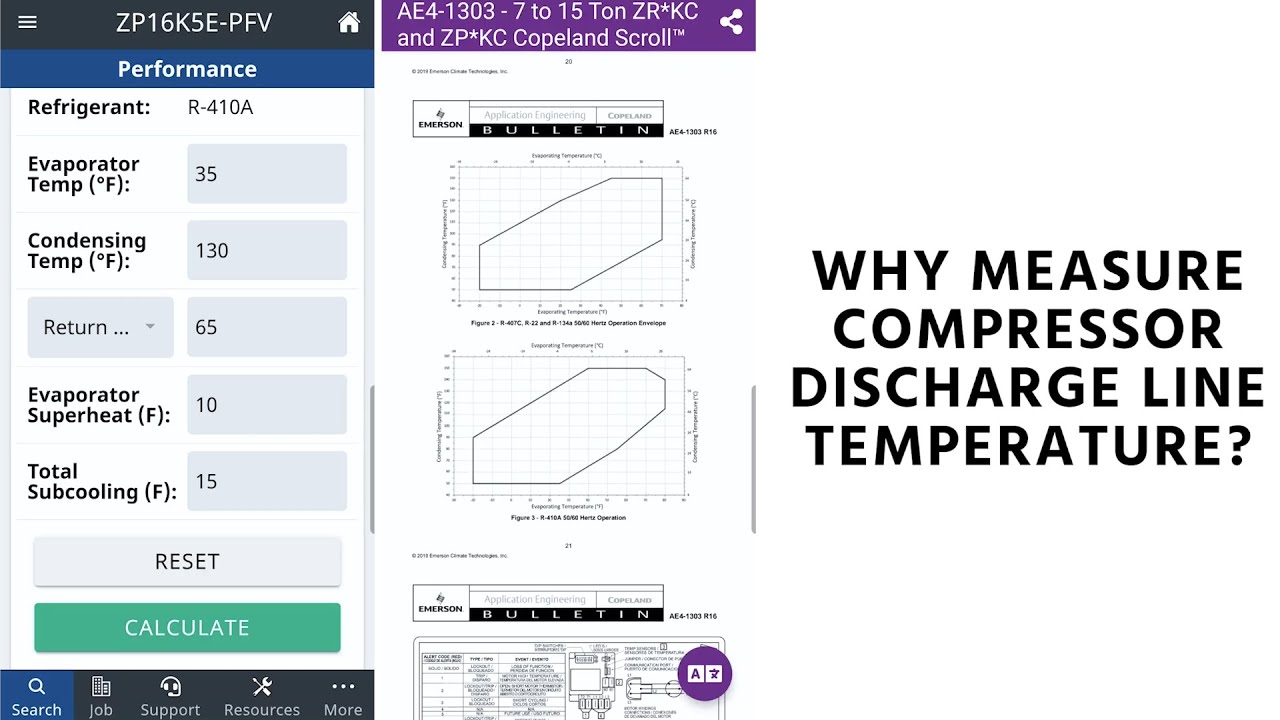
could get so incredibly hot we want to make sure we keep the temperatures line below 230 degrees 250 degrees so we don't burn the oil we'll go into much more detail about that but this line right here is a short line has its own name it's going to be going into the condensing coil now another thing i want to point out over here as we can see this discharge line right here splits into one two and three locations that's just making it more energy efficient second law of thermodynamics increase the surface area so now we're
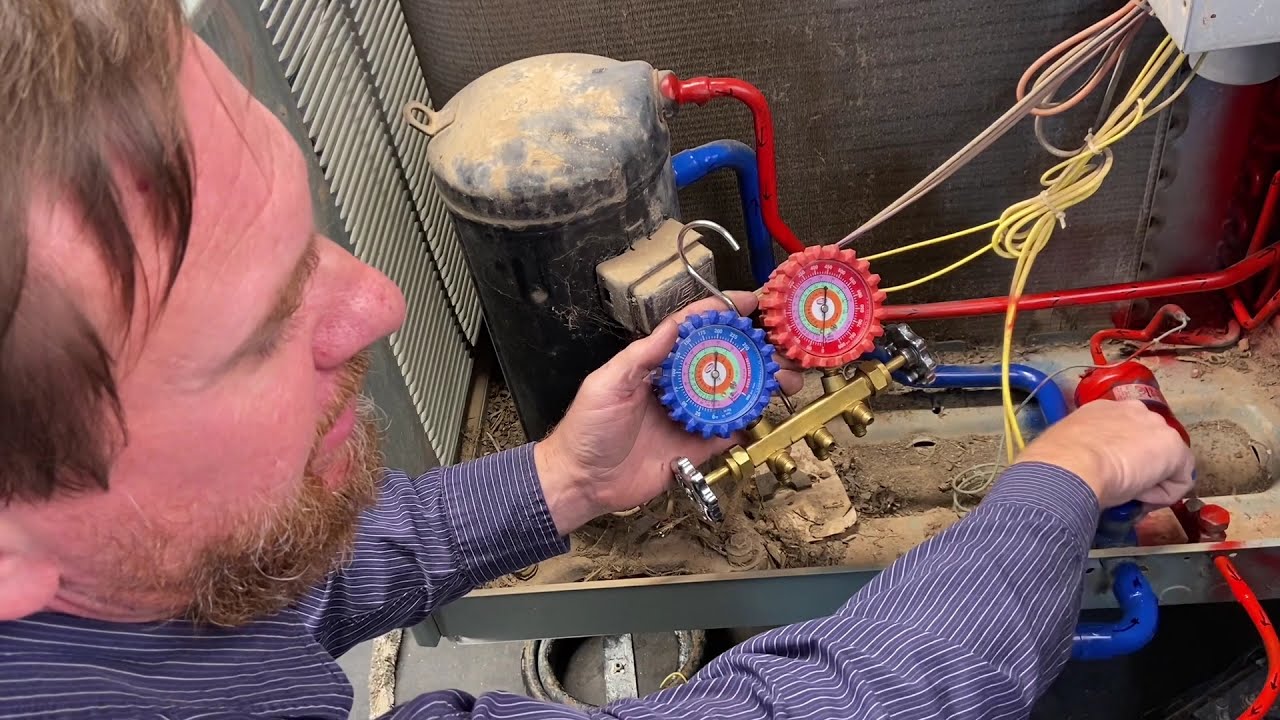
having refrigerant enter that condensing coil in three different locations to better have heat transfer so it's still one discharge line now it's three discharge lines it's going to enter that condensing coil in three separate locations but all of this is the discharge line if you were to put your gauges some systems will have a port right here and you can actually hook your red gauge with the red hose to the port right here and it's going to give you the high pressure side because this is high temperature high pressure superheated vapor but this line is
a very special name the only accessory that really we see on this line is going to be a muffler when we get the heat pumps we'll put a reversing valve on we get the commercial refrigeration we use oil separators or some other things but it's a very simple line typically the only thing you see on there is going to be a muffler and we'll talk about mufflers a little bit later on very simple line but also very important so many times students get this line mixed up with the liquid and it's not it's not it's
completely separate i'm saying it over and over again because i need you to really understand and appreciate that discharge line hot gas line high temperature high pressure super heated vapor