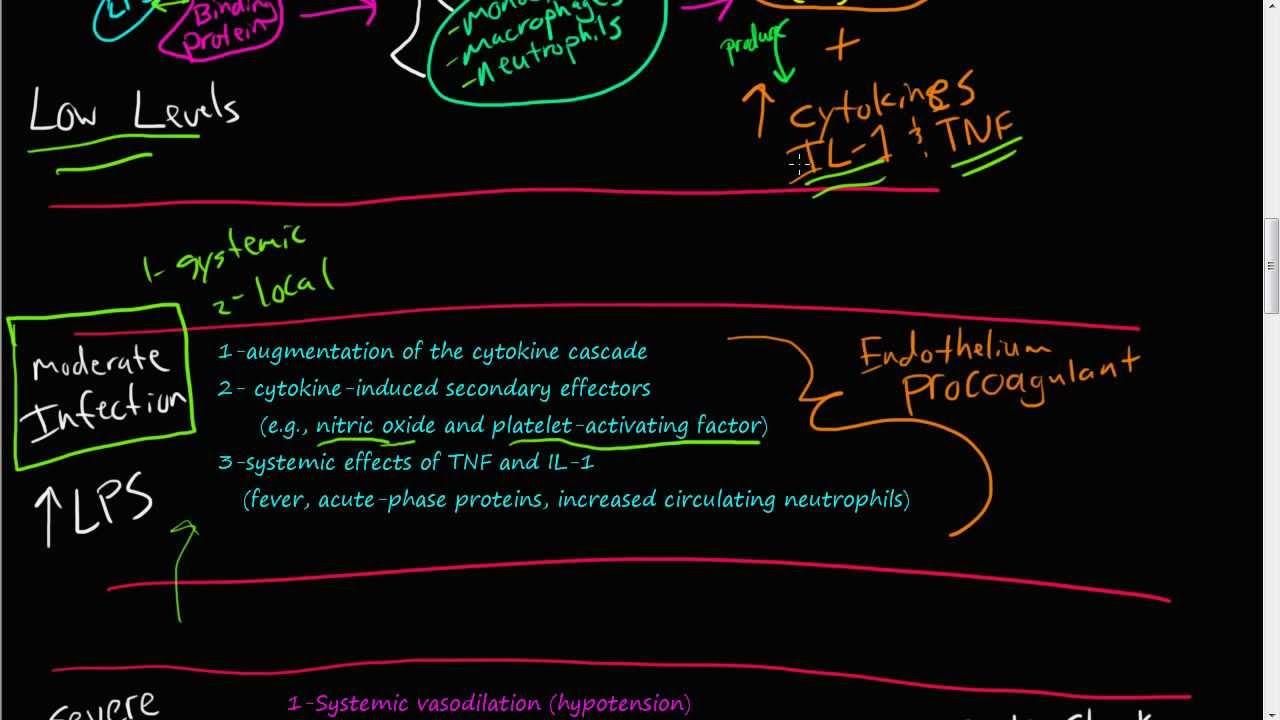
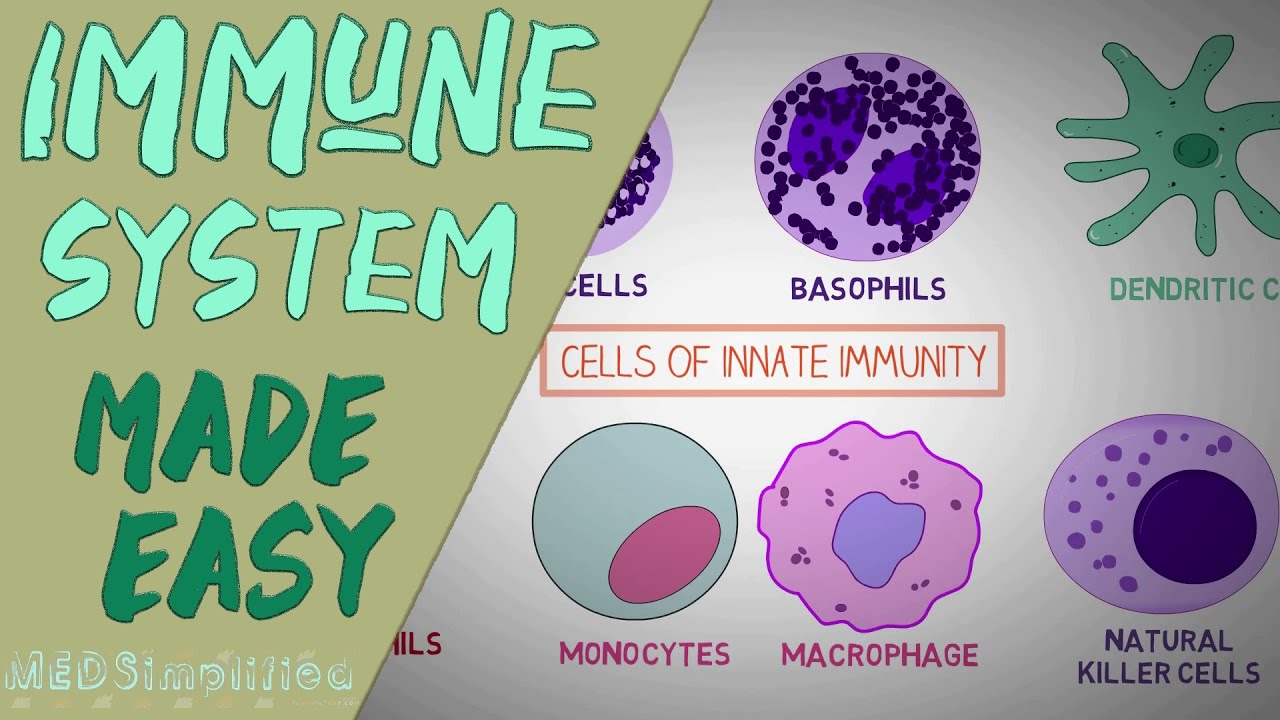
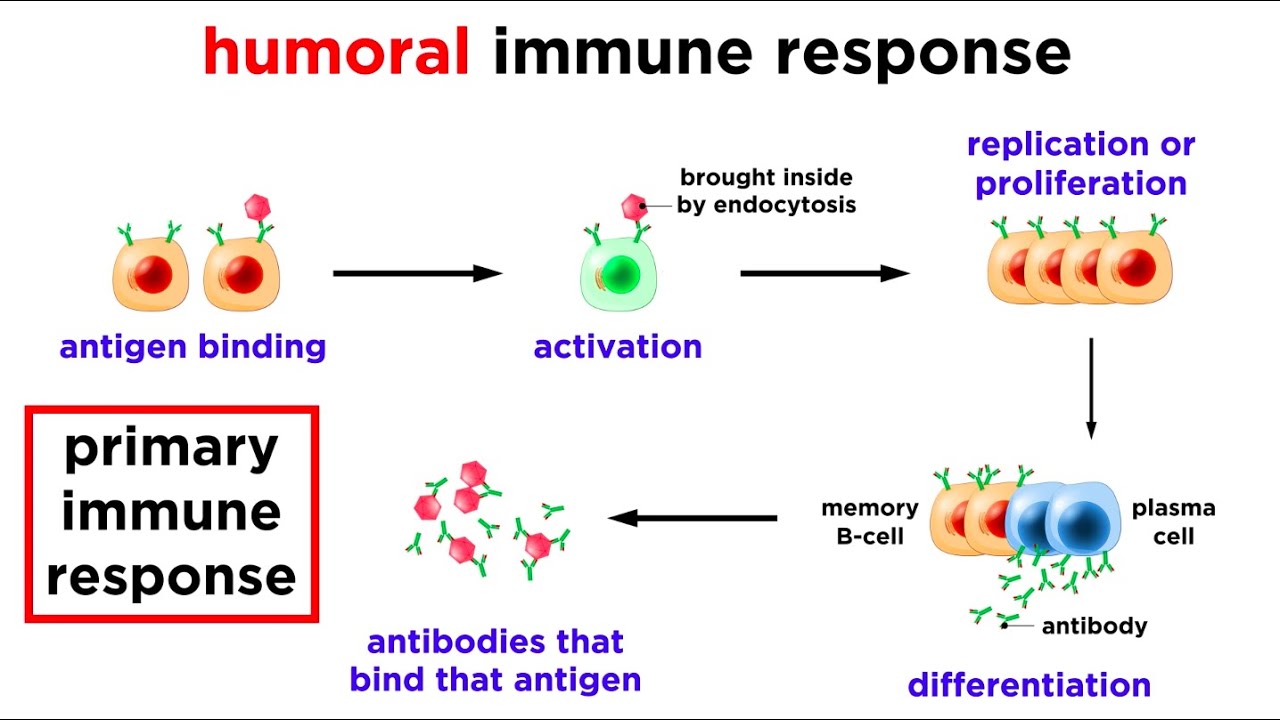
in the initial stages of an immune response the innate immune system recognizes the presence of pathogens and provides the first line of defense dendritic cells which are circulating through the tissues have the ability to recognize the presence of pathogen associated molecular patterns or Pam's pants are conserved features of pathogens such as the liberal polysaccharides or LPS which are components of the cell membranes of all gram-negative bacteria dendritic cells have the ability to recognize pants through the expression of a family of toll-like receptors or TLRs in the case of LPS it is recognized by one member
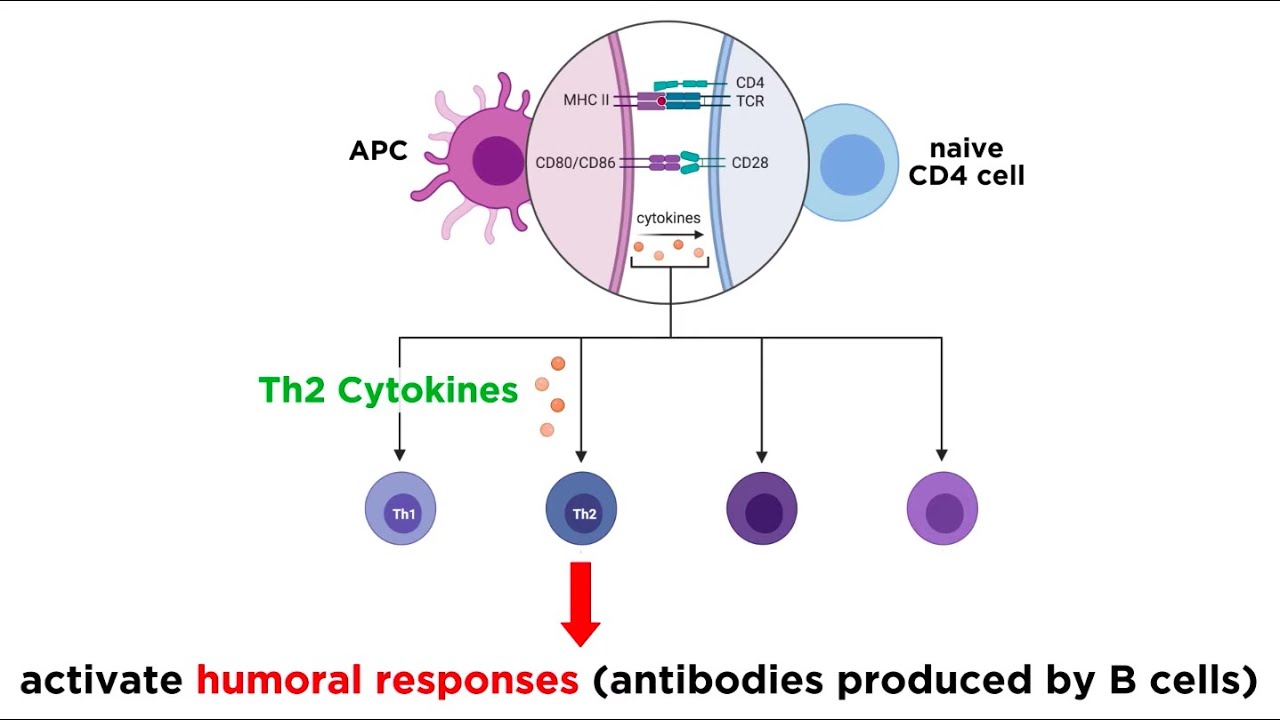
of the TLR family tlr4 which is expressed on the surface of the dendritic cell LPS is transported by the soluble LPS binding protein LBP to the surface of the dendritic cell and deposited on the cell surface protein cd14 the presence of LPS is detected by tlr4 through its interaction and recognition of the LPS bound to cd14 the signal delivered by the TLR initiates maturation of the dendritic cell the dendritic cell can now migrate to regional lymph nodes and activate the acquired immune response