We just finished examining the general form and function of Subphylum Chelicerata. Let’s continue looking at this clade by discussing reproduction and development, unique adaptations, ecological roles, and their relationships with humans. In terms of Chelicerate reproduction, some species, like the horseshoe crabs, engage in mass-spawning events.
Females lay eggs and males externally fertilize them with sperm. Smaller males will often follow larger females to breeding areas. The females then deposit fertilized eggs during high tides in the spring and summer, which develop in small pools on land.
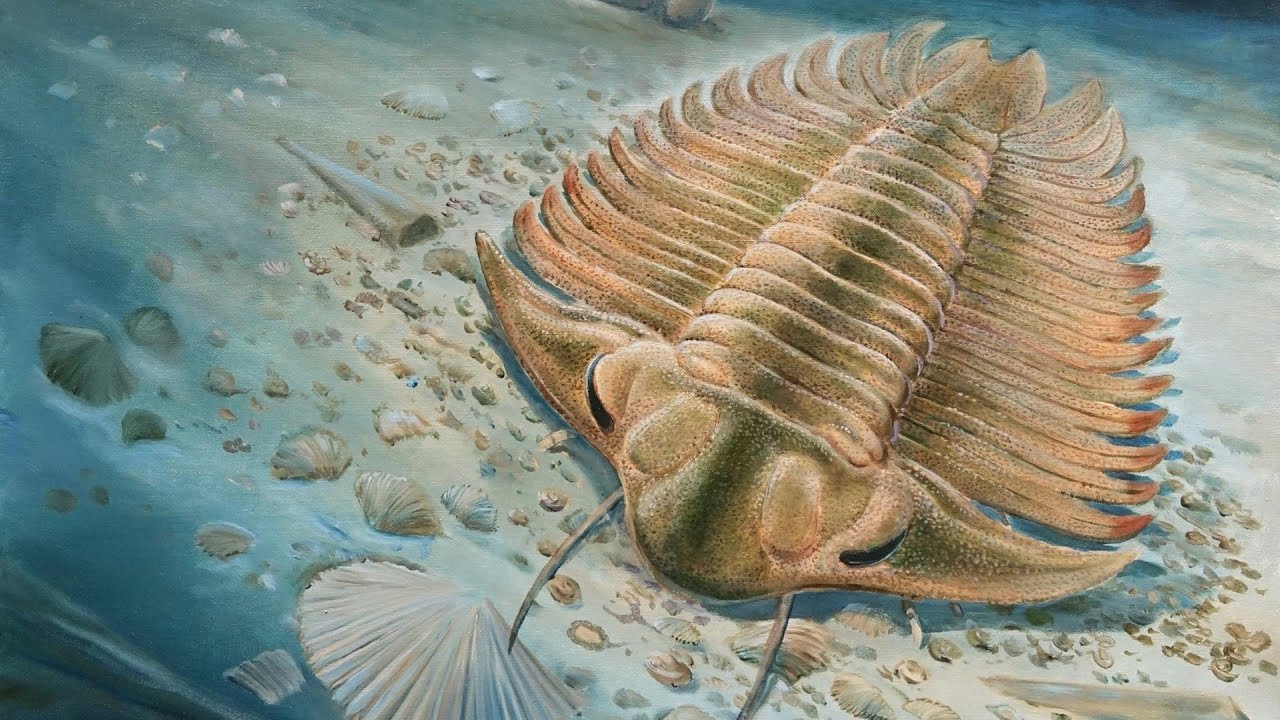
Then a baby horseshoe crab called a “trilobite larva” emerges at the following high tide and makes its way to sea. In some species, like many mites and ticks, fertilization is direct. The male has a chitinous penis that he uses to directly fertilize the female after courtship.
The female then lays fertilized eggs in the substrate, which hatch within six weeks. Within three molts the larvae become nymphs, and in an additional three molts they become adults. In other species, fertilization is indirect and requires a great deal of courtship.
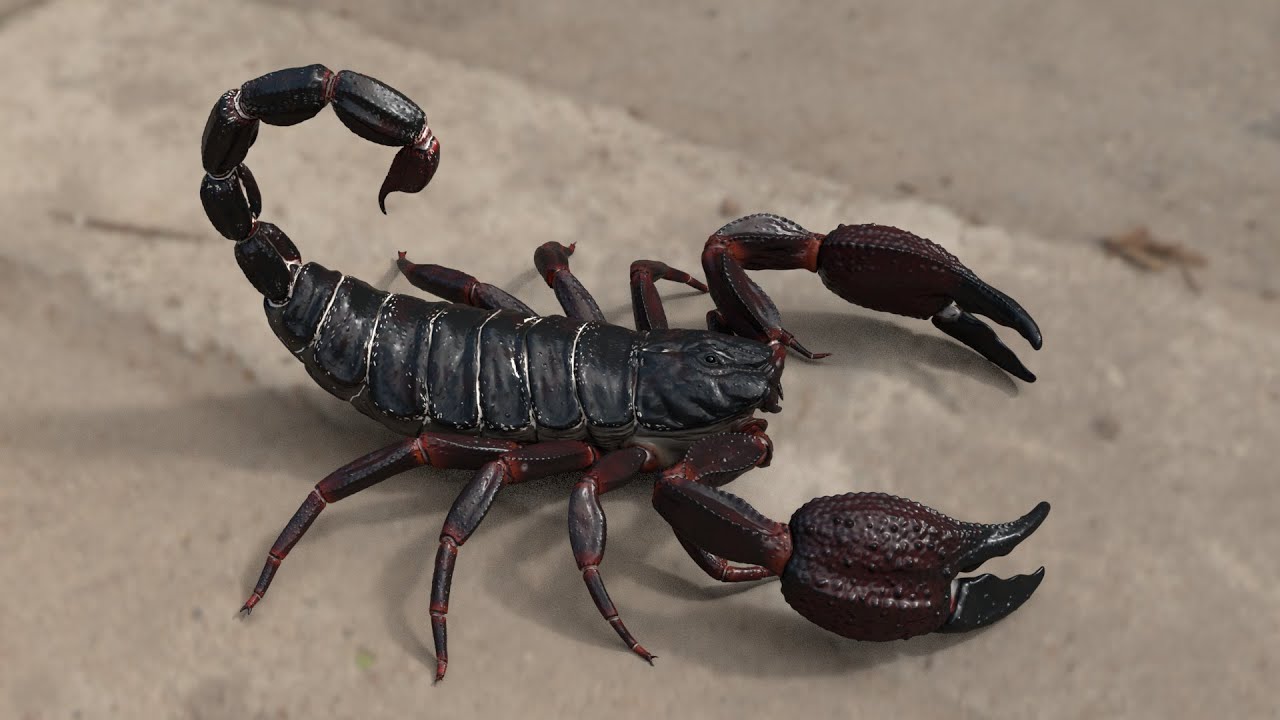
For many species of neotropical scorpions, for example, courtship involves at least five steps. It begins with attempted contact and posturing by the male. If the female accepts, then the male begins “dancing” for the female and the two hold pedipalps.
Next the male strokes the female’s chelicera, and then the male slowly and deliberately stings the female, injecting her with venom. The two may then remain motionless for up to an hour, before the male lays a packet of sperm on the ground and pulls the female over it so it aligns with her reproductive system. Complex courtship occurs in spiders as well.
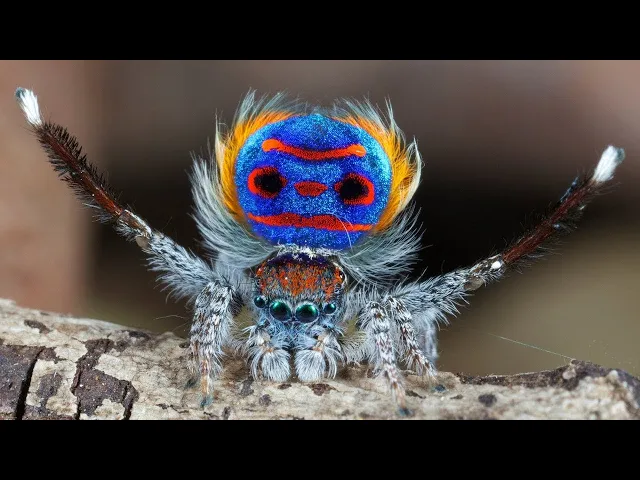
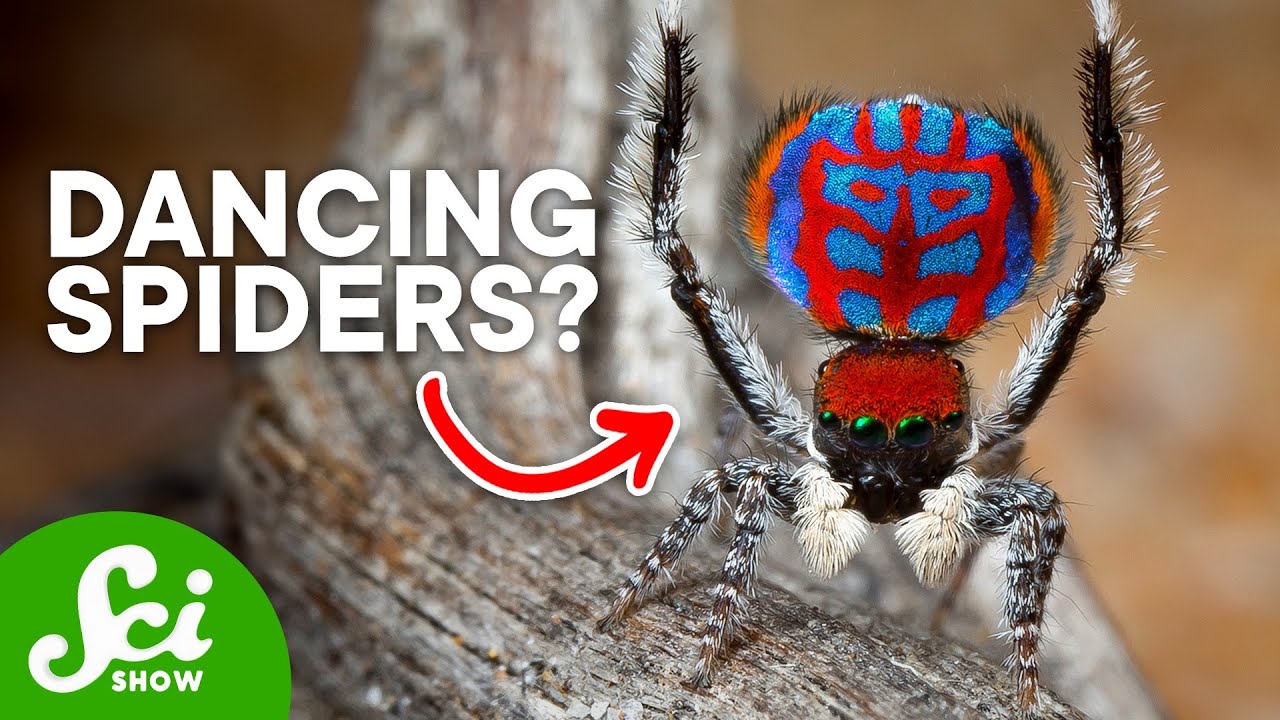
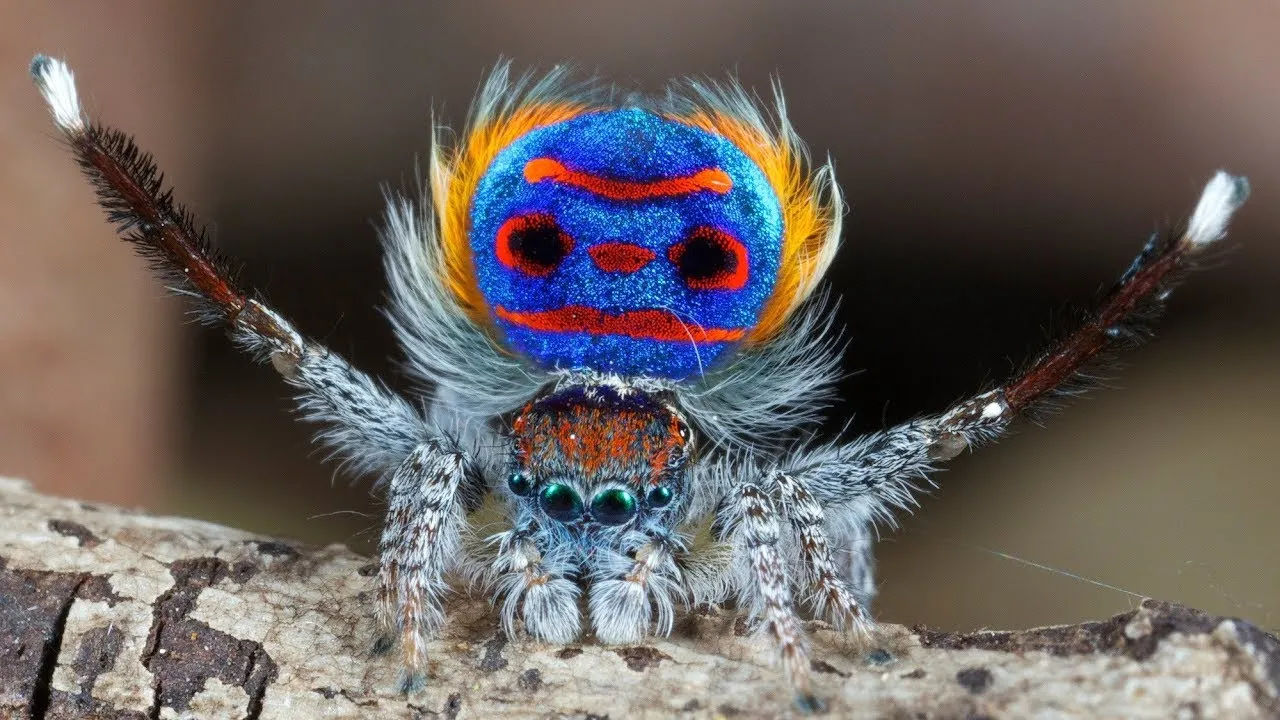
Many species of persistent male jumping spiders undergo elaborate dances, in the hope that the female will copulate. Males spin small sperm webs onto which they ejaculate, and then transfer the sperm to special syringe-styled structures, palpal bulbs or palpal organs, on the tips of the pedipalps of mature males, that he then transfers directly to the female sperm receptacle. In web-weaving species, males must often enact precise patterns of vibrations in the female’s web, while patterns of touches on the female's body are important in many spiders that hunt actively.
Since the females of many spiders are often much larger than males, the males must often precisely instigate the ritual or risk being eaten by a potentially hungry female. In order to placate the female, some males present females with nuptial gifts, like silk-wrapped packages containing paralyzed prey. If the female is hungry, she may accept and eat the gift and allow the male to mate.
However, some males will occasionally present females with empty packages in the hopes that she allows him to mate before discovering his trick and potentially eating him in place of his package. Parental care varies from none at all, like with many mites and ticks, to extremely prolonged. Female scorpions, for example, defend their young until they hatch, or give birth to live young, which they then carry on their backs until the first molt, and in a few semi-social species the young remain with their mother even afterwards.
Many female spiders care for eggs until they hatch, and some, like the wolf spiders, allow their brood to hold onto to their backs and even feed them prey or regurgitate food. Some spiders, like the desert spider, go a step further and take part in matriphagy where the mother is eaten by the young. In addition to these courtship displays and developmental plans, many chelicerates also have unique adaptations such as spinnerets, silk glands, venom, and other chemical defenses.
Spider silk is stronger than steel fiber of the same width. It is a protein made of glycine and alanine, which is stored as a gel in spinnerets that hardens when water is removed. Different types of silk can be used to capture and immobilize prey, aid in reproduction, help in dispersal, line nests, create guidelines, droplines, and anchorlines, alarm lines, and pheromonal trails.
There are seven main glands that produce different types of silk. The Ampullate, both major and minor, the Flagelliform, Tubuliform, Aciniform, Aggregate, and Piriform. Each has a different use and can be individually stimulated to produce the type of silk needed.
It’s worth noting that spiders can hypothetically get stuck in their own webs, if they touch the wrong combination of threads, but they never seem to do that, unless chemically manipulated by researchers. Essentially, spiders are able to spin sticky and non-sticky silk and they avoid walking on the sticky silk. Venom has evolved three times in the chelicerates; spiders, scorpions and pseudoscorpions, or four times if the hematophagous secretions produced by ticks are included.
Although spiders are widely feared, only a few species are dangerous to people. Globally, in the entirety of the 20th century, there were less than 100 reliably reported deaths due to spider bites. Even the infamous Australian funnel-web spiders, deemed the “world’s most dangerous spiders” in terms of toxicity, have only resulted in 13 human deaths over 50 years, even though the total number of bites is well up into the thousands.
Most spider bites require no medical attention and heal on their own, though necrosis in humans has been confirmed following some bites and does indeed require antivenom and medical experts. Scorpions, on the other hand, can be much more dangerous, and cause about 1,000 deaths annually in Mexico alone, but only one every few years in the United States. The ecological role of subphylum Chelicerata varies widely by taxon, but most are predators.
Without spiders, for example, humanity would likely face famine. Spiders are primary controllers of insects. Without spiders, our crops would require a great deal more pesticides, and some insects may evolve fast enough to continue to consume our crops regardless.
By a conservative estimate, spiders consume between 400 and 800 million metric tons of insects every year. Thankfully, spiders are found almost all over the world and play important roles as consumers and prey. Scorpions play a similar role where they are found, and in some of their territory they are considered top predators.
Harvestmen are important detritivores, cleaning up dead material, and many species of mites play a role in cleaning the bodies of vertebrates and maintaining their microbiomes. In terms of human relations, some chelicerates are harmful pests and parasites, while others are essential to our survival. In fact, right now you likely have chelicerates living on your face and there’s nothing you can do to get rid of them.
These tiny mites of the genus Demodex feed on your dead skin cells, mate and lay eggs, and usually cause you no harm. There are probably millions of them on your body right now, they are not killed by proper hygiene, and may actually help your skin stay healthy. Some species of Acari, like the ticks, are potent vectors of disease like Lyme disease, Rocky Mountain Spotted Fever, Anaplasmosis, Babesiosis, Powassan Virus Disease, and others.
Ticks embedded in human skin should generally be removed within 24 hours to avoid disease transmission. The only proper way to remove a tick is to use fine-tipped tweezers to grasp the tick as close to the skin's surface as possible and pulling upward with steady even pressure. Regardless of what you may have heard growing up, this is the only proper way to remove a tick.
Aside from the ticks, chelicerates have many other beneficial uses to humans. Horseshoe crab blood has a range of medical uses, and recombinant spider silk is extremely important in the medical industry, where it can be used in the closure and ligation of various soft tissues during ocular, neural, and cardiovascular surgeries, as it readily seals the wounds and dissolves into the body. In addition, different spider and scorpion venoms have been tested to treat issues as diverse as cancer and erectile dysfunction.
Research on these compounds is still ongoing. So that covers quite a bit of general information on Subphylum Chelicerata. But there’s still more to discuss with this clade, especially their diversity and phylogenetic relationships.
So let’s continue by examining the diversity of subphylum Chelicerata.