did you know that the inca had one of the most sophisticated road networks and messenger systems in history stick around to learn all about the inca civilization hello and welcome to world history encyclopedia my name is kelly and in today's video we are going to explore the history of the inca civilization don't forget the easiest way to support us is by giving this video a thumbs up and subscribing to our channel and hitting the bell icon for notifications so you don't miss out on our new videos every tuesday and friday the inca civilization flourished in
peru and surrounding areas between 1400 and 1533 ce prior to the inca being dominant in western south america the chimu occupied the area until 1470 when the inca defeated them the inca who started as a small settlement in cusco ended up expanding along the andes and the pacific south coast as far north as quito in modern day ecuador and as far south as santiago did chile which made it the largest empire in the americas at that time although the environment of the andes which was the area they inhabited was often quite harsh the inca utilized
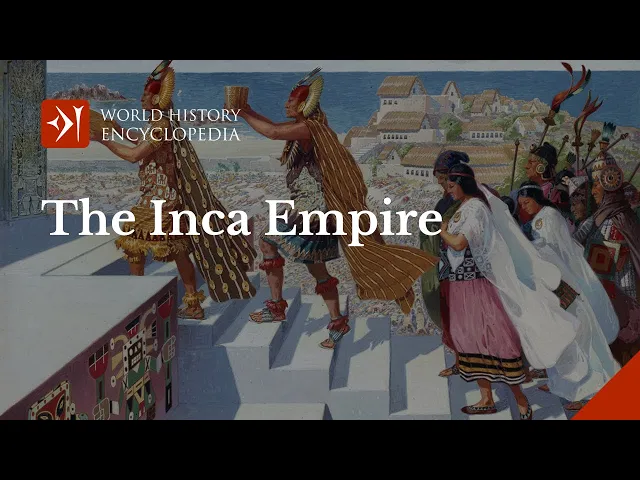
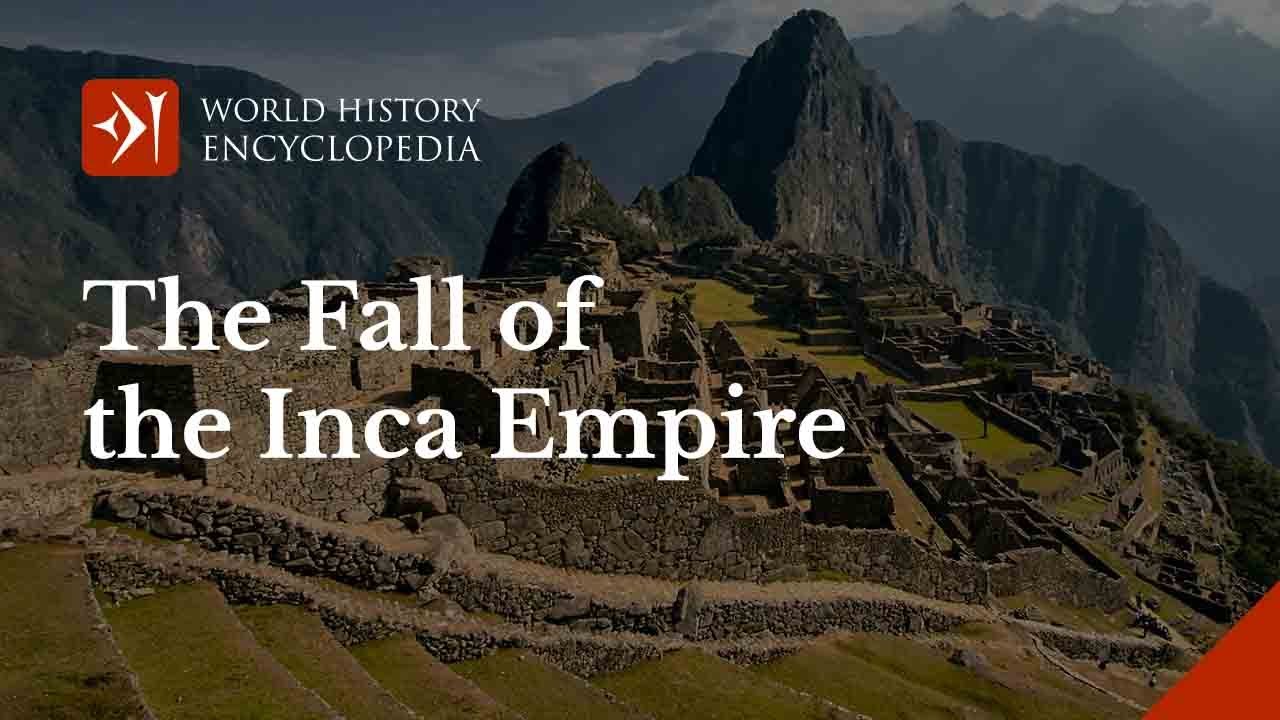
the natural landscape to construct mountaintop settlements complex road networks and terraces and canals for diverting and moving water their most famous site today is the ruins of machu picchu but the capital city of the inca civilization was cusco where the laws were decreed and spread throughout their empire along their sophisticated messaging system but more on that later for the incas the world was made by the creator god virakocha who emerged from lake titicaca viracocha created a race of giants but he found them too large so he destroyed them and made humans on a smaller scale
as well as creating the sun the moon and the stars after creating humans and leading the founding couple to cusco to live and teaching the people civilized arts he walked across the sea to the west and promised that one day his messengers would return the inca believed they were all descended from the sun god inti who was also among the most important gods in their pantheon and also believed their ancestors emerged from places in the natural landscape such as a tree or a spring known as pacquiarinas there was no difficulty in reconciling the belief in
the sun as people's origin with an earthly one as descending from a tree because all things were considered part of the divine the incas were polytheistic and their deities dwelt in one of three realms the hanon pacha which was the upper realm and home to inti the sun god and the moon goddess and sister to inti kila the middle world or ke pacha which was the home to humans animals and vegetation and ukupacha the underworld and overseen by supe the god of death they believed that the natural world was controlled by the gods and so
their belief in the gods informed their daily lives significantly in the inca religion there were three rules which were considered a single rule do not steal do not lie do not be lazy and if you followed this rule after you died you would go to the upper realm also known as the land of the sun if you didn't follow these rules you would go to the underworld after you died where it was always cold and your soul would be lonely forever in eternal darkness bleak i know the souls who were neither perfect nor terrible in
life would get to go back and have another chance at life trying again and again until they got life right the inca also practiced mummification and buried their dead with grave goods but instead of placing the corpse lying down the mummies were buried sitting up why the inca practiced this method of burial is still unclear [Music] the inca empire was huge and at its height it reached over 4 000 kilometers or 2 500 miles with this in mind how did they keep that whole territory in order the government of the inca empire and central power
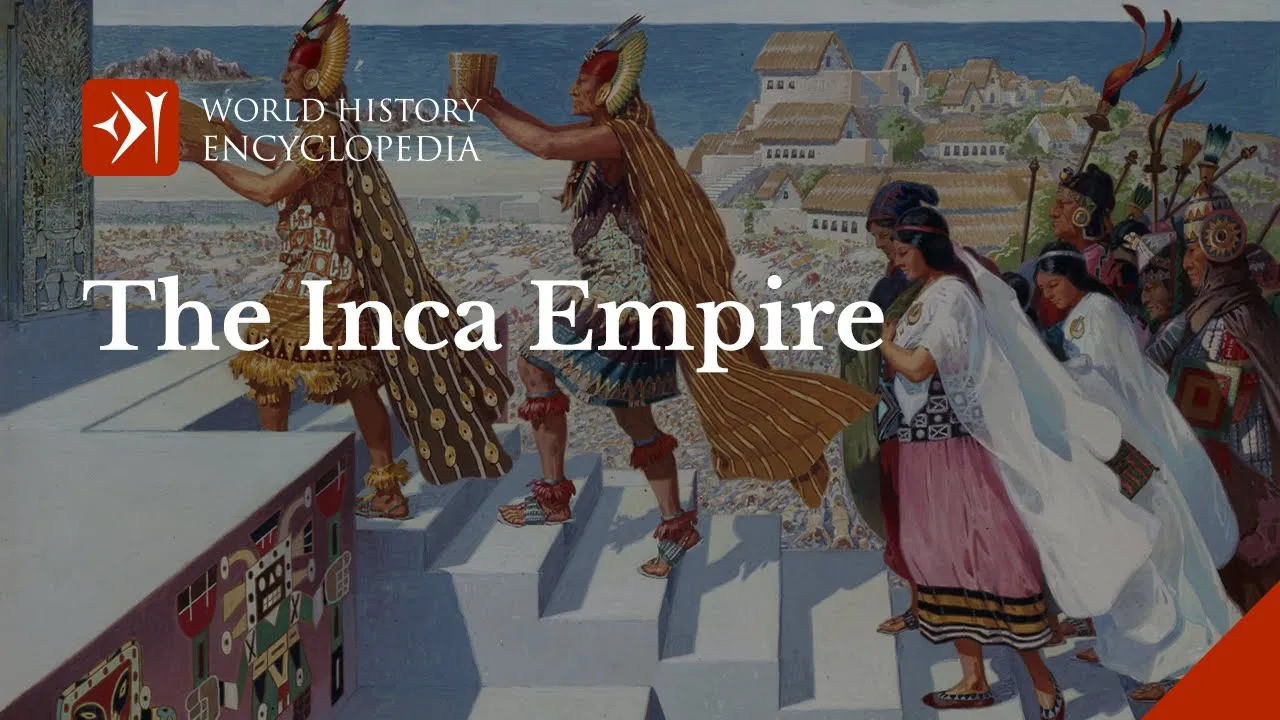
was focused at their capital city cusco and this centralized government ended up being in charge of over 10 million subjects who spoke over 30 languages and to manage that kind of scope they had around 40 000 inca governance when the inca conquered a group they would impose their administration religion and even their art onto the conquered regions and while they received tribute from these peoples and integrated them into their empire the inca would provide them with food better storage facilities military assistance luxury goods and access to the roads and state-sponsored religious festivals the inca had
a king known as the sapa inca which means unique inca who was the absolute ruler and was considered divine and a living descendant of inti legitimizing the inca divine right of rule the king was in charge of politics society the food stores of the empire and was even the commander-in-chief of the army the king would marry on his accession to the throne with his wife sometimes being his own sister the queen or koya was known as maman geek our mother and held some power over her husband via her kin group especially when it came to
selecting which sun would be the heir at the top of the ruling hierarchy just below the king was his high priest willakumu and 10 royal kindred groups of nobles called panaka below them was another 10 kindred groups and below them another 10 then at the bottom of the administration were the locally recruited administrators who looked over the settlements and the smallest andean population unit known as the eilu which was a collection of households which was often a group of related families who lived together worked an area of land and alu was governed by a small
number of nobles or kurakas a role which could include women the local administrators would report to a group of around 80 regional level administrators and they would report to the four administrators of the four quarters of the empire who in turn report to the king as you might have already noticed it was an intricate affair and it needed to be in order for such a large empire to be successfully governed although super intricate it was an incredibly efficient system and information traveled quite quickly as it was passed down through the layers of administrations and this
process was aided by the sophisticated roads constructed by the inca the network of roads covered over 40 000 kilometers or 25 000 miles within their territory which made it easier to move goods that trade with the use of llamas since they didn't have wheeled vehicles as well as easy movement for armies and administrators also along these roads lived pairs of messengers whose entire responsibility was to receive and then deliver messages and they lived in pairs so while one slept the other was awake to deliver the messages there were stations ins and storage depots along this
roadway for supply troops give travelers a rest and maintain those who worked for the messenger systems and now imagine getting all this done without writing anything down the inca didn't develop an alphabet or a writing system but what they did develop was a sophisticated system of record keeping called akipu a keeper used colourful knotted strings to signify certain information but what that information was is still unknown interestingly there was also no currency in the inca empire and things like taxation would have been paid in foodstuffs precious metals and textiles looking at the ruins of inca
sites such as machu picchu it's hard to believe that they were constructed without the use of wheels steel tools or mortar to stick the stones together the inca created these buildings out of such tightly shaped stones that even through earthquakes the buildings stay standing the land which the inca lived on was mountainous but this did not stop them from constructing buildings walls and fortifications the inca created terraces in order to grow crops and these terraces often included canals and underground water irrigation systems which were also used for fountains as part of their extensive road system
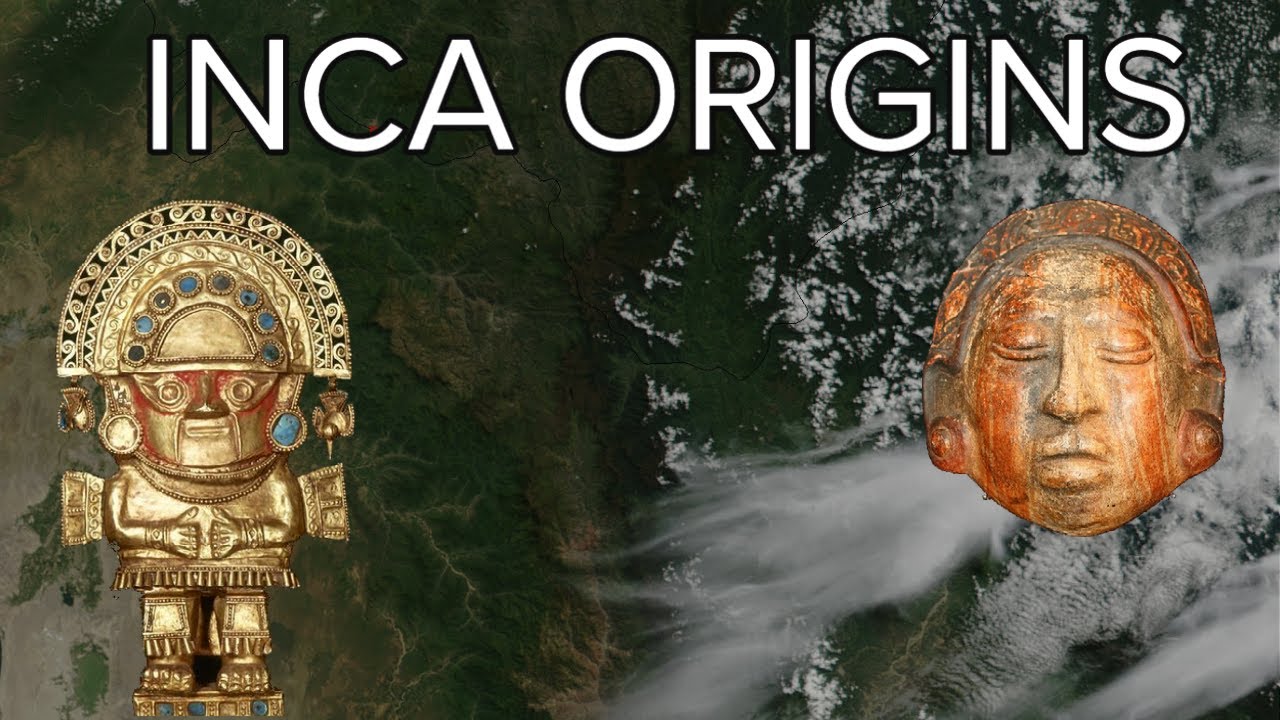
was the suspension bridges which connected parts of the inca territory and were made out of woven fibres this practice of constructing suspension bridges out of grass and woven fibres is still practiced today even though there are metal bridges for cars this refined fibre working perfected by the inca was even used to construct boats inca were also known for their sophisticated artistic style especially their textiles they created highly polished metal work out of precious materials such as gold and silver the king lived in luxury and would drink out of gold and silver cups and wear silver
on his feet gold was considered the sweat of the sun and silver was the tears of the moon and they created objects such as jewelry figurines ceremonial knives and everyday objects for nobility ceramics were made out of clay by hand since they didn't have potter's wheels and they were decorated in abstract plants zigzags geometric shapes and dots in spite of these crafts the inca were most revered for their textiles the finely worked and highly decorated textiles were signs of wealth and status and the colours they used were from natural sources such as mollusks minerals plants
and insects one of the most popular designs was the checkerboard and one of the reasons for the repetition of designs was that pottery and textiles were often produced for the state as a tax and so artworks were representative of specific communities and their cultural heritage much like national currencies nowadays in 1528 francisco pizarro and his partner diego de almagro were adventurers and treasure seekers looking for gold since their companions found so much of it in mexico from the aztec world decades earlier in 1528 the expedition's pilot bartolomeu ruiz captured a raft off the coast which
was filled with treasure and so with a 168 men 138 veterans 27 cavalry and one friar they set off for the andes later they got some reinforcements which bumped their number up to 260 which included 67 cavalry and as they moved they pillaged they formed a settlement at san miguel and by the end of 1532 pizarro was ready to make contact with the ruler of what seemed to be a large and wealthy empire on november 15th the spaniards approached the inca town of kashmaka and the king atahualpa who felt fairly safe surrounded by 80 000
of his men agreed to meet after the formal meeting with speeches and drinks the next day pizarro planned an ambush for when atahualpa arrived in the square it turned out that clubs spears and arrows were no match for firearms and atahualpa was hit on the head and captured alive atahualpa continued to rule from captivity during the eight months it took for the inca to come up with the ransom pizarro demanded which was a room measuring 6.2 by 4.8 meters filled with all the treasures the incas could provide up to a height of 2.5 meters then
even though he got his ransom pizarro killed atahualpa anyway although the collapse of the inca civilization is often credited to the spanish namely the conquistadors under francisco pizarro in 1533 the civilization was already in a state of decline prior to the arrival of the spanish this decline was caused by rebellions from the people they conquered since the inca forced their religion art and taxes on them as well as fighting within the empire and the decimation of up to 90 of the inca population due to disease most likely smallpox brought to the americas by the spanish
so it's safe to say that if pizarro hadn't come along and exploited the unrest already brewing in the population of the inca who saw their conquerors as oppressors they would have eventually collapsed anyway what form this collapse may have taken can't really be guessed at but it's a pretty good bet it wouldn't have involved the kind of cruelty and destruction of the indigenous culture that resulted from the spanish conquest of the 16th century how much did you know about the inca empire before this video and what did you find most interesting let us know down
in the comments below if you enjoyed this video make sure to give it a thumbs up and subscribe to our channel so you don't miss out on our new videos every tuesday and friday this video was brought to you by world history encyclopedia for more great articles and interactive content head to our website by the link below world history encyclopedia is a non-profit organization so if you'd like to support our work you can head to our patreon via the pop-up in the top corner of the screen or via the patreon link down below thank you
so much for watching and we'll see you soon with another video [Music] you