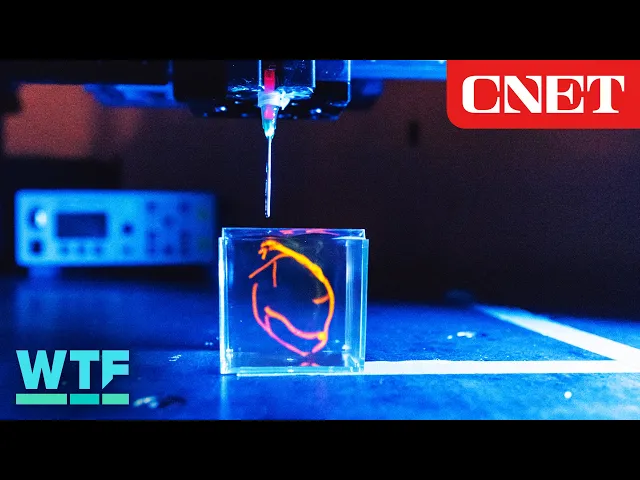
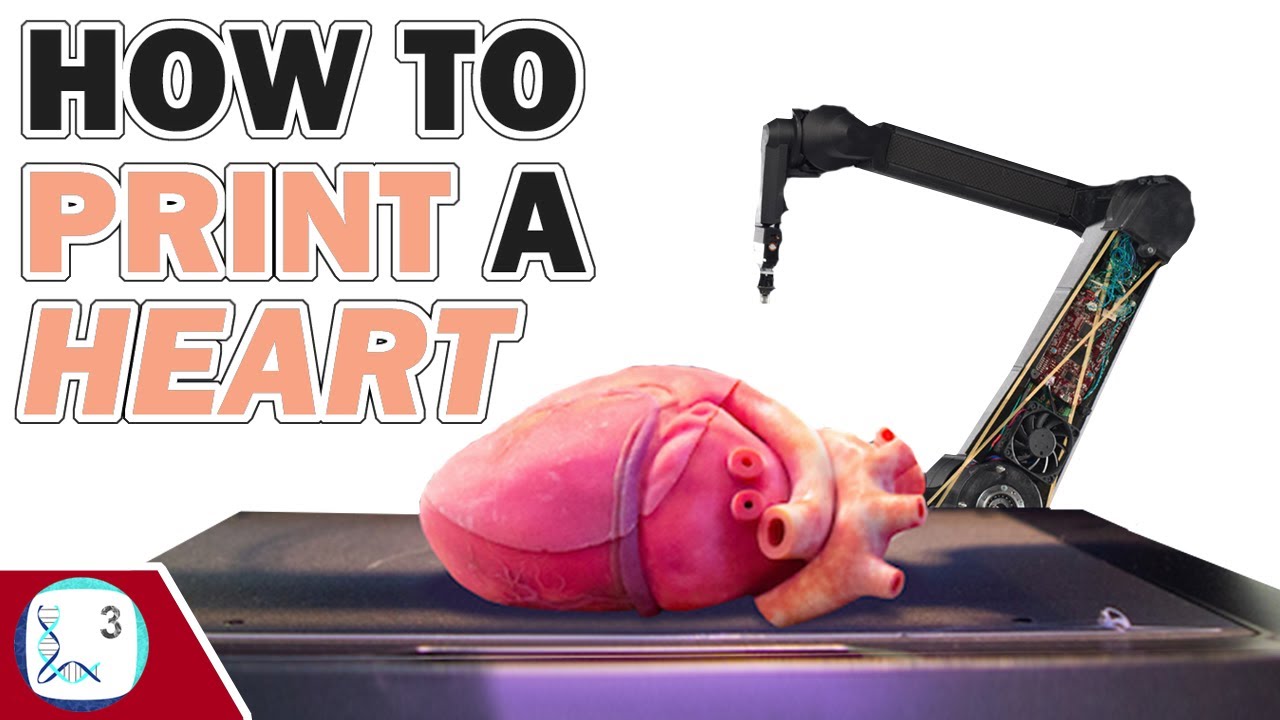
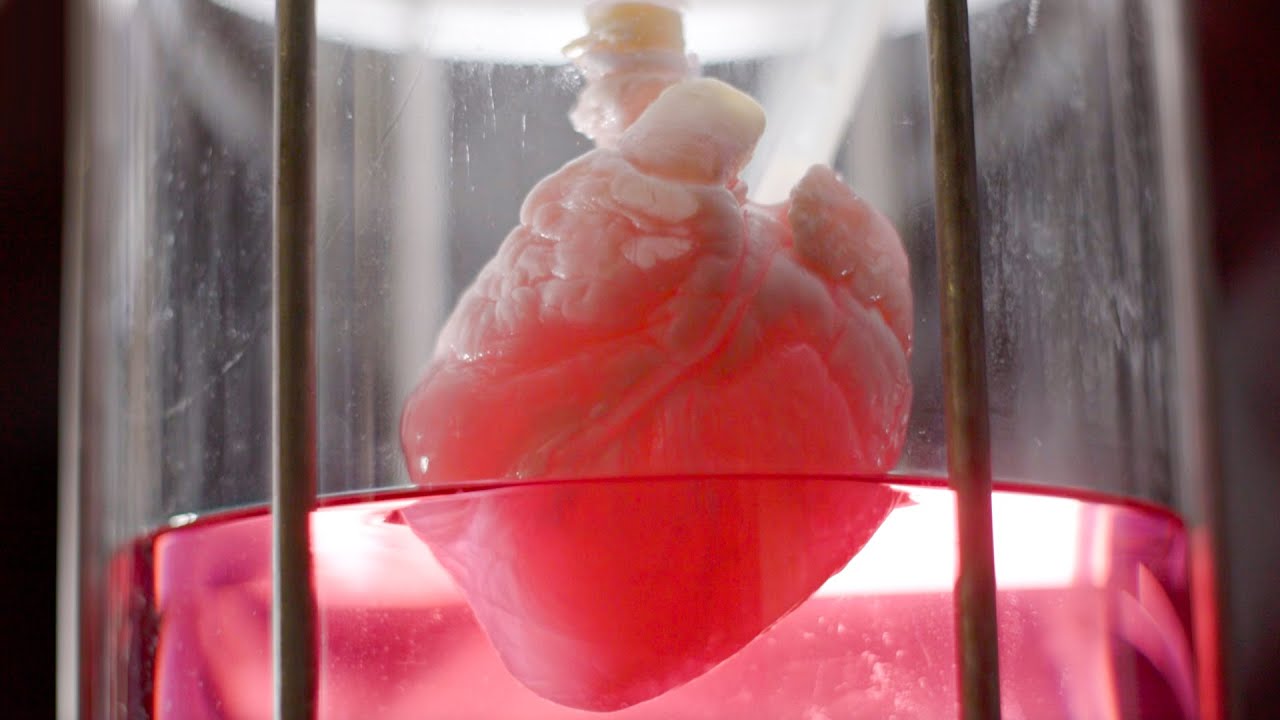
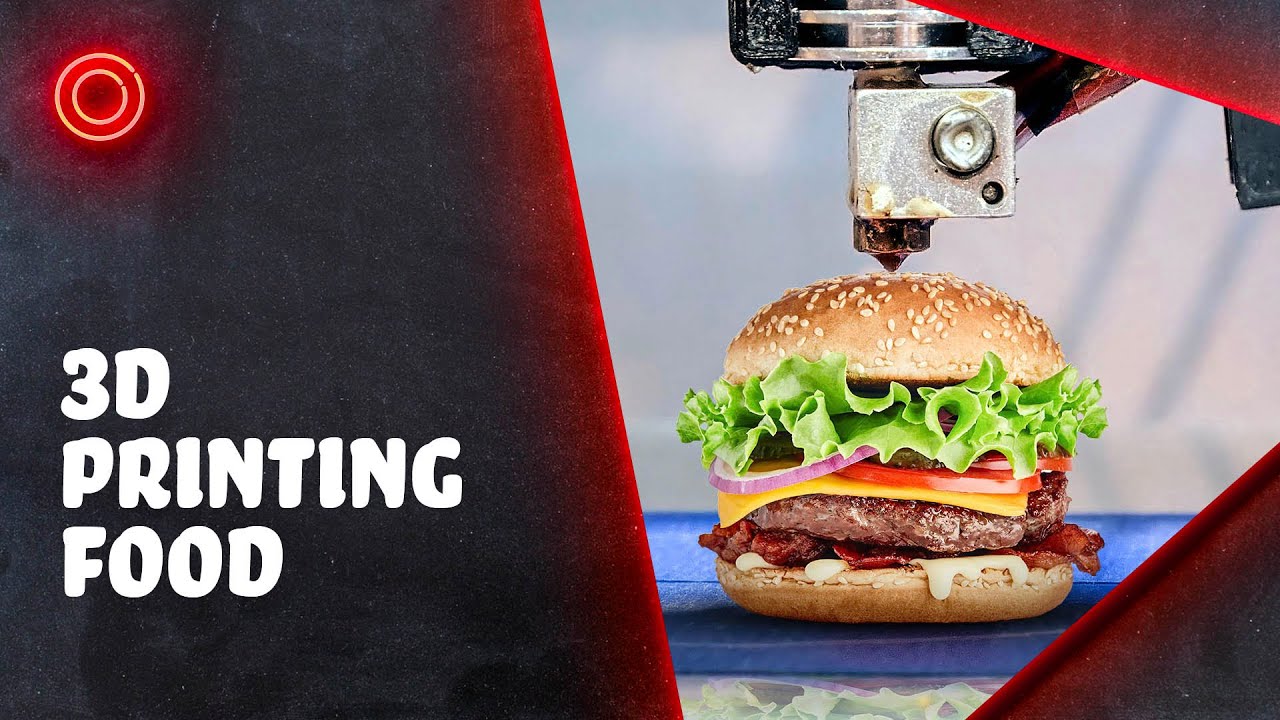
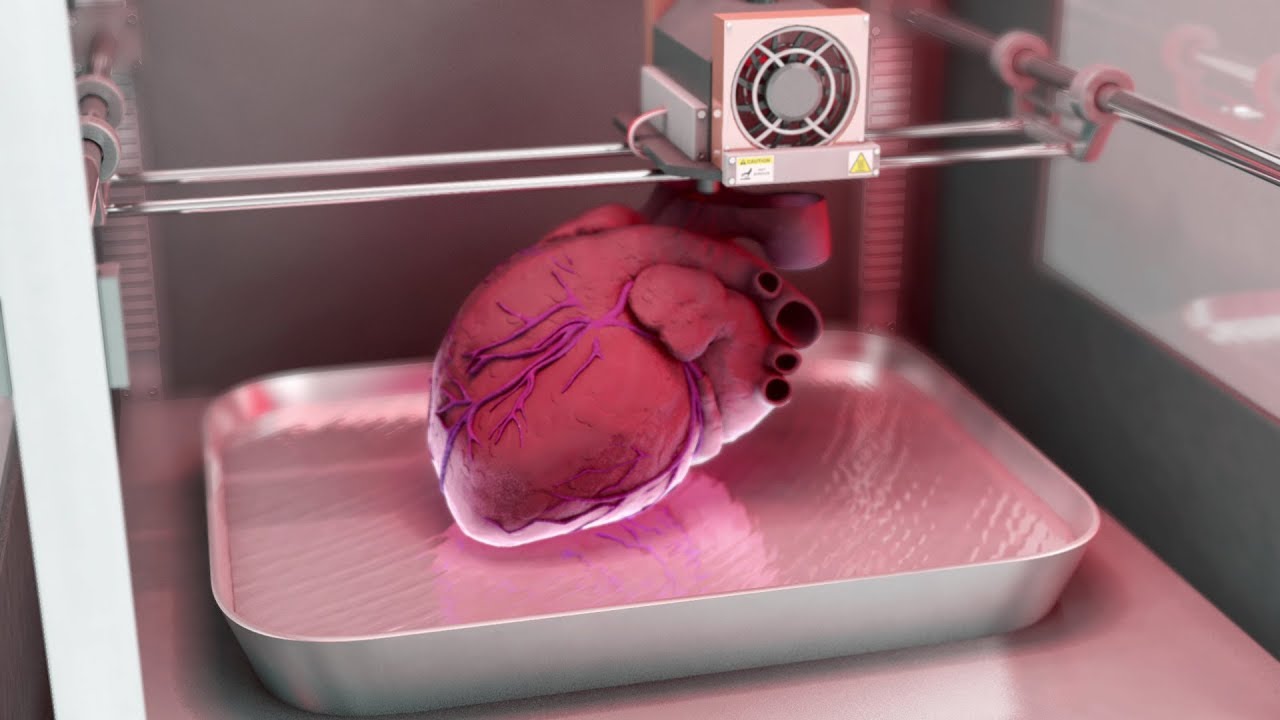
foreign [Music] U.S kids are born with a heart defect that's why scientists in this Stanford lab are working on an Innovative new technique to 3D print heart tissue that could give those kids longer and healthier lives 3D printers are changing the way we build just about everything from our cars to our homes even our food but can they recreate one of the most crucial and complex human organs it sounds ambitious it is ambitious but we believe that a lot of the basic building blocks to go ahead and start a project like this are in place
Dr Mark Schuyler Scott and his team of bioengineers are using Advanced 3D printing techniques to turn a paste made of living cells into actual heart tissue the goal to one day be able to print crucial pieces of the Heart Like Valves and ventricles that are living and can actually grow with a patient for adults we have donor organs that can last 20 30 years after transplantation which if you're a 60 or 70 year old adult is almost as good as a cure but if you're a child at the age of two needing a transplant knowing
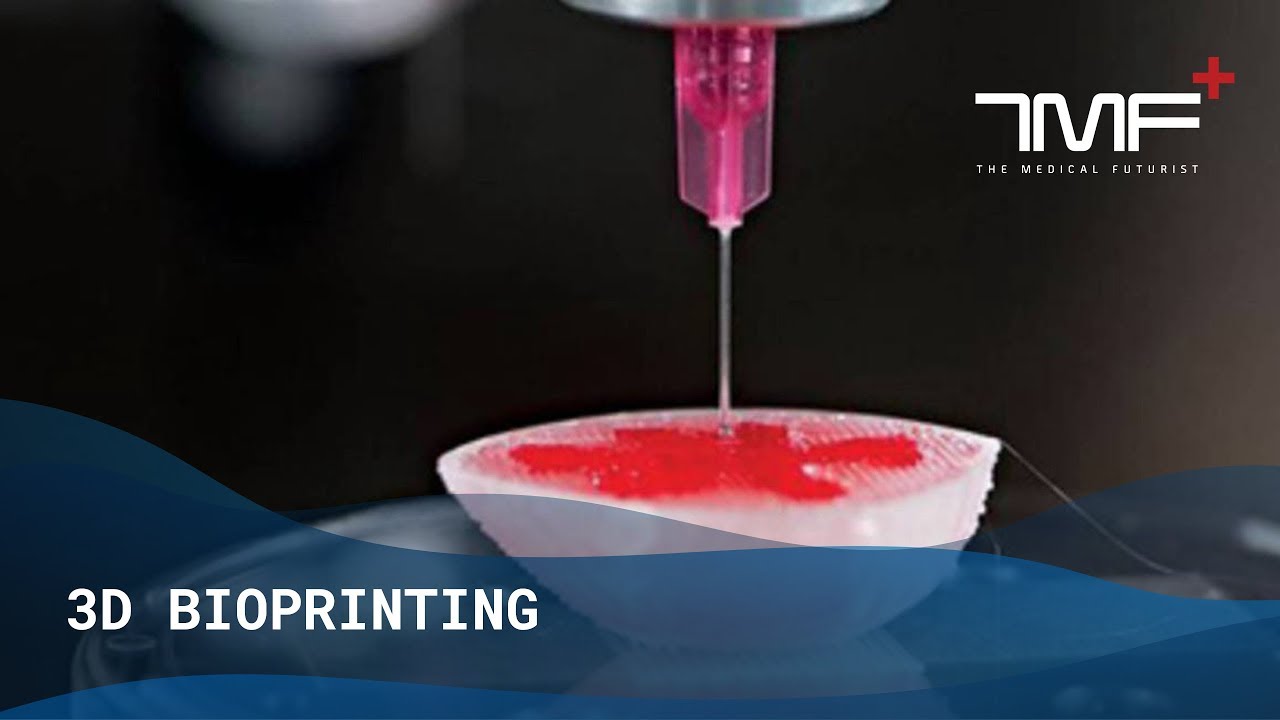
that after 20 30 years your transplant may be rejected by an immune reaction then this is not long enough the concept of printing living tissue isn't new it's called bioprinting but it can be a slow process if you truly want to recapitulate everything about an organ one might think about the need to write every single cell in its final location now if you did that at a rate of about a thousand cells per second it would take over a thousand years to make a single hump and that's where Dr Skyler Scott's team made a breakthrough
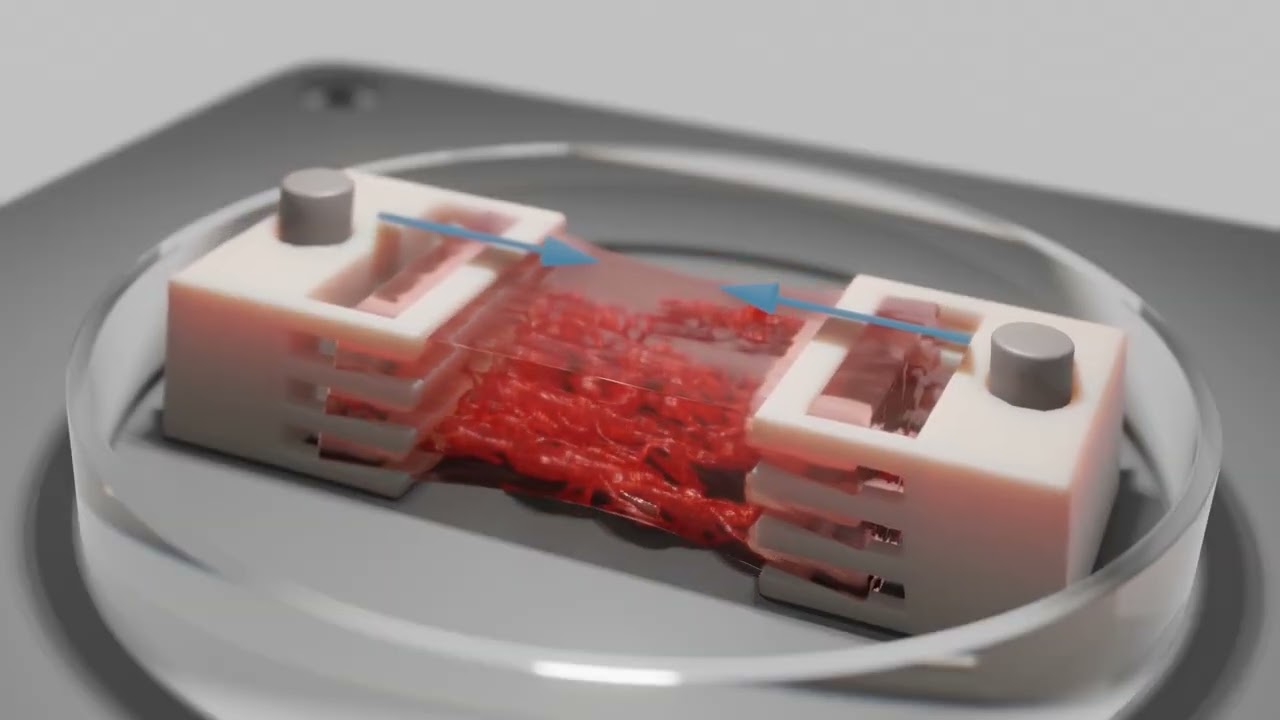
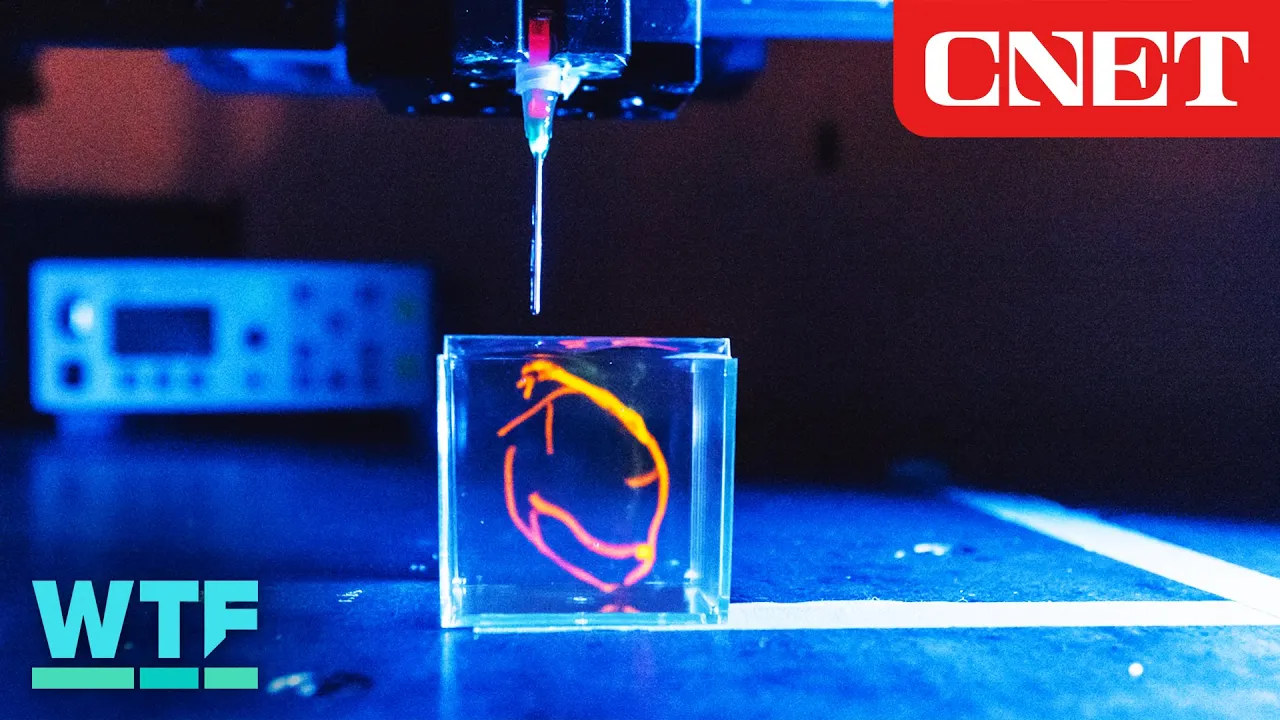
they developed a way to print with clusters of thousands of cells called organids we take millions of those Aggregates and condense those into what is essentially like a human stem cell mayonnaise that we can then print through the printer we can write very large and thick slabs of tissue that can really be used for transplantation in the future he just said stem cell mayonnaise and once it's printed it takes on a general shape of tissue that they can print blood vessel networks into we have the ability to write tissue living cells from stem cells and
be able to come in and patent vascular channels in 3D and then connect those channels to a pump and flow oxygen and nutrients through that tissue so it actually stays alive foreign in these videos is that technique simulated for us with what the team described as essentially hair gel the stem cells they use when they're printing a real sample are grown here in this large bioreactor all those little things you see floating that look like bubbles are actual stem cells so far the team has been able to create a structure similar to a human vein
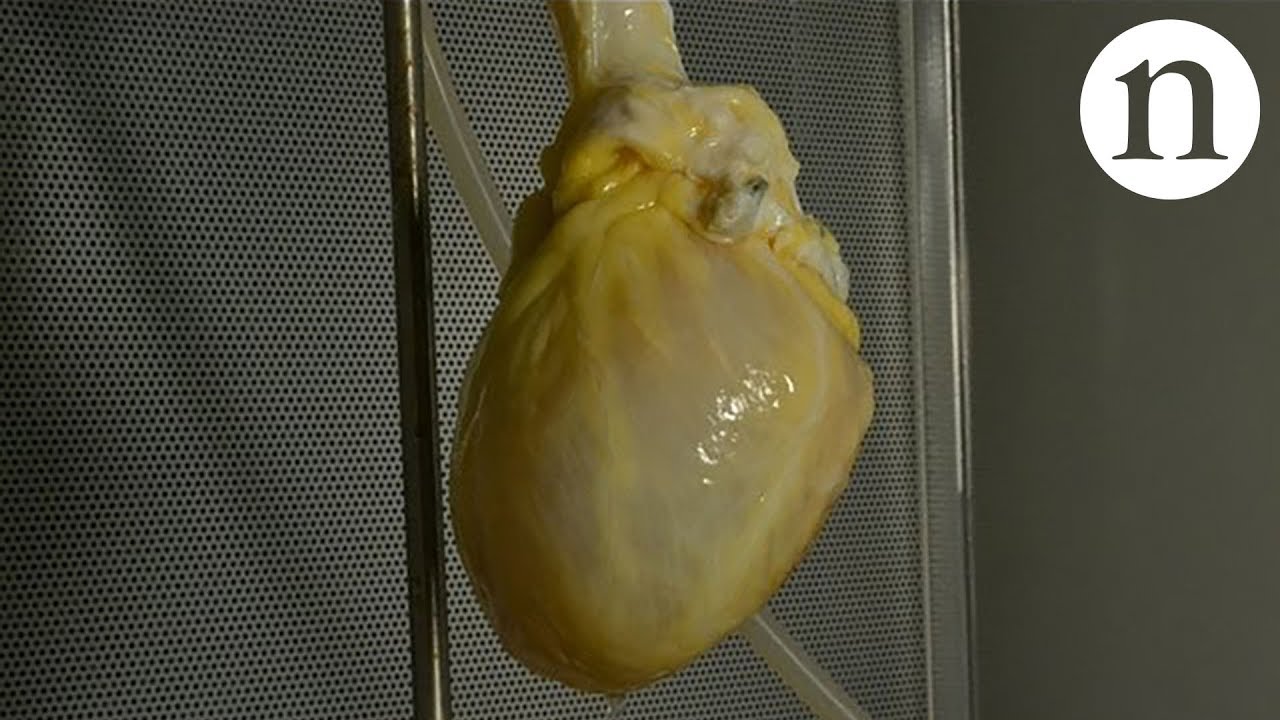
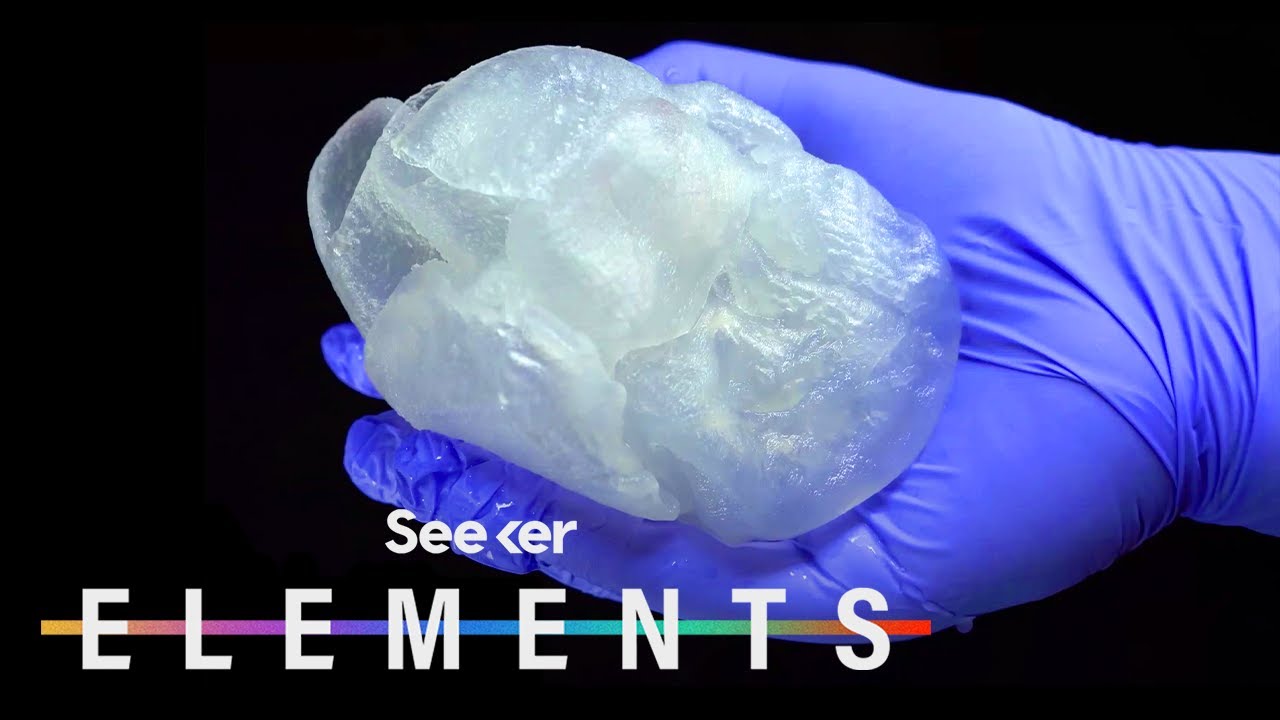
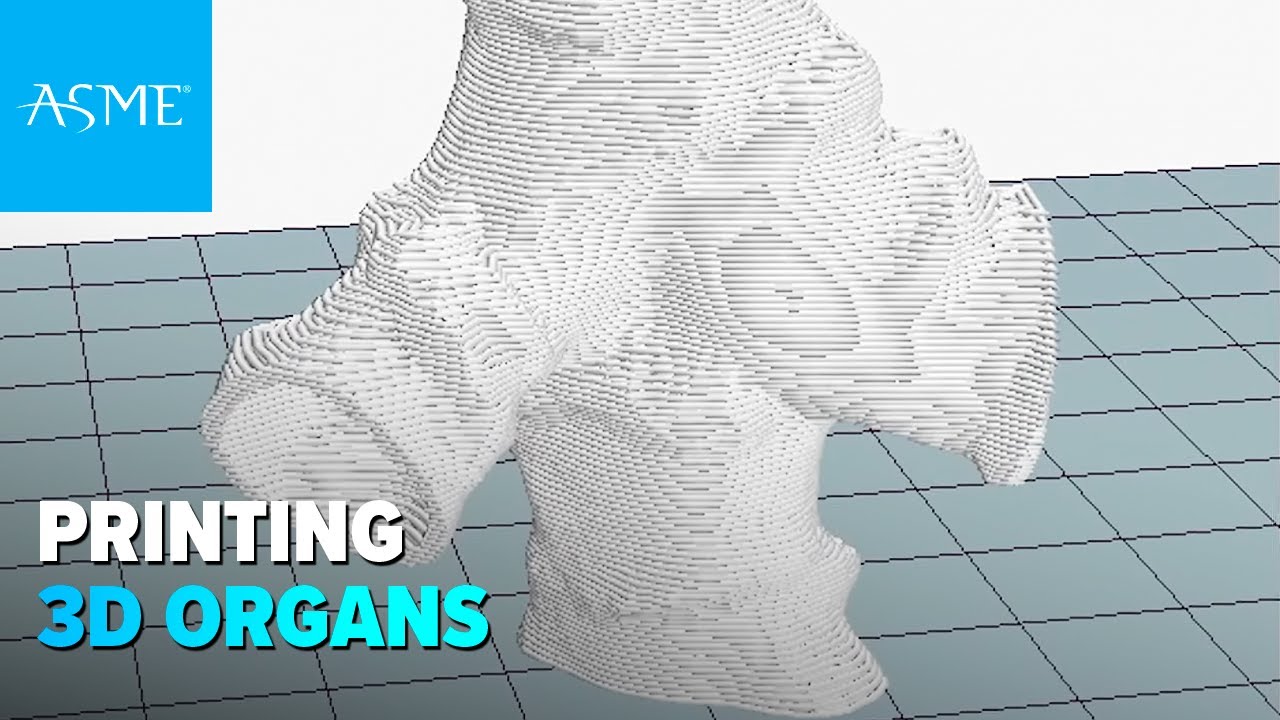
about two inches long and half a centimeter in diameter that could actually pump fluid on its own they couldn't show it to us because they haven't fully published their results yet but they were able to show us what a bioprinted heart valve using their technique could look like this again was printed with the hair gel and it's based on an actual pig heart valve like this one down the line doctors could use a technique like this to print the exact tissue they need on demand during surgeries something like this actually could be implanted in a
human body in as little as five years that's what the doctor just told me now if you're wondering about a fully printed human heart he says that's still a long way off but what do you think about this technology you find it exciting let me know in the comments below if you enjoyed this video please don't forget to give it a thumbs up and subscribe to CNET for more what the future