I would say this is the fundamental step of any good morning and if you don't do this enough you are messing yourself up in a number of ways if you can learn to do this you will do your best work you are actually tuning up and making your neural circuits for focus and attention better you can drop in like a laser so what's the routine then the ultimate morning and evening routine to set your brain and your mind up for Optimal Performance and not getting brain fog so I get up obviously I use the restroom
I drink some water I do think that hydrating is very important yes uh so I will I'll drink some some water and then the fundamental layer of health is to set your circadian rhythm the simplest way to do that is to go outside for 10 minutes and get some bright light in your eyes you do not have to look directly into the Sun but you do want to get outside out of shade cover if you can because once every 24 hours you're going to get a peak in cortisol which is a healthy Peak you want
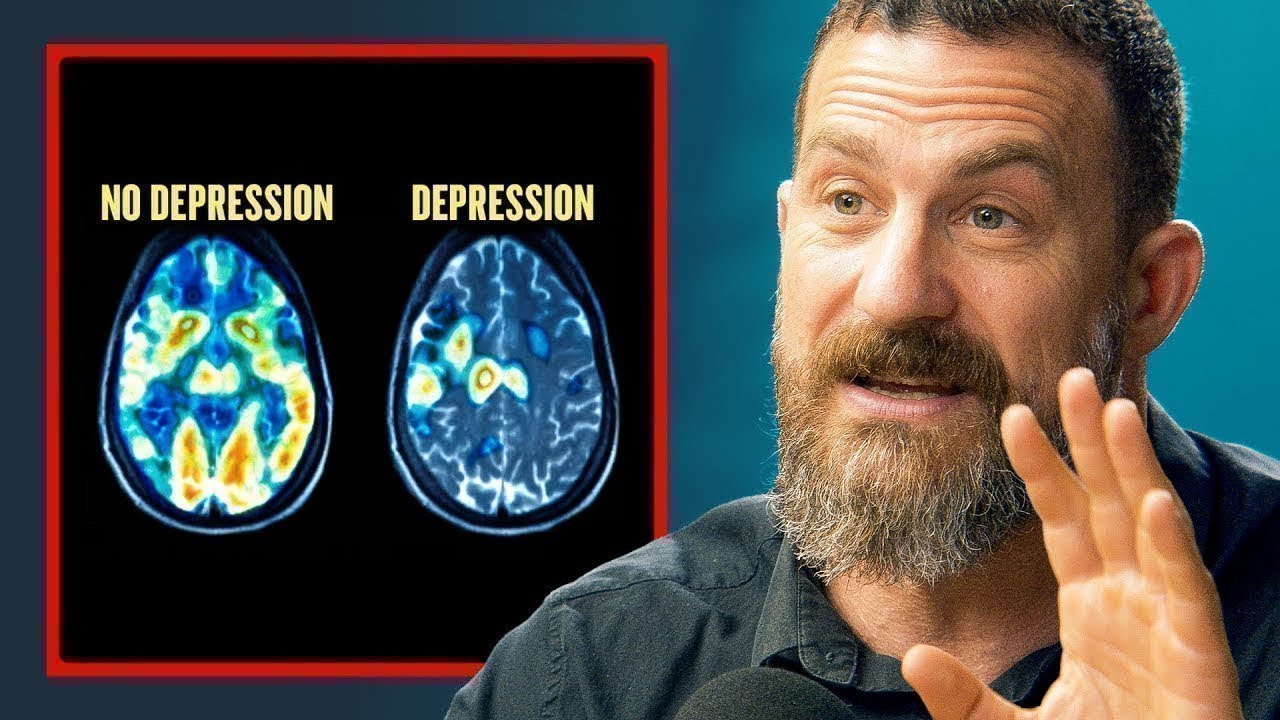
that Peak to happen early in the day because it sets up alertness for the remainder of the day if that cortisol Peak starts to drift too late in the day you start seeing signs of depression it's actually a well-known marker of depression so you want that cortisol almost stressed out kind of the day's beginning I have a lot to do feeling that's a healthy thing you want that happening early in the day the sunlight will wake you up and what's really cool is that over time you'll start to notice the sunlight waking you up more
and more the system becomes tuned up so get that Morning Light it sets a number of things in motion such as your melatonin Rhythm to happen 16 hours later to help you fall asleep I would say this is the fundamental step of any good morning and if you don't do this enough you are messing yourself up in a number of ways so then I come back inside and then I do not drink caffeine right away that it's important in many ways to delay caffeine enough so that you can clear out some of the chemical signals
in the brain and body that lead to a feeling of fatigue so the longer you're awake the more a molecule called adenosine builds up in your system and when you sleep you push that adenosine level back down when you wake up in the morning that adenosine level can be zero but oftentimes there's still some hanging around caffeine is an adenosine antagonist it blocks adenosine function it's a little more complicated than that but that's effectively what it does so if you wake up and you've got let's say 20 let's make this is arbitrary but 20 of
your adenosine has still hasn't been cleared out that's sort of a drowsiness that you woke up with then you go and you drink your coffee and you crush that that ability of adenosine to have that effect but it hasn't gone away so that when your coffee wears off mid-morning now that adenosine is there and you feel like there's a mid-morning crash or an afternoon crash so I delay my caffeine intake for about 90 and ideally 120 minutes after I wake up so caffeine in the form of coffee is great but you should probably drink two
volumes of water for every one volume of coffee you drink in order to hydrate and a lot of people feel jittery when they drink caffeine or they feel light-headed or they suddenly get hungry oftentimes that's because they're sodium depleted there's a lot of good science now to support the fact that if you're feeling lightheaded or you feel like you have quote unquote low blood sugar oftentimes taking a little pinch of salt putting in some water and drinking that maybe with some lemon juice to adjust the taste all of a sudden you you're shaking stabilizes you
feel more alert why because salt salt and water have an interesting relationship it increases blood volume and oftentimes then you're getting more blood flow to the brain simply by increasing your sodium intake okay and then everybody should be getting 120 to 150 and maybe even 150 to 180 minutes of so-called Zone 2 cardio a week this is the kind of cardiovascular exercise where you're doing work you could have a conversation but you're kind of at the threshold where it's not super easy to have a conversation we're not talking sprints the there's just a myriad of
effects on heart health you know vascular Health all over the body gut microbiome muscular musculoskeletal stability mental health all these kinds of things so I have a routine where I either weight train for an hour in the morning or I do a portion of that Weekly cardio and I just alternate weight train one day cardio the next weight drink and then one day a week I don't do anything I don't do any exercise then I would shower and do my 90 minute workout but sometimes I do the 90 minute workout first and that's generally why
when I'm starting to drink the caffeine and so this 90 minute workout is a kind of combined meditation but also functional work for me so for me that could be writing it could be planning a podcast it could be um reading it's something that's kind of hard and the thing to understand about this 90 minute workout is that you should expect some friction early on it's not like you just flip a switch and you're in that it takes some time to get into this Focus mode and throughout that time your brain will flicker in and
out but if you can learn to do this 90 minute bout you will do your best work and what's really wonderful is it's not just about the work that you perform in that bout what ends up happening is really special this sort of combined meditation work bout as I'm calling it has this effect of you are actually tuning up and making your neural circuits for focus and attention better you can drop in like a laser and so that's a a holy part of my morning as holy as the sunlight viewing and it's something that's very
hard to build in but I actually schedule it just like I would a zoom call but that 90 minute workout if I can do all those things and then get that 90 minute workout and then eat my lunch I feel like the the system is set to make the rest of the day even better because we often hear about the perfect morning routine but we're not thinking about how that routine influences the rest of the day's routine yes after lunch do a 10 to 30 minute either non-sleep deep rest or hypnosis 20 minute naps or
things of the sort that I just described the hypnosis I described allow the neuroplasticity that was triggered during that learning bout to occur much more quickly and so people learn faster interesting yeah so you're and for some people a nap isn't a feasible thing some people say are naps good or bad if your nap interferes with your nighttime sleep it's bad if your nap does not then it's okay and naps that are shorter than 90 minutes so anywhere from 10 20 30 45 but certainly not longer than 90 minutes are going to be better than
naps that are longer than 90 minutes for reasons related to sleep so that kind of ends the morning and then the rest of the day just depends on what's Happening and I think it's too varied to describe but I do suggest that people try and get a little bit of sunlight as the Sun is setting in the evening or at late afternoon Depending on time of year and where you live same practice because now you're sending two signals to that Master circadian clock of when there's mourning and when there's evening and that clock has a
what we call a morning and an evening oscillator so if you can give more signals then the system becomes more robust it also ensures you a little bit against some of the exposure to nighttime bright light for reasons related to retinal sensitivity so go outside for 10 or 15 minutes check fine if you need to check your Tech message text messages do it out front of your building or your home that's going to be very good that's cool okay that's the ultimate morning routine for you that's the ultimate morning routine for me oh [Music]







![I Tried Andrew Huberman's Morning Routine - [30 Days + Blood Tests]](https://img.youtube.com/vi/roK4g1e28mM/maxresdefault.jpg)