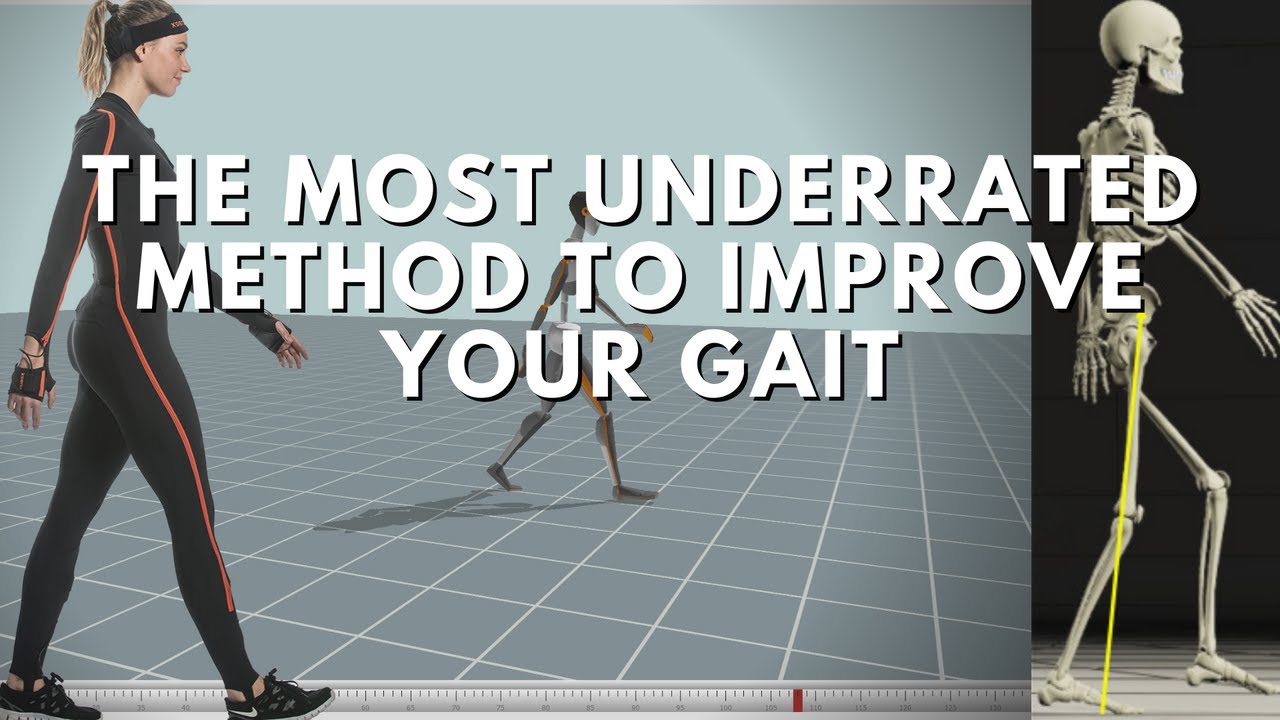
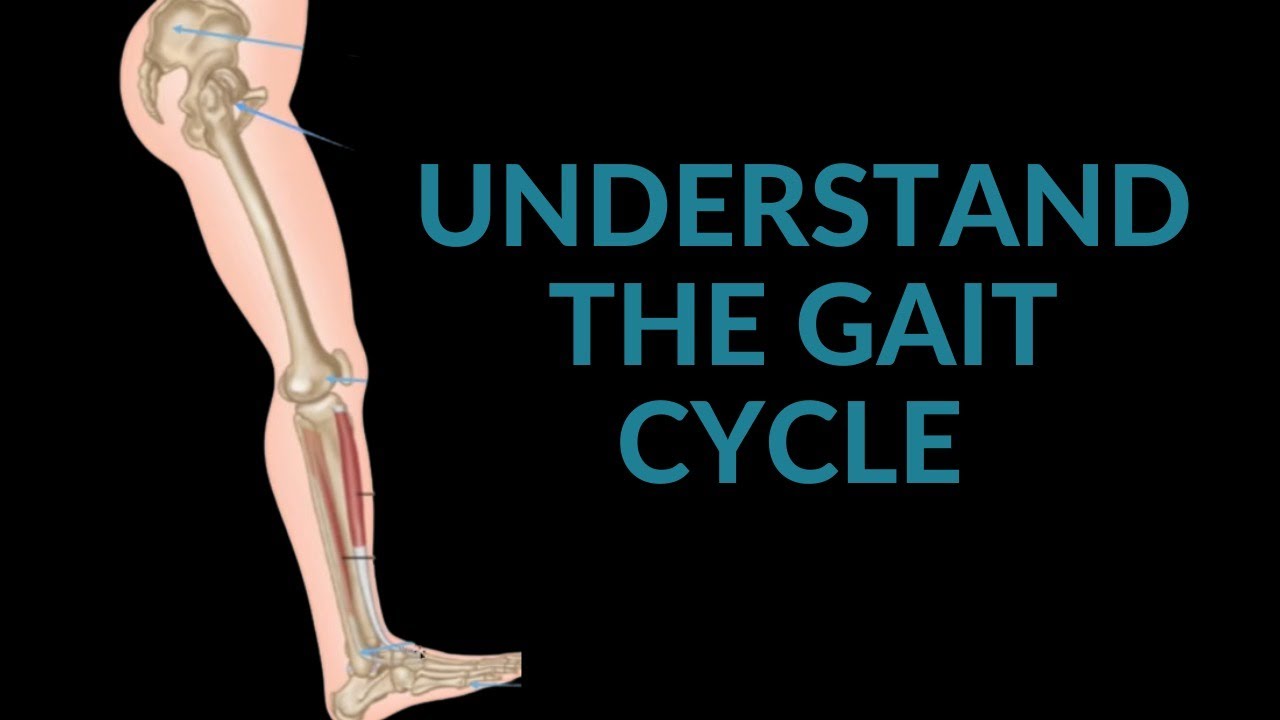
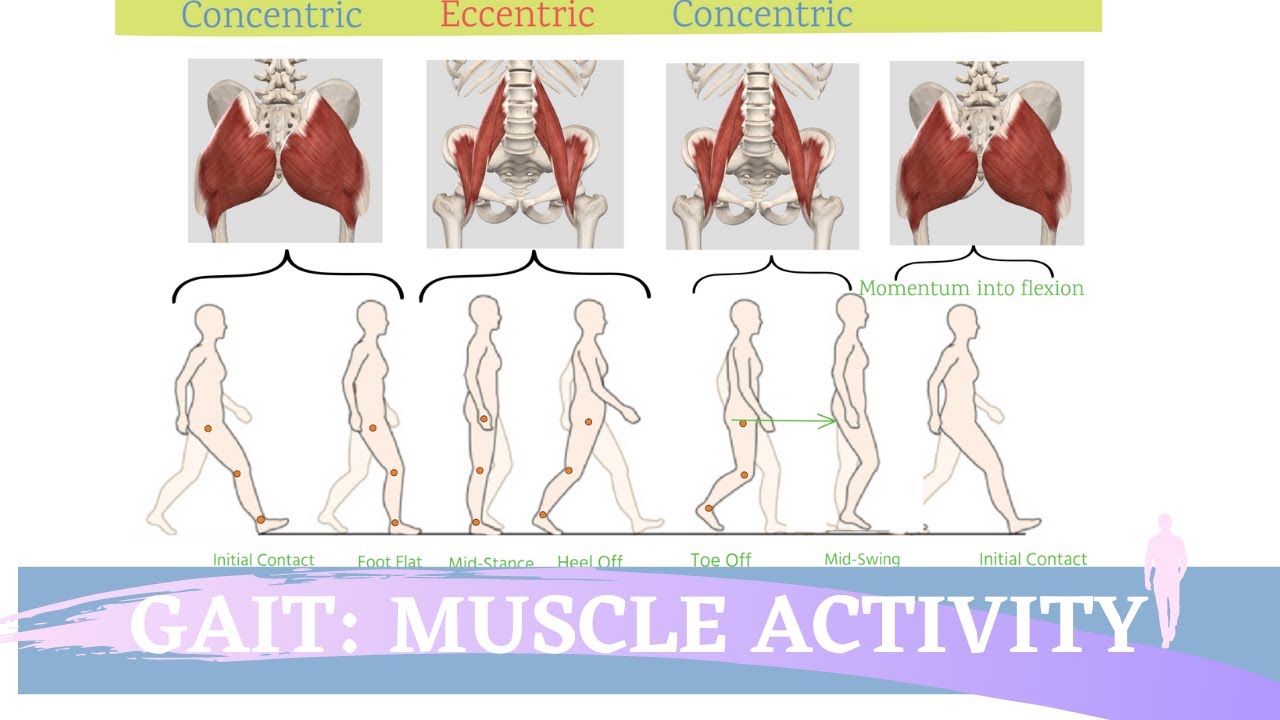
the ability to move around is very important to our ability to function for many people this involves ambulation or walking inefficient gait patterns use a lot more energy and may lead to further injury so as experts in movement we need to have a thorough understanding of typical muscle activity during gait let's take a look at the major muscles that enable an efficient gait pattern during gait muscles perform three vital functions concentric muscle contractions are used to accelerate a segment eccentric contractions to slow it down or isometric contractions are used to stabilize one of the reasons
our gait pattern is so efficient is because once we get a segment moving it requires much less energy to keep it moving so what we have is a repeatable pattern when our muscles turn themselves along and turn themselves off let's examine this muscle activity in a little more detail this chart is a graphical representation of the muscle activity of the ankle and foot during the gait pattern eccentric muscle contractions are shown in red isometric and yellow and concentric muscle contractions in green the sagittal plane is represented by our dorsiflexors plantar flexors and our toe extensors
let's start with the dorsiflexors and toe extensors at initial contact our foot has to be slowly lowered to the ground that's the responsibility of an eccentric contraction by our tibialis anterior and our toe extensors once the foot is on the ground those muscles are relatively silent until we get to the swing phase where they're activated to ensure that our foot and our toes don't hit the ground during swing our plantar flexor muscles kick in during mid stance their primary responsibility is to slow the advance of the tibia over the foot towards the end of stance
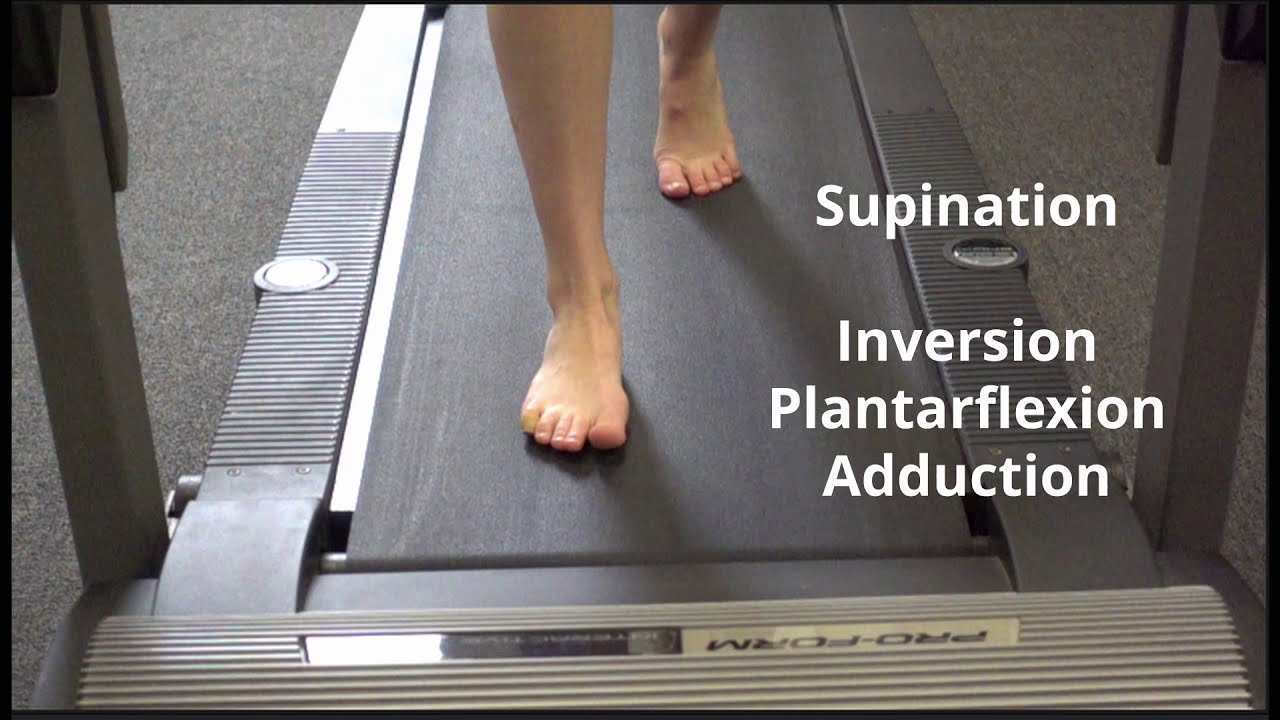
our plantar flexors transition to a concentric contraction to propel the foot forward most of the activity in the frontal plane is by our ankle inverters these muscles eccentrically contract to lower the foot to the ground during loading stabilize through mid stance and then concentrically contract to pull the foot back into a supinated position prior to the swing phase so let's see what that looks like keep in mind each time the heel strikes the ground we have a ground reaction force that pushes back on our foot because of this ground reaction force there's a need for
a lot of eccentric muscle contraction to respond at initial contact the ground pushes our foot into plantar flexion it's the responsibility of the tibialis anterior and the toe extensors to ensure that that's a slow controlled descent to the ground this occurs through an eccentric contraction of both muscle groups as we move into mid stance and terminal stance momentum carries our body and our tibia forward past our foot it's the responsibility of the gastroc and soleus muscles to slow that momentum by eccentrically contracting as the foot transitions from terminal stance to pre-swing where gastroc and soleus
concentrically contract to generate push off to propel us forward our dorsiflexors and toe extensors kick in again to ensure that our foot and toes clear the ground during swing now let's take a look at the frontal plane the role of the e-verter muscles is primarily to help stabilize the ankle and foot during stance the inverter muscles however do much more of the heavy lifting during the loading response our inverters eccentrically contract to help lower the foot into a pronated position pronation of the foot allows it to unlock and become a mobile adapter while on the
ground during terminal stance and pre-swing the muscles concentrically contract to drive the foot back into a supinated position the supinated foot makes for a rigid lever to help with propulsion let's travel up the kinetic chain to our next stop while there's a small bit of movement that occurs in the transverse play anthony we're mostly concerned with what's happening in the sagittal plane during initial contact on our loading response our quadriceps are primarily contracting eccentrically to absorb shock as the knee flexes slightly our hamstrings are active only slightly to help stabilize the knee joint as we
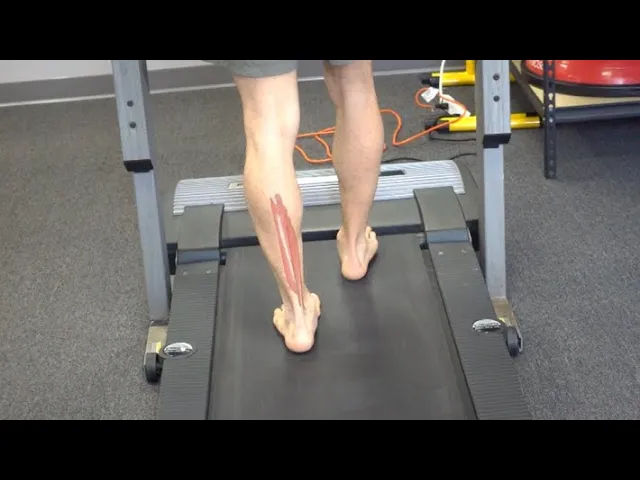
move into mid stance the quadriceps concentrically contract to bring the knee back towards full extension the knee muscles then are relatively quiet until we get to terminal swing at this point the hamstrings contract eccentrically to slow down the momentum of the tibia during terminal swing in addition our quadriceps can track to prepare for contact with the ground so let's see how that looks so as we discussed our quadriceps first eccentrically contract during loading response to absorb the shock from the ground they quickly transition into a concentric contraction to fully extend the knee during the stance
phase of gait here you can visibly see the quadriceps contract and then relax once the knee moves beneath and behind the center of mass outside forces push the knee into extension so the quadricep muscle is no longer needed during swing our tibia has a great deal of momentum the momentum needs to be slowed down prior to initial contact this is the role of the hamstrings since momentum is carrying the knee into extension the knee flexor muscles must contract eccentrically to slow that momentum down so contraction of the hamstrings can be seen here during terminal swing
our last stop in the kinetic chain is the hip and pelvis let's take a look at our sagittal plane muscles first just like the ankle and knee the hip muscles must respond to the ground reaction force being transmitted back through the leg as the leg hits the ground the momentum of the trunk wants to force the hip into flexion it's the roll of the hip extensor muscles here to eccentrically contract to control the trunk on top of the leg after that initial contraction the hip extensors go quiet until it's time to hit the ground again
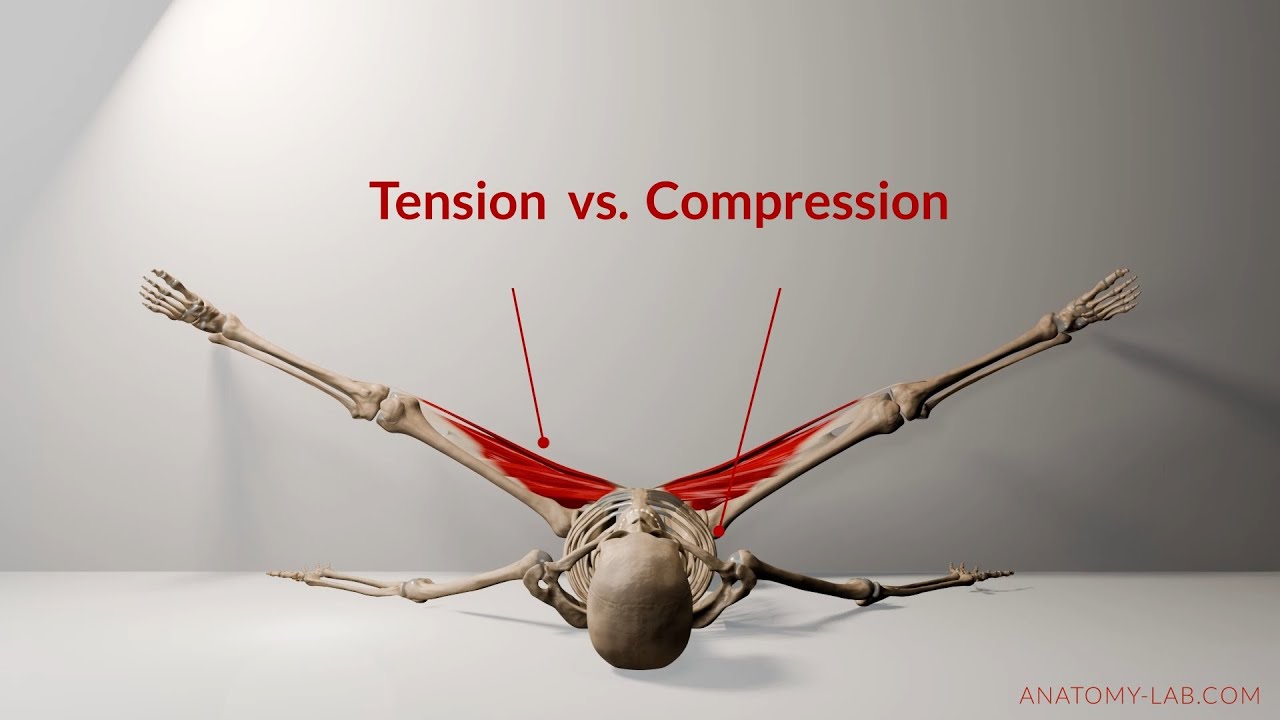
our hip flexor muscles are more active at the end of stance and beginning a swing they contract concentrically to provide an impulse to pull the leg forward during swing after that impulse the muscles shut off we see more muscle activity from the hip and pelvis and the frontal plane since 80 percent of our time and gait is spent on a single leg contraction by the hip abductors in quadratus lume form are essential to stabilize our trunk on top of our leg the ground reaction force pushes our hip into adduction our hip abductors respond with an
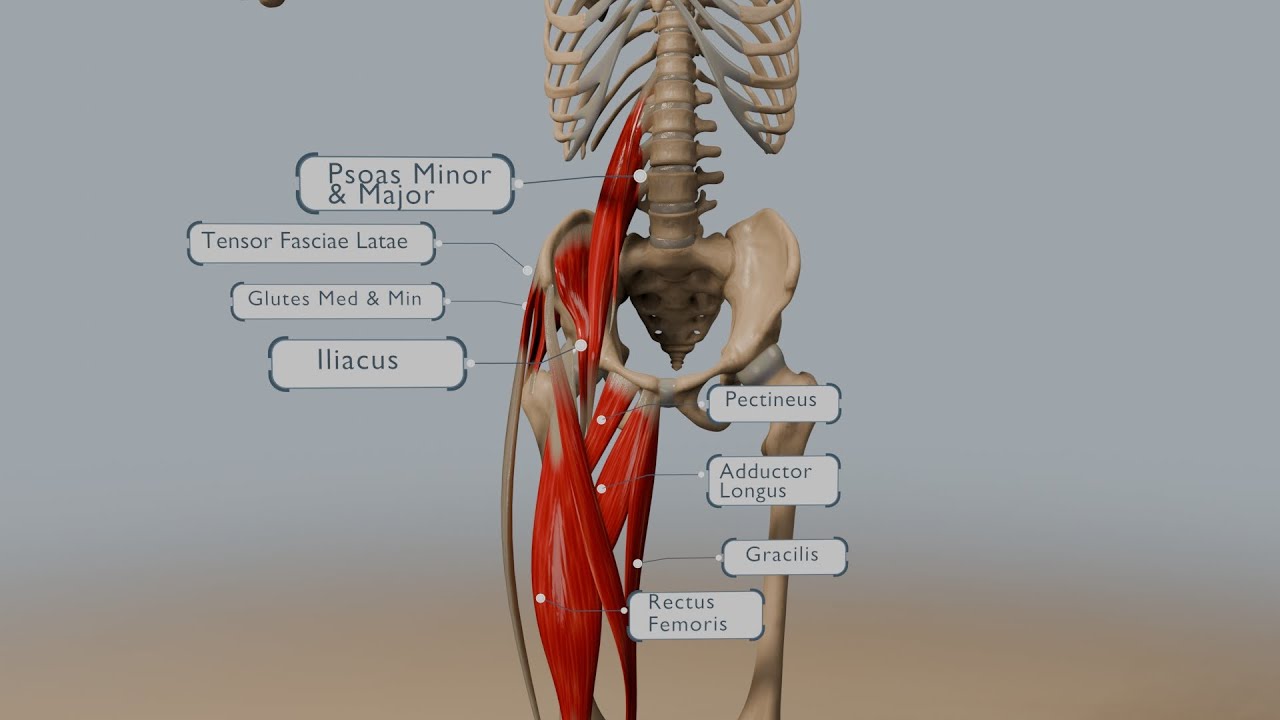
eccentric contraction to control that initial motion and then a concentric contraction to raise the pelvis up to clear the swing leg on the opposite side while the hip abductors are contracting the quadratus lumborum on the opposite side of the body helps to stabilize the trunk on the pelvis and elevate the pelvis to clear the swing leg the period halfway through the gait cycle is a period of double m support therefore these muscles are no longer required to help stabilize the pelvis let's take a look at our sagittal plane muscles first the psoas major attaches to
the front of the spine it joins the iliacus and attaches to the proximal femur they provide an impulse at the end of stance beginning of swing to get the thigh moving forward at initial contact external forces push our hip into flexion gluteus maximus contracts eccentrically to prevent that from happening so we have a concentric contraction by the hip flexors at the end of stance and beginning of swing and an eccentric contraction by the gluteus maximus at initial contact now let's look at the frontal plane our hip abductors include our gluteus medius and minimus they eccentrically
contract to absorb the ground reaction force and then concentrically contract to raise the opposite side of the pelvis strong hip abductors are an essential part of an efficient gait pattern the hip abductors on the stance leg work in coordination with the quadratus lumborum on the opposite side together they keep the trunk and pelvis stable during single leg stance the same pattern occurs during stance on the opposite side hopefully you have a better understanding of which muscles do what during gait this understanding will make you a more effective pt provider when addressing gate impairments with your
patients you
![Your Psoas Isn't Just Tight, It's WEAK [Don't Stretch, Do These Instead]](https://img.youtube.com/vi/h_srhkcJxAY/maxresdefault.jpg)