What do you recommend? And and and does it have to be difficult and ownorous and expensive? Uh h how do you sort of stack the deck so you're like getting the basic things you need and and not running into this trouble?
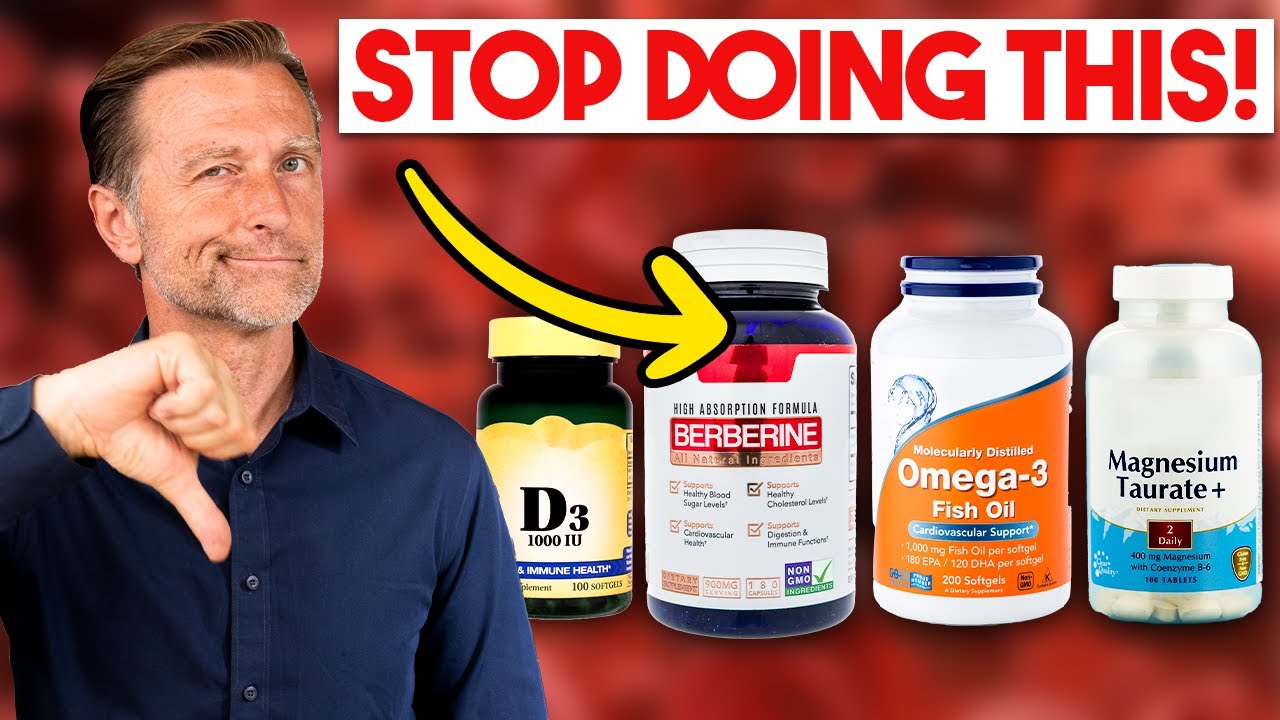
Yeah, I do have some of the basic things that I think well that I take but also that I think that would help a majority of people that are insufficient in a lot of these micronutrients. And um first and foremost, vitamin D supplement. And again, I think generally speaking, vitamin D, 4,000 IUs a day pretty pretty for the most part gets people to a sufficientish level.
You have to do a blood test to really know for certain. You may have to take a little more, you know, but starting at 4,000 IUs a day, which is the upper tolerant is safe. And it's this is this is actually by the National Academy of Sciences saying this is a safe level.
Exactly. Number two, omega-3 fatty acids. And you know this is something where um Bill Harris has published studies published studies looking at how do you get someone who is low omega-3 index so 4% omega-3 index up to an 8%.
Takes turns out it takes close to about two grams a day. So two grams of of EPA and DHA. So so when you get just for clarification purposes if you get a pill and it's it says a gram of fisha it might not have a gram of EPA and DHA.
it might be like 300 or 200 milligrams. So, you have to look at the concentration of EPA and DHA in the milligram amounts on the label. Otherwise, you know, might take one pill or it could take five pills.
Exactly. Um, so that I think is a pretty simple solution. So, 1 to two grams, 1.
5 to two grams, you get get most people that are in a 4% low range to an 8%. And the balance of EP and DHA, does it matter? Is it 50/50?
Usually, usually it's like a 2:1 ratio EPA to DHA. Yeah, for the most part. Something close to that.
Okay. But I wouldn't sweat the small stuff. Like number three and number four are kind of tie.
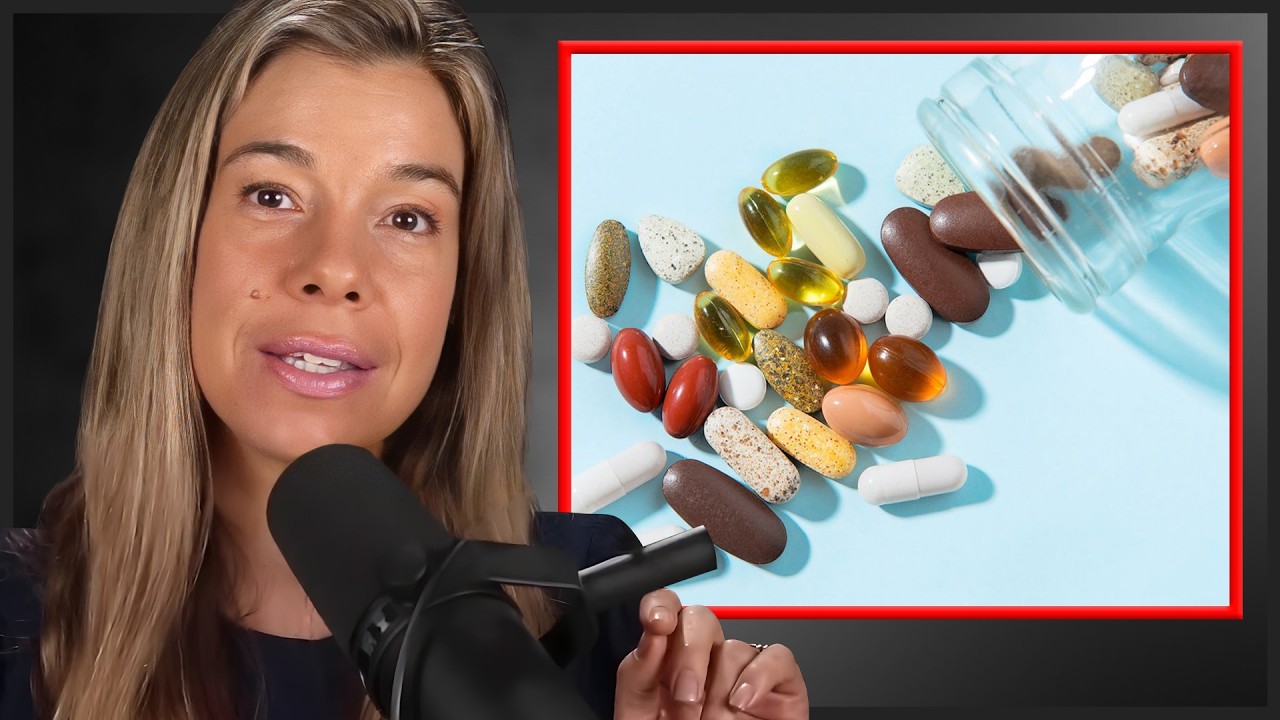
But I think I think a multivitamin is a really good insurance because, you know, there's so selenium, you know, boron. Yeah. There's, you know, the the B vitamins, you know, you're getting there's vitamin A, there's so many different micronutrients and it really covers a lot of the bases.
So I think a pretty high quality multivitamin is good along with magnesium. So magnesium because such a large percentage of people are not getting enough magnesium. Magnesium it is so important for a variety of you know processes DNA damage brain function muscle function.
You know people that are physically active they sweat out magnesium. So you might need anywhere between 10 to 20% more than the RDA. And stress and coffee also stress and alcohol.
Exactly. So you're like, what is the American life? Stress, coffee, and alcohol.
Exactly. Right. That's why we're all deficient.
We're literally pee it out. Yes. And so you want to make sure you're getting an organic salt.
So that would be something like magnesium citrate, magnesium malate, magnesium um glycinate, and citrate if you're constipated, right? So So those so those are the organic salts which are more bioavailable. I tell a funny story.
I just decided I was in the hospital recently for a back surgery and I wanted to get magnesium and I talked to the hospitalist and he gave me magnesium oxide and I'm like that's not bioavailable and I sort of went through this with him and like you did with that. It wasn't as confrontational as that but but you know he's like oh you're right. I look it up and actually no true.
I'm like yep. So, but that's the main nutrient uh form of magnesium that you get in in a lot of the supplements that you buy over the counter because it's the cheapest form. So, magnesium oxide, if you see that on the label, just skip over it, right?
Um so, that would be another one. And then I add to my essentials the sulfurophane. Um I used to sprout and I no longer do that because life is busy.
My excuses. Yeah. I'm I'm so um busy telling the world how to eat better and be healthy.
It's like the worst thing you can do for your health. But um I I I I trust the the science that I've read looking at um the supplement that I take which again it's it's a really good supplement call and they have about the advanced formula is what I take. I take about two to four a day depending on and we'll put the link in the show notes for that.
They're great and they like published studies on them um improving autism. So it's affecting the brain. So it's approved autism um spectrum disorder in kids with autism, adolescence with a autism, but it's a very strong activator of glutathione, right?
So NRF2 pathway. Um so that's my my phyitochemical. I actually wrote a blog about glutathione years ago.
If anybody wants to sort of find out more about glutathione, go to highman and glutathione and you'll find it. And it it's kind of the master detoxifier, the master antioxidant, the master immune regulator. It's like it's it's so critical.
And you get it through some of these plant foods. You get it by sulfur containing amino acids, you know, which are found often in animal foods or in whey protein. It's a great source.
It is. Yeah. So, it's it's it's a major major antioxidant in in the body.
So, um I think those are really some of the the vitamin D, fish oil, vitamin D4,000, fish oil, one or two grams of the actual EPDHA, a multivitamin, and high quality. high quality meaning it shouldn't be blue or purple or green or yellow and titanium and dyes and should be just you know the right and and the the bioavailability the formula nutrient matters I mean I I think you and I both done a lot of work on this and people can dig around but it's it's not just like go to get your uh you know Walgreens or CVS multivitamins a little more judicious and then magnesium and how much magnesium um you know it depends so some people get a laxative effect and they want that that's what citrate um even with even with higher doses of of other forms they can but um yeah so I mean I think it depends on your diet like if you're not eating a lot of plants shame on you you need to increase that but you know you about three 250 300 milligrams you know is a good is a good range. Now, if you're trying to to treat like migraines and stuff, you might have to go higher.
Like some studies show like 600 milligrams. And then there's the form of magnesium, magnesium 3N8, that's thought to cross the bloodb brain barrier more effectively um for brain health because magnesium doesn't cross the bloodb brain barrier very well. But magnesium 3N8 isn't essentially isn't it's not necessarily going to uh do the DNA damage repair aspect of magnesium.
So, make sure you're getting both if you're doing doing that.