Dacia is at the peak of its success: the Sandero has become the best-selling car in Europe, leaving the Volkswagen Golf far behind. And Duster is actively fighting with Tiguan for sixth place. And with the advent of Bigster, the company is clearly looking to expand its ambitions into the higher, C-segment.
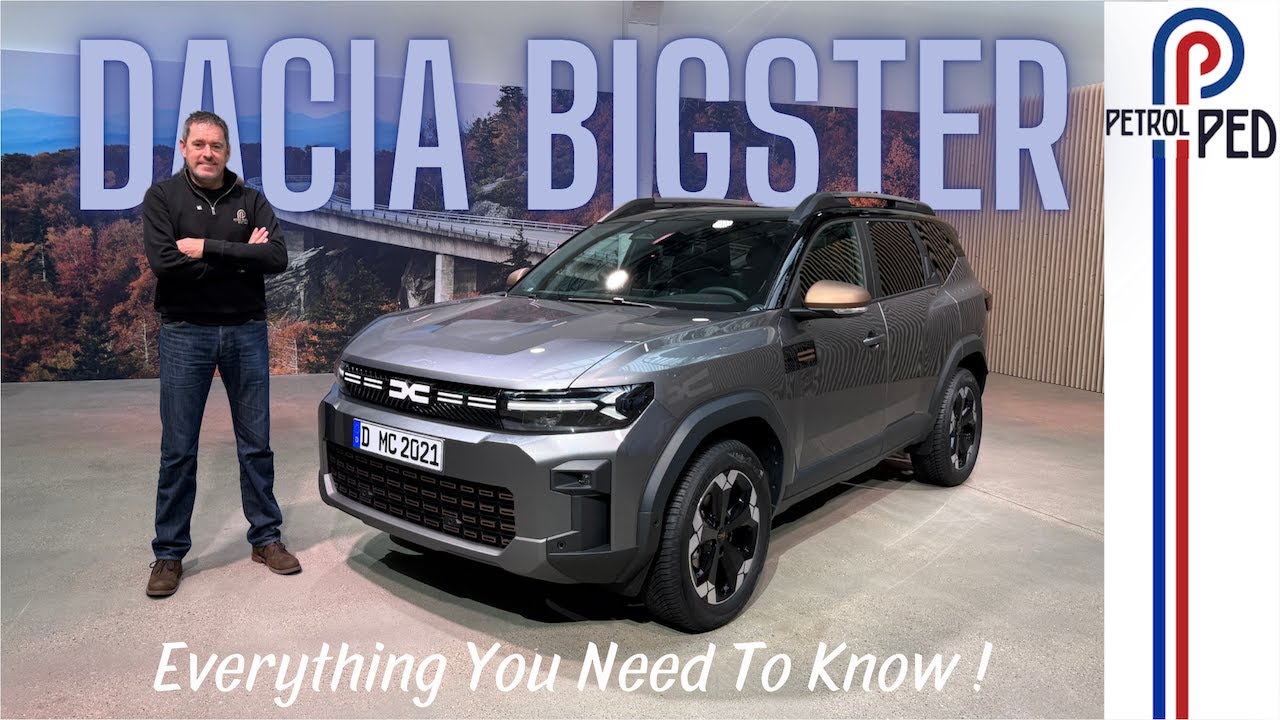
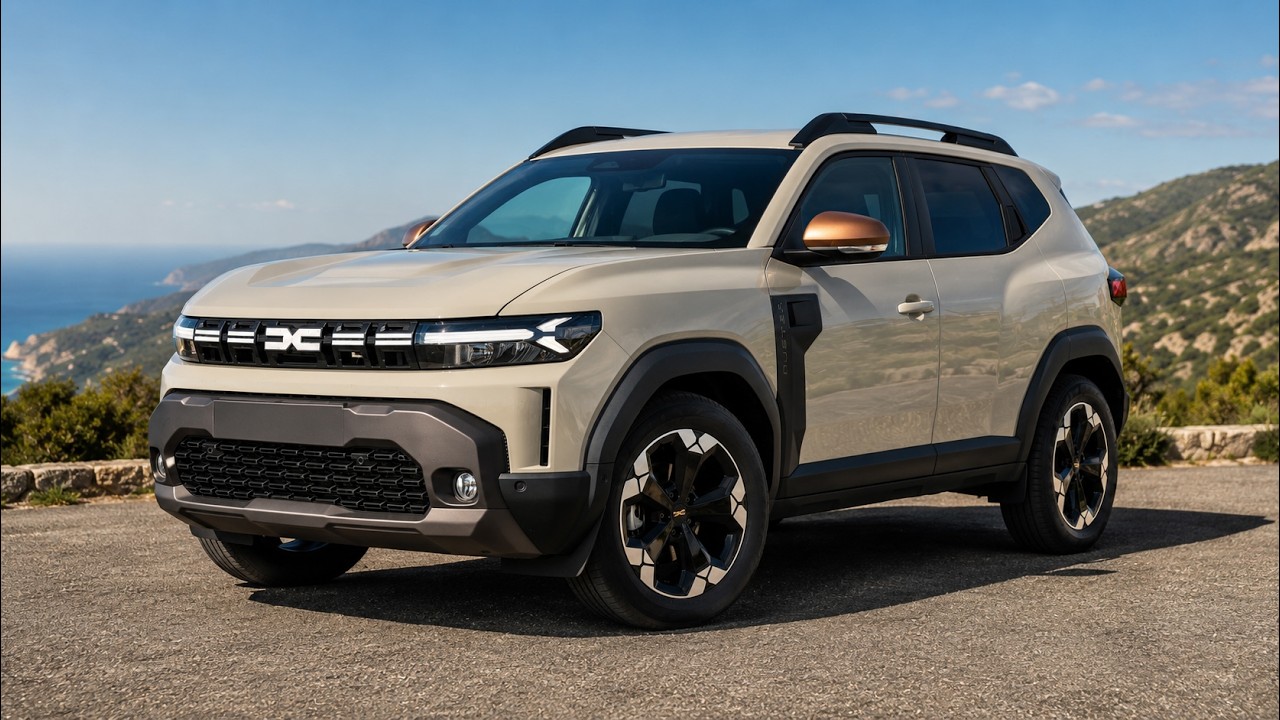
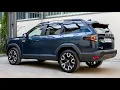
The Bigster is Dacia's largest car, resembling an enlarged Duster. This is essentially the production version of the 2021 Bigster concept, and let's face it, it looks pretty good for a budget SUV. Dacia CEO Denis Le Vot promised that the price of a Bigster with an internal combustion engine will not exceed 25,000 euros.
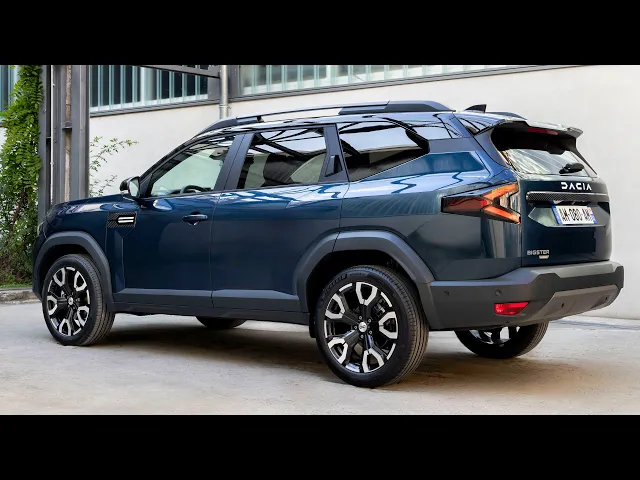
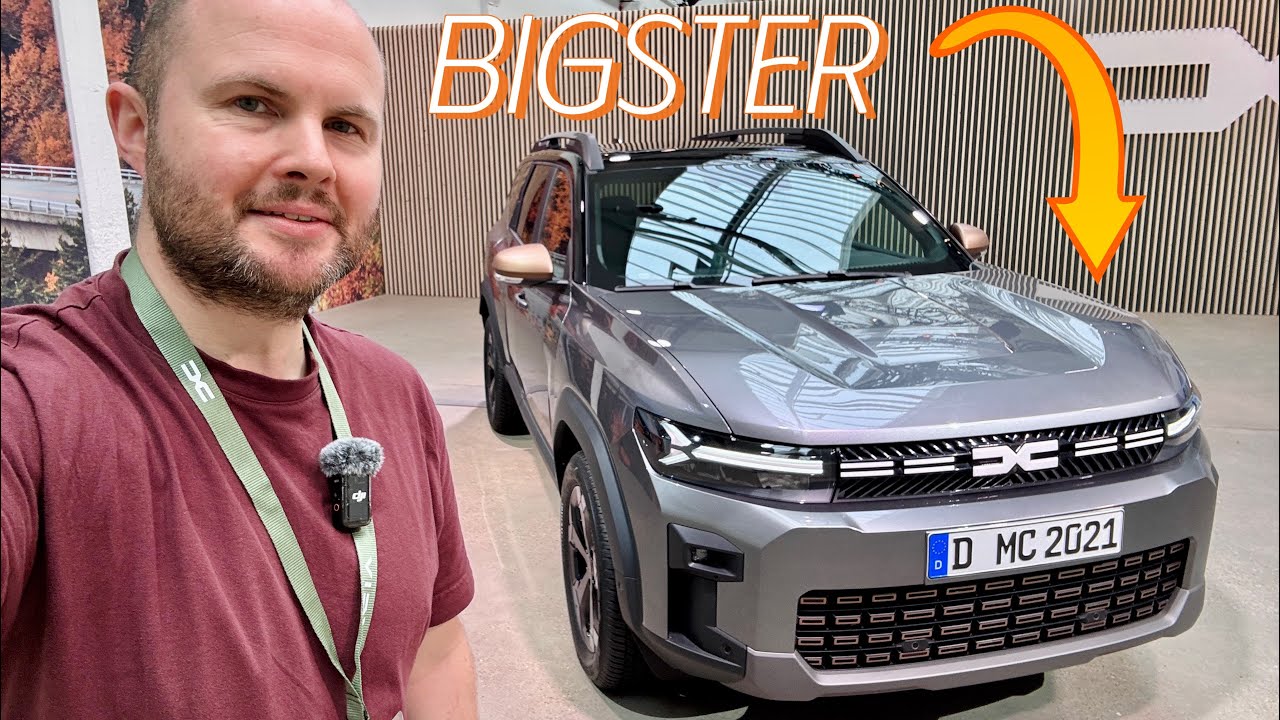
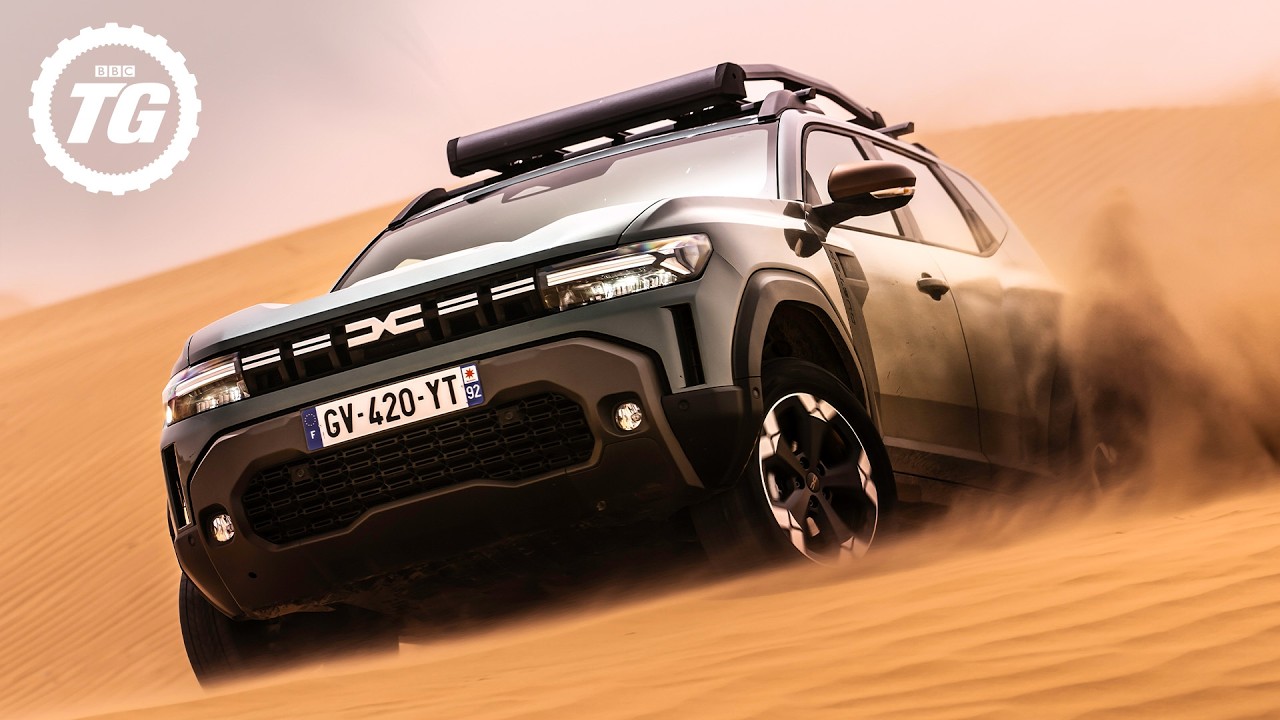
It's no surprise that the production version of the Dacia Bigster retains a family resemblance to the larger Duster, as the use of common parts in the design helps manufacturers reduce production costs. This is especially noticeable at the front of the car as the Bigster and Duster have similar headlights. However, the Bigster looks more powerful thanks to the massive front bumper, which has been carried over almost entirely from the concept.
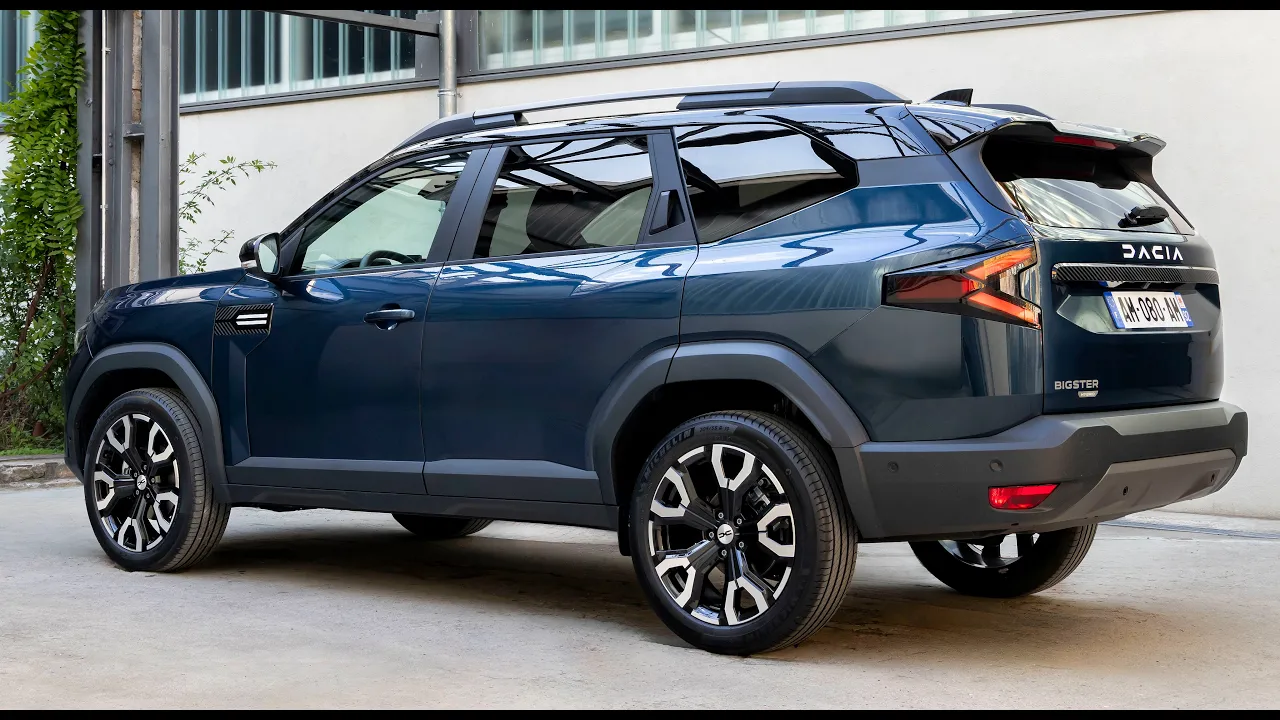
The main design feature is the vertical front end with a black grille and the Dacia link logo. The side profile of the Bigster retains its boxy shape and solid cladding while remaining close to the concept version. Designers abandoned completely glossy elements, using a combination of glossy and matte black.
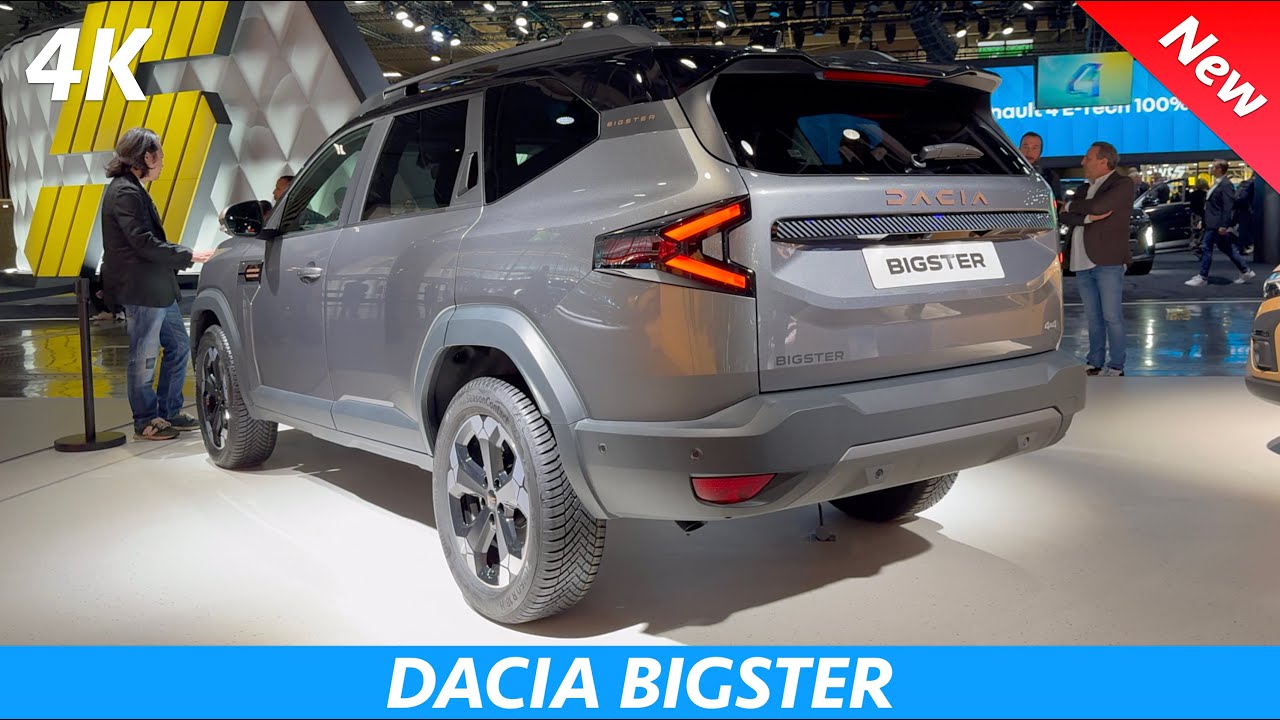
This not only improves appearance, but also increases resistance to wear and damage, emphasizing readiness for off-road and harsh conditions. A particular feature that becomes Dacia's signature element is the triangular rear lights, which first appeared on the Bigster concept and are now present in the production version, emphasizing the unity of the entire model range. The Bigster gets 17- or 18-inch alloy wheels as standard , while the top-spec Journey gets 19-inch wheels as an option.
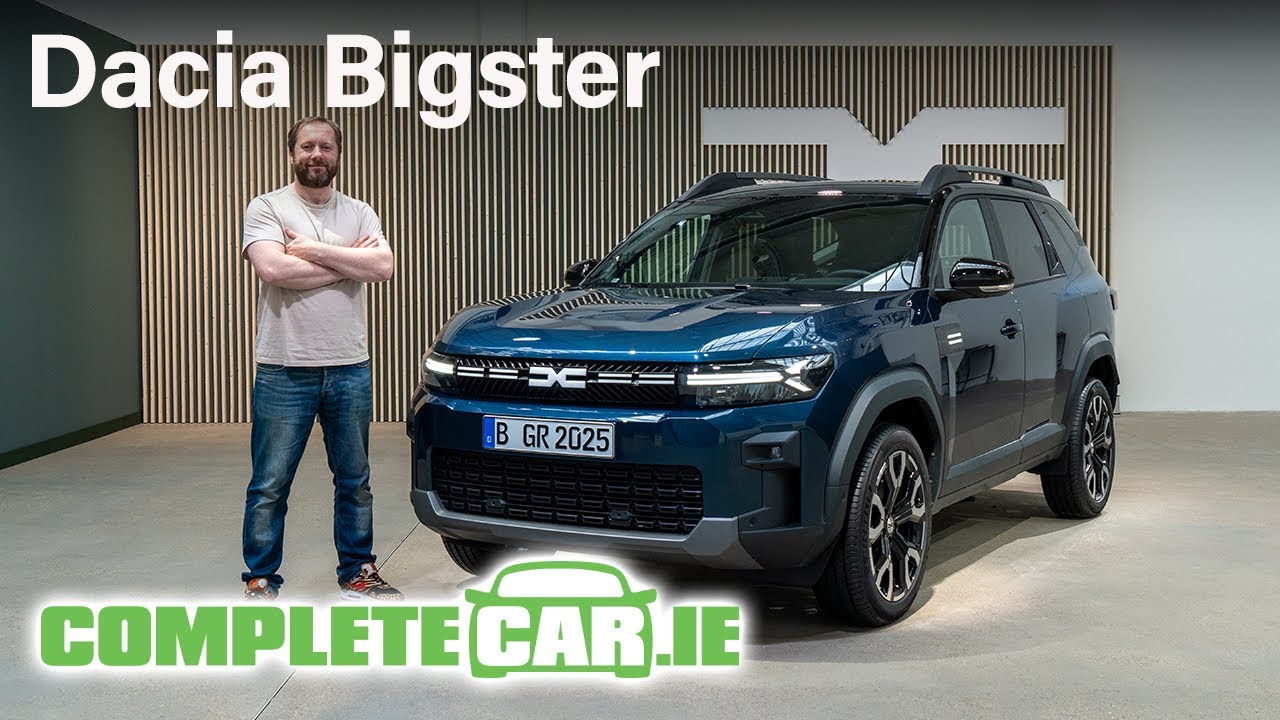
On higher trims, customers can choose a two-tone exterior paint job with a black roof. There will also be a new exterior color - Indigo Blue. Like the Duster, the new Bigster uses the CMF-B platform.
The length of the Dacia Bigster is 4571 millimeters, which is 230 mm longer than the Duster. The hindquarters account for the largest share of the growth. The wheelbase increases by three centimeters compared to the Duster - up to 2703 meters.
The different roofline also makes the Bigster three centimeters taller at 1,710 millimeters, while the width is identical to the Duster at 1,813 mm. The ground clearance of the new Bigster has not been officially announced, but it can be assumed based on the characteristics of the junior Duster model with a ground clearance of 210 mm. Since the Bigster is a larger model, its ground clearance is expected to be around 220mm.
The engine range offers a choice of four options, all of which are electrified. Diesel is not offered due to strict European environmental regulations. The first variant of the Bigster TCe combines a new generation 1.
2-litre three-cylinder Miller cycle turbocharged petrol engine with a 48V mild hybrid system, producing a total of 130 PS. power. It comes standard with all-wheel drive.
The second option is a mild hybrid petrol engine with front-wheel drive, called the TCe 140, which indicates an increase in power to 140 hp. Here too, the 1. 2-litre turbocharged three-cylinder engine is electrically assisted during start-up and acceleration.
The automaker claims average fuel consumption of 5. 6 liters per 100 kilometers. New to the range is the Eco-G 140, which can run on both petrol and natural gas.
Natural gas drive is Dacia's specialty. With the Bigster, Dacia breaks new ground and combines a dual-mode drive with a 48 V mild hybrid system for the first time. In addition to the 49-litre petrol tank, this Bigster has a 50-litre gas tank under the boot floor, giving it a range of up to 1,450 kilometres.
In all three versions, the power plants operate with a six-speed manual transmission, and the battery, which is charged during braking and recovery, has a capacity of 0. 8 kWh. The top-of-the-range engine is also the new Hybrid 155.
Its drive system combines a 1. 8-litre four-cylinder petrol engine with 107 hp. and 170 Newton meters of torque and two electric motors (motor power 50 hp and high voltage starter/generator).
Power also comes from a 1. 4 kWh battery that charges on the go. The total power of the power plant is 155 hp.
and is paired with an automatic electric transmission, which has four gears for the internal combustion engine and two more for the electric motors. The Bigster always starts electrically. The manufacturer noted that the hybrid version of the car can travel up to 80% of its distance in the city using electric traction at low speeds, saving expensive gasoline.
Inside the new Bigster, designers paid attention to space, ergonomics and comfort. The very vertical and high dashboard increases space for front passengers. For simplicity and efficiency, all driving information is collected on a 7" or 10" digital instrument panel (depending on trim level), while information related to the multimedia system is located on the 10.
1" central touchscreen, which is standard on all models. In entry-level and mid-range trims, the Bigster offers access to the Media Display multimedia system with four speakers and wireless smartphone integration. Top trims also come with Media Nav Live, which offers cloud-based navigation with real-time traffic information and map updates for eight years.
The package also includes an Arkamys 3D audio system with six speakers. Depending on trim, Bigster offers three types of center console for the front seats: low, middle or high console with armrest (with refrigerator compartment) and wireless smartphone charger. In terms of space, Dacia promises one of the most spacious cars in the class, offering plenty of legroom and headroom.
The car offers a whopping 667 liters of boot space, which is 15 liters more than the Volkswagen Tiguan and almost 80 liters more than the Kia Sportage. Folding down the three-piece rear seat using the levers on the side of the trunk creates a huge, flat cargo space, the volume of which Dacia has yet to reveal. Fashionable features include a power rear door, a panoramic sunroof, and wireless smartphone charging.
Modern assistance systems such as adaptive cruise control are also available, some even as standard. With so many features and details on both the interior and exterior, this is no longer the spartan Dacia you might remember. By the way, all options have driving modes typical of all-wheel drive crossovers, such as Mud/Sand, Off-Road or Snow, as well as hill descent control.
The new Bigster is offered in four trim levels: Essential, Expression and two top-end versions, Extreme and Journey, all at the same price. The base Essential trim level includes, among other things, 17-inch alloy wheels, roof rails, rear parking sensors and a reversing camera. At the second level, called Expression, the Bigster offers additional equipment items, including dual-zone climate control, rain sensor, exterior Power folding door mirrors and electric parking brake.
If "Extreme" is aimed at outdoor enthusiasts with a standard panoramic sunroof, modular roof rails, hill descent control, rubber floor mats and Dacia's YouClip system, which includes multiple mounting points throughout the car for various accessories. These include a tablet holder for the rear passenger, clothes hangers, storage pockets, a flashlight, cup holders and more. The Journey trim level is more focused on travel comfort, with two-tone exterior paint, a power liftgate and a partially power-adjustable driver's seat.
The car will be available for order in Europe from January, and the first deliveries will begin in the spring of next year. Exact prices for Bigster have not yet been established. However, Dacia's CEO promised a base price of less than €25,000 during his presentation, while the technically sophisticated hybrid should remain below the €30,000 mark.
Over the years, Dacia has successfully combined price and quality, offering comfort and modern technology, while remaining true to its basics. The C segment is the most popular category of European crossovers, where the Audi Q3, BMW X1, Hyundai Tucson, VW Tiguan and Nissan Qashqai are represented. So far , Dacia has only cautiously entered this prestigious class with the Duster.
However, with the release of Bigster, the Romanian brand is determined to poke itself straight into a hornet's nest, where status and prestige are important, and not just price/quality ratio. So time will tell whether the Bigster can make an impression in the competitive crossover market. Thank you for watching our video!
We'd love to hear what you think, so don't hesitate to leave your comments. Subscribe to our channel to always be aware of new products and new videos. Your likes and subscriptions inspire us to create even more interesting content.
Stay with us and let's keep track of all the latest automotive news together. Good luck on the roads!