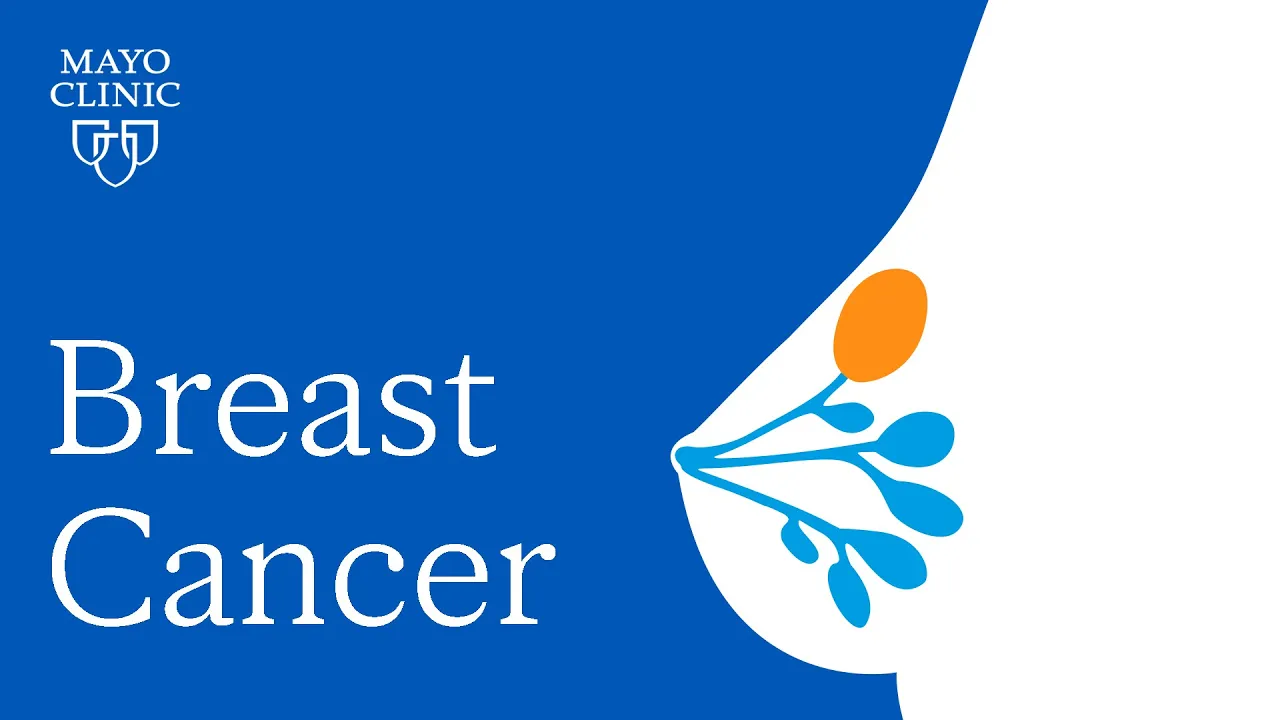
[Music] i'm dr judy bowie a breast surgeon at mayo clinic in this video we'll cover the basics of breast cancer what is it who gets it the symptoms diagnosis and treatment whether you're looking for answers for yourself or someone you love we're here to give you the best information available breast cancer is a relatively common type of cancer in fact it is the most common cancer worldwide and the most common cancer diagnosed in the us currently nearly 4 million women in the u.s alone are diagnosed with breast cancer however this doesn't make a diagnosis easier
but it does mean a great deal of research and effort is being put towards ending it and it's working survival rates continue to go up as treatments get better and more tailor-made to each patient just like any cancer breast cancer results from dna mutations that instruct your cells to grow out of control in this case it targets cells in the breast tissue and there's no single thing that causes these dna mutations there are a wide set of risk factors but having more of these risk factors can increase your chances of developing breast cancer more than
anything your risk is increased by being female that doesn't mean men don't get it actually men account for about 1 of all cases another factor is age the older you get the more likely a breast cancer diagnosis becomes a history of breast cancer increases your risk too that includes your own personal history if you've had it before and your family history if breast cancer is common in your family tree you are likely at increased risk of developing it scientists have identified several genes that if inherited are more likely to cause breast cancer there are many
but the most common and well studied are brca1 and brca2 while they don't make breast cancer a certainty your chances of developing it much higher with these particular mutations beyond that radiation exposure at any point in your life increases your risk of breast cancer as does having children at what is scientifically considered an older age starting menopause at an older age and taking hormones and there are things that can decrease your risk self-breast awareness is one make note of any changes you notice in your breasts women aged 40 and older should get yearly mammograms early
detection is really your best defense based on your other personal risk factors you may want to consult with your doctor about starting at even a younger age limit alcohol while not drinking lowers your risk the most drinking in moderation lowers your risk too stay physically active and try to maintain a healthy weight you can talk to your doctor if you struggle with this in some cases post-menopausal hormones are necessary and can't be avoided but be aware that they do seem to play a role in breast cancer risk and if you give birth breastfeeding may reduce
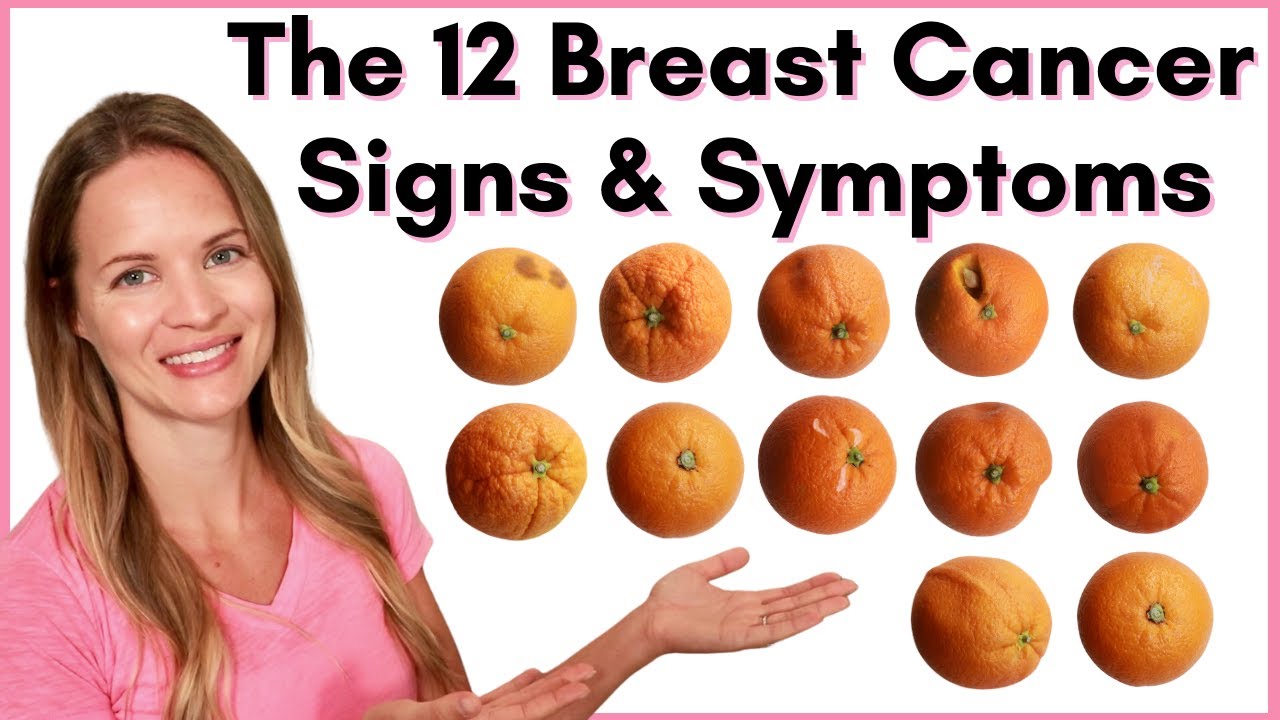
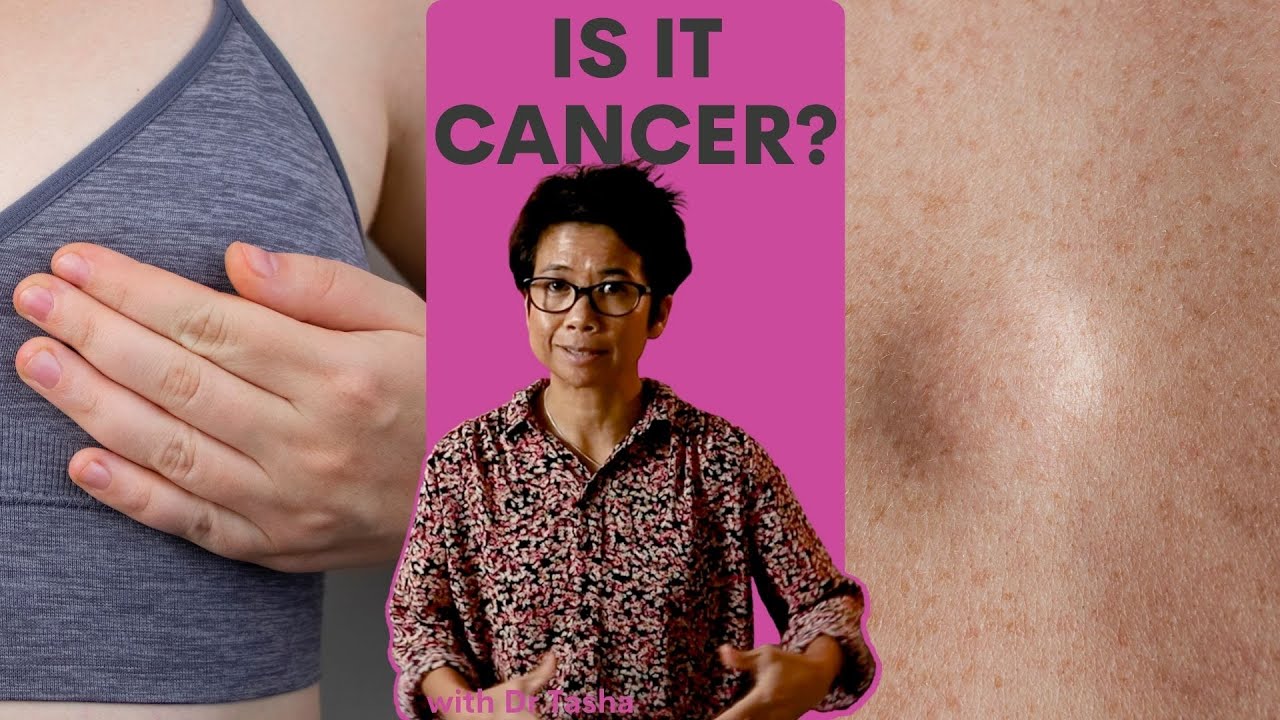
your chances of developing breast cancer in the future things to keep an eye out for that might be signs include lumps or thickening in your breast changes in the size or shape of your breast changes in your breast skin or a new inversion of your nipple peeling scaling or flaking of the areola and redness or pitting of the skin over your breast that looks kind of like an orange most importantly because these things may or may not be cancer be sure to check with your doctor if you notice any of these signs if you suspect
you might have breast cancer how do you find out doctors use physical exams mammograms ultrasounds mris and needle biopsies to determine if cancer is present if that's the case you and your doctor will need to discuss treatment options like any other cancer breast cancer requires a smart and strategic approach your treatment plan depends on what you're up against namely the size and the stage of the cancer what type is it is it sensitive to hormones many questions have to be answered before you and your care team can put a plan together surgery is not always
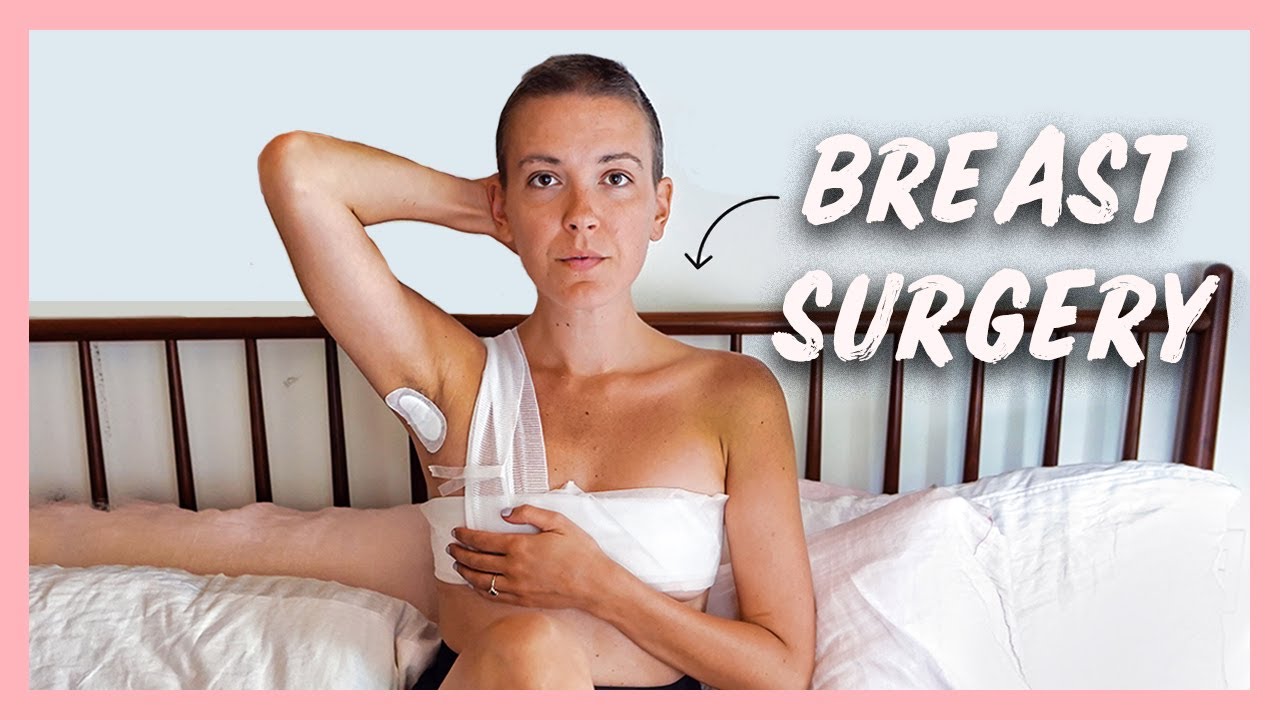
the first step frequently medical therapy such as endocrine therapy or chemotherapy will be recommended first to decrease the size of the tumor in the breast or decrease the disease in the lymph nodes and importantly to evaluate the response of the cancer to the treatment as this can be critical information to guide further treatment after surgery but surgery is often indicated as part of the treatment and that can mean just removing the breast lump or sometimes removing the entire breast or both breasts and usually involves removal of some lymph nodes from under your armpit on that
side whether or not you got any treatment before surgery you may need treatment after surgery this could involve radiation and medical therapies such as endocrine therapy and chemotherapy if the disease has spread beyond the breast and lymph nodes surgery is usually not recommended and medical therapy is the main course of treatment radiation uses beams of energy to target and kill cancer cells and prevent cancer recurrence in that area chemotherapy uses powerful drugs to kill the cancers some cancers are sensitive to hormones and can be treated with a different set of drugs hormone therapy has its
own set of side effects but your doctor will be able to guide you through best options for your specific cancer type and then there's immunotherapy cancer cells blind your body's natural defense systems immunotherapy pulls off those blinders so your body's natural defenses can do their job and zero in on their target all of these treatments have side effects going through these measures that will ultimately heal you can be really hard but there are ways to deal with that too pain management and other palliative care can help you deal with all these necessary but difficult processes
this can all feel overwhelming a breast cancer diagnosis is a complicated and scary topic so keep your friends and family close rely on them for practical and emotional support find someone to talk with maybe a friend relative clergy member or medical social worker and a support group can be really helpful to connect with others who have been down this road before the outlook on breast cancer has improved immensely research and scientific advancement have made this disease a very treatable one with new and constantly improving therapies and expert care there is plenty of hope if you'd
like to learn even more about breast cancer watch our other related videos or visit mayoclinic.org we wish you well