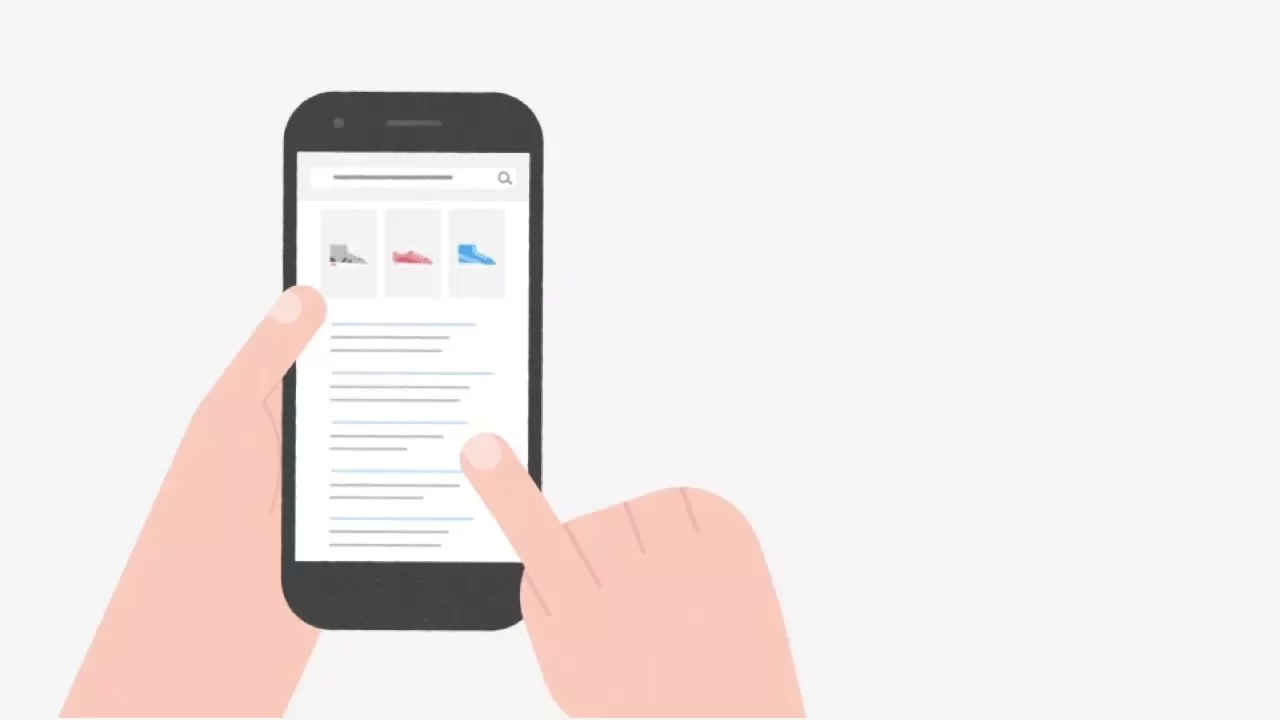
in this lesson we will look at the differences between online and offline customer behaviour we'll also cover how audience segmentation can help you choose where to focus your digital efforts when moving online so what are the key differences between a customer in a physical shop and a customer online imagine you just set a personal goal to improve your fitness and now need new running shoes in the offline world your journey might go a bit like this you visit the local shopping center going from shop to shop ultimately you make a decision based on price quality
returns policy friendliness of staff and stock availability you process all that information head back to the store with the shoes you liked best and make the purchase when it comes to online purchasing you're likely to engage in four distinct stages throughout your online shopping journey these principles are described in the C think do care framework and offer a useful way to identify where a business should invest effort in connecting with customers let's take a look at our shoe shopping example while highlighting these four stages in the C stage you notice that some of your friends
have taken up running and are posting maps of their favorite routes on their social media accounts this inspires you to start running yourself in the Finke stage you get your phone and type what are the best running shoes for beginners this introduces you to a whole lot of online content from blog articles to targeted ads giving you more factors to base your decision on eventually you make your purchase which makes up the due stage and perhaps post a photo on social media this last step is sharing your purchase is part of the care stage keep
in mind that customers don't necessarily experience all four stages every time your individual journey might begin at the think stage or end at the dew stage now let's combine offline and online activities together imagine you are in the sports shop having just tried on the new running shoes you get out your phone and search for them online perhaps checking if they're cheaper elsewhere the chances are you might buy online after visiting a physical store an approach called showrooming understanding the differences and similarities between online and offline shopping can help you create a more balanced online
customer experience so how can you identify where to focus your efforts online to choose the right channels find out who you're talking to when you should talk to them and what you should talk about this is called audience segmentation you can segment customers in many ways from basic demographics like age and gender to specific interests for example segmenting customers by location may benefit an ecommerce store if certain products are only available to ship to specific areas segmentation can also help with your online advertising as most channels allow you to target paid advertising to specific audiences
based on information like what an audience likes or dislikes you can also make your ads appear only to people within a certain radius of your shop or business which can be handy when offering promotions to local shoppers to wrap up when it comes to taking a business online think about the customers and put yourself in their shoes which channels do they use most and how do you engage differently with them online and offline
![Upbeat Lofi - Deep Focus & Energy for Work [R&B, Neo Soul, Lofi Hiphop]](https://img.youtube.com/vi/THh4fT0O7IY/maxresdefault.jpg)













![Upbeat Lofi - Power and Energize Your Workday - [R&B, Neo Soul, Lofi Hiphop]](https://img.youtube.com/vi/ONcY0BM5EAg/maxresdefault.jpg)


![AI Manifest: The Most Beautiful Space Visualization on the Internet Compilation [2025 Visuals] [4K]](https://img.youtube.com/vi/MPfYkRVAdGo/maxresdefault.jpg)