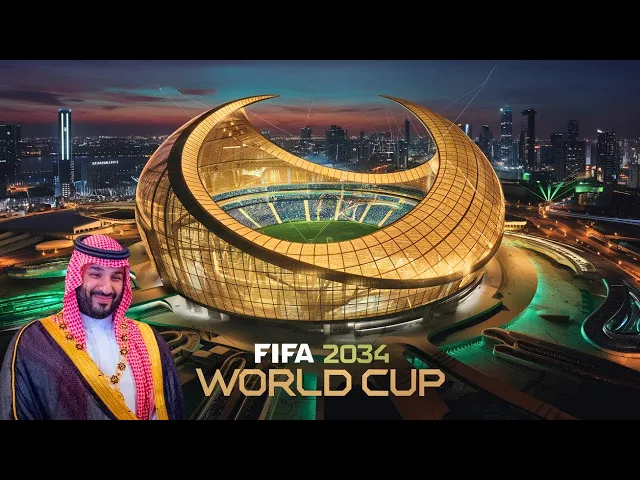
the biggest sporting event on Earth is heading to Saudi Arabia in 2034 and it's shaping up to be one of the most ambitious undertakings in football history billions of dollars are being poured into building state-of-the-art stadiums futuristic cities and worldclass infrastructure but beyond the glitz and glamour there's a lot to unpack how will this event reshape Saudi Arabia what are the challenges and why is this decision sparking so much debate let's break it all down Saudi Arabia's plan for the 2034 FIFA World Cup is nothing short of monumental the tournament will feature 15 venues spread
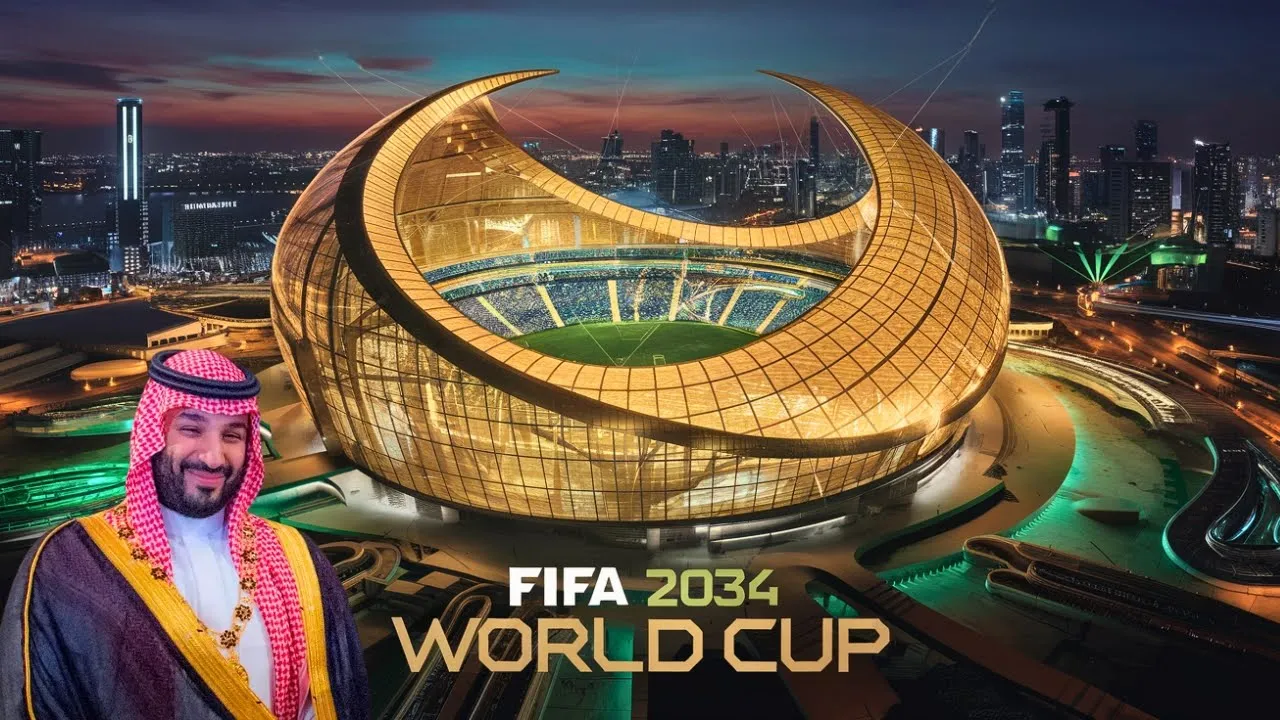
across five key cities Riyad jeda alobar abha and nyam out of these 11 stadiums will be entirely new constructions while four existing Ones Will undergo extensive renovations to meet FIFA standards let's talk specifics Riyad will be the centerpiece of the World Cup host hosting eight stadiums each with its own unique design and purpose leading the lineup is King Salmon International stadium with a seating capacity of 92,000 this venue is designed to host both The Opening match and the final its architecture draws inspiration from Saudi Arabia's natural landscapes combining modern Aesthetics with sustainability construction is already
underway with completion expected by 2029 next up is Prince Muhammad bin Salman St Stadium its retractable roof and foldable walls will offer breathtaking views of Kia City and toake Mountain this 46979 seat venue is scheduled for completion in 2029 another standout is new maraba stadium with a capacity of 45,000 its design takes cues from the Native acacia tree this Stadium promises an immersive Fan Experience with state-of-the-art technology enhancing every moment construction begins in 27 and will wrap up by 2032 rashan stadium also joins riad's roster with its crystalline design and emphasis on Comfort focused seating
its cross ventilation system ensures a pleasant atmosphere even during Peak summer temperatures construction will span from 2028 to 2032 South Riad Stadium another planned venue with salmani architectural influences will accommodate over 47,000 fans its completion is scheduled for 2032 meanwhile Prince fisel bin Fahad Sports City Stadium an existing facility will undergo upgrades to host matches in a more Community focused setting another key venue in Riad is the King Saud University Stadium this existing facility will be refurbished to meet FIFA standards with temporary capacity expansions bringing it up to 45,000 seats Renovations are expected to conclude
by 2032 finally in Riad we we have King fod Sports City Stadium known for its iconic tent-like roof inspired by bedwin tents this venue is undergoing extensive renovations to expand its seating capacity to approximately 7,200 scheduled for completion in 2026 it will host group stage matches as well as knockout rounds up to the semi-finals in Jetta four stadiums are set to host matches the King Abdullah Sports City Stadium nicknamed The Shining Jewel already seats over 62,000 fans but is undergoing renovations to meet FIFA standards these upgrades will be completed by 2026 the central Jetta development
stadium is another key venue with a capacity of over 45,000 its semi-translucent roof and retractable interner structure make it adaptable for various weather conditions construction is currently underway and will wrap up by 2027 kadia Coast Stadium at another Coastal inspired venue to jetta's lineup with a planned capacity exceeding 45,000 seats this Stadium will integrate Advanced cooling systems and sustainable architectural elements construction is expected to finish by 2032 finally in Jetta we have the King Abdullah economic City Stadium located on the Red Sea Coast within Saudi Arabia's Flagship economic zone this Stadium will seat over 45,700
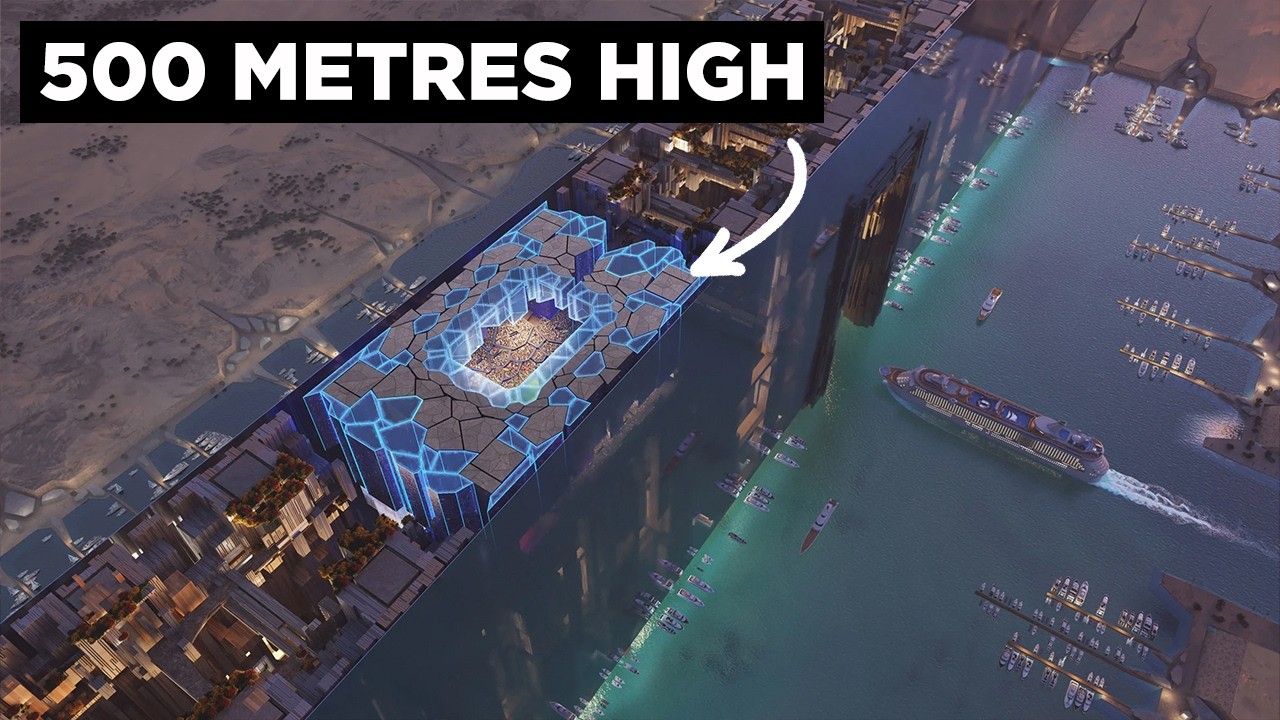
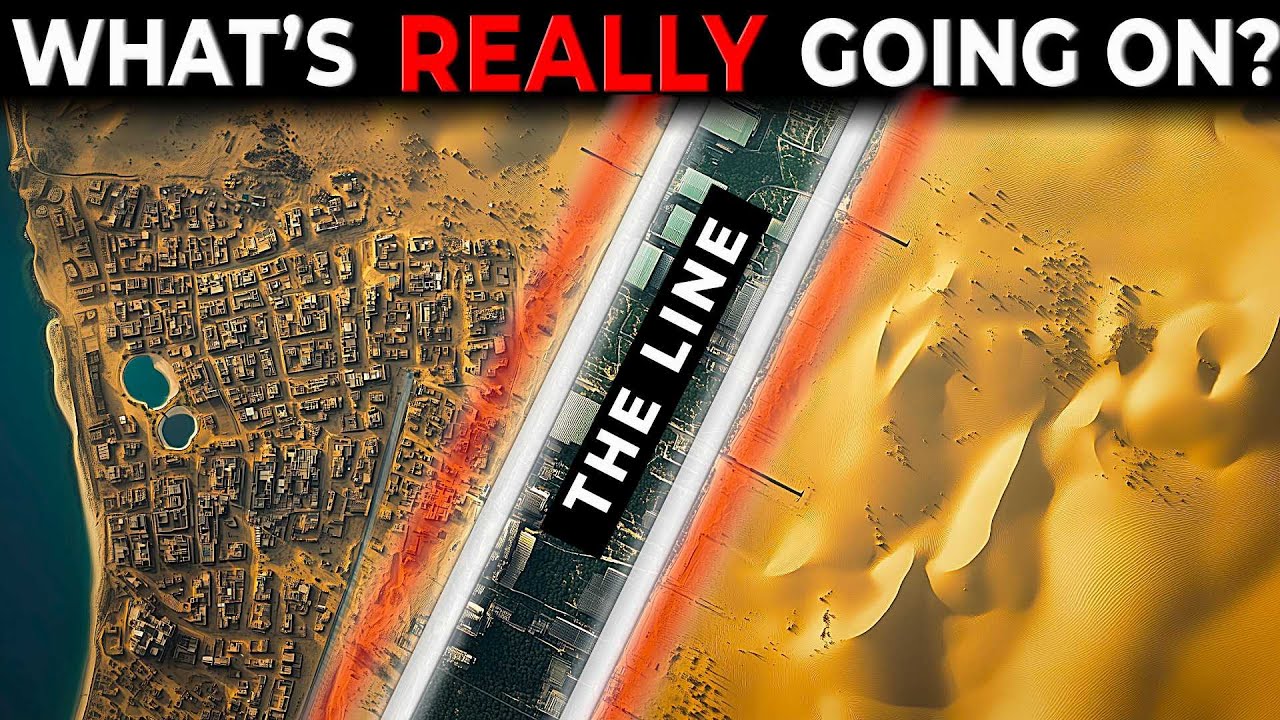
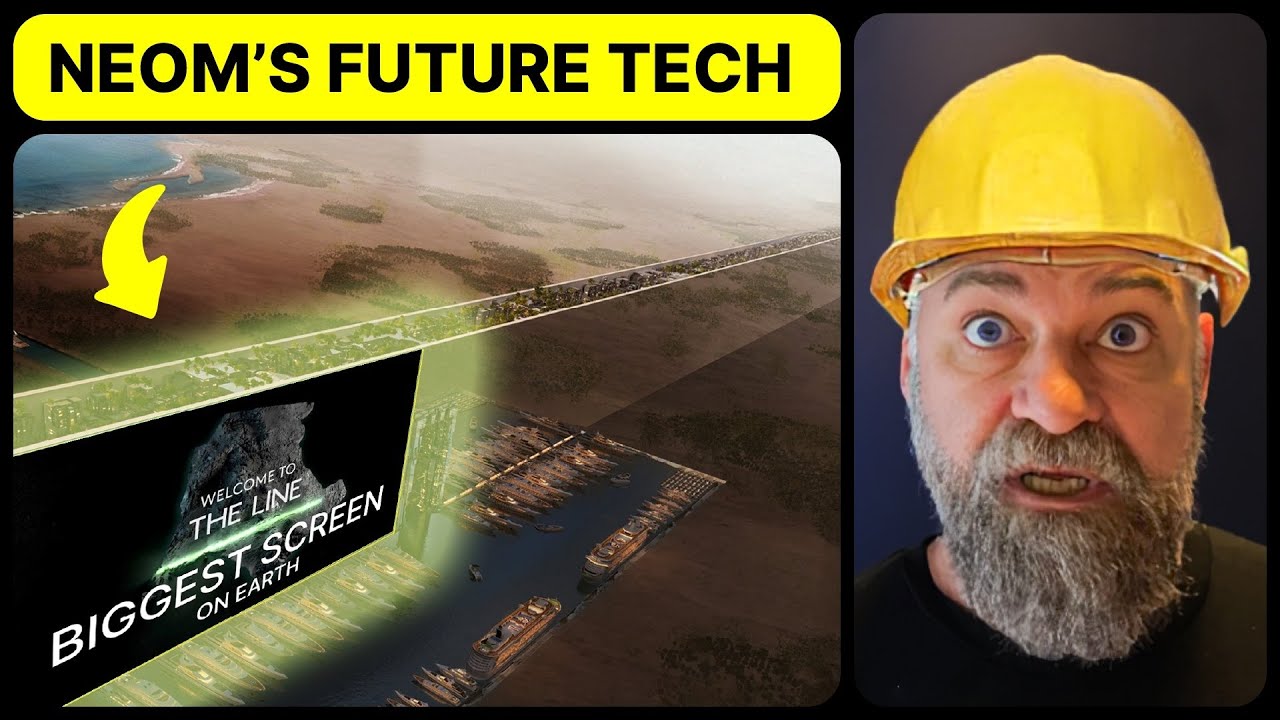
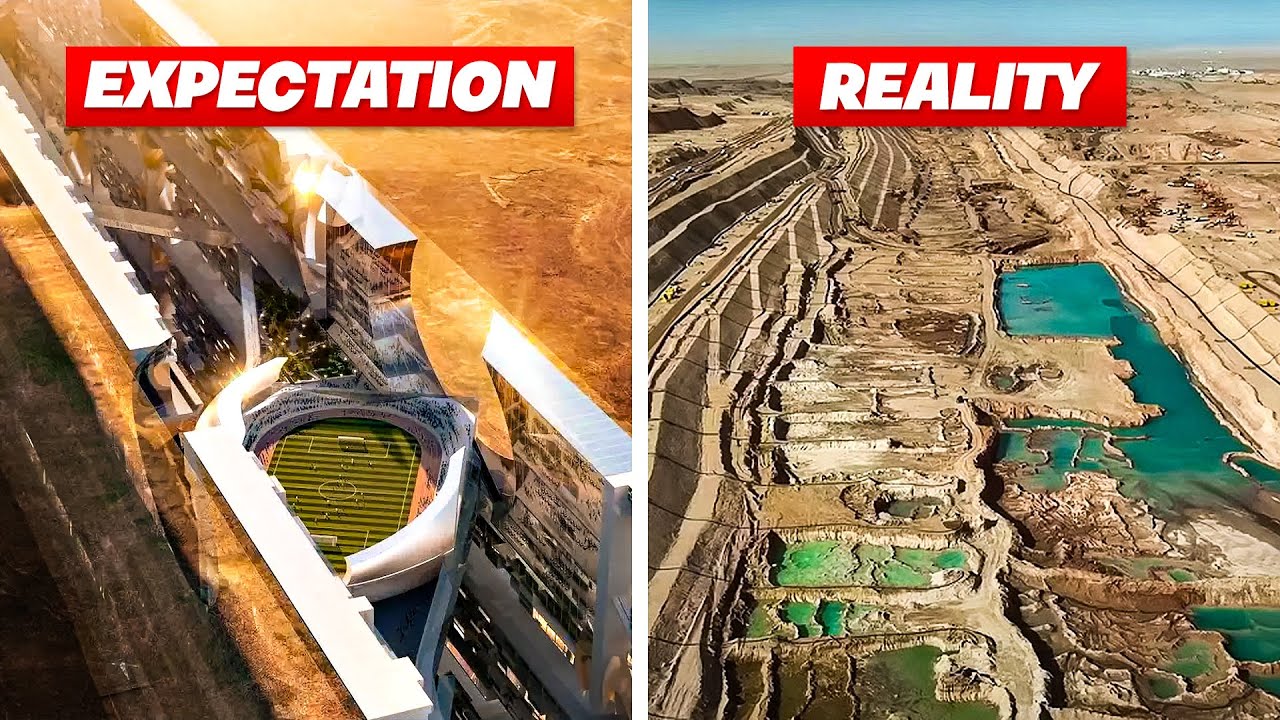
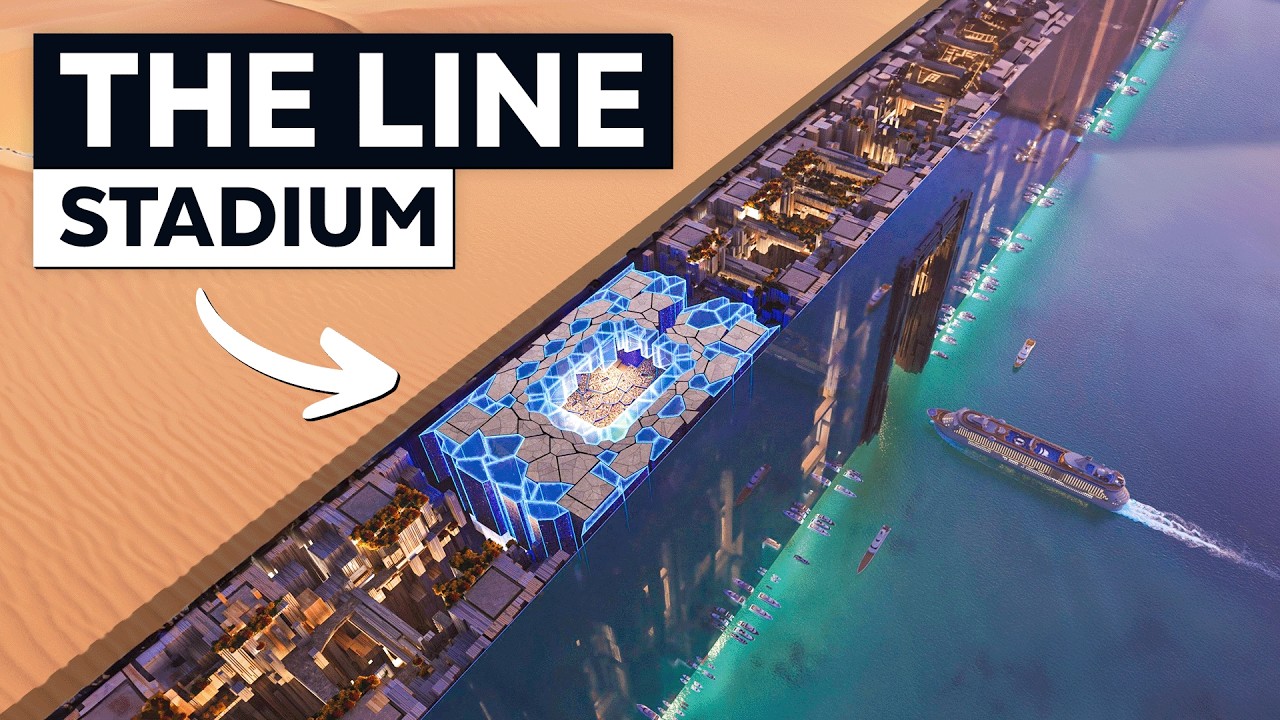
fans and feature multi-purpose facilities for sports events and concerts alike completion is scheduled for late 20132 now let's talk about neom a city of the future neom stadium is one of the most ambitious projects in This World Cup lineup a venue like no other built within the line This Stadium will hover 350 m above ground level and run entirely on renewable energy from wind and solar sources with a capacity of over 46,000 fans construction is expected to conclude by 2032 in alobar a ramco stadium stands out with its spiraling Coastal inspired design with a capacity
of 47,000 it incorporates Advanced cooling Technologies suited for Saudi Arabia's climate this stadium is expected to be ready by 2026 one of the earliest completions among new builds in aba's Scenic Mountain setting King HED University Stadium is being refurbished for the tournament while its upgrades are set for completion by 2027 for the AFC Asian cup it will also play a key role in hosting World Cup matches sustainability is at the core of these projects many stadiums will use renewable energy sources like solar power and incorporate water recycling systems to reduce their environmental impact Advanced Technologies
such as e-ticketing and Ultra HD broadcasting will Elevate The Fan Experience while minimizing waste but not everyone sees this as purely a celebration of football some have raised concerns about human rights issues and accusations that sports are being used as a tool for image building on the global stage these are valid points that deserve attention as Saudi Arabia prepares to welcome Millions from around the world so what does all this mean for you whether you're planning to attend in person or watch from home these stadiums promise an unforgettable experience they're designed not just for football
but also for concerts cultural events and community activities long after the tournament ends but hosting a World Cup isn't just about stadiums Saudi Arabia is also investing heavily in supporting infrastructure over 185,000 hotel rooms are being built to accommodate fans from around the world airports and major cities are being expanded to handle increased International traffic High-Speed Rail lines will connect key poast cities reducing travel times for both fans and teams this level of investment aligns with Saudi Arabia's Vision 2030 initiative a national strategy aimed at diversifying the economy away from oil dependency and positioning the
country as a global hub for tourism and entertainment so why was Saudi Arabia chosen to host the 234 World Cup the answer lies in FIFA's Continental rotation policy after after Qatar hosted in 2022 the next opportunity for an Asian or oceanian Nation came in 2034 Australia initially expressed interest but later withdrew its bid after failing to secure Regional support this left Saudi Arabia as the sole Contender FIFA also conducted an evaluation of Saudi Arabia's Readiness to host such a massive event the country scored an impressive 4.2 out of five on infrastructure Readiness and organization capacity
this high score reflects Saudi Arabia's ability to meet FIFA's stringent requirements for hosting a global tournament however some argue that FIFA's decision may have been influenced by political and financial considerations rather than purely logistical factors hosting the World Cup presents enormous opportunities for Saudi Arabia Saudi Arabia sees this as a chance to Showcase its Rich cultural heritage alongside its modern developments historic sites like ala and Dua offer glimpses into the country's ancient past while futuristic projects like neom highlight its vision for the future by hosting millions of visitors during the tournament Saudi Arabia hopes to
position itself as a top tier Global tourist destination despite all these promises Saudi Arabia's bid has sparked significant controversy one of the biggest criticisms comes from Human Rights organizations like Amnesty International and Human Rights Watch they've raised concerns about migrant worker exploitation during construction projects a problem that also plagued Qatar during its preparations for the 2022 World Cup FIFA has come under Fire for allegedly ignoring its own human rights policies when awarding the tournament to Saudi Arabia some argue that by choosing a country with ongoing human rights violations FIFA is prioritizing profit over principles critics
view this as an example of sports ing a strategy where countries use high-profile events to improve their Global image while deflecting attention from ongoing issues like human rights abuses or environmental damage they question whether Promises of Reform are genuine or simply part of a PR campaign designed to win international approval so what do you think is this project a step forward for Global football or does it raise more questions than answers share your thoughts below we'd love to hear your perspective it's hard not tow comparisons between qatar's hosting of the World Cup in 2022 and
Saudi Arabia's plans for 2034 both countries are using their respective tournaments as platforms for nation branding showcasing their culture and Ambitions on a global stage Qatar concentrated its efforts on eight compact stadiums within Doha and nearby areas Saudi Arabia is spreading its venues across five cities a much larger geographical area Qatar spent an estimated $220 billion on its preparations early estimates suggest that Saudi Arabia May exceed even this figure due to its ambitious infrastructure projects tied to Vision 2030 while Qatar focused heavily on airconditioned stadiums due to extreme heat concerns during summer months leading them
to shift their tournament to Winter Saudi Arabia plans to leverage its diverse geography with cooler regions like abha potentially hosting matches during summer months despite its ambitious plans several challenges lie ahead for Saudi Arabia building or renovating 15 stadiums within just over a decade is an enormous task delays or budget overruns could jeopardize progress with other Mega events happening around the same time globally including potential bids from Europe or North America for future tournaments Saudi Arabia will need to ensure that its World Cup stands out positively finally there are questions about what happens after the
tournament ends will these massive Investments pay off in the long run or will some of these state-of-the-art stadiums turn into white elephants underutilized facilities that drain resources without generating Revenue