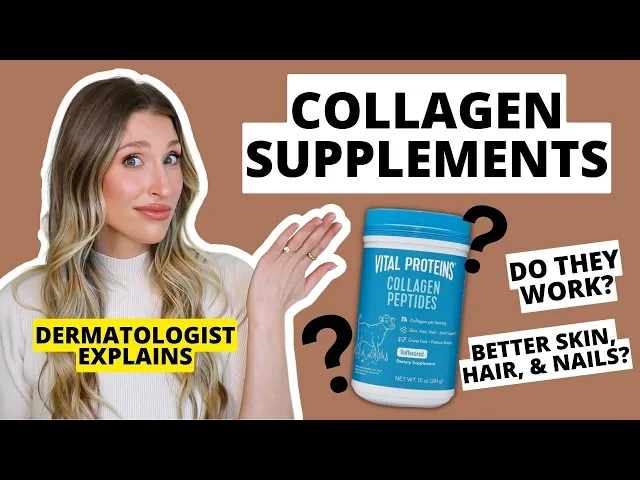
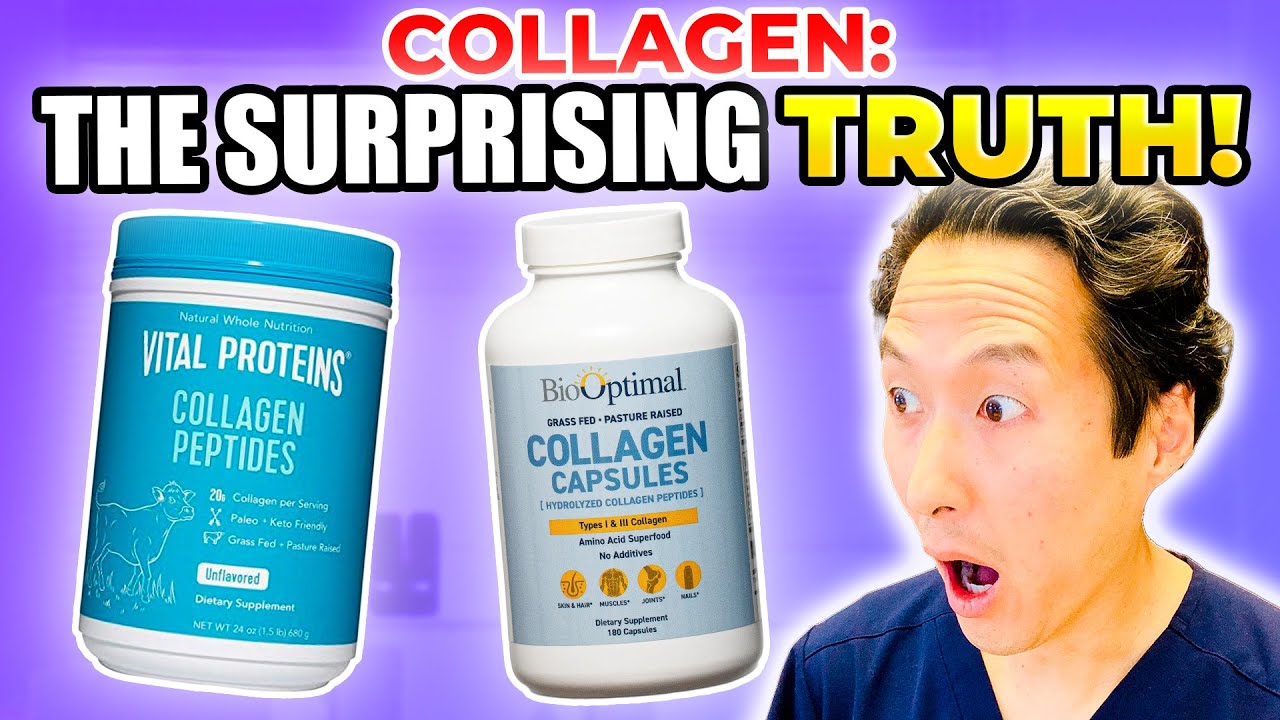
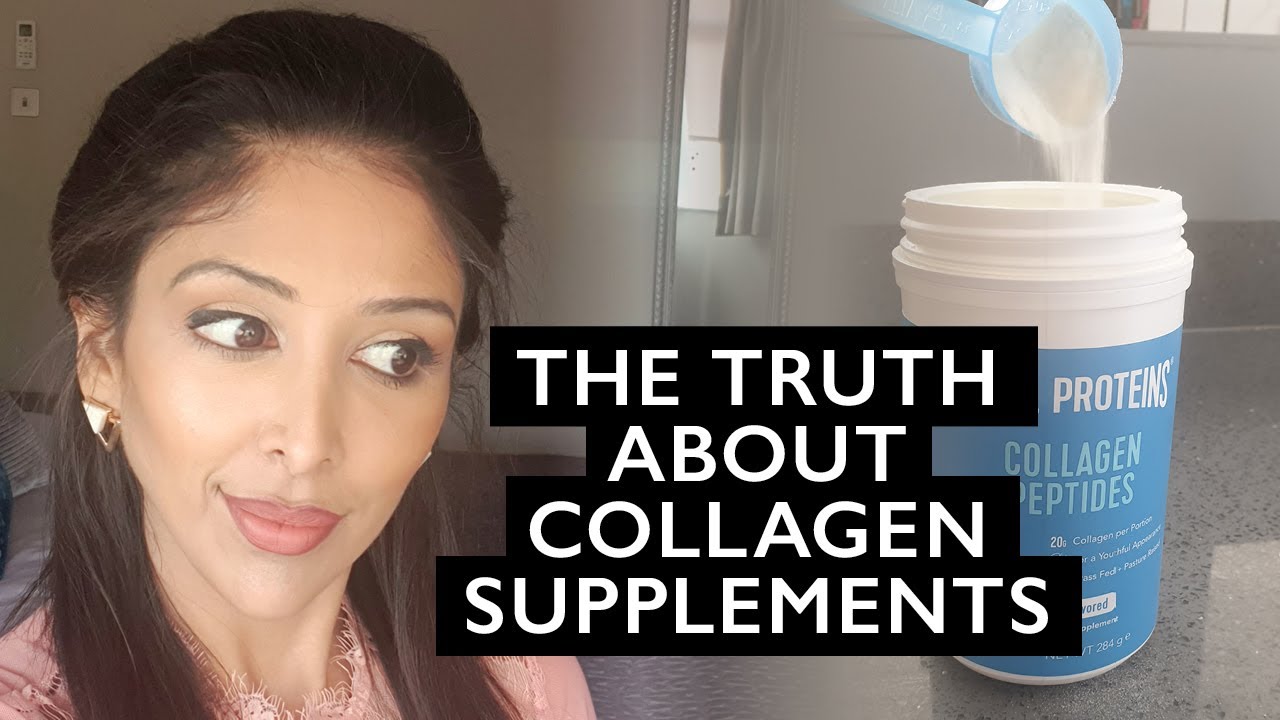
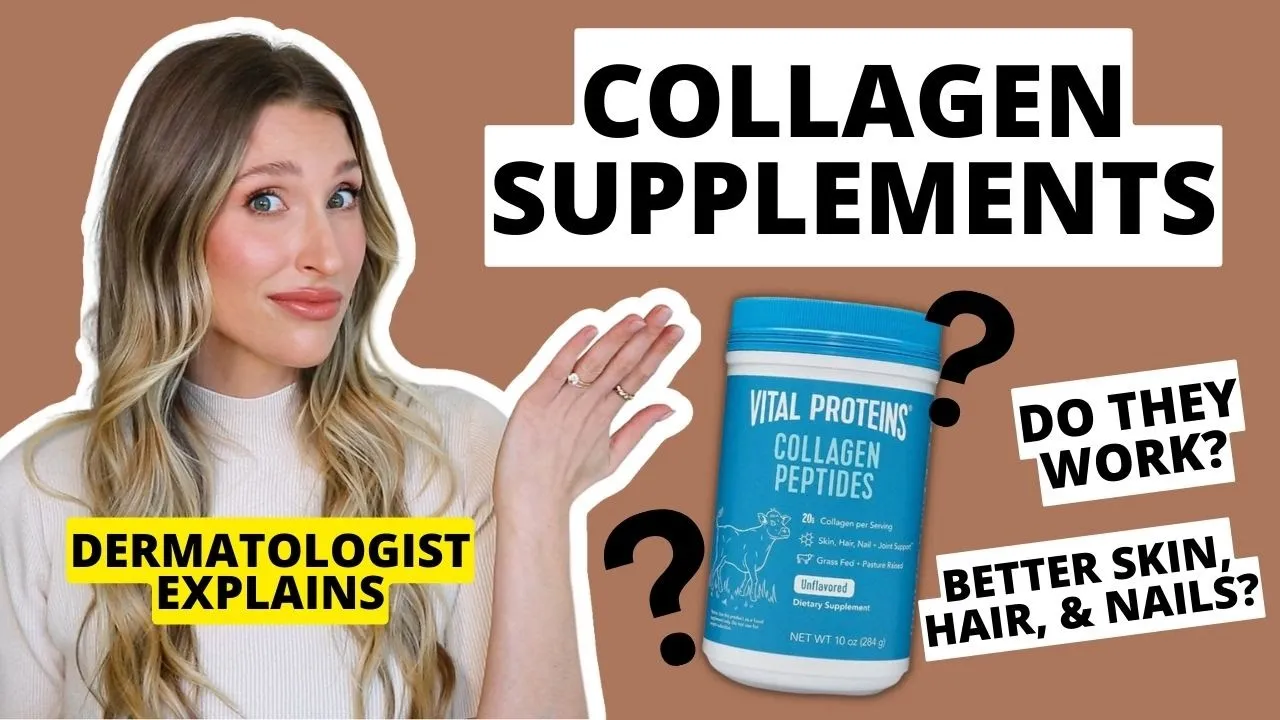
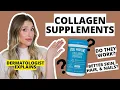
you might see people promoting oral collagen supplements all over the Internet for their hair skin and nail benefits but do oral collagen supplements actually do anything here's what I [Music] think if you're new to the channel welcome I'm Dr Sam Ellis I'm a board certified medical and cosmetic dermatologist in Northern California and I'm here to help you understand your skin and hair and nails and find products that actually work for you so if that sounds good give this video a thumbs up and don't forget to subscribe to the channel I've really wanted to make this
video actually for a while because I feel like I've been getting more and more questions about it and there's not a day that goes by in my clinic where someone doesn't bring up oral collagen supplementation and how it might help with their skin or their hair or their nails I also feel like over the Last 5 Years there's been a lot more research into oral collagen and so now I feel like I can speak more confidently about it in fact two large systematic reviews and meta analyses about oral collagen came out in 2021 and then
again in 2023 so we have a lot more data about it and not only does the data exist but the data has been synthesized and vetted so that we're really looking at the best of the best in terms of studies and what those studies actually show before we talk about oral collagen supplementation I think it's good to talk a little bit about collagen itself and why it's so beneficial in our bodies like we have collagen throughout our systems and it serves a really important role collagen is the main structural protein within our connective tissue so
it's in our skin our bones our cartilage Even in our eyes unfortunately as we age our collagen production decreases significantly and the collagen we already have breaks down so collagen is something you are always building within your body or rebuilding throughout your lifetime but your ability to do so declines significantly with time this decline actually starts in our 20s but gets much worse into our 50s and Beyond when it comes to collagen in the skin that breakdown can be expedited by external factors as well like UV radiation over time this continuous degradation of the body's
collagen as well as your inability to reproduce collagen at the same rate that it's declining leads to to things like skin thinning crepiness of the skin skin dehydration wrinkles as well as overall increased fragility and dullness of the skin so it makes a lot of sense that people would want to hold on to the collagen that they have but also increase their ability to make new collagen going forward and I totally understand the appeal of oral collagen because we do a lot of things topically to help improve our collagen stimulation for example using topical retinoids
and protecting ourselves from the Sun but if you could take something systemically that would help collagen throughout your body wouldn't that be pretty amazing so one thing to note about oral collagen when you're taking it as a supplement it usually does not exist as a full collagen molecule that's really big and it's hard for your body to digest and break down instead that oral collagen supplement is actually processed into what we call hydrolized collagen where they've taken the large collagen chain and broke it down into peptides or even smaller components called amino acids which you're
actually able to absorb and then get benefit from one thing that I think is pretty important to understand is that oral collagen supplements are not vegan they're all derived from from animals so if you hear something about vegan collagen that is not a thing right now granted in the future there will probably be some bioengineering that happens where you can generate collagen without affecting animals but for now all of the collagen supplements available in the market are animal derived most commonly collagen supplements are derived from bow Vine sources so cow as well as Marine sources
so fish but you can also get collagen sources that come from pigs or chickens I actually think a lot of healthcare professionals and dietitians were sort of put off by the idea of oral collagen when it sort of first started getting marketed to people because the thought was well can like oral animal collagen when consumed actually go to the skin and cause any type of positive effect and I think that's because they were sort of thinking about it in a way and myself included where people were expecting that collagen to essentially go from the oral
cavity into the gut and then get moved into the skin and essentially replace the collagen that's in the skin and that's not what's happening with oral collagen it's not like you consume that collagen and that collagen gets deposited into your skin and acts as your own collagen instead what's happening is when you consume hydrolyzed oral collagen that collagen can get to the skin but then essentially acts as like a signaling molecule it wakes up your fiber blasts which are the collagen producing cells in your skin and causes them to make more collagen so it's not
the collagen getting deposited there that really gives the positive effect but rather the fact that that collagen acts as a prompt for your body to make new collagen in addition to that studies have also shown that oral collagen can increase the production of hyaluronic acid in your skin so in addition to your fiberblast producing collagen they make hyaluronic acid which helps gives your skin hydration and suppleness so really when you're taking oral collagen for skin benefits you should be looking for things like improved skin suppleness better skin hydration better elasticity and even a reduction in
wrinkles there's also some early data to show that oral collagen can help in wound healing and help with skin fragility so it's not just a vanity thing where you want your skin to look better but you also want your skin to function better and I think collagen has a role there as well now one of the trickier things to sort of conceptualize when you're thinking about oral collagen and the current data that exists is those studies are not standardized so the different studies might use different types of collagen so different sources or different brands also
the amount of collagen used and the duration of use can vary a lot between the studies but the whole point of having systematic reviews and meta analyses is that it looks at all of that data and then synthesizes it into specific conclusions that can be made based on what exists overall the findings suggest that hydrolyzed oral collagen supplementation does have positive effects on the skin almost every single study conducted notice some type of positive effect no matter the collagen supplementation used the data also shows that taking collagen for short periods of time like just 6
weeks as well as longer interventions like 12 weeks and Beyond both have beneficial effects in the skin in addition to that we've also seen some lasting benefits so one thing is like well if I take collagen for my skin do I have to keep taking it to see those benefits and generally I would say that's true but if you were to take collagen for a short period of time you should have some skin benefits that extend beyond when you stop taking it I actually think it's really fascinating that these short-term benefits of collagen exist because
when I think about patients I've taken care of who are hospitalized for chronic wounds or inability to heal taking collagen even in like a finite setting might be beneficial that being said if I was considering incorporating oral collagen into my diet I would probably want to take it longterm I'd be using it for at least 12 weeks or 3 months before I decided if I was seeing any benefits the other really nice thing is that oral collagen seems to be very well tolerated it's incredibly safe and to me like the biggest risk is that you've
invested some time and money into a product and then you don't see the benefit but I think if you're curious about oral collagen this is worth it it seems that the biggest side effects reported with oral collagen supplementation are GI related so stomach pain or diarrhea so if you have a sensitive stomach you might want to start with a smaller dose and then work your way up to the recommended amount also oral collagen has not really been examined in those that are pregnant or breastfeeding so it's something you should talk to your doctor about before
initiating it in that phase of your life so I actually think the data is pretty clear that oral collagen can have really nice benefits for this the skin but I also want to touch on hair and nails because those are two other categories where people talk about oral collagen supplementation and we should really know like what data actually exists about that and in reality the effects of oral collagen supplementation on hair and nail growth is pretty slim one thing I really want to remind people about is that your hair and your nails are not made
of collagen protein they're made of keratin and in the research I've done around collagen over the past gosh two years I've been kind of looking into this and been more interested in it I hear time and time again people talk about the collagen in your hair and the collagen in your nails there is not collagen in those parts of your body so if oral collagen is working to improve your nails or your hair it's probably not working via the same mechanism that it acts in the skin or other body tissues there is one really small
study that shows that collagen may be helped with nail growth and nail brittleness so I think it might be worth a shot the other thing to remember is collagen is a form of protein and we do know that protein supplementation in general can help with nail and hair growth and when you see a patient who is protein deficient often times their nails and hair are suffering and then in regards to collagen supplementation and hair growth there's really no data there it's all anecdotal or people just sort of telling stories of how it helped with their
hair growth and if you've noticed improvements in your hair while taking oral collagen definitely let me know in the comments I don't think it's like out of this world to think about that because again it's a really good protein source and perhaps it's helping the scalp and the collagen that exists around the hair follicle but not the actual hair itself which is again made of keratin ultimately regardless of if we're looking at collagen supplementation for skin health or nail health or hair I think we need more studies larger studies the more information we have I
think the more informed decisions we can make not just about whether or not we want to take collagen but what specific collagen is best and something that's really important to keep in mind is that collagen is not an FDA regulated drug it is a supplement that is not subject to the same scrutiny and oversight so one thing I would look for when picking out or choosing an oral collagen supplement is whether or not it has a thirdparty certification meaning that a different unrelated group has tested that collagen to really prove that what's on the label
is actually what's in the supplement another criticism of oral collagen is that it can be contaminated with heavy metals so there are lists you can find online of collagens that have been tested and have shown higher levels of heavy metals the vast majority of the time the heavy metals that are detected in collagen supplements are not at a level where it would cause a harm to human health but they're present nonetheless and that's honestly unavoidable when creating a collagen supplement because they are derived from other animals who have lived in this world there's always going
to be a little bit of heavy metal presence in a collagen supplement but it should be low or very close to zero and if you're wondering which collagen supplements have been tested and have shown that they have heavy metal contamination that's very easy to actually find online also if I was picking out a collagen for myself I would pick either Bine or Marine collagen it seems that Marine collagen and Bovine are the best tested forms of collagen and seem to exert the best benefits if I was doing B Vine or cow collagen I would look
for something that's a grass-fed cow and oftentimes the collagen company will show you kind of where the cow started and how it ended up in the collagen and being able to trace back the history of that I think is really helpful and then if you're looking at Marine collagen I tend to look for something that's based on wild caught marine life now I will say collagen for me is relatively new to my supplementation I wasn't taking it when I was pregnant nor when I was breastfeeding and now that I've researched it more I probably would
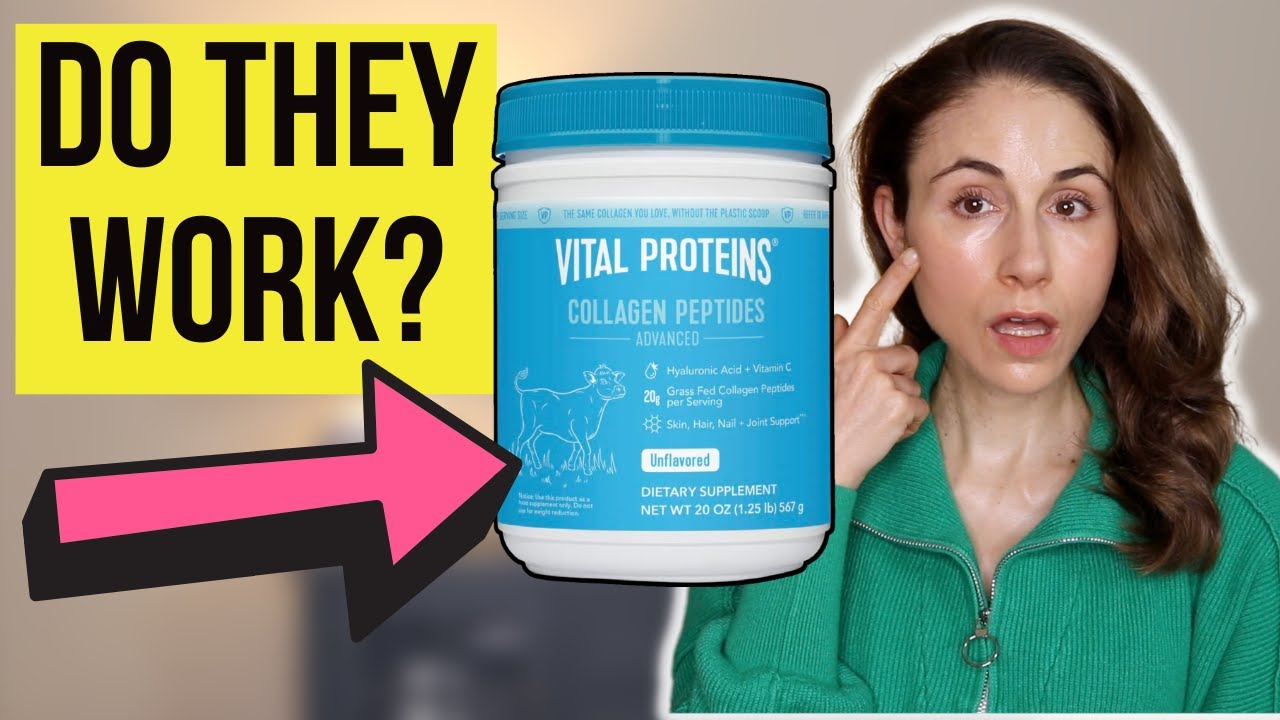
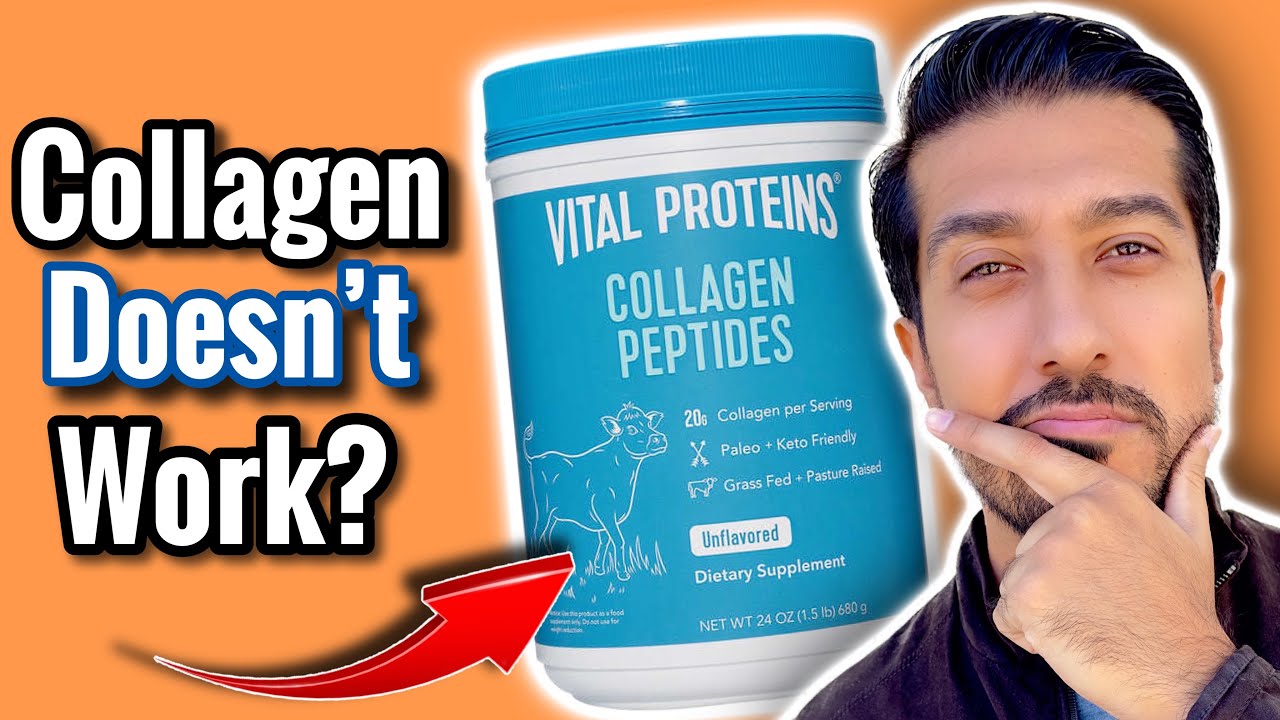
be more okay with that but during that time in my life before ID really delved into the data I just was abundantly cautious I've recently been trying out the vital proteins collagen which has both bovine and Marine collagen and I've really been enjoying it I think the biggest thing that surprised me is how well it kind of just like mixes into coffee or water and essentially just disappears that's very different than any of the other like protein supplements I've ever tried also vital proteins is one that a lot of my patients take and have really
enjoyed I know a lot of my patients also take the sparkle Wellness bovine collagen and they've seemed to really enjoy that and then there's another collagen supplement that a couple of my pregnant patients have recommended by a brand called needed I would say I'm still very much on my oral collagen journey I definitely want to try all of those Brands more as well as explore other collagen Brands so if you have ever tried oral collagen I'm so curious what your experience has been have you seen benefits in your skin your hair your nails your joints
are there any particular brands that you've been loving let me know in the comments thank you so much for watching I hope you found this video helpful don't forget to like And subscribe and I'll see you next [Music] time