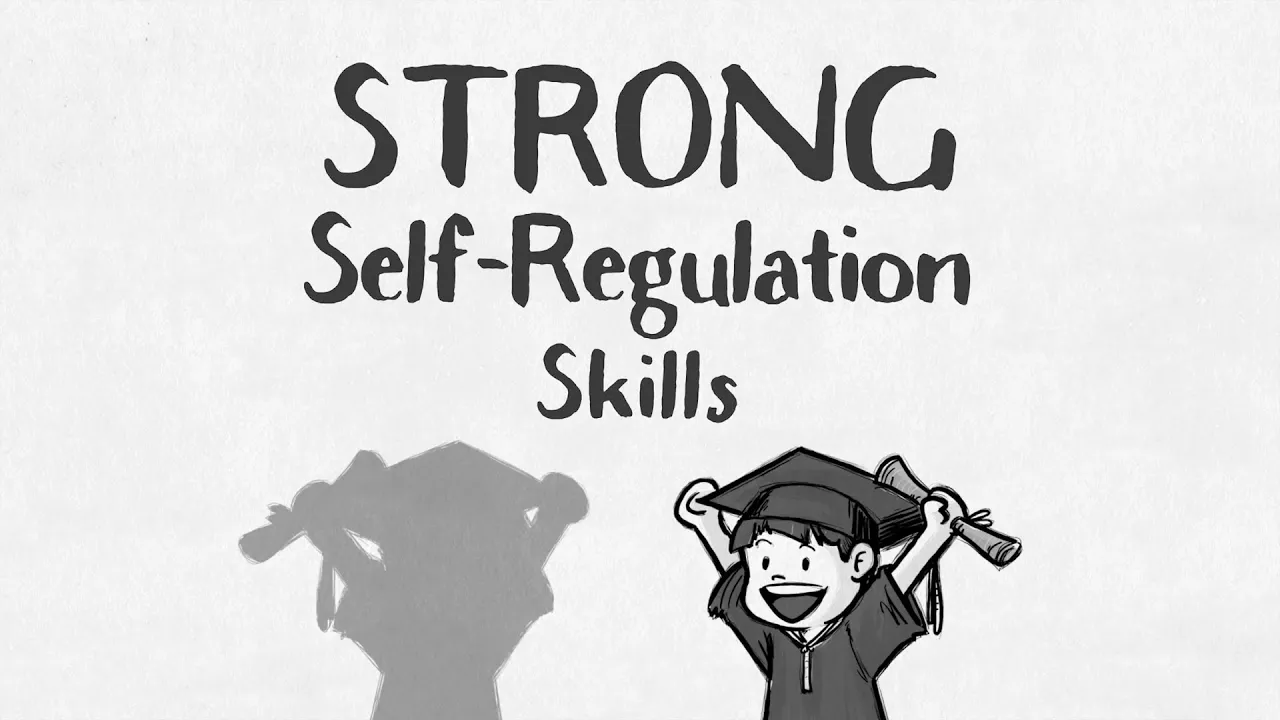
[ music plays ] [ bell rings ] Successful people have strong self-regulation skills. They use them every day. The skills help them consciously direct, sustain, and shift their attention when necessary.
They help them monitor and manage their thoughts, behavior, and emotions in this complicated world of ours. Three of the self-regulation skills, known as executive-function skills, are cognitive. These are used to monitor and manage attention, thoughts, and behavior.
A fourth self-regulation skill is the ability to monitor and manage emotions. These skills are not inborn, but they are teachable. And we depend on them every day, especially when the going gets rough.
Just like adults, when students are upset or angry, it's hard for them to use their executive-function skills, because their strong emotions take over. This can also make it difficult for them to listen, remember rules, and stay focused on learning. So learning to monitor and manage emotions allows students to recognize their strong feelings and use strategies to calm down.
Then they can use their executive-function skills again. And research shows students with strong self-regulation skills have higher academic achievement and are less likely to act in impulsive or aggressive ways -- or to withdraw when overwhelmed. They're also more likely to get along well with others and have strong social skills.
Students with poor self-regulation skills can have emotional and behavioral problems and academic trouble and are more likely to be expelled from school, starting as early as preschool. When students learn and practice self-regulation skills, they can build academic achievement, social competence, and positive growth throughout their lives.
![The Power Of NOT Reacting (How To Regulate Emotions) [Japanese Dub Available]](https://img.youtube.com/vi/laQIz0hLeII/mqdefault.jpg)