Have you noticed stairs are tougher to climb? Maybe getting up from a chair is harder or carrying groceries is harder. Sarcopenia, a disorder in which muscle mass and strength diminish with age, may cause these alterations.
This is a major issue in America. According to American Geriatric Society research, many persons over 50 may experience muscular health changes that limit mobility. The good news is that minor lifestyle modifications can make large differences.
We'll discuss a healthy meal that may boost muscle strength in a balanced diet in this video. This information may assist you or a loved one over 50 stay active and independent. Share this with your family and let's discuss long-term muscular health.
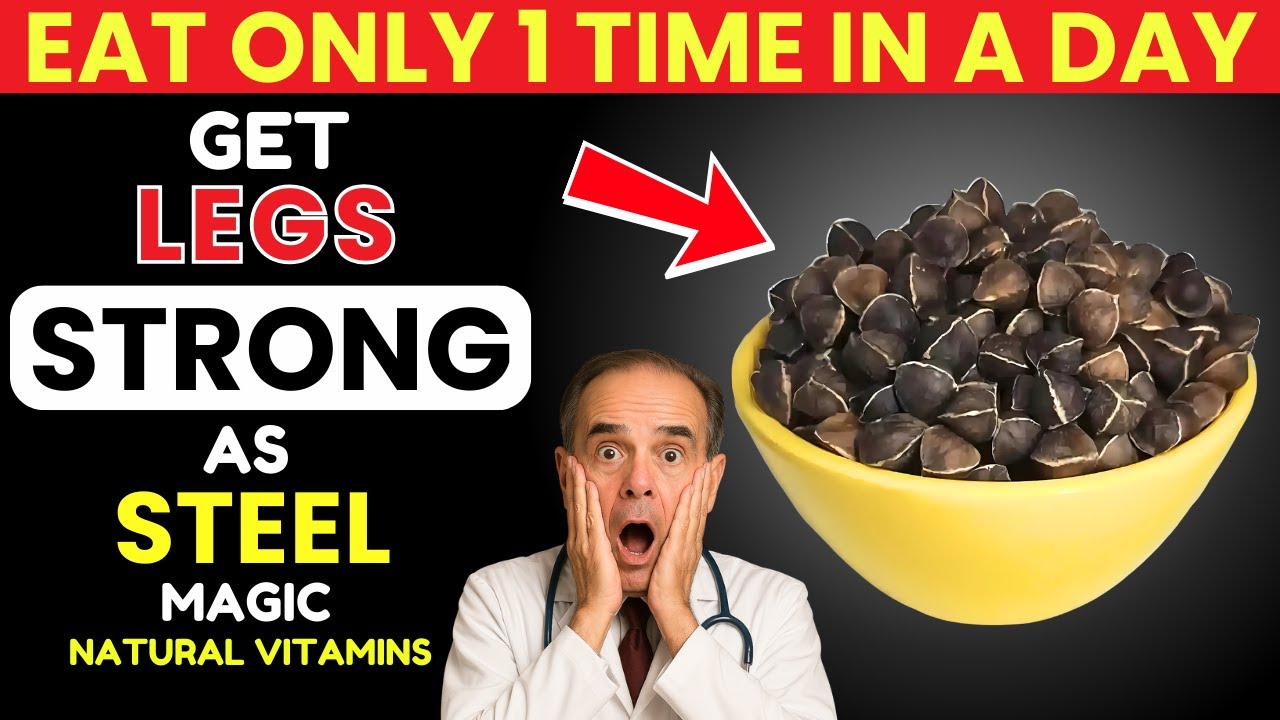
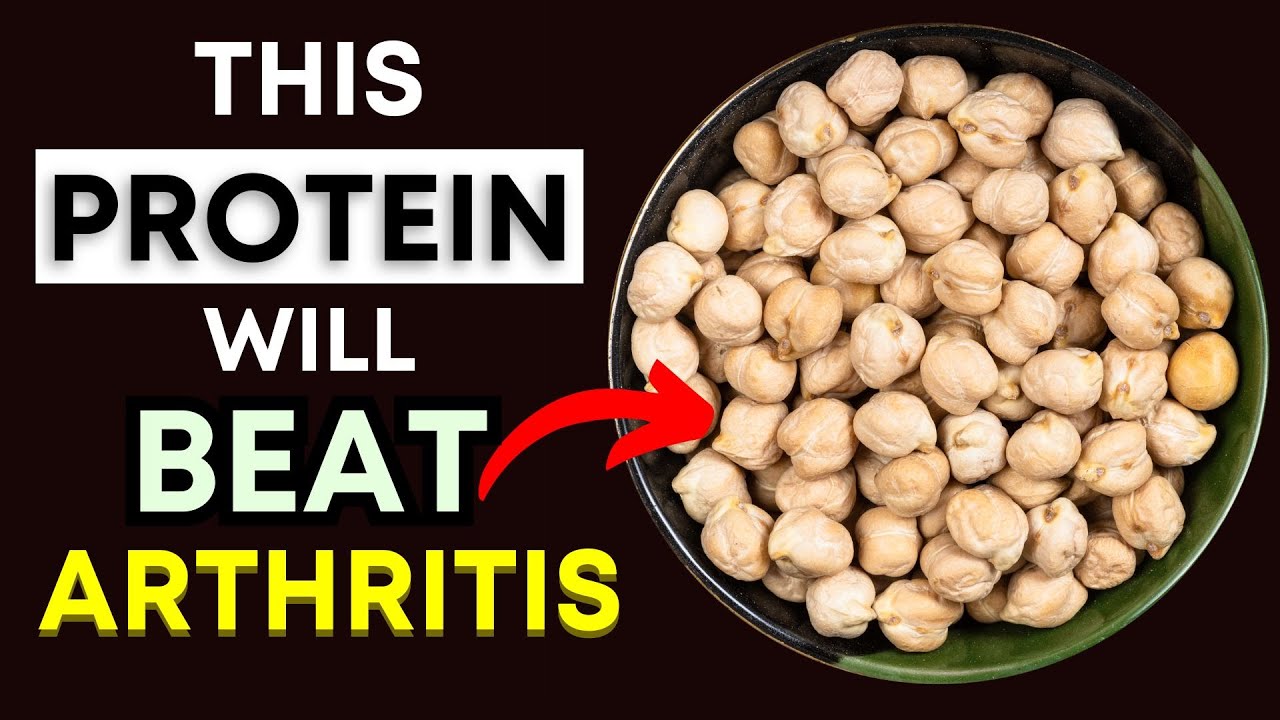
First, chickpeas. Chickpeas, little golden legumes, are a Mediterranean jewel and are becoming more popular in American kitchens for their flavor and nutritional advantages. Chickpeas are becoming known for their muscle health benefits, especially in reducing sarcopenia, the age related loss of muscle mass.
Chickpeas' strength comes from what? American nutritional science and aging researchers say chickpeas are full of highquality plant-based proteins protein is essential for muscle repair and regeneration and 100 g of cooked chickpeas provide 9 g. They also include 48 mg of magnesium per 100 grams which aids muscle contraction and reduces cramping.
Their lucine content which activates the m0 pathway which drives muscle growth and preservation is even more amazing. But chickpeas continue. Each 100 g contains 7.
6 six gram of fiber, which regulates blood sugar and prevents insulin surges that damage muscles. Chickpeas improve endurance and recovery by delivering oxygen to muscle cells with 2. 9 mg of iron.
Eat 150 g of cooked chickpeas 3 to four times a week to maximize their advantages. Vitamin C improves iron absorption. A little lemon juice works well.
Seeking dinner ideas? A warm anti-inflammatory cream made with 200 g of chickpeas, 300 ml of vegetarian broth, a teaspoon of turmeric, and a sprinkle of black pepper is delicious and nutritious. A fun fact, roasted chickpeas are mashed into a caffeine-free coffee alternative that boosts metabolism and energizes naturally in some places.
Amazing, right? Tell me if chickpeas are muscle heroes. Which green veggie high in protein and antioxidants could help them battle muscle loss?
Second, peas. With their vibrant green hue and gentle bite, peas are more than a side dish. Their nutrients are potent.
Peas originally from the Mediterranean and Central Asia are popular in American diets for their flavor and muscle building abilities. They're an underestimated weapon against sarcopenia, the age related loss of muscle mass. American geriatric nutrition specialists found that peas contain 5.
4 4 g of protein per 100 g, making them a good plant-based protein. Their lysine content, which helps produce collagen and repair muscle, makes them stand out. They also include 1.
5 mg of iron per 100 g, which helps oxygenate muscles and reduce fatigue. Peas contain 0. 65 65 g of leucine per 100 g, which triggers muscle protein synthesis, which helps aging adults maintain strength and decrease muscle breakdown.
Still more peas contain sapinins, antioxidants, and anti-inflammatories that preserve muscles after exercise. Pairing peas with vitamin C rich foods like lemon juice or red peppers can raise iron absorption by 67%. At least 150 g of peas should be eaten three times a week to reap their benefits.
Need a new recipe? Blend 200 g of cooked peas, 20 g of almonds, and a teaspoon of extra virgin olive oil to make a creamy, nutrient-packed spread your muscles will adore. Another surprise, peas have nearly twice the fiber of spinach, making them good for blood sugar and digestion.
Imagine mixing peas with another proteinrich green superfood. What natural ingredient rich in chlorophyll and muscle repairing nutrients could boost your strength? Third, spirulina.
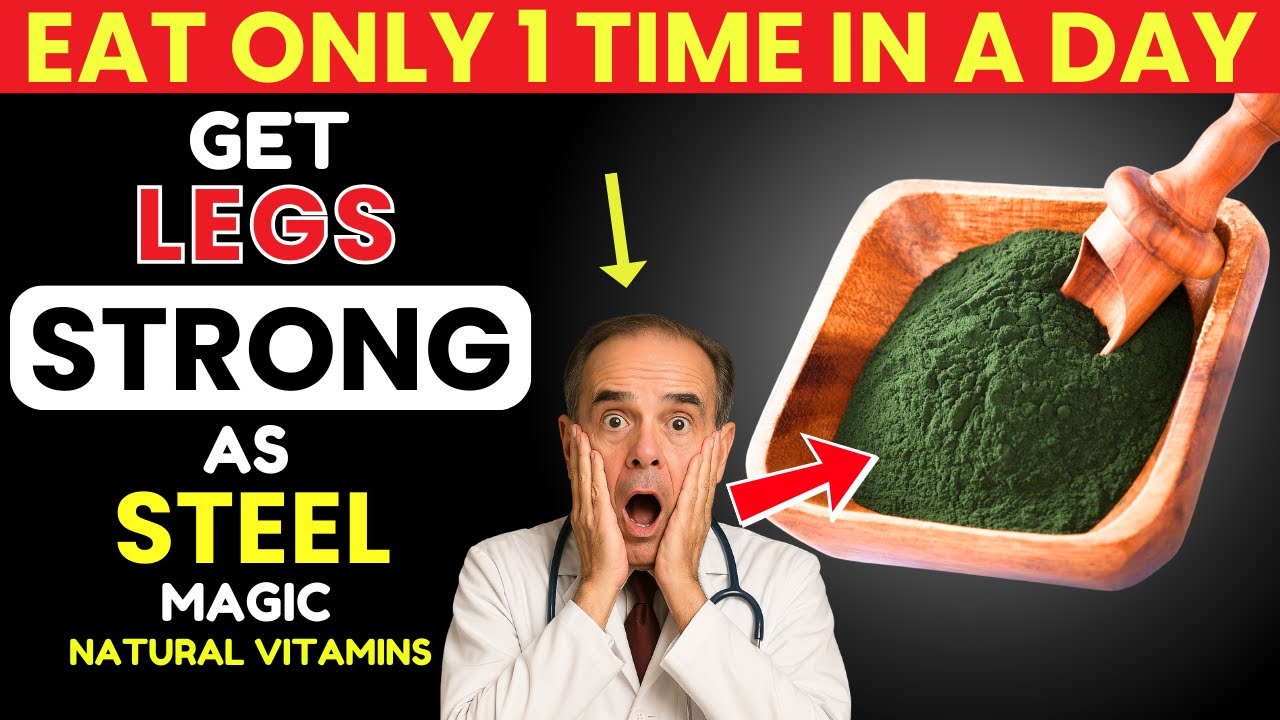
Spirulina, an ancient microalga found in alkaline lakes and recognized for its rich blue green color, is a superfood. NASA feeds astronauts this nutritionally dense food. Besides space flight, spirulina thrives on Earth, especially in preventing sarcopenia, the gradual muscle loss that strikes adults over 50.
Sarcopenia is linked to a decline in protein and micronutrients as we age. According to American nutrition and aging specialists, spirulina provides up to 70% complete protein by dry weight, including all necessary amino acids. That's much more than chicken breasts 27% protein.
But its benefits go further. Spirulina includes ficoyanin, an antioxidant that reduces muscle cell inflammation and oxidative damage, speeding recovery and endurance. One teaspoon 3 g of spirulina powder contains 2 g of protein and 50 mg of iron which helps carry oxygen to muscle tissue and reduce fatigue.
A substantial magnesium dose of 195 mg per 10 gram in spirulina helps preserve nerve and muscle function and avoid cramping. 3 to 5 g a day in smoothies, juices or water is best for optimal benefits. A pro tip to absorb iron better mix spirulina with vitamin C like lemon juice.
To replace electrolytes and boost muscle recovery, mix 5 gram of spirulina with 250 ml of coconut water for a delightful post-workout drink. In several countries, dried spirulina capsules are utilized as a natural energy boost during long-d distanceance travel. A versatile powerhouse.
How about another secret muscle support weapon? Which aromatic plant rich in important components could boost your strength and resilience? Next segment solution may surprise you.
Fourth, parsley. Mediterranean dishes use parsley for more than just garnishing. This nutritional powerhouse supports muscle health.
This modest herb native to the Mediterranean has found its way into US kitchens and helps prevent sarcopenia, the age related muscle loss that plagues many adults over 50. Few people appreciate parsley's potency, which is remarkable. US nutritional research on aging found that parsley is one of nature's finest sources of epigenine, a potent flavonoid that reduces muscle inflammation and aids muscle fiber regeneration.
Fresh parsley has 130 mg of epigenine per 10 g, greater than most plants. It also has 16,640 micrograms of vitamin K per 100 g, which is vital for muscle contraction and bone strength. Two essentials for aging mobility.
Parsley continues, "Its 4 mg of iron per 100 g improve oxygen transport and minimize fatigue, making it great for energy maintenance. " Still more impressive. In 50 g of parsley, you get double the daily vitamin C, which increases collagen synthesis and muscle regeneration.
Include 15 g of fresh parsley every day to reap its advantages. One easy way, make a green smoothie with lemon juice, spinach, and iron, and vitamin C to boost nutrient absorption. Another simple method, start your day with a warm parsley tea by steeping 10 g in 150 ml of water for 5 minutes.
A fun historical fact. Ancient Greek athletes ate parsley before tournaments to build stamina. Your time to use this old secret.
This is your challenge. What other sulfurrich plant can boost muscle regeneration and strength with parsley? Find out next section.
You may have it in the kitchen. Five. Chives.
Chives with their thin green stalks and pungent aroma are often used as a garnish. In truth, they're a nutrientrich herb that boosts muscle health. Originally from Europe and Asia, chives are related to garlic and onions.
They're tasty, but their real power is fighting sarcopenia. the age- related muscle loss. Surprised?
You have company? The American Geriatric Society found that over 30% of persons over 60 have sarcopenia, often because to dietary shortages. Here come chives.
100 g of chives include 90 mg of vitamin C, which helps build collagen for muscle repair and maintenance. Even more impressive is its 30,000 micrograms of vitamin K which is needed for muscle contraction and bone strength. But what makes chives special is their high concentration of allisonin and flavonoids which increase circulation and muscle oxygenation reducing fatigue and improving post-workout recovery.
Remember corsetin, a potent antioxidant in chives that reduces muscular inflammation and oxidative stress, retaining your strength as you age. Eat at least 10 g of chives a day, preferably raw or mildly cooked to maximize their nutrients. Great muscle friendly combo.
A creamy reviving smoothie contains 10 gram of fresh chives, half an avocado, and 150 ml of plain yogurt. Make chive infused oil for a unique touch. Mix 30 g chives with 100 ml extra virgin olive oil.
After 24 hours, you'll enjoy a tasty oil that boosts muscle regeneration with every pour. Please like, subscribe, and share this video if it revealed Chives' hidden strength. It may aid someone silently losing muscle.
If so, put one in the comments and start building muscle today. Sarcopenia's secret hazard. Everyone over 50 faces a silent threat to their mobility and freedom.
This is sarcopenia. This slow, unnoticed process weakens your muscles daily. If you don't act immediately, the effects may last.
One day, you can't get out of bed or lift your grandchild. This is the real risk of untreated muscle loss. Truthfully, you can fight back, starting with your plate.
You must start early to retain your independence with the correct nutrition. Sarcopenia persists. Maintaining your health and lifestyle may start with your next meal.
Rebuild leg strength. Effective life-changing foods. Do your legs feel weaker lately?
Do stairs feel like mountains? Is getting up from a chair harder? You have company.
The American Academy of Orthopedic Surgeons reports that 60% of persons over 50 have leg muscle weakness, which can lead to falls, emotional discomfort, and independence loss. This goes beyond aging. Warning symbol: weak legs can cause significant damage, impair social life, and destroy confidence.
Good news, though. A solution exists. Imagine if a few common foods could strengthen your legs.
When taken properly, these foods can restore mobility in weeks. Would you seize that chance to walk strong and steady again? Never allow weakness stop you from living your dream.
The next 5 minutes could change your future and restore your family's confidence. Let's begin regaining your strength. Start with lean protein.
The impact of diet on leg strength is astounding. A significant yet underappreciated technique to maintain your muscles is by consuming lean proteins. Turkey, chicken breast, and white fish are examples.
Naturally low in fat, they're nutritious. A 100 g skinless chicken breast has 31 g of complete protein, including leucine, which is essential for muscle repair and growth. Protein can delay or prevent muscle loss, especially in those over 50, according to the Academy of Nutrition and Dietetics.
Still more. Leucine does more than repair muscles. It also boosts protein synthesis, keeping leg muscles robust and mobile.
The experts recommend 1. 2 to 1. 5 g of protein per kilogram of body weight daily.
A person weighing 70 kg, 154 lb, needs 84 to 105 g of protein per day, ideally distributed among meals. Pair lean meats with vitamin C rich veggies like bell peppers or broccoli for better absorption. Who would have thought simple meals could be so effective?
If muscle protein is vital, what about bone nutrients? Number two, calcium. Parmesan cheese is little but potent.
This northern Italian classic is more than tasty. This nutritional powerhouse is high in absorbable calcium. 30 grams of parmesan provide 330 mg of calcium, about 30% of the daily recommended consumption for adults over 50.
The NIH says calcium isn't simply for bones. It's essential for muscle contractions, preventing cramping and easing leg mobility. Long-term mobility requires strong bones and muscles.
Sprinkling Parmesan over foods or eating 20 to 30 gram as a snack is sensible. Watch serving sizes. Deliciousness makes it easy to overeat.
Now, this is intriguing. Nutrients can boost calcium absorption and muscle strength. Curious which ones do both?
Number three, vitamin D. Did you know that vitamin D rich meals strengthen bones and sustain leg muscle function? This crucial mineral found in fatty fish like salmon, 526 international units per 3.
5 o. Tuna, 268 international units per 3. 5 o.
And fortified dairy is essential for muscular function and stability, especially as we age. Vitamin D increases calcium and phosphorus absorption which is necessary for muscle strength according to the NIH. Lacking this vitamin reduces lower limb strength and performance by 20% according to research.
So how much should you shoot for? Adults over 50 should get 800 to 1,000 international units of vitamin D daily. Vitamin D rich meals and sunlight can help you reach this goal.
Daily 10 to 15 minutes of direct sun helps. No sun, no worries. Eggs.
About 44 international units per egg or guided supplements can supply the deficit. Vitamin D is fat soluble. So mix these foods with olive oil to absorb it.
Little effort goes far. Vitamin D and another C nutrient work together to sustain strength. Guess which one?
Omega-3s. Number four, salmon is an ocean superfood. This gorgeous pink cold water fish is delicious.
It's rich in EPA and DHA, which strengthen leg muscles and improve circulation. The American Heart Association, AHA, reports that omega-3s reduce muscle inflammation and increase vascular function, which are essential for leg performance. One 3.
5 ounce serving of salmon provides over 70% of your recommended omega-3 intake with 2. 2 g. One serving provides substantial leg support.
These fatty acids improve blood flow, avoid cramps, and fight weariness, keeping you steady. To maximize advantages, eat salmon twice a week, grilled or baked. Want to boost its impact?
Mix in some lemon juice. Its vitamin C boosts omega-3 absorption and tastes great. Nature offers wonderful mixtures.
Omega-3s aren't the sole vitamin with this effect. Another everyday item boosts hydration and muscle repair. Guess what it is?
Top five antioxidants. Ever wondered how colorful fruits may strengthen legs? Nature's workings amaze.
Not only are blueberries, strawberries, and pomegranates gorgeous. Strong antioxidants, notably anthocyanins, protect muscle tissue from oxidative damage. The American Journal of Clinical Nutrition reports that older persons can increase muscle endurance by 15% by consuming 1/2 cup of blueberries daily.
Pretty awesome, huh? They do it how? Antioxidants minimize inflammation and speed muscle recovery, keeping us energetic and flexible as we age.
Vitamin C helps tendons and ligaments produce collagen. Their low calorie count makes them a sensible, healthful choice. To include them to your routine easily, add berries to your oatmeal or make a smoothie with pomegranate seeds and strawberries for a nutritious boost.
To avoid natural sugar, limit it to one cup daily. Easy, tasty, and leg friendly. Berries aren't the only mobility boosting food.
Wait until you hear about whole grains energy increase. Number six, whole grains. Few realize the power of whole grains in generating stronger legs.
Besides full, oats, quinoa, whole wheat, and rye are hearty and brown. They contain complex carbs, fiber, and minerals like iron and zinc to feed and maintain muscles. Half a cup of dry oats has four grams of fiber and 2 mg of iron, improving blood flow and muscle strength.
The American Heart Association, AHA, discovered that a diet high in whole grains can lower muscular inflammation by 25%, improving mobility, especially for people over 50. Whole grains are a simple approach to achieve the USDA's 25 to 30 gram fiber recommendation. Make breakfast with oatmeal, quinoa, or whole grain toast.
Want variety? They're delicious and nutritious when mixed with fruit or yogurt. These grains provide long-asting energy and muscle support, and one mineral relaxes muscles nearly naturally.
What's it? The seventh element, magnesium. Certain nutrients can boost leg strength.
One of the best nutrients for muscle support is magnesium. It's in almonds, 76 mg per ounce. Cooked spinach, 87 mg per cup, and avocados, 58 mg per medium.
Leg muscle health depends on magnesium, which regulates muscle contraction and relaxation. The National Institutes of Health recommends 320 to 420 mg per day for persons over 50. Why is this mineral essential for legs?
A magnesium deficit can produce cramping, weariness, and weakness. But maintaining proper levels improves endurance and minimizes tingling and heavy legs. To maximize its benefits, add an ounce of almonds to your breakfast or spinach to your meals.
Want a tasty boost? Smoothies with avocado, banana, and spinach are muscle friendly. One muscles supporting nutrient helps maintain fluid balance and minimize cramping.
Let's begin. Eighth, potassium. Nature offers great health benefits.
Consider bananas. They're tasty and high in potassium, which strengthens leg muscles, improves muscular contractions, and maintains fluid balance. A medium banana, about 4 oz, contains 422 mg of potassium, or 12% of the NIH's daily recommendation of 3,500 mg for adults.
Potassium reduces cramping and speeds recovery. Muscle health depends on blood circulation. Spinach 558 mg per cooked cup.
Avocados 485 mg per 3. 5 o and baked potatoes 926 mg per medium potato are also potassium rich. Combine potassium richch foods with proteins and healthy fats for optimal benefit.
Eat spinach and avocado salad or mashed potatoes with extra virgin olive oil. For an energy boost, try a banana smoothie to start the day. Too much potassium is dangerous, so remain within the recommended dose.
If this helped, like, subscribe, and share with friends and family. It could affect them, too. To all my friends over 60, mobility loss can slowly take away your independence.
Painful steps and restricted movements remind us of what's slipping gone. Imagine walking without pain, climbing stairs without hesitation, and playing with your grandchildren without boundaries. The appropriate nutrients may help you maintain muscle strength and live an active full life.
Regain your health and vigor despite your ignorance. Every day without activity wastess healing time. Thanks for watching and remember that movement can be restored at any time.
See you next video.